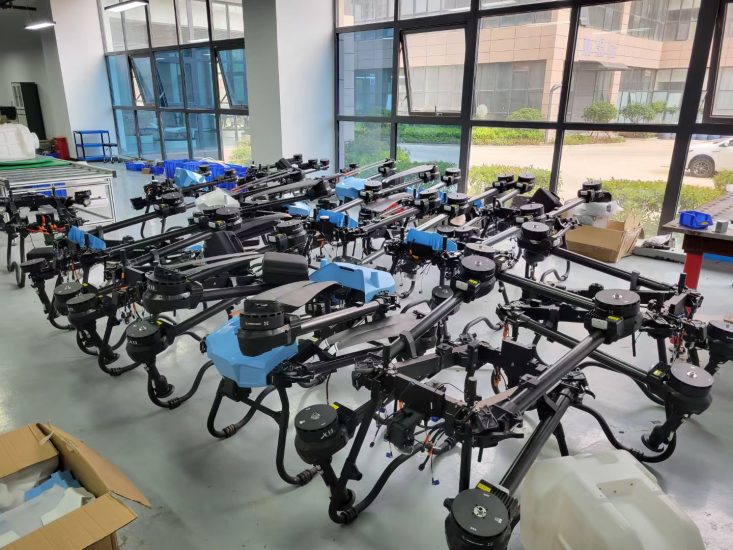


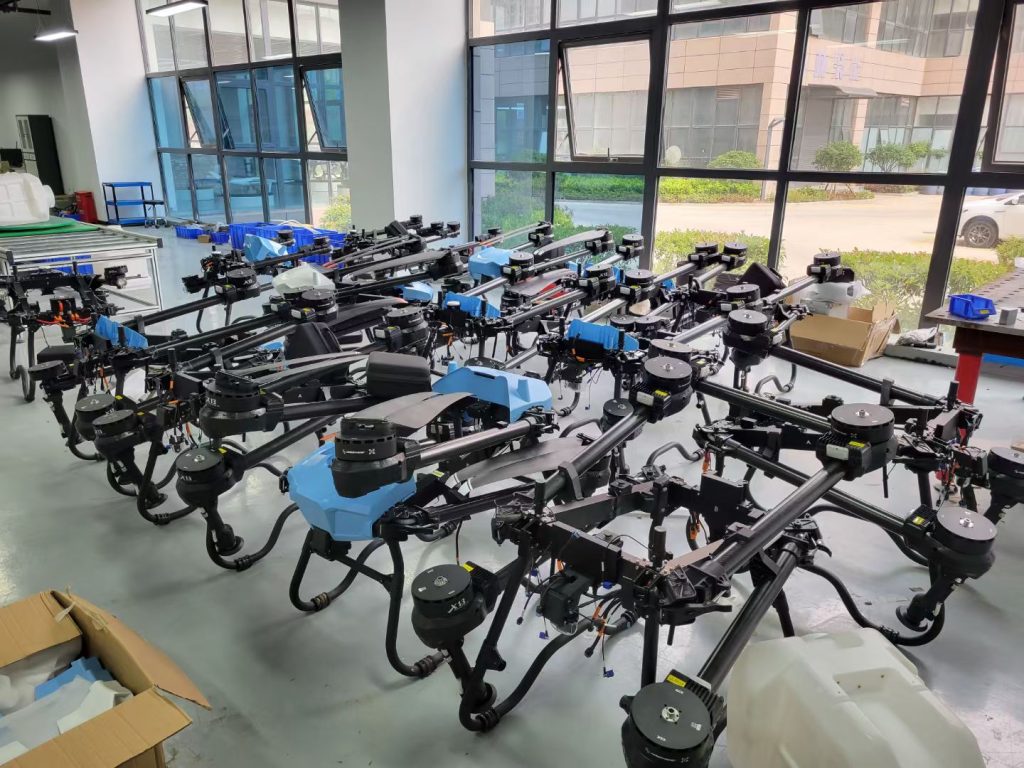
30L Agricultural Spraying Drone: Price, Capacity, Coverage and Buying Guide
A 30L agricultural spraying drone is a practical option for buyers who need more liquid capacity than a small agricultural drone while still wanting the flexibility of aerial crop application.
For farmers, agricultural contractors, distributors, and international buyers, choosing a 30L drone is not simply about tank size. The actual value of the aircraft depends on payload, battery performance, spraying flow rate, nozzle configuration, flight time, coverage, refill requirements, spare parts, and operating conditions.
A 30L agricultural spraying drone can be used for a range of agricultural applications, including crop spraying, liquid fertilization, and other permitted aerial treatments. However, the right configuration depends on the crop, application rate, terrain, weather, flight conditions, and local regulations.
This guide explains the main specifications buyers should evaluate before purchasing a 30L agricultural spraying drone, including capacity, coverage, flight time, spraying performance, price, and supplier selection.
What Is a 30L Agricultural Spraying Drone?
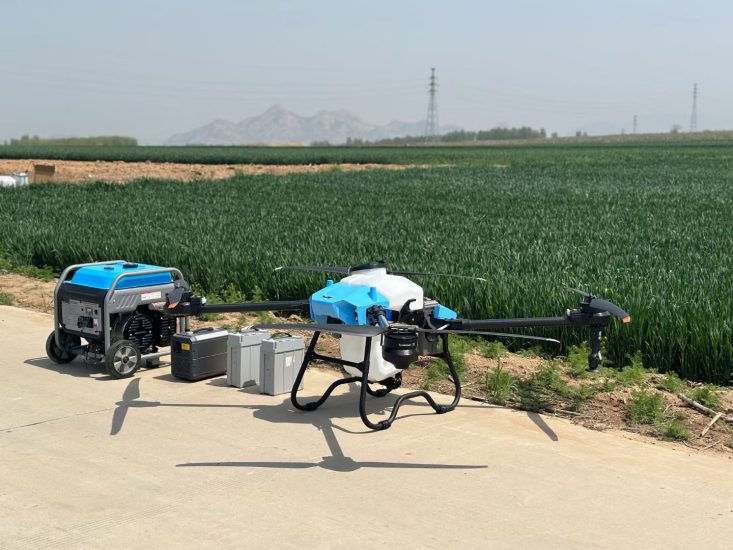
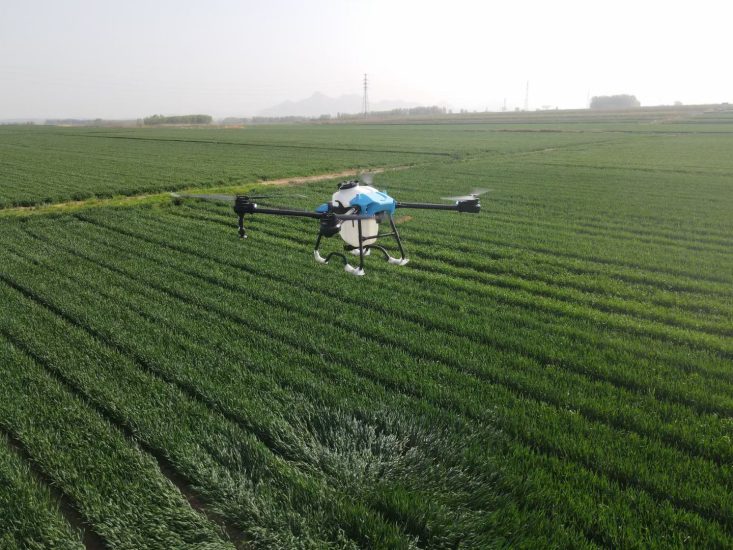
A 30L agricultural spraying drone is an unmanned aircraft designed to carry and distribute agricultural liquids from the air. The 30L designation generally refers to the nominal capacity of its spraying tank.
A complete agricultural spraying drone normally includes several systems working together:
- 30L-class liquid tank
- Agricultural spraying pump
- Spray nozzles
- Flow-control system
- Flight controller
- GPS positioning
- Remote controller
- Motors and propellers
- Rechargeable batteries
- Power and charging system
- Obstacle-sensing equipment, depending on configuration
The tank capacity is only one part of the aircraft. Buyers should also examine the recommended operating payload, maximum takeoff weight, battery configuration, spray flow rate, effective spray width, and expected operating time.
For commercial operations, these specifications are generally more useful than comparing drones only by tank capacity.
Why Choose a 30L Agricultural Drone?
The main advantage of a 30L agricultural drone is the balance between liquid capacity and operating flexibility.
Compared with smaller spraying drones, a 30L platform can carry more liquid during each spraying cycle. Depending on the application rate and field conditions, this may reduce the frequency of refilling and improve the efficiency of larger agricultural operations.
A 30L agricultural drone may be suitable for:
- Commercial farms
- Agricultural service companies
- Crop-spraying contractors
- Agricultural equipment distributors
- Rice farming
- Wheat and corn production
- Orchards
- Vineyards
- Vegetable production
- Other suitable aerial agricultural applications
However, a larger tank does not automatically mean better performance.
A fully loaded 30L drone is heavier than a smaller aircraft carrying a lighter payload. Battery consumption, flight time, maneuverability, refill logistics, transportation, and field conditions therefore need to be evaluated together.
The best agricultural drone is the one that matches the operator’s actual requirements rather than simply the model with the largest tank.
For buyers comparing different capacities, see our guide to 20L vs 30L vs 40L Agricultural Drones.
30L Agricultural Drone Capacity and Payload
A 30L tank provides a nominal liquid capacity of approximately 30 liters, but tank capacity and aircraft payload should not be treated as exactly the same specification.
When evaluating a 30L agricultural spraying drone, buyers should distinguish between:
- Tank capacity
- Recommended payload
- Maximum takeoff weight
- Empty aircraft weight
- Battery weight
- Liquid weight
- Total operating weight
Water and many agricultural liquids have different densities, so the actual payload can vary depending on the material being carried.
For international buyers, it is therefore better to request the manufacturer’s complete specification sheet instead of evaluating the aircraft only by the “30L” label.
How Much Area Can a 30L Agricultural Drone Cover?
There is no single coverage figure that applies to every 30L agricultural spraying drone.
The amount of land that can be treated from one tank depends primarily on the application rate.
A simple theoretical calculation is:
Coverage = Tank Capacity ÷ Application Rate
For example, if the application rate is 10 L/ha:
30L ÷ 10 L/ha = 3 hectares per tank
If the application rate is 15 L/ha:
30L ÷ 15 L/ha = 2 hectares per tank
These figures are theoretical calculations rather than guaranteed field performance.
Actual daily productivity can also be affected by:
- Flight speed
- Spray width
- Field shape
- Crop height
- Terrain
- Wind conditions
- Battery replacement time
- Charging time
- Refilling time
- Travel distance between fields
- Operator experience
For this reason, buyers should ask manufacturers for field-performance data based on realistic operating conditions rather than relying only on a theoretical coverage number.
30L Agricultural Drone Flight Time
Flight time is another important specification when purchasing a 30L agricultural spraying drone.
However, buyers should be careful when comparing flight-time claims because an aircraft’s flight time changes significantly with payload.
A manufacturer may provide a flight-time figure under light-load or test conditions, while actual spraying operations involve a heavier aircraft carrying liquid.
Ask the supplier for information about:
- Empty-load flight time
- Normal operating flight time
- Full-payload flight time
- Battery capacity
- Battery quantity
- Charging time
- Battery cycle life
- Recommended operating temperature
For commercial agricultural operations, flight time under realistic spraying conditions is generally more useful than the maximum flight time listed for an unloaded aircraft.
30L Spraying System: Pump, Nozzles and Flow Rate
The spraying system directly affects application performance.
A 30L tank alone does not determine spraying quality. The pump, nozzles, flow-control system, spray width, flight speed, and application rate all work together.
Pump
The pump moves liquid from the tank to the spray system. Buyers should check the pump’s rated flow capacity and whether it is appropriate for the intended application.
Nozzles
Nozzle type and configuration influence droplet characteristics and spray distribution. Different crops and applications may require different spraying configurations.
Flow Rate
Flow rate determines how much liquid the spraying system can deliver over a given period.
Spray Width
A wider spray pattern may allow the drone to cover more ground per flight path, but actual effective width depends on nozzle configuration, flight altitude, wind, crop structure, and operating speed.
Application Rate
Application rate should be determined according to the specific agricultural treatment, crop requirements, product label, and applicable local regulations.
This is why a professional buyer should evaluate the entire spraying system rather than selecting a drone based only on tank capacity.
What Crops Can a 30L Agricultural Drone Spray?
A 30L agricultural spraying drone can potentially be configured for different agricultural applications.
Common examples include:
Field Crops
- Rice
- Wheat
- Corn
- Soybean
- Cotton
Orchards
- Citrus
- Fruit trees
- Other suitable orchard crops
Specialty Crops
- Vineyards
- Vegetables
- Other crops where aerial application is appropriate and permitted
The appropriate spraying configuration depends on crop structure, canopy density, terrain, application requirements, weather conditions, and local regulations.
Buyers should therefore discuss the intended crop and application with the manufacturer before selecting the pump, nozzles, and operating parameters.
How Much Does a 30L Agricultural Spraying Drone Cost?
The price of a 30L agricultural spraying drone can vary considerably depending on its configuration and order requirements.
Important cost factors include:
| Cost Factor | Why It Matters |
|---|---|
| Drone platform | Determines the aircraft’s basic capability |
| Battery system | Affects operating time and replacement cost |
| Charger | Determines charging efficiency |
| Pump and nozzles | Affect spraying performance |
| Remote controller | Provides flight and application control |
| Spare parts | Important for long-term operation |
| Intelligent functions | May increase the overall configuration cost |
| OEM/ODM | Custom branding and specifications may affect pricing |
| Order quantity | Wholesale orders can have different pricing |
| Packaging | Export packaging requirements affect logistics |
| Shipping | Freight cost depends on destination and shipment method |
Buyers should avoid comparing two 30L agricultural drones only by their quoted unit price.
A lower initial price may not represent better value if the package excludes batteries, chargers, spare parts, or other necessary equipment.
For a broader discussion of agricultural drone pricing, see our Agricultural Drone Cost Guide.
What Should You Check Before Buying a 30L Agricultural Drone?
Before placing an order, international buyers should request a detailed specification sheet and confirm the complete supply package.
A practical checklist includes:
- Tank capacity
- Recommended payload
- Maximum takeoff weight
- Empty aircraft weight
- Flight time under load
- Battery capacity
- Charging time
- Number of batteries supplied
- Pump flow rate
- Nozzle configuration
- Effective spray width
- Flight controller
- Positioning system
- Obstacle-sensing system
- Remote controller
- Spare parts availability
- Warranty terms
- Technical support
- OEM/ODM capability
- Export packaging
- Shipping requirements
- Local operating requirements
Buyers should also consider whether replacement batteries, pumps, nozzles, motors, propellers, and other wear parts can be obtained efficiently after the initial purchase.
For a detailed purchasing approach, buyers can also read How to Choose the Right Agricultural Drone.
30L vs Larger Agricultural Drones
A 30L drone is not necessarily the right choice for every agricultural operation.
Smaller aircraft can be easier to transport and may require less payload power, while larger agricultural drones can carry more liquid but may have higher operating weight and equipment requirements.
For buyers considering a larger payload, our guide on 30L vs 50KG Agricultural Drones provides a useful comparison.
The correct choice should be based on the actual application rather than choosing the largest available model.
Why Choose MSOEN for a 30L Agricultural Spraying Drone?
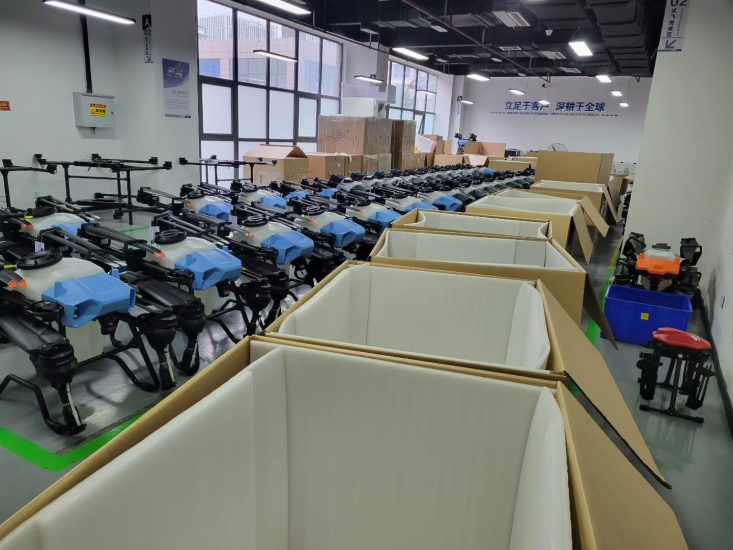
MSOEN focuses on agricultural drone manufacturing and provides agricultural spraying drone solutions for international buyers.
For distributors, agricultural service companies, farms, and OEM/ODM customers, the sourcing process should involve more than selecting a product from a specification table.
MSOEN can discuss requirements such as:
- Agricultural spraying applications
- Drone configuration
- Battery requirements
- Spraying system configuration
- Product branding
- OEM/ODM requirements
- Spare parts
- Export packaging
- Wholesale orders
- International shipping requirements
Buyers can provide their target market, required quantity, crop application, preferred configuration, and customization requirements so that the appropriate 30L agricultural drone configuration can be evaluated.
Frequently Asked Questions
Is a 30L agricultural drone suitable for large farms?
A 30L agricultural drone can be suitable for commercial farms and professional agricultural service operations where higher liquid capacity is useful. Actual productivity depends on application rate, field conditions, battery performance, refill logistics, and operating speed.
How much area can a 30L agricultural drone spray?
There is no universal coverage figure. Coverage depends mainly on application rate, spray width, flight speed, tank capacity, battery duration, and refill time.
How long can a 30L agricultural drone fly?
Flight time depends on battery configuration, payload, weather, flight speed, and operating conditions. Buyers should request flight-time information under realistic spraying loads.
Is a 30L drone better than a 20L agricultural drone?
Not necessarily. A 30L model provides greater liquid capacity, while a smaller model may have advantages in weight, transportation, and maneuverability. The appropriate capacity depends on the operation.
What crops can a 30L agricultural spraying drone be used for?
A properly configured 30L agricultural spraying drone can potentially be used for field crops, orchards, vineyards, vegetables, and other suitable agricultural applications where aerial application is permitted.
What should I check before buying a 30L agricultural drone?
Check payload, maximum takeoff weight, flight time under load, battery system, pump, nozzles, spray width, flow rate, spare parts, warranty, technical support, shipping requirements, and local operating requirements.
Can MSOEN provide OEM or ODM for a 30L agricultural drone?
MSOEN can discuss OEM/ODM requirements according to the buyer’s target market, branding, specifications, packaging, and order requirements. The exact customization options should be confirmed for each project.
Request a 30L Agricultural Drone Quote
Choosing a 30L agricultural spraying drone should be based on your actual crop, operating area, application rate, payload requirements, and target market.
MSOEN provides agricultural drone manufacturing and OEM/ODM solutions for farms, agricultural service companies, distributors, and international buyers.
If you are sourcing a 30L agricultural spraying drone, contact MSOEN with your required quantity, destination market, battery requirements, spraying application, and customization needs.
Request a 30L agricultural drone quotation from MSOEN and discuss the configuration that fits your project.


No comments yet