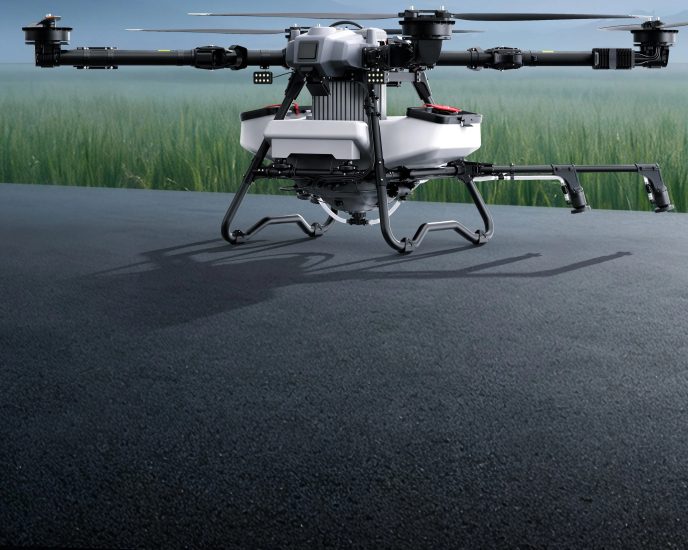


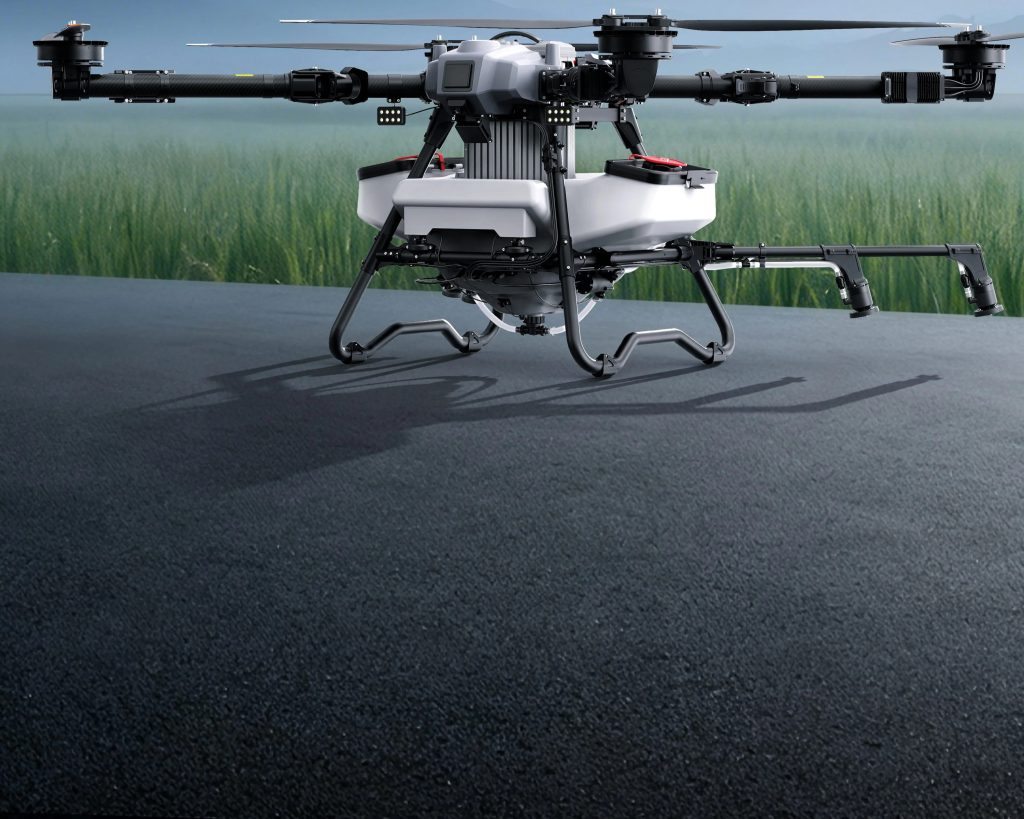
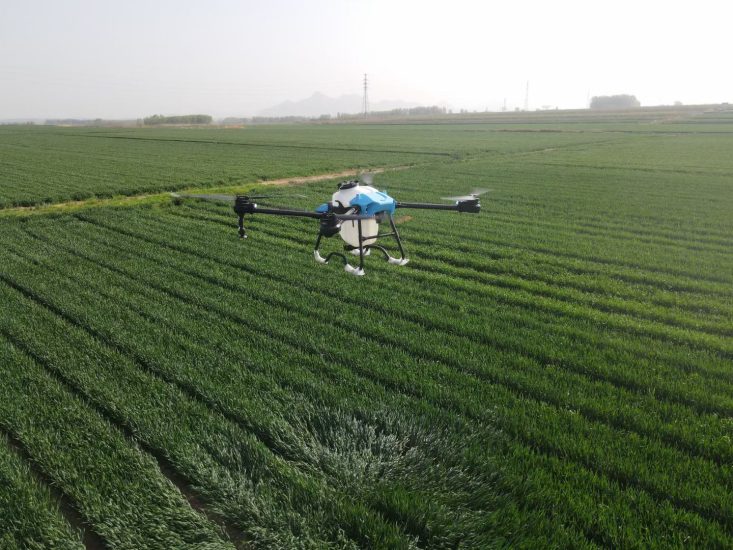
Agricultural spraying is becoming increasingly demanding for modern farms. Large fields, orchards, plantations, and specialty crops often require timely and consistent application of pesticides, fertilizers, and other agricultural liquids. A professional agricultural spraying drone can help farmers cover difficult terrain, reduce manual spraying work, and improve operational efficiency.
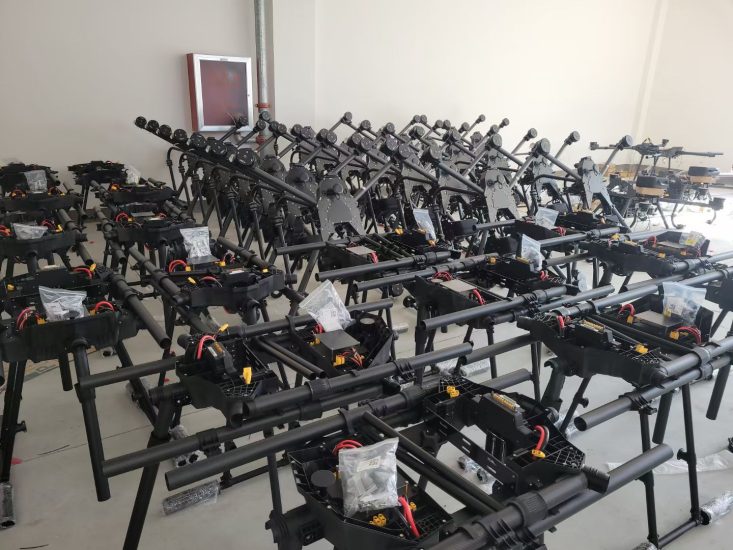
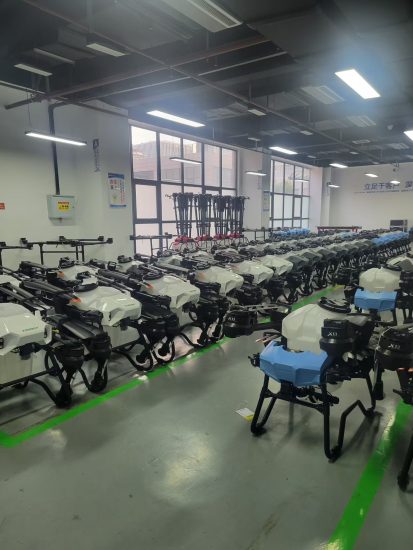
MSOEN focuses on the development and manufacturing of agricultural drones designed for professional crop spraying applications. Our goal is to provide practical drone solutions for farms, agricultural service companies, distributors, and customers looking for reliable spraying equipment.
Designed for Professional Agricultural Applications
Agricultural spraying drones are different from consumer camera drones. They need to carry liquid payloads, maintain stable flight at low altitude, provide consistent spraying, and operate efficiently in demanding agricultural environments.
A professional spraying drone typically combines several important systems:
– High-capacity liquid tank
– Agricultural spraying pumps
– Spray nozzles
– Flight control system
– Obstacle sensing technology
– Intelligent route planning
– Rechargeable high-capacity batteries
– Remote control system
– Flow-rate control
The combination of these systems allows operators to plan spraying routes and maintain more consistent application across the target area.
Why Use an Agricultural Spraying Drone?
Traditional backpack or tractor-based spraying can be effective, but it may not be suitable for every farm. Wet fields, steep terrain, narrow planting rows, and crops with limited vehicle access can make conventional equipment difficult to use.
An agricultural drone can operate above the crop without requiring heavy machinery to drive through the field.
This can provide several practical advantages.
Reduced Manual Labor
Manual spraying requires workers to carry equipment and repeatedly walk through agricultural areas. For large farms, this can require considerable labor.
A spraying drone can automate much of the flight operation, allowing fewer operators to cover larger areas.
Better Access to Difficult Areas
Drones can be useful in locations where tractors and other agricultural machinery cannot easily operate, including:
– Rice fields
– Hillside farms
– Orchards
– Vineyards
– Narrow crop rows
– Wet agricultural land
– Areas with soft soil
More Efficient Crop Protection
A drone can follow predefined routes and maintain a relatively consistent flight pattern. Depending on the crop, liquid, weather, and operating configuration, this can help operators achieve more controlled spraying.
Actual performance depends on factors such as tank capacity, spray width, flight speed, crop density, weather conditions, and application requirements.
Agricultural Drone Applications
Professional spraying drones can be used across many agricultural applications.
Rice Spraying
Rice fields can be challenging for ground equipment because of standing water and soft soil. Agricultural drones can fly above the crop without driving through the field.
Orchard Spraying
Fruit tree plantations require specialized spraying strategies because trees can have different heights and canopy structures.
Drone configuration and spraying technique should be selected according to tree size, planting density, canopy structure, and local agricultural requirements.
Vineyard Applications
Vineyards often contain narrow rows and uneven terrain. A properly configured agricultural drone can provide an alternative to some ground-based spraying operations.
Field Crops
Agricultural spraying drones can also be used for crops such as:
– Wheat
– Corn
– Cotton
– Soybeans
– Vegetables
– Potatoes
– Other field crops
The appropriate drone size and spraying configuration depend on the farm and application.
Choosing the Right Agricultural Spraying Drone
The largest drone is not necessarily the best choice for every customer.
Before purchasing an agricultural drone, buyers should consider several factors.
1. Tank Capacity
Tank capacity directly affects how much liquid the drone can carry during each operation.
Smaller capacity drones may be suitable for smaller farms or areas where frequent refilling is convenient. Larger-capacity models can be more suitable for commercial agricultural operations where productivity is a major consideration.
2. Spraying System
The spraying system should be evaluated carefully.
Important specifications include:
– Pump performance
– Number and type of nozzles
– Spray width
– Flow-rate control
– Droplet characteristics
– Liquid compatibility
The correct configuration depends on the application rather than simply choosing the highest specification.
3. Flight Time
Battery capacity and flight time affect operational efficiency.
A professional agricultural drone should have a battery system suitable for repeated agricultural operations. Buyers should also consider charging equipment, spare batteries, charging time, and the availability of replacement components.
4. Flight Control
A reliable flight-control system is particularly important for agricultural work.
Route planning, altitude control, positioning, return-to-home functions, obstacle detection, and other flight-assistance features can help operators perform spraying missions more efficiently.
5. After-Sales Support
Agricultural drones are working machines. They may operate frequently during spraying seasons, so technical support and spare parts are important considerations.
Before purchasing, distributors and agricultural operators should confirm:
– Spare parts availability
– Battery replacement options
– Technical documentation
– Operator training
– Warranty terms
– Remote technical support
– Maintenance procedures
Agricultural Drone Manufacturer for Global Buyers
For international buyers, purchasing directly from a manufacturer can provide more flexibility than buying through multiple distribution layers.
A manufacturer can discuss drone specifications, spraying systems, battery configurations, packaging, spare parts, OEM requirements, and export arrangements directly with the buyer.
For distributors, agricultural equipment dealers, and project buyers, OEM cooperation can also allow products to be configured according to different market requirements.
However, agricultural drone regulations vary between countries. Importers should check local requirements regarding drone registration, radio equipment, agricultural chemical application, pilot operation, and commercial use before placing an order.
OEM and Distribution Cooperation
MSOEN can be positioned as a manufacturing partner for businesses looking to develop or expand their agricultural drone product range.
Potential cooperation models can include:
– Agricultural drone distribution
– OEM projects
– Agricultural equipment dealerships
– Farm technology projects
– Regional agricultural drone sales
– Customized product configurations
For larger projects, buyers should provide information about the target crops, farm size, operating environment, expected spraying requirements, and destination country. This allows the manufacturer to recommend a more appropriate configuration.
What Should You Ask an Agricultural Drone Manufacturer?
Before purchasing, it is useful to ask the manufacturer for complete technical information rather than comparing products only by price.
Important questions include:
1. What is the drone’s liquid tank capacity?
2. What is the recommended spraying width?
3. What is the typical flight time under spraying conditions?
4. What type of pump and nozzles are used?
5. How is the spraying flow controlled?
6. What battery system does the drone use?
7. How long does battery charging take?
8. Are spare batteries available?
9. What spare parts are available?
10. What training and technical support are provided?
11. What countries can the manufacturer export to?
12. What documentation is available for international buyers?
These questions can help buyers compare different agricultural drone manufacturers more objectively.
Why Choose a Professional Manufacturer?
Agricultural drones are not simply flying machines. They combine aviation technology, battery systems, agricultural spraying equipment, software, and field-operation requirements.
For professional users, the manufacturer should understand how these systems work together.
A suitable agricultural drone should provide a balance between payload capacity, flight performance, spraying efficiency, battery endurance, durability, ease of operation, and maintenance.
The right solution also depends on the customer’s actual agricultural environment.
Conclusion
Agricultural spraying drones are becoming an important tool for modern crop management. They can help reduce manual spraying work, improve access to difficult agricultural areas, and provide a flexible solution for farms and agricultural service providers.
As an agricultural drone manufacturer, MSOEN focuses on practical spraying solutions for different crops and farming environments.
If you are looking for an agricultural spraying drone for your farm, distribution business, or agricultural project, the best starting point is to define your crop type, farm size, spraying requirements, and destination market. From there, the appropriate drone capacity and configuration can be selected based on your actual operating needs.
THE END


No comments yet