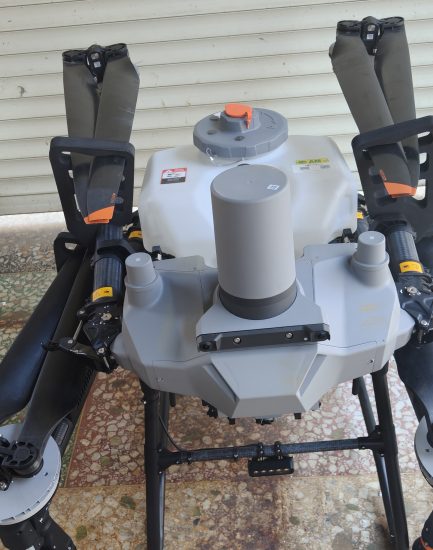




Agricultural spraying drones have become one of the fastest-growing technologies in modern farming. They improve spraying accuracy, reduce labor costs, minimize chemical waste, and help farmers increase productivity. As adoption continues to grow worldwide, one of the first questions buyers ask is:
How much does an agricultural spraying drone cost?
The answer depends on several factors, including payload capacity, flight control technology, battery system, intelligent features, certifications, customization requirements, and after-sales support.
This guide explains the main cost factors, typical price ranges, and how to choose the right agricultural drone for your business.
What Determines the Price of an Agricultural Spraying Drone?
The selling price is influenced by much more than the size of the spray tank. Buyers should evaluate the complete system rather than comparing prices alone.
Key pricing factors include:
-
Payload capacity
-
Airframe material
-
Flight controller
-
Radar and obstacle avoidance
-
GPS positioning system
-
Intelligent battery system
-
Charging equipment
-
Spray pump and nozzles
-
Software functions
-
Production quality
-
Certifications
-
Warranty and technical support
A lower-priced drone may have fewer features or require more maintenance over time.
Typical Price Ranges
Although prices vary by manufacturer and configuration, the following ranges are commonly seen in the international market.
Drone Type |
Typical Price Range (USD) |
|---|---|
10L–20L Agricultural Drone |
$2,500–$5,000 |
30L Agricultural Drone |
$4,500–$8,000 |
40L–50L Agricultural Drone |
$7,000–$12,000 |
60L+ Professional Models |
$10,000–$18,000+ |
Actual quotations may vary depending on accessories, battery quantity, software options, and shipping terms.
Hidden Costs Buyers Should Consider
The drone itself is only part of the investment. Before placing an order, calculate the total cost of ownership.
Additional costs may include:
-
Intelligent batteries
-
Fast chargers
-
Extra propellers
-
Spare pumps
-
Spray nozzles
-
Flight training
-
Shipping charges
-
Import duties and taxes
-
Maintenance tools
-
Software upgrades
Planning for these expenses helps avoid unexpected costs after delivery.
Battery Systems Affect Overall Cost
Battery technology plays a major role in both purchase price and daily operating efficiency.
When evaluating a supplier, ask about:
-
Battery capacity
-
Charging time
-
Cycle life
-
Battery management system (BMS)
-
Fast charging capability
-
Safety certifications
High-quality intelligent batteries usually cost more but reduce downtime and increase productivity.
Choosing the Right Payload
Buying the largest drone is not always the best decision.
20L Models
Recommended for:
-
Orchards
-
Tea plantations
-
Vegetable farms
-
Small family farms
30L Models
Suitable for:
-
Rice
-
Wheat
-
Corn
-
Cotton
-
Medium-sized commercial farms
50L Models
Best for:
-
Large agricultural enterprises
-
Professional spraying contractors
-
Government projects
-
Agricultural cooperatives
Choosing the correct payload helps maximize return on investment.
Why Cheap Drones May Cost More
Many first-time buyers focus only on the purchase price.
However, low-cost products may result in:
-
Poor flight stability
-
Lower spraying accuracy
-
Frequent repairs
-
Limited spare parts
-
Short battery life
-
Weak technical support
A reliable drone with better engineering often delivers lower operating costs over several years.
OEM and Private Label Pricing
Many distributors and importers prefer to sell agricultural drones under their own brand.
OEM services may include:
-
Custom logos
-
Product color customization
-
Packaging design
-
User manuals
-
Software branding
-
Marketing materials
Customization costs depend on order quantity and project requirements but can significantly strengthen your market presence.
Certifications and Compliance
If you plan to import agricultural drones, check whether the manufacturer can provide relevant certifications.
These may include:
-
CE
-
FCC
-
RoHS
-
ISO quality management
-
Battery transport documentation
Compliance helps simplify customs clearance and supports legal market entry.
Questions to Ask Before Requesting a Quote
To receive an accurate quotation, prepare the following information:
-
Target country
-
Required payload capacity
-
Estimated order quantity
-
OEM or standard model
-
Battery quantity
-
Charger requirements
-
Preferred shipping method
-
Certification requirements
-
Expected delivery schedule
Providing complete details allows manufacturers to recommend the most suitable solution.
Tips for Comparing Suppliers
When reviewing quotations, compare more than just the final price.
Evaluate:
-
Product quality
-
Manufacturing experience
-
Research and development capability
-
Software functions
-
Battery performance
-
Spare parts availability
-
Warranty terms
-
Technical support
-
Production lead time
The supplier offering the lowest price may not provide the best long-term value.
How to Maximize Your Investment
To improve return on investment:
-
Select the correct payload for your crops
-
Purchase sufficient batteries for continuous operation
-
Schedule regular maintenance
-
Keep essential spare parts in stock
-
Train operators properly
-
Work with a manufacturer offering long-term software updates and technical support
These steps help reduce downtime and extend equipment life.
Conclusion
The cost of an agricultural spraying drone depends on many factors, including payload capacity, intelligent features, battery technology, customization, and after-sales service. Rather than focusing only on the purchase price, buyers should evaluate the complete ownership cost and the long-term value offered by the manufacturer.
Choosing a reliable supplier with proven production experience, quality control, responsive technical support, and flexible OEM services can help your business reduce operating costs, improve customer satisfaction, and build a stronger position in the growing precision agriculture market.
If you are planning to import agricultural spraying drones, prepare your project requirements in advance and request a detailed quotation that includes recommended configurations, accessories, warranty terms, and shipping options. A clear discussion at the beginning of the project will help ensure a smooth purchasing experience and long-term business success.
Frequently Asked Questions
How much does a commercial agricultural spraying drone cost?
Commercial models generally range from USD 2,500 to over USD 18,000, depending on payload capacity, configuration, batteries, software features, and included accessories.
What is included in a standard drone package?
A standard package typically includes the aircraft, remote controller, charger, and basic accessories. Batteries, extra chargers, and spare parts may be quoted separately depending on the supplier.
Is OEM customization expensive?
OEM pricing depends on customization requirements and order volume. Logo printing and packaging changes are usually straightforward, while software customization may require additional development.
Should I buy based on the lowest price?
Not necessarily. Product reliability, technical support, spare parts availability, and warranty coverage are often more important than the initial purchase price.
How can I get an accurate quotation?
Provide information about your target market, required payload, estimated quantity, customization needs, certification requirements, and preferred shipping method. This enables the manufacturer to recommend the most suitable solution and prepare a detailed quotation.
THE END


No comments yet