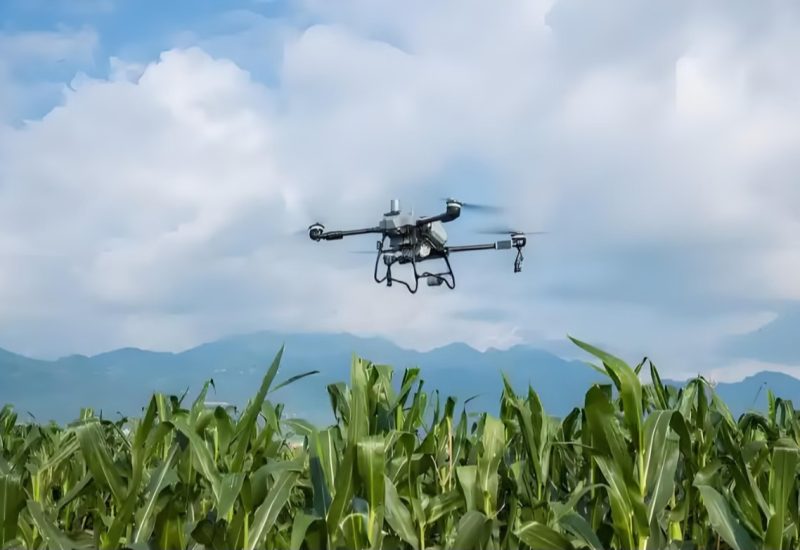



Buying an agricultural spraying drone is a significant investment for farmers, agricultural contractors, crop protection companies, importers, and distributors. A drone may look impressive in photographs and have attractive specifications, but that does not necessarily mean it is the right solution for your operation.
Before placing an order, buyers should evaluate the complete system, including payload capacity, battery performance, spraying technology, flight control, navigation, safety, spare parts, warranty, technical support, supplier reliability, and local regulations.
This guide provides a practical checklist for evaluating an agricultural spraying drone before making a purchasing decision.
1. Define Your Application First
Before comparing drone models, determine exactly what you want the drone to do.
Consider:
-
Crop type
-
Total farming area
-
Field size
-
Field layout
-
Terrain
-
Spraying frequency
-
Required application rate
-
Daily working area
-
Weather conditions
-
Operator experience
A drone designed for large open rice fields may not be the best option for orchards or mountainous farmland.
The right equipment should be selected based on the application rather than simply choosing the most powerful model.
2. Check the Payload Capacity
Payload capacity is one of the first specifications buyers should review.
Agricultural spraying drones are available in different configurations, such as:
-
10L
-
16L
-
20L
-
30L
-
40L
-
Other commercial capacities
A larger tank can reduce refill frequency, but it can also increase the total operating weight.
When comparing capacity, ask:
-
Is the stated capacity the actual usable tank capacity?
-
What is the maximum takeoff weight?
-
What is the flight time with a full payload?
-
What battery is used at maximum payload?
-
How does performance change as the tank becomes empty?
The answer to these questions is more useful than looking at the tank size alone.
3. Check Real Flight Time
Manufacturers may publish a maximum flight time under specific test conditions.
Actual operating time can be affected by:
-
Payload
-
Battery condition
-
Wind
-
Temperature
-
Flight speed
-
Terrain
-
Flight altitude
-
Spraying operation
Therefore, ask:
What is the typical flight time with a full spraying payload?
This provides a much more realistic basis for comparison.
4. Evaluate the Battery System
The battery is one of the most important components of an agricultural drone.
Check:
-
Battery voltage
-
Battery capacity
-
Battery weight
-
Battery cycle life
-
Charging time
-
Charging temperature
-
Battery management system
-
Safety protection
-
Replacement cost
-
Availability
For commercial operations, one battery may not be enough.
Ask the manufacturer how many batteries are recommended for continuous operation.
Also ask whether replacement batteries can be purchased separately.
5. Check the Charger
The charger directly affects daily operating efficiency.
Important questions include:
-
How many batteries can be charged simultaneously?
-
How long does charging take?
-
What input power is required?
-
Is fast charging supported?
-
Is the charger suitable for the electrical system in your country?
-
What safety protections are included?
A high-capacity drone with a slow or inconvenient charging system may create unnecessary downtime.
6. Examine the Spraying System
The spraying system determines how the agricultural liquid is distributed.
Check:
-
Pump type
-
Flow rate
-
Number of nozzles
-
Nozzle type
-
Filters
-
Spray pipes
-
Flow control
-
Pressure control
-
Automatic spraying functions
Ask whether the system supports adjustable application rates.
This is particularly important if the drone will be used for multiple crops or different agricultural applications.
7. Check Spraying Width
Spraying width can affect operational productivity.
A wider effective spraying width can potentially reduce the number of flight passes.
However, the actual result depends on:
-
Nozzle configuration
-
Droplet characteristics
-
Flight height
-
Wind
-
Flight speed
-
Crop type
-
Application rate
Don’t rely only on the maximum spraying width advertised by the supplier.
Ask for recommended operating conditions and realistic application information.
8. Ask About Droplet and Application Control
Different agricultural applications may require different spraying parameters.
Ask whether the drone allows operators to control:
-
Flow rate
-
Application rate
-
Spray intensity
-
Flight speed
-
Flight altitude
-
Route spacing
Good control over these parameters can help operators adapt the equipment to different crops and applications.
Always follow the instructions and legal requirements applicable to the agricultural products being applied.
9. Evaluate Navigation Technology
Navigation technology affects flight accuracy and operational convenience.
Depending on the model, the drone may support:
-
GNSS
-
RTK
-
Automatic route planning
-
Position hold
-
Return-to-home
-
Terrain following
-
Waypoint navigation
If accurate repeatable flight paths are important to your operation, ask the manufacturer about positioning accuracy and recommended operating conditions.
10. Check Obstacle Avoidance
Obstacle avoidance can be particularly useful in complex agricultural environments.
Potential obstacles include:
-
Trees
-
Power lines
-
Buildings
-
Poles
-
Other structures
Ask:
-
What sensors are used?
-
What directions can the system detect?
-
What is the effective detection range?
-
Does obstacle avoidance work during autonomous missions?
-
What happens if the sensor detects an obstacle?
Do not assume that “obstacle avoidance” means the drone can automatically avoid every possible obstacle.
Operators still need to maintain safe flight practices.
11. Check Wind Resistance
Wind can affect both flight stability and spraying performance.
Ask the manufacturer for:
-
Recommended operating wind speed
-
Maximum tested wind conditions
-
Payload limitations in windy conditions
-
Stability information
Strong wind can also increase spray drift.
Therefore, drone operators need to consider both flight safety and agricultural application requirements.
12. Check the Remote Controller
The remote controller is an important part of the operating system.
Evaluate:
-
Screen size
-
Control range
-
Battery life
-
Interface
-
Map display
-
Mission planning
-
Signal stability
-
Ease of operation
-
Software language
For international distributors, multilingual support can be useful.
A complicated controller can increase operator training time.
13. Evaluate the Software
Modern agricultural drones often depend heavily on software.
Check whether the software supports:
-
Route planning
-
Field mapping
-
Automatic missions
-
Flight records
-
Spraying settings
-
Battery information
-
Device status
-
Alerts
-
Firmware updates
Ask whether the software is regularly updated.
Also check whether the software works reliably in your target country and whether local-language support is available.
14. Check the Maximum Working Area
Manufacturers may advertise daily working-area figures.
However, buyers should ask how the figure was calculated.
For example:
-
Was it measured in ideal weather?
-
Was refill time included?
-
Was battery replacement included?
-
What application rate was used?
-
What field size was used?
-
Was the field flat?
-
Was transportation time included?
A theoretical coverage figure is not the same as actual daily productivity.
Ask for realistic examples based on your specific application.
15. Consider Refill Time
Refilling can become a major part of the operating cycle.
Calculate:
Flight → Return → Refill → Battery Replacement → Takeoff
If the refill process is slow, the advantage of a larger tank may be reduced.
Ask about:
-
Tank filling method
-
Refill time
-
Recommended water supply
-
Mixing process
-
Field logistics
For professional operations, an efficient refill station can be just as important as the drone itself.
16. Check the Drone’s Build Quality
Inspect the physical construction.
Look at:
-
Frame
-
Arms
-
Landing gear
-
Tank
-
Spray pipes
-
Motor mounts
-
Propellers
-
Connectors
-
Wiring
-
Battery compartment
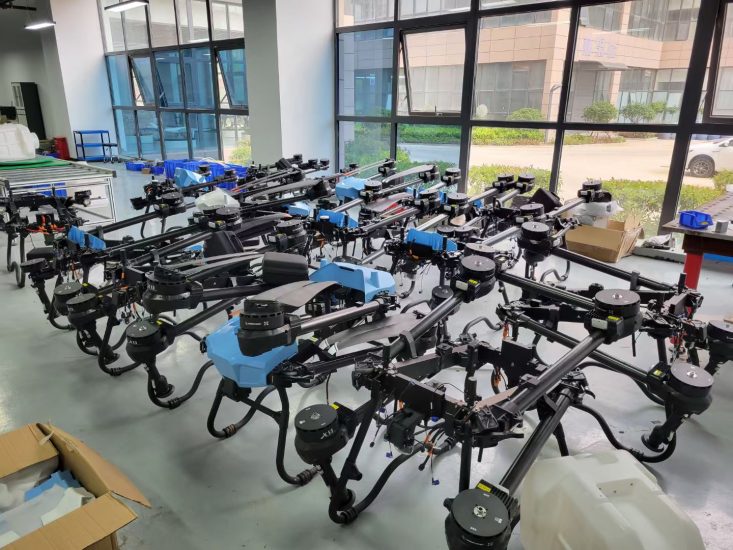
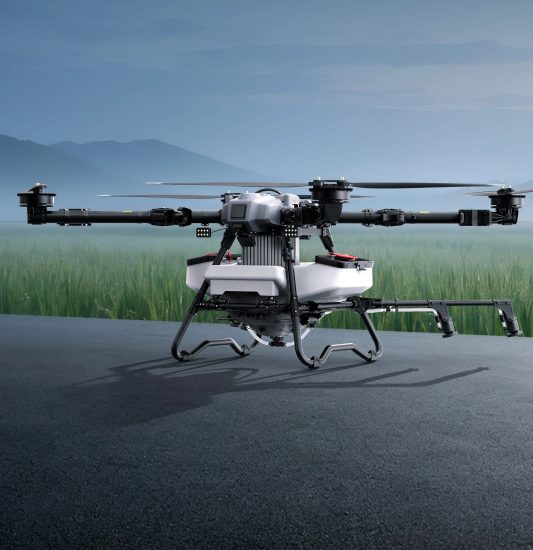
If possible, request detailed photographs or a product sample.
For commercial users, durable construction can reduce maintenance and downtime.
17. Ask About Waterproof and Environmental Protection
Agricultural drones may operate in humid and demanding environments.
Ask the manufacturer about relevant environmental protection for:
-
Motors
-
Electronic components
-
Battery compartment
-
Flight controller
-
Pumps
-
Connectors
Don’t assume that a product described as “waterproof” can operate safely under every type of rain or water exposure.
Ask the manufacturer for specific operating limitations.
18. Check Maintenance Requirements
Before purchasing, ask:
-
How often should motors be inspected?
-
How often should filters be cleaned?
-
How should pumps be maintained?
-
How should batteries be stored?
-
Which components require regular replacement?
-
Which parts can the operator replace?
Simple maintenance procedures can reduce downtime.
A manufacturer should be able to provide a maintenance schedule or operating guide.
19. Check Spare Parts Availability
Spare parts are essential for professional operations.
Ask whether the manufacturer can supply:
-
Propellers
-
Motors
-
Pumps
-
Nozzles
-
Filters
-
Batteries
-
Chargers
-
Landing gear
-
Controllers
-
Electronic components
Also ask:
How long does it normally take to supply replacement parts?
For international customers, long spare-parts lead times can create significant downtime.
20. Evaluate the Manufacturer, Not Just the Drone
The supplier behind the product is extremely important.
Check:
-
Factory capability
-
R&D team
-
Production experience
-
Quality control
-
Export experience
-
Product documentation
-
Customer support
-
Warranty
-
Spare-parts supply
A technically strong product can still become difficult to operate if the manufacturer provides poor after-sales support.
21. Verify Product Testing
Ask the manufacturer how each drone is tested before shipment.
Testing may include:
-
Motor testing
-
Battery testing
-
Flight testing
-
Spraying testing
-
Communication testing
-
Navigation testing
-
Software testing
-
Final inspection
For large orders, consider an independent pre-shipment inspection.
22. Check Certifications and Local Compliance
Drone regulations vary between countries.
Before purchasing, determine whether the equipment must meet requirements related to:
-
Drone registration
-
Radio equipment
-
Product certification
-
Battery transportation
-
Importation
-
Pilot licensing
-
Commercial operations
The manufacturer can provide available documentation, but buyers should confirm the rules applicable in their own country.
23. Check Agricultural Application Regulations
The drone itself may be legal to import while its intended agricultural use may have additional requirements.
Depending on the destination country, there may be rules concerning:
-
Pesticide application
-
Fertilizer application
-
Operator training
-
Environmental protection
-
Approved agricultural products
-
Application rates
Always check local regulations before commercial operation.
24. Ask About OEM and ODM
If you are a distributor, ask whether the manufacturer provides:
-
Logo customization
-
Packaging customization
-
Manuals
-
Product labels
-
Accessories
-
Product configuration
-
OEM
-
ODM
Also ask about:
-
MOQ
-
Sample cost
-
Development fees
-
Production lead time
This is particularly important if you plan to build your own agricultural drone brand.
25. Check Warranty Terms
Before paying, obtain the warranty policy in writing.
Check:
-
Warranty period
-
Covered components
-
Battery warranty
-
Motor warranty
-
Controller warranty
-
Repair procedure
-
Replacement procedure
-
Shipping responsibility
-
Warranty exclusions
Clear warranty terms can prevent disputes later.
26. Evaluate Technical Support
International buyers should ask what support is available after delivery.
Possible support includes:
-
User manuals
-
Training videos
-
Online training
-
Remote troubleshooting
-
Software updates
-
Spare-parts support
-
Technical consultation
If you are a distributor, ask whether the manufacturer can train your local technical team.
27. Request a Complete Quotation
A professional quotation should clearly identify:
-
Drone model
-
Payload capacity
-
Battery quantity
-
Charger
-
Remote controller
-
Spraying system
-
Accessories
-
Spare parts
-
Packaging
-
Warranty
-
OEM costs
-
Shipping terms
-
Production lead time
Avoid comparing suppliers based only on a single unit price.
28. Calculate the Total Cost of Ownership
The real cost includes more than the purchase price.
Consider:
Purchase Price + Batteries + Charger + Spare Parts + Shipping + Customs + Taxes + Maintenance + Training
A slightly more expensive drone may provide better long-term value if it offers:
-
Better reliability
-
Longer battery life
-
Easier maintenance
-
Better technical support
-
Faster spare-parts supply
The cheapest quotation is not always the most economical solution.
29. Test Before Buying in Bulk
For first-time buyers, a sample order can significantly reduce purchasing risk.
Use the sample to evaluate:
-
Flight performance
-
Spraying performance
-
Battery performance
-
Software
-
Controller
-
Build quality
-
Packaging
-
Technical support
If the product meets your requirements, move forward with larger orders.
30. Agricultural Drone Pre-Purchase Checklist
Category |
What to Check |
|---|---|
Payload |
Tank capacity |
Flight |
Realistic flight time |
Battery |
Capacity and cycle life |
Charger |
Charging speed |
Spraying |
Pump and nozzle system |
Coverage |
Effective spraying width |
Navigation |
GNSS / RTK |
Safety |
Obstacle detection and return-to-home |
Software |
Route planning and updates |
Structure |
Frame and component quality |
Maintenance |
Routine service requirements |
Spare parts |
Availability and delivery |
Manufacturer |
Factory and R&D capability |
Certification |
Destination requirements |
Warranty |
Coverage |
Support |
Technical assistance |
OEM |
Customization options |
Price |
Complete landed cost |
Shipping |
Suitable transportation method |
Testing |
Sample or pre-shipment inspection |
FAQ
What is the most important thing to check before buying an agricultural drone?
Start with the application requirements. Then evaluate payload, flight time, battery system, spraying performance, navigation, safety, reliability, spare parts, warranty, and technical support.
Is the largest agricultural drone always the best?
No. The correct size depends on your field conditions, crop type, application rate, transportation, battery system, and daily working area.
How can I verify an agricultural drone manufacturer?
Request company information, factory evidence, product specifications, testing information, warranty terms, and spare-parts details. For larger orders, consider a factory audit or third-party inspection.
Should I test an agricultural drone before buying in bulk?
For a new supplier, testing a sample is highly recommended. It allows you to evaluate actual product performance before making a larger investment.
What should I ask about the battery?
Ask about capacity, voltage, flight time under payload, charging time, cycle life, safety protection, replacement cost, and availability.
What should I ask about the spraying system?
Ask about pump performance, flow rate, nozzles, filters, application-rate adjustment, spraying width, and compatibility with your intended agricultural applications.
Do I need to check local drone regulations?
Yes. Importation and operation are separate issues. Confirm the applicable drone, radio, agricultural, and operator requirements in your destination country.
Should distributors buy spare parts with the first order?
For commercial distribution, maintaining an initial stock of common spare parts can reduce customer downtime and improve after-sales service.
Final Buying Advice
Before purchasing an agricultural spraying drone, don’t judge the product by photographs, advertised specifications, or price alone.
A professional purchasing process should evaluate:
Application → Payload → Battery → Spraying System → Flight Control → Safety → Software → Quality → Spare Parts → Warranty → Compliance → Technical Support → Total Cost
For farmers, the priority should be reliable operation and practical productivity.
For agricultural contractors, battery management, coverage, refill efficiency, and maintenance are especially important.
For importers and distributors, factory capability, OEM/ODM, spare parts, warranty, documentation, and technical support should receive additional attention.
Most importantly, ask the manufacturer for information that reflects real operating conditions, not only maximum theoretical specifications.
A reliable agricultural drone should be more than a machine that can fly.
It should provide stable spraying performance, reliable flight control, manageable operating costs, accessible spare parts, and long-term technical support for your agricultural business.
THE END


No comments yet