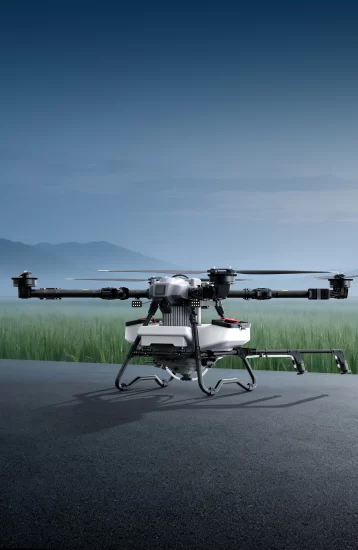


Modern agriculture requires faster, more efficient, and more flexible ways to manage large areas of farmland. Farmers often need to complete spraying operations within a limited time while dealing with difficult terrain, changing weather conditions, labor shortages, and crops that are difficult to access with conventional machinery.
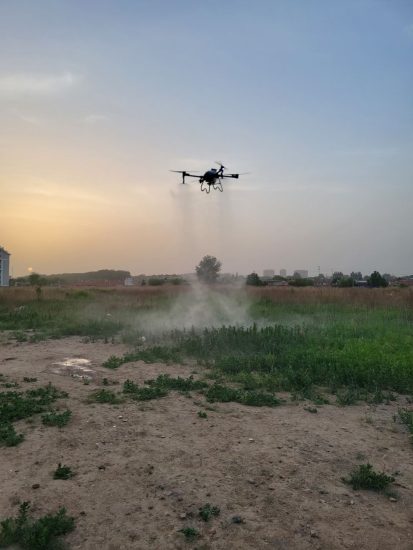
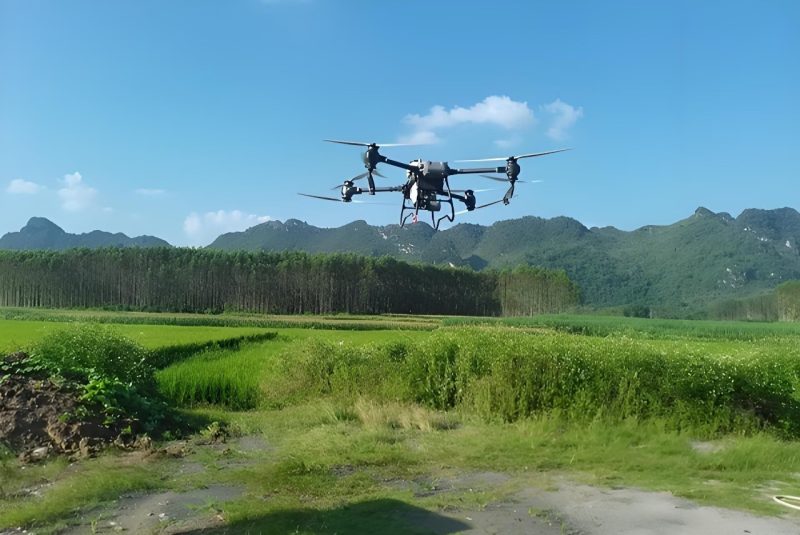
Professional crop spraying drones provide an aerial solution for these challenges. Instead of sending workers or heavy machinery directly into the field, an agricultural drone can carry liquid and distribute it over crops according to a planned flight route.
MSOEN develops agricultural spraying drones for farms, agricultural service providers, distributors, and other professional users looking for practical crop-spraying equipment.
What Is a Crop Spraying Drone?
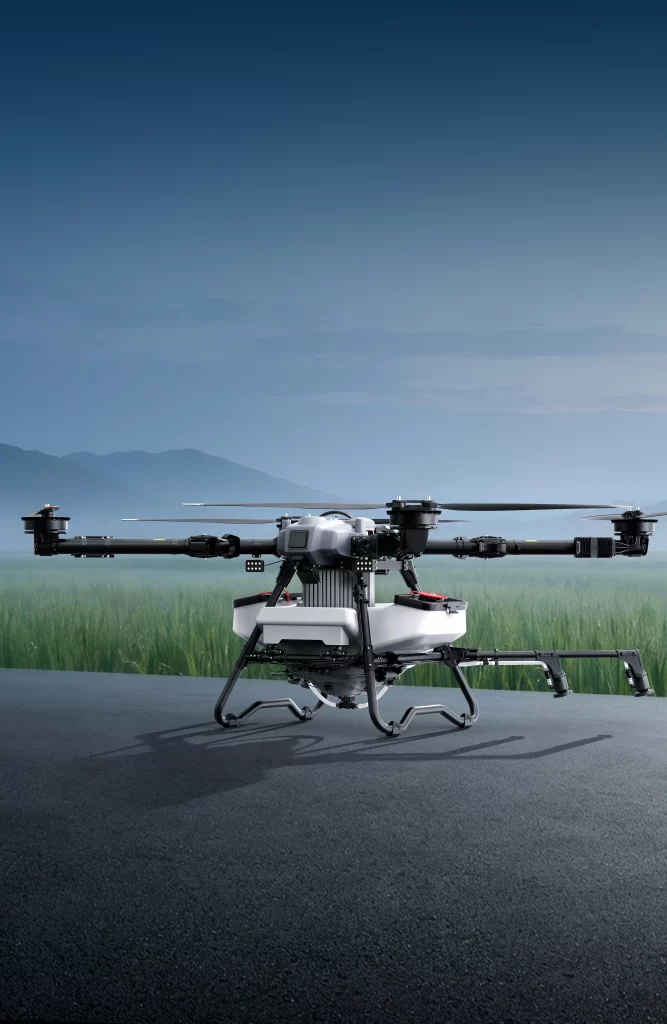
A crop spraying drone is an unmanned aerial vehicle specifically designed to carry and spray agricultural liquids.
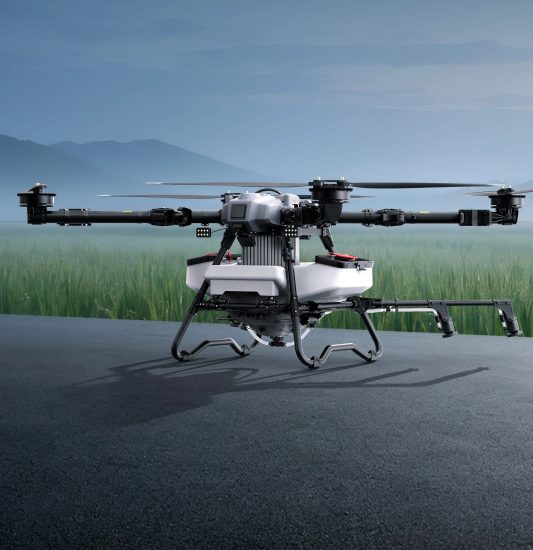
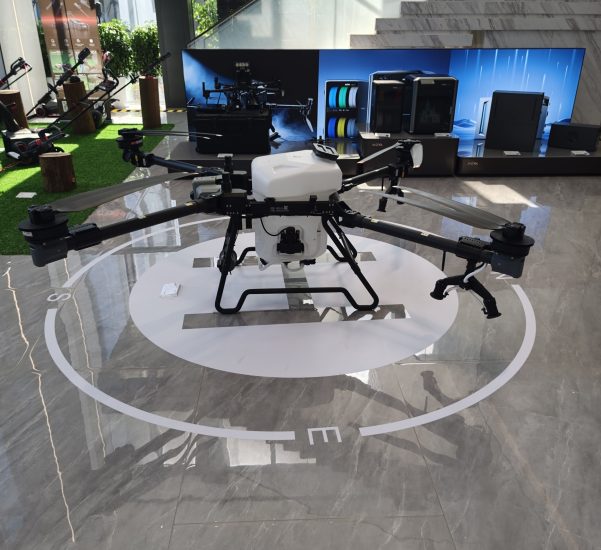
Unlike ordinary camera drones, agricultural spraying drones are built around several key systems:
-
Liquid storage tank
-
Agricultural pump
-
Spray nozzles
-
Flight-control system
-
Positioning system
-
Rechargeable battery
-
Remote controller
-
Route-planning software
-
Obstacle detection system
-
Spraying flow-control system
These components work together to allow operators to perform aerial spraying missions.
The exact configuration depends on the crop, application, farm size, terrain, and required operating capacity.
Why Are Farms Using Spraying Drones?
The main reason farmers consider agricultural drones is operational efficiency.
Traditional spraying methods can require tractors, specialized vehicles, or workers carrying spraying equipment. These methods remain useful, but they are not always practical in every agricultural environment.
A spraying drone can provide several advantages.
1. Access to Difficult Terrain
Some agricultural areas are difficult for ground equipment to enter.
Examples include:
-
Wet rice fields
-
Hillside farms
-
Orchards
-
Vineyards
-
Narrow planting rows
-
Soft or muddy soil
-
Areas with limited vehicle access
A drone can fly over the crop instead of driving through it.
2. Reduced Crop Damage
Heavy agricultural machinery can sometimes pass directly through crop areas and potentially damage plants.
Because a spraying drone operates from above, it does not need to drive between crop rows.
This can be particularly useful when crops are tall or fields are difficult to navigate.
3. Less Manual Spraying Work
Manual spraying can be physically demanding and time-consuming.
With a drone, the operator controls the aircraft remotely while the spraying system performs the liquid application.
This does not eliminate the need for trained personnel. Operators still need to understand flight safety, spraying conditions, equipment maintenance, and local regulations.
4. Flexible Operation
Agricultural drones can be transported relatively easily between different fields.
For agricultural service companies, this flexibility can be particularly useful because one drone system may be used across multiple farms and locations.
Crop Spraying Applications
Professional spraying drones can be used for different agricultural environments.
Rice
Rice farming is one of the applications where aerial spraying can be particularly practical.
Traditional ground equipment may have difficulty operating in flooded or soft fields. A drone can perform spraying operations without placing wheels directly into the field.
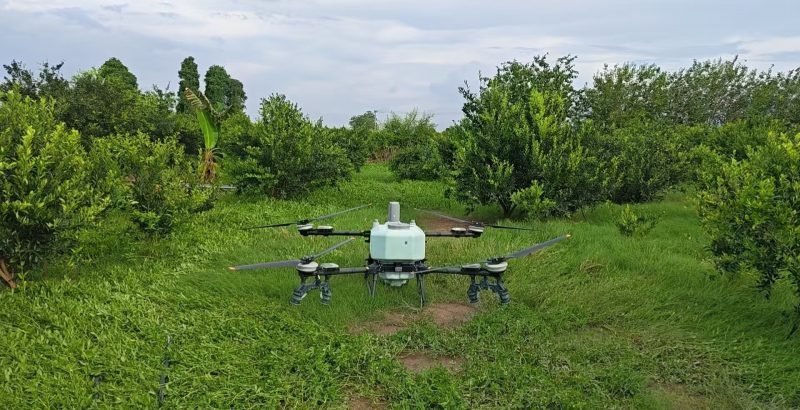
Orchards
Fruit trees require careful consideration of canopy structure and tree height.
For orchard spraying, buyers should consider the drone’s spray system, flight altitude, airflow, nozzle arrangement, and operating method.
Different fruit varieties may require different spraying strategies.
Vineyards
Vineyards often contain narrow rows and uneven terrain.
A drone can fly over vineyard rows and provide an aerial spraying option without requiring a tractor to enter every row.
Field Crops
Agricultural spraying drones may also be used for:
-
Corn
-
Wheat
-
Soybeans
-
Cotton
-
Vegetables
-
Potatoes
-
Citrus
-
Banana plantations
-
Other commercial crops
The suitability of a particular spraying system depends on the crop and agricultural application.
Important Features of a Professional Spraying Drone
When purchasing a crop spraying drone, buyers should look beyond the appearance of the aircraft.
Tank Capacity
Tank capacity determines how much liquid can be carried per flight.
A smaller tank may be suitable for smaller farms or areas with convenient refill locations.
A larger tank can reduce the frequency of refilling during large-scale operations.
However, larger capacity also affects total aircraft weight, battery consumption, and flight characteristics.
Pump System
The pump is responsible for delivering liquid from the tank to the spray nozzles.
A professional agricultural drone should have a spraying system designed to provide stable liquid delivery during operation.
Nozzle System
Nozzles determine how liquid is distributed.
The correct nozzle configuration depends on factors such as:
-
Crop type
-
Target application
-
Desired droplet characteristics
-
Flight altitude
-
Weather conditions
-
Liquid properties
There is no single nozzle configuration that is ideal for every agricultural application.
Flight Control
Stable flight is essential for agricultural spraying.
Modern agricultural drones can include positioning, route planning, altitude control, return-to-home functions, and obstacle detection.
These functions can help operators follow planned routes and reduce unnecessary manual control.
Battery Performance
Battery management is an important part of agricultural drone operations.
Professional users often need several batteries because a single battery may not support continuous operation throughout an entire working period.
When evaluating a drone, consider:
-
Battery capacity
-
Number of batteries
-
Charging time
-
Charging equipment
-
Battery life
-
Replacement cost
-
Battery monitoring system
A complete battery solution can have a significant impact on daily productivity.
How to Select the Right Agricultural Drone
There is no universal agricultural drone that is perfect for every farm.
Before choosing a model, consider the following questions.
What Crops Are You Spraying?
Rice, corn, wheat, fruit trees, and vineyards have different requirements.
How Large Is the Farm?
A small farm may not need the same capacity as a commercial agricultural service company.
What Is the Terrain Like?
Flat farmland, hills, orchards, and wet fields can require different operating strategies.
How Far Is the Refill Point?
If the refill location is far away, tank capacity and logistics become more important.
How Many Hours Will the Drone Operate?
Commercial operators who use drones throughout the day need to consider battery quantity and charging infrastructure.
Where Will the Drone Be Used?
International buyers should also check local regulations concerning drone operation and agricultural chemical application.
Professional Agricultural Drone Manufacturing
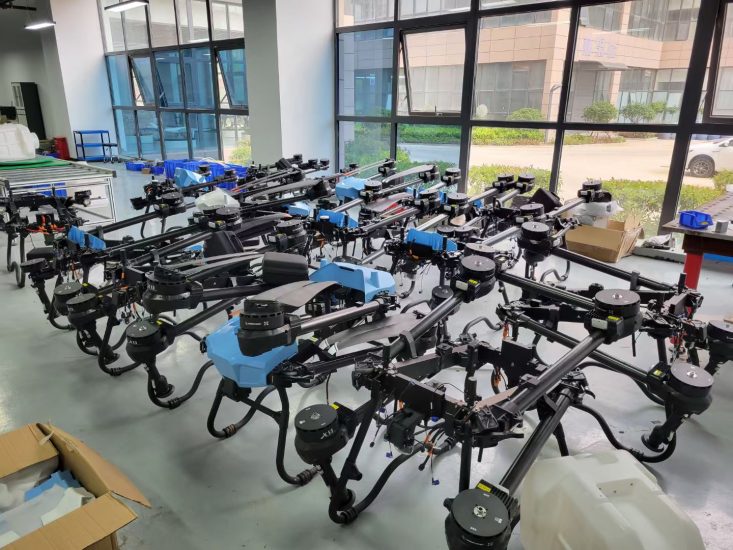
Manufacturing an agricultural drone involves much more than assembling an airframe.
A complete product requires coordination between:
-
Mechanical design
-
Electronics
-
Flight control
-
Battery systems
-
Motors
-
Pump systems
-
Spray equipment
-
Software
-
Remote control
-
Quality testing
For professional agricultural users, reliability across these systems is important.
A manufacturer should also provide clear technical documentation and support for maintenance and replacement components.
Why Work Directly with a Manufacturer?
Buying directly from a manufacturer can be useful for distributors, agricultural equipment companies, and larger commercial buyers.
Direct communication allows buyers to discuss:
-
Product specifications
-
Quantity requirements
-
OEM branding
-
Packaging
-
Spare parts
-
Technical training
-
Destination markets
-
Shipping arrangements
For businesses developing a local agricultural drone distribution network, manufacturer cooperation can also provide more flexibility than purchasing through several intermediaries.
Agricultural Drone OEM Solutions
Some customers need their own brand rather than a standard product.
OEM cooperation may involve customized:
-
Logos
-
Product labels
-
Packaging
-
User manuals
-
Accessories
-
Product configurations
OEM projects should be discussed in detail before production, especially regarding technical specifications, minimum order quantities, testing requirements, and delivery schedules.
What Makes a Good Crop Spraying Drone?
A good agricultural drone should provide a practical balance between several factors.
It should have sufficient payload capacity without becoming unnecessarily heavy. Its spraying system should match the intended application. Its battery system should support the required operating cycle. Its flight-control system should be stable and straightforward for trained operators.
Most importantly, the drone should be suitable for the actual farm environment.
A drone that performs well in a flat rice field may require a different configuration for a hillside orchard.
International Buyers
For buyers importing agricultural drones from China, product selection is only one part of the purchasing process.
The buyer should also consider:
-
Export packaging
-
Battery transportation
-
Shipping method
-
Import documentation
-
Spare parts
-
Local registration
-
Radio requirements
-
Agricultural regulations
-
Operator requirements
Regulations differ significantly between countries, so buyers should confirm the applicable rules in their destination market before operating the equipment commercially.
Frequently Asked Questions
Are crop spraying drones suitable for large farms?
Yes. Larger-capacity agricultural drones can be designed for commercial farming and agricultural service operations. Actual productivity depends on tank capacity, flight time, spray width, refill logistics, terrain, and operating conditions.
Can agricultural drones spray fruit trees?
They can be used for orchard applications, but the drone and spraying configuration should be selected according to tree height, canopy density, row spacing, and the intended agricultural treatment.
How many batteries do I need?
There is no universal number. The requirement depends on daily operating hours, charging speed, flight time, and whether the operator has access to additional charging equipment.
Can I buy agricultural drones directly from China?
International buyers can purchase agricultural drones from Chinese manufacturers, but they should check destination-country import, drone-operation, battery transportation, and agricultural-use requirements before ordering.
Do agricultural drones require professional operators?
Operators should receive appropriate training and follow local regulations. Safe flight operation and responsible handling of agricultural liquids are essential.
Conclusion
Professional crop spraying drones can provide modern farms with a flexible alternative to some traditional spraying methods. They can reduce the need for ground access, improve operational flexibility, and help agricultural teams manage difficult fields.
MSOEN focuses on agricultural spraying drone manufacturing for professional agricultural applications, including field crops, rice, orchards, vineyards, and other farming environments.
For buyers selecting an agricultural drone, the best approach is to start with the actual farming requirement rather than simply choosing the largest or most powerful model. Crop type, farm size, terrain, spraying requirements, battery operation, and local regulations should all be considered before making a purchasing decision.
Article Link:
Professional Crop Spraying Drones for Modern Farms
THE END


No comments yet