



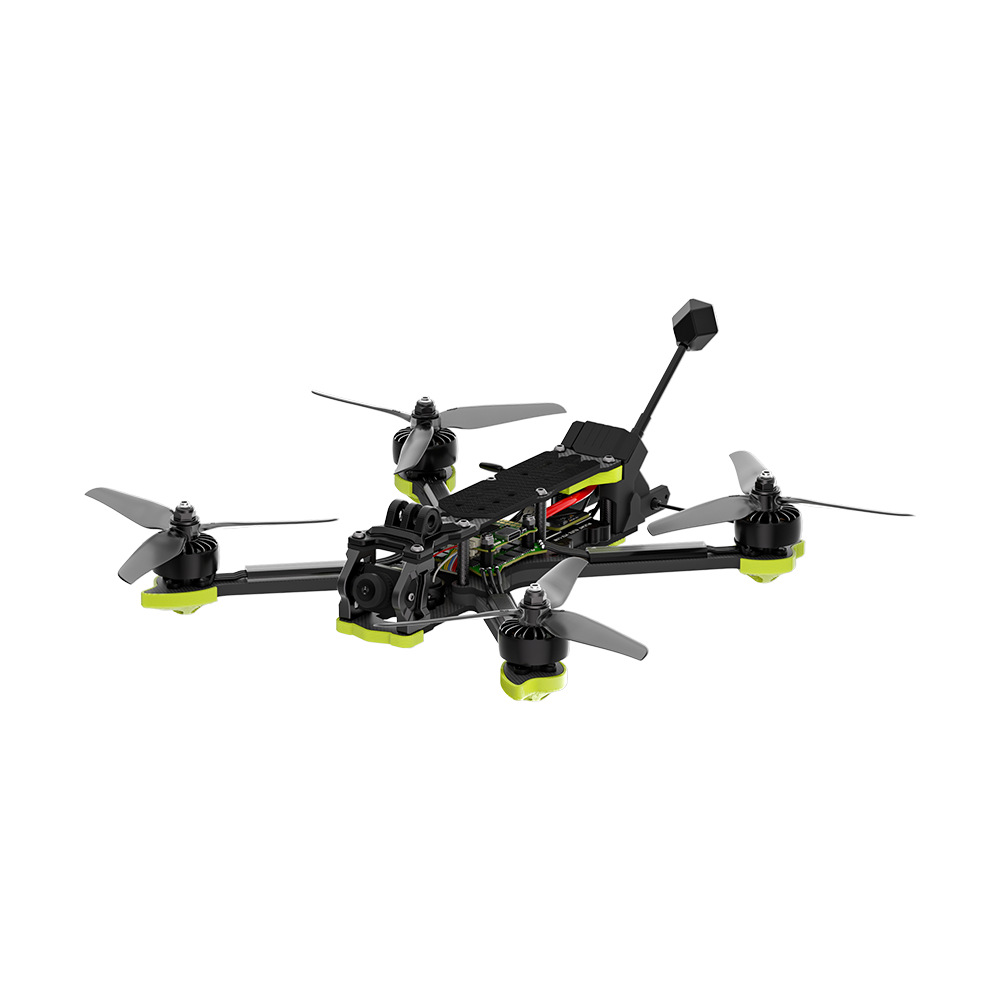


Flying conditions are not always perfect. Rain, humidity, dust, and harsh environments can limit the performance of standard FPV drones. For pilots who need reliability in challenging conditions, a waterproof FPV drone is an essential solution.
Waterproof FPV drones are designed to operate in environments where traditional drones would struggle or fail. Whether used for outdoor exploration, industrial inspection, or filming in unpredictable weather, these drones provide durability and consistent performance.
This article explores the features, benefits, and applications of waterproof FPV drones, helping users understand why they are ideal for harsh environment flying.
What Is a Waterproof FPV Drone?
A waterproof FPV drone is built with protective materials and sealed components to resist water, moisture, and environmental damage.
Key features include:
- Sealed electronic components
- Water-resistant frame design
- Protective coatings on circuits
- Reinforced motor systems
- Corrosion-resistant materials
These features allow the drone to function safely in wet or humid conditions.
Why Waterproofing Matters
Reliable Operation in Rain
Standard FPV drones can malfunction when exposed to water. Waterproof drones are specifically designed to continue operating in light to moderate rain conditions.
Protection Against Moisture
Humidity and condensation can damage internal electronics. Waterproof designs prevent moisture from affecting sensitive components.
Durability in Harsh Environments
Outdoor environments often include dust, mud, and debris. Waterproof drones are typically built with additional protection against these elements.
Extended Equipment Lifespan
By protecting internal components, waterproof drones reduce wear and tear, extending the overall lifespan of the equipment.
Key Features of Waterproof FPV Drones
Sealed Electronics
Critical components such as flight controllers, ESCs, and wiring are protected with sealing techniques to prevent water intrusion.
Waterproof Coating
Special coatings are applied to circuit boards to protect against water and corrosion.
Durable Frame Construction
Frames are made from strong materials designed to withstand both environmental stress and physical impact.
Water-Resistant Motors
Motors are designed to resist water exposure and maintain performance even in damp conditions.
Secure Battery Compartment
The battery area is protected to prevent water from entering and causing damage or short circuits.
Applications of Waterproof FPV Drones
Outdoor Exploration
Pilots exploring forests, mountains, or coastal areas benefit from drones that can handle unpredictable weather conditions.
Industrial Inspection
Industries such as construction, energy, and infrastructure often require inspections in environments where moisture or dust is present.
Search and Rescue Missions
Emergency operations may take place in rain or difficult terrain. Waterproof drones provide reliable performance in these situations.
Filming in Challenging Conditions
Content creators can capture unique footage in rain or near water without worrying about damaging their equipment.
Marine and Coastal Operations
Waterproof FPV drones are suitable for operations near lakes, rivers, and oceans where exposure to water is unavoidable.
Advantages of Waterproof FPV Drones
Waterproof FPV drones offer several important benefits:
- Ability to fly in light rain
- Protection from moisture and humidity
- Increased durability
- Reduced maintenance costs
- Reliable performance in harsh environments
These advantages make them valuable tools for both professional and recreational use.
Tips for Flying in Wet Conditions
Avoid Heavy Rain
Even waterproof drones have limits. It is best to avoid extreme weather conditions.
Check Seals Before Flight
Ensure that all protective seals and compartments are properly secured.
Dry the Drone After Use
After flying in wet conditions, dry the drone thoroughly to maintain performance.
Monitor Battery Safety
Water exposure can affect battery safety, so always check for damage before use.
Perform Regular Maintenance
Inspect components regularly to ensure they remain in good condition.
Challenges of Waterproof FPV Drones
Increased Weight
Additional protective materials may slightly increase the weight of the drone.
Higher Cost
Waterproof designs often involve more complex manufacturing, leading to higher prices.
Maintenance Requirements
Seals and protective coatings may require periodic inspection and maintenance.
Future Trends in Waterproof Drone Technology
The development of waterproof FPV drones is advancing with innovations such as:
- Improved sealing technology
- Lightweight waterproof materials
- Advanced corrosion resistance
- Enhanced durability without added weight
These improvements will make waterproof drones more efficient and accessible.
Conclusion
Waterproof FPV drones provide a reliable solution for flying in rainy and harsh environments. With advanced protection systems and durable construction, they ensure consistent performance where standard drones cannot operate effectively.
For users who need dependable operation in challenging conditions, waterproof FPV drones are an excellent investment. As technology continues to evolve, their capabilities will expand, making them even more versatile in the future.
FAQ
Q1: Can waterproof FPV drones fly in heavy rain?
They can handle light to moderate rain, but heavy rain is not recommended.
Q2: Are waterproof drones fully waterproof?
They are water-resistant and designed to handle exposure, but not all are fully submersible.
Q3: Do waterproof features affect performance?
There may be slight weight increases, but overall performance remains strong.
Q4: Are they suitable for beginners?
Yes, especially for users who want added durability and protection.


No comments yet