

Choosing an agricultural spraying drone is not simply about finding the lowest price. For farms, distributors, and agricultural service providers, the more important questions are whether the drone can handle the required workload, whether the spraying system is suitable for the target crops, and whether reliable technical support and spare parts are available.
MSOEN is an agricultural drone manufacturer in China focused on spraying solutions for modern farming applications. Our product development is centered on practical agricultural operations, including crop spraying, orchard applications, and large-area field operations.
Agricultural Spraying Drones for Commercial Use
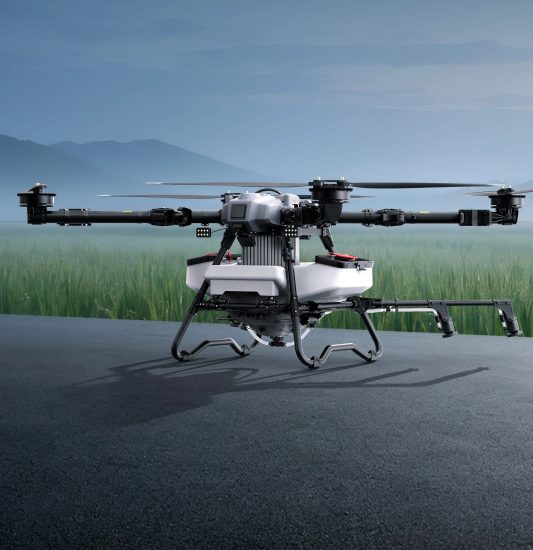
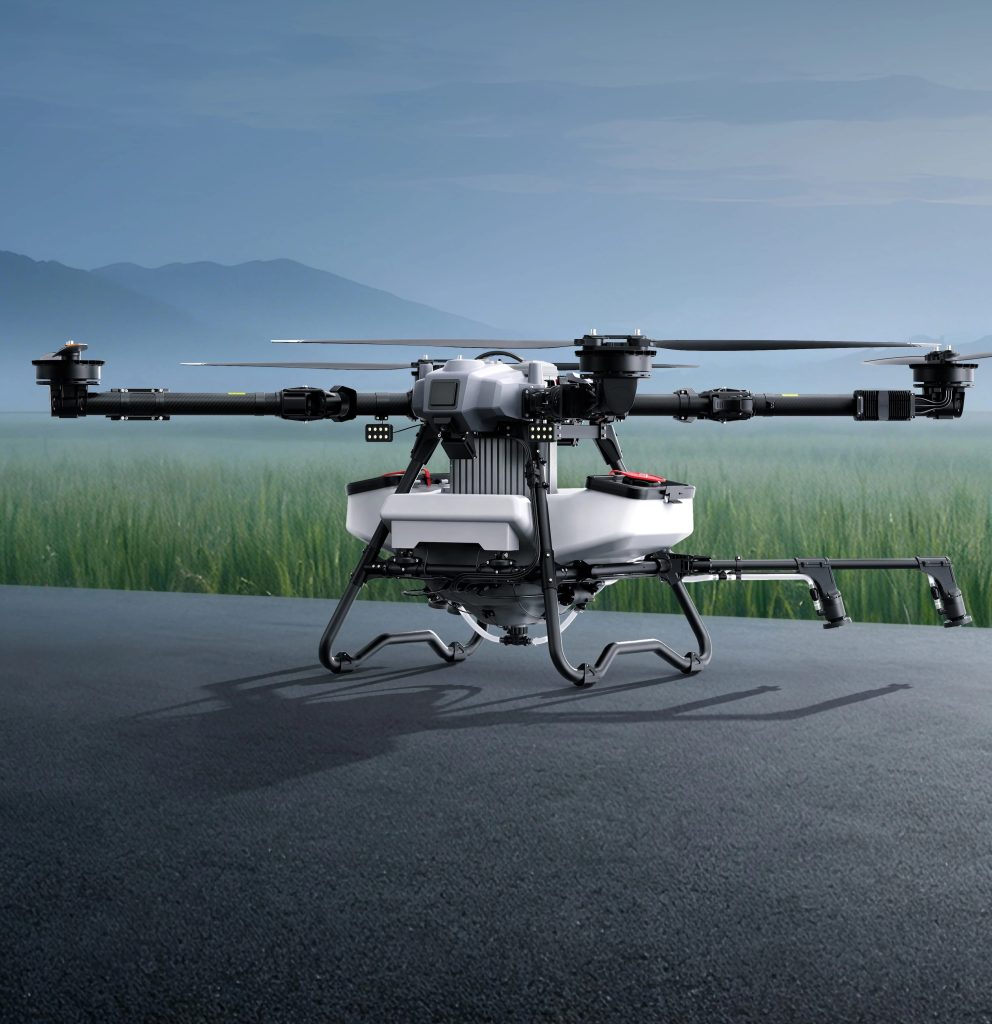
Agricultural spraying drones are designed specifically for carrying and distributing agricultural liquids from the air. Compared with ordinary consumer drones, they require a completely different combination of hardware and control systems.
A professional spraying drone normally includes:
– Liquid tank
– High-performance pump
– Agricultural spray nozzles
– Flight controller
– GPS positioning
– Remote control system
– Rechargeable battery
– Route planning functions
– Obstacle detection and avoidance systems
– Flow control system
The complete system needs to work together reliably during repeated field operations.
Why Buy an Agricultural Drone from a Chinese Manufacturer?
China has a large manufacturing ecosystem covering electronics, motors, batteries, agricultural machinery, precision components, and drone technology. This allows agricultural drone manufacturers to integrate multiple components into complete commercial products.
For international buyers, working directly with a Chinese manufacturer can also make communication about specifications, packaging, spare parts, OEM requirements, and product configurations more straightforward.
However, buyers should evaluate manufacturers based on more than factory pricing.
Important factors include product design, manufacturing consistency, quality control, spare-parts availability, technical documentation, and after-sales support.
Applications of Agricultural Spraying Drones
Agricultural drones can be used for a wide range of crop-protection operations.
Rice Fields
Rice fields can present difficult operating conditions for tractors and other ground equipment. Soft soil and standing water can make ground spraying inefficient.
Aerial spraying allows the drone to operate without driving directly through the field.
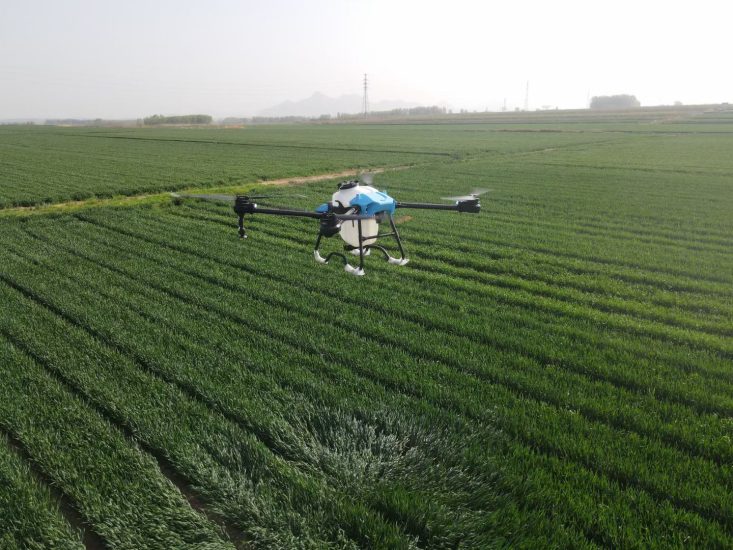
Corn and Wheat
Large field crops require efficient coverage, particularly when farmers need to complete agricultural operations within a limited weather window.
Spraying drones can be used for suitable crop-protection and agricultural liquid applications when configured correctly.
Orchards
Orchards require different spraying considerations from open fields.
Tree height, canopy density, row spacing, terrain, and airflow can all influence spraying performance. The drone and nozzle configuration should therefore be selected according to the actual orchard environment.
Vineyards
Vineyards often have narrow rows and uneven terrain. A spraying drone can provide an alternative aerial application method where conventional ground equipment is difficult to operate.
Other Crops
Depending on the configuration and local regulations, agricultural spraying drones can also be considered for:
– Vegetables
– Cotton
– Soybeans
– Potatoes
– Citrus
– Bananas
– Other commercial crops
How to Select the Right Drone Capacity
One of the most important purchasing decisions is tank capacity.
A smaller agricultural drone may be appropriate when:
– The farm is relatively small
– The operating area is fragmented
– Refilling stations are nearby
– Transportation requirements are important
A larger-capacity drone may be more suitable for:
– Large farms
– Agricultural service companies
– Commercial spraying operations
– Projects requiring higher operational productivity
Tank capacity alone does not determine overall performance. Flight time, spray width, battery charging, refill logistics, terrain, and operator experience all affect actual productivity.
Spraying System Matters
The spraying system is one of the most important components of an agricultural drone.
Buyers should pay attention to:
Pump capacity: Determines how effectively liquid can be delivered to the nozzles.
Nozzle configuration: Different crops and applications may require different nozzle arrangements.
Flow control: Stable flow control helps operators manage application rates.
Spray width: A wider effective spray width can improve field productivity, but actual results depend on altitude, wind, nozzle type, flight speed, and crop conditions.
Droplet characteristics: Droplet size should be selected according to the agricultural application and environmental conditions.
The goal should not simply be maximum spraying volume. Appropriate application is more important than using the highest possible flow rate.
Battery and Charging System
Battery performance directly affects agricultural drone productivity.
Commercial operators should consider the complete battery system rather than only looking at battery capacity.
A practical setup may require:
– Multiple flight batteries
– Intelligent battery monitoring
– Dedicated charging equipment
– Spare charging components
– Safe battery storage
– Battery replacement planning
For intensive agricultural operations, having sufficient batteries available can reduce downtime between flights.
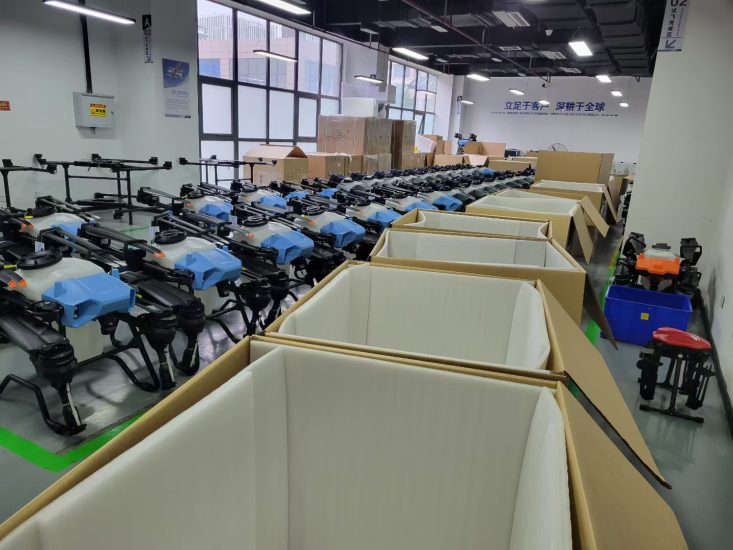
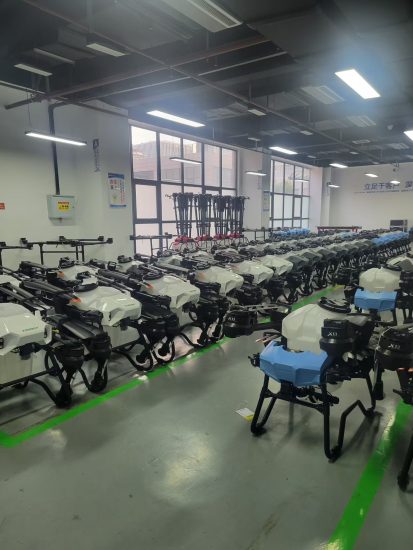
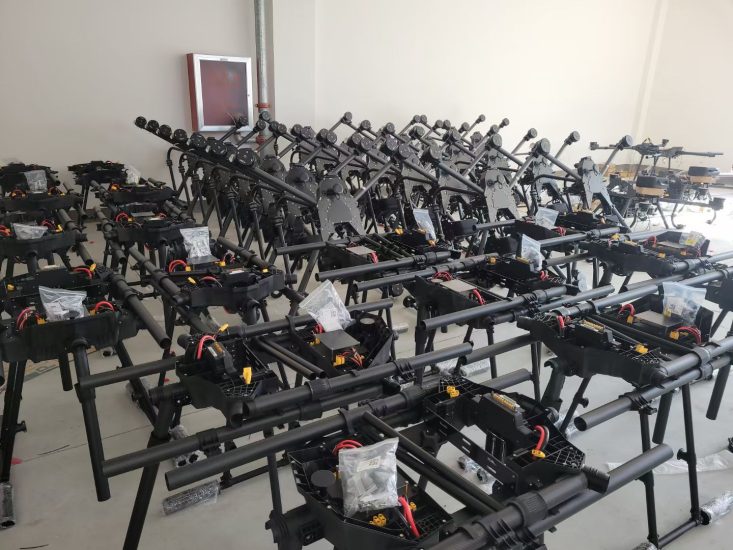
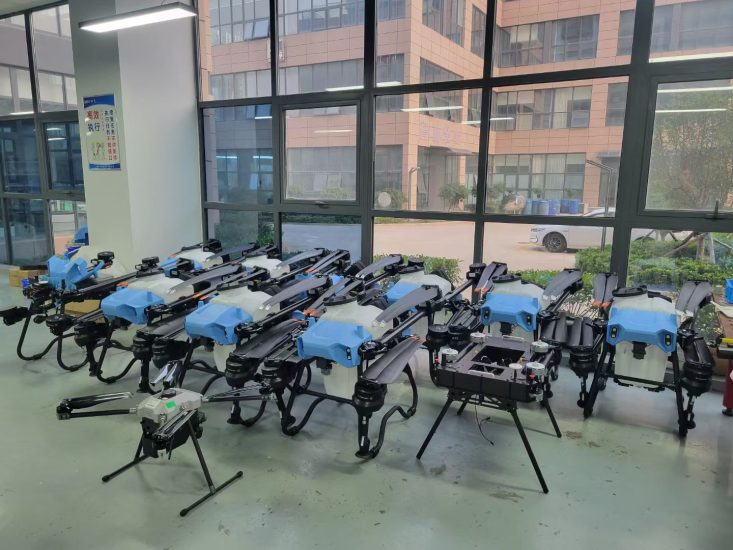
Agricultural Drone Factory Quality Control
When purchasing directly from a Chinese agricultural drone manufacturer, buyers should ask how products are tested before shipment.
A professional manufacturing process should pay attention to areas such as:
– Motor operation
– Flight-control systems
– Pump performance
– Spray-system operation
– Battery communication
– Remote-control connection
– Structural components
– Software functions
– Final flight testing
Quality control is particularly important for agricultural drones because the equipment may be exposed to dust, moisture, vibration, agricultural chemicals, and frequent transportation.
OEM Agricultural Drone Manufacturing
Some international distributors do not want to sell a standard product. They may require customized branding, packaging, product configuration, manuals, or other market-specific requirements.
OEM cooperation can provide a way for agricultural equipment companies to develop their own product line while working with an experienced manufacturer.
Before starting an OEM project, buyers should clearly define:
– Target market
– Product capacity
– Required specifications
– Branding requirements
– Packaging
– Manuals
– Spare parts
– Minimum order quantity
– Testing requirements
– Export documentation
Clear communication at the beginning can reduce unnecessary changes later.
Exporting Agricultural Drones from China
International buyers should also consider transportation and destination-country requirements before ordering.
Agricultural drones may involve batteries, electronic components, radio equipment, and other items that require specific transportation or import documentation.
The exact requirements depend on the destination country and shipping method.
Buyers should therefore confirm the following before shipment:
– Product specifications
– Battery specifications
– Packaging requirements
– Shipping method
– Export documents
– Import requirements
– Local drone regulations
– Agricultural application regulations
The manufacturer and logistics provider should coordinate on the shipment details rather than treating transportation as an afterthought.
Questions to Ask a China Agricultural Drone Manufacturer
Before placing an order, international buyers can ask:
What is the tank capacity?
Confirm the actual liquid capacity and recommended operating load.
What is the spraying width?
Ask for test conditions and understand that real field performance can vary.
How long can the drone fly?
Flight time depends on payload, battery condition, weather, flight pattern, and other factors.
What batteries are included?
Confirm battery quantity, capacity, charging equipment, and replacement availability.
Are spare parts available?
A reliable spare-parts supply is important for commercial users.
Can you provide OEM services?
If you are a distributor, ask about branding, packaging, and customization options.
Do you provide technical support?
Remote technical assistance and operator training can be valuable for overseas customers.
Who Can Work with MSOEN?
MSOEN’s agricultural spraying drone solutions can be considered by different types of buyers, including:
– Agricultural equipment distributors
– Farm equipment dealers
– Agricultural service companies
– Commercial farms
– Crop-management companies
– Drone distributors
– Agricultural technology businesses
– OEM buyers
Different customers have different requirements, so the appropriate drone configuration should be determined according to the intended application.
Conclusion
A professional agricultural spraying drone needs to do more than fly. It must carry the required payload, deliver agricultural liquids consistently, operate reliably in field conditions, and remain practical to maintain.
For international buyers searching for a China agricultural spraying drone manufacturer, evaluating the complete product system is more important than comparing prices alone.
MSOEN focuses on agricultural spraying drone manufacturing and provides solutions for farms, agricultural service providers, distributors, and international buyers looking for professional crop-spraying equipment.
Before purchasing, provide the manufacturer with your crop type, farm size, operating environment, required tank capacity, target country, and intended application. This information makes it much easier to select a suitable agricultural drone configuration.
Article Link:
China Agricultural Spraying Drone Manufacturer | MSOEN
THE END


No comments yet