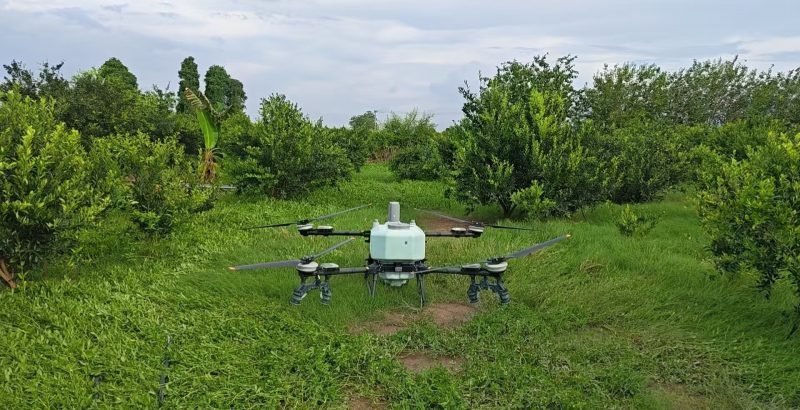



Different crops require different spraying methods. Rice fields may be wet and difficult for ground equipment, orchards can have dense tree canopies, and large field crops may cover hundreds of hectares. Because of these differences, agricultural spraying drones need to be selected according to the actual crop and operating environment.
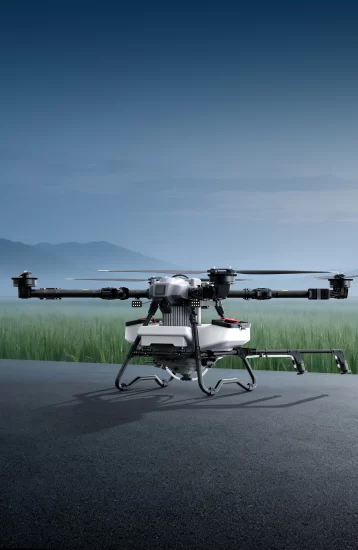
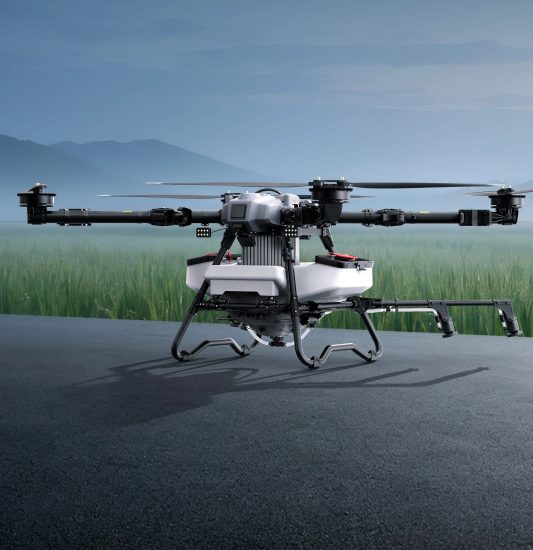
MSOEN develops agricultural spraying drones for professional crop-protection applications, providing solutions for rice, fruit trees, field crops, vineyards, and other agricultural operations.
One Drone, Different Agricultural Applications
Agricultural spraying drones are designed to carry and distribute agricultural liquids from the air.
A professional spraying system may include:
-
Agricultural liquid tank
-
High-performance pump
-
Spray nozzles
-
Flight controller
-
GPS positioning
-
Remote controller
-
Route planning
-
Obstacle detection
-
Intelligent flight functions
-
Rechargeable battery system
The correct configuration depends on the crop, terrain, application rate, and operating conditions.
A drone suitable for an open rice field may not necessarily provide the same spraying approach for a dense fruit orchard.
Agricultural Drones for Rice Fields
Rice farming is one of the applications where aerial spraying can provide practical advantages.
Many rice fields contain standing water or soft soil. Conventional ground equipment may have difficulty entering these areas without creating tracks or damaging the field.
A spraying drone can operate above the crop without driving directly through the rice field.
Advantages for Rice Farmers
A drone can help:
-
Reduce ground access requirements
-
Reduce manual spraying work
-
Reach wet fields
-
Follow planned flight routes
-
Operate without heavy machinery entering the crop
For rice applications, operators should pay attention to flight altitude, wind, spray settings, liquid application rate, and crop growth stage.
Actual spraying performance depends heavily on field conditions.
Agricultural Drones for Fruit Trees
Fruit-tree spraying is more complicated than spraying a flat field.
Different orchards can have different:
-
Tree heights
-
Canopy densities
-
Row spacing
-
Planting patterns
-
Terrain
-
Crop varieties
A professional agricultural drone should therefore be evaluated according to the orchard rather than simply using a standard field-spraying configuration.
Orchard Spraying Considerations
Air movement generated by the drone can influence how droplets move around the crop canopy.
Operators need to consider:
-
Flight altitude
-
Flight speed
-
Nozzle configuration
-
Droplet characteristics
-
Canopy structure
-
Wind conditions
-
Application rate
The objective is to achieve an appropriate application while following local agricultural requirements.
Agricultural Drones for Citrus Orchards
Citrus plantations can cover large areas and may contain dense tree canopies.
Aerial spraying can provide an option for farms where ground vehicles have limited access between trees.
The appropriate drone configuration should take account of tree size, planting density, terrain, and the specific agricultural application.
Agricultural Drones for Banana Plantations
Banana plants can grow relatively tall and may be planted in environments where ground access is difficult.
Aerial spraying can allow operators to work above the plantation without driving heavy equipment through the crop.
Operators should determine the appropriate flight height and spraying parameters according to plantation conditions.
Agricultural Drones for Vineyards
Vineyards often have narrow rows and uneven terrain.
A drone can fly over vineyard rows without requiring a tractor to travel through every row.
For vineyard operations, buyers should consider:
-
Row spacing
-
Vine height
-
Terrain
-
Canopy density
-
Spray configuration
-
Flight route
The same drone may need different operating settings depending on the vineyard.
Agricultural Drones for Field Crops
Large field crops can benefit from aerial spraying when the application and local regulations allow it.
Common examples include:
Corn
Corn fields can become difficult for ground equipment once plants reach a significant height. A drone can operate above the crop without driving between mature rows.
Wheat
Large wheat fields can be suitable for planned aerial operations when weather and agricultural requirements permit.
Soybeans
Soybean farms can use aerial spraying as one possible method for crop-management applications.
Cotton
Cotton fields may also benefit from aerial application in suitable operating conditions.
Vegetables
Vegetable farms can have different crop heights and planting layouts, so spraying settings should be adjusted according to the specific crop.
Choosing the Correct Tank Capacity
MSOEN agricultural drones can be considered in different capacity categories depending on the customer’s requirements.
A smaller-capacity drone may be more convenient for:
-
Small farms
-
Fragmented fields
-
Narrow operating areas
-
Areas with frequent refill access
A larger-capacity drone may be more appropriate for:
-
Large commercial farms
-
Agricultural service providers
-
Large field operations
-
Projects where refill time is an important consideration
Tank capacity should always be considered together with battery performance and total payload.
Spraying Width and Application Rate
One common mistake when comparing agricultural drones is focusing only on the advertised spraying width.
Actual coverage depends on several variables:
-
Flight speed
-
Flight altitude
-
Spray width
-
Application rate
-
Nozzle type
-
Wind conditions
-
Crop structure
-
Field layout
For example, increasing the application rate means the tank will be consumed more quickly.
Therefore, professional buyers should compare drones using real operating conditions instead of relying on one headline specification.
Battery Management for Different Crops
The operating environment can affect battery consumption.
A fully loaded drone requires more energy than an empty aircraft. Wind, temperature, flight patterns, and repeated acceleration can also affect energy consumption.
For commercial agricultural operations, buyers should consider:
-
Battery capacity
-
Number of batteries
-
Charging equipment
-
Charging time
-
Battery replacement
-
Battery storage
-
Battery monitoring
A well-planned battery system can reduce downtime during busy spraying periods.
Agricultural Drone for Professional Farm Operations
Agricultural drones can be particularly useful for professional operators who provide spraying services to multiple farms.
A service company may need to work across different crop types and terrain.
For this type of business, flexibility is important.
The operator may need to adjust:
-
Flight routes
-
Flight altitude
-
Spraying parameters
-
Nozzle configuration
-
Application rate
-
Battery management
Proper training and adherence to local regulations are essential.
Why Work with an Agricultural Drone Manufacturer?
For international buyers, working directly with a manufacturer can provide several benefits.
Customers can communicate directly about:
-
Drone specifications
-
Tank capacity
-
Spraying system
-
Battery configuration
-
Spare parts
-
OEM branding
-
Packaging
-
Technical support
Direct manufacturer communication can also make it easier to discuss application-specific requirements.
OEM Agricultural Drone Solutions
Agricultural equipment distributors may want to sell drones under their own brand.
OEM projects can potentially include:
-
Custom logo
-
Packaging
-
Manuals
-
Labels
-
Accessories
-
Product configuration
Before production, buyers should clearly confirm technical specifications, branding requirements, minimum order quantities, testing standards, and delivery schedules.
Importing Agricultural Drones from China
International buyers should consider both product specifications and destination-market requirements.
Agricultural drones may include lithium batteries and radio equipment, so shipping and import procedures can differ from ordinary machinery.
Before purchasing, confirm:
-
Product specifications
-
Battery information
-
Package dimensions
-
Gross weight
-
Export documents
-
Shipping requirements
-
Destination import rules
-
Local drone regulations
-
Agricultural chemical regulations
-
Operator requirements
Requirements vary by country.
Frequently Asked Questions
Can one agricultural drone be used for different crops?
Yes, a suitable drone platform can potentially be used for different crops, but spraying parameters and operating methods may need to be changed.
Are agricultural drones suitable for rice fields?
They can be particularly useful where wet or soft soil makes ground equipment difficult to operate.
Can spraying drones be used in orchards?
Yes. However, orchard applications require consideration of tree height, canopy structure, row spacing, terrain, and spraying conditions.
Can agricultural drones spray corn and wheat?
They can be used for suitable agricultural applications, provided the drone configuration and operating method are appropriate for the crop.
Is a larger tank always better?
No. A larger tank provides greater liquid capacity but also increases payload and can affect battery consumption. The appropriate size depends on the farm and operating conditions.
What should international buyers ask a manufacturer?
Buyers should request complete information about tank capacity, pump performance, nozzles, flight time, batteries, spare parts, warranty, technical support, packaging, and export documentation.
Conclusion
Rice fields, orchards, vineyards, and large field crops all have different spraying requirements. The best agricultural drone is therefore not simply the one with the largest tank or highest advertised specifications.
Farmers and agricultural service companies should evaluate the crop, terrain, application requirements, refill logistics, battery system, and local regulations before selecting equipment.
MSOEN focuses on agricultural spraying drone manufacturing for professional applications across rice, fruit trees, field crops, vineyards, and other farming environments.
For international distributors and agricultural businesses, understanding the actual crop and operating conditions is the first step toward selecting the right agricultural drone.
THE END


No comments yet