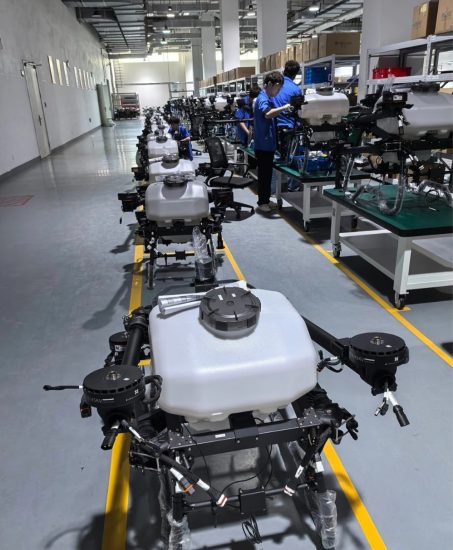


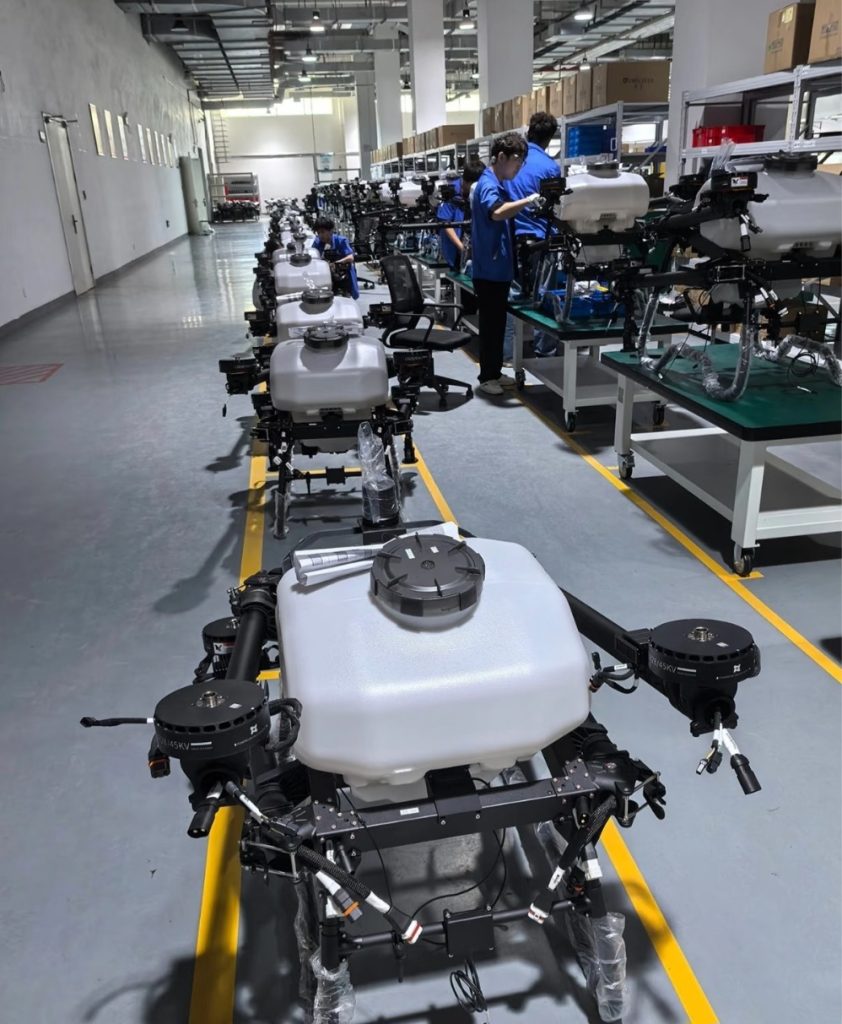
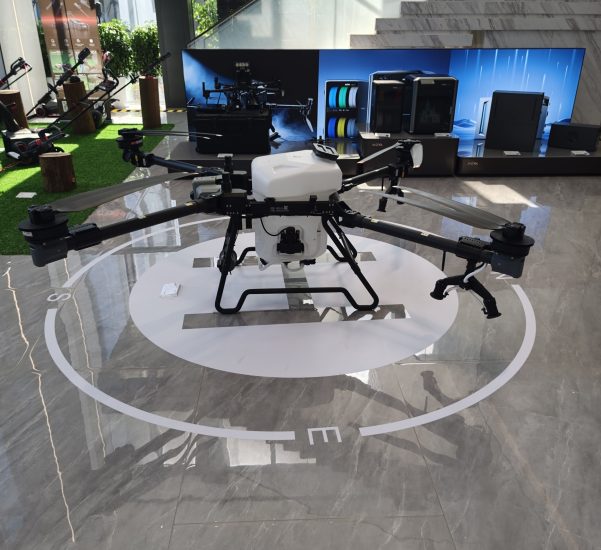
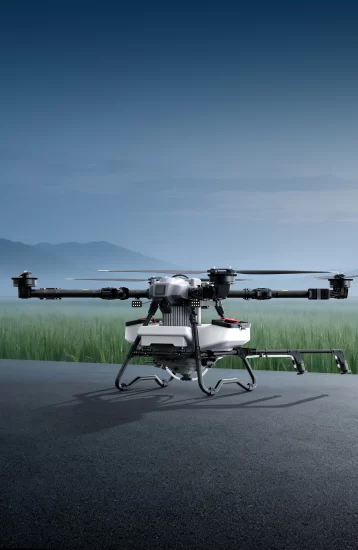
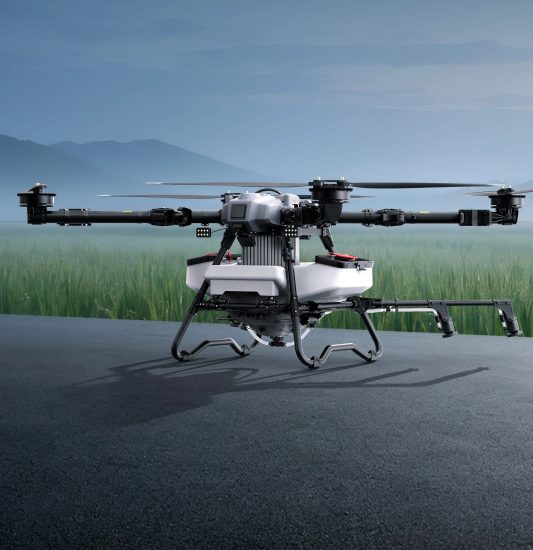
A 20L agricultural spraying drone is a practical option for farms, agricultural service companies, distributors, and crop-management professionals that need a balance between payload capacity, flight flexibility, and operating efficiency.
Compared with smaller agricultural drones, a 20L model can carry more liquid per flight. At the same time, it can remain more manageable than very large-capacity systems in certain farming environments.
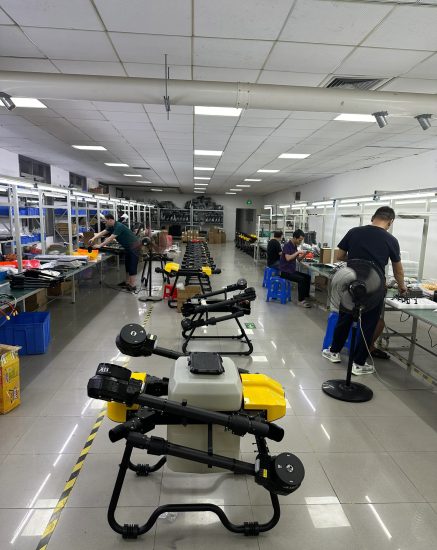
MSOEN develops agricultural spraying drones for professional crop protection applications, with configurations designed for different crops, terrain, and operating requirements.
What Is a 20L Agricultural Spraying Drone?
A 20L agricultural spraying drone is designed to carry approximately 20 liters of agricultural liquid in its spraying tank, subject to the manufacturer’s specified operating capacity and liquid conditions.
The drone typically combines:
-
20L-class liquid tank
-
Agricultural spraying pump
-
Spray nozzles
-
Flight-control system
-
GPS positioning
-
Remote controller
-
Rechargeable battery system
-
Route-planning functions
-
Obstacle detection
-
Liquid flow control
The exact configuration can vary between models.
The purpose of the 20L design is to provide a useful balance between payload capacity and maneuverability for professional agricultural operations.
Why Choose a 20L Agricultural Drone?
Farmers often need to balance several factors when choosing an agricultural drone.
A larger tank means fewer refills, but it also increases the aircraft’s operating weight. A smaller tank can improve flexibility but may require more frequent refilling.
A 20L-class drone sits between these two approaches.
It can be suitable for users who want more capacity than compact spraying drones without necessarily moving to a much larger aircraft.
Practical Payload Capacity
The 20L tank allows the drone to carry a meaningful quantity of liquid during each spraying operation.
The actual usable payload should always be determined according to the manufacturer’s specifications, liquid density, battery condition, and operating environment.
Flexible Field Operation
A 20L drone can be useful in different agricultural environments, including:
-
Rice fields
-
Wheat fields
-
Corn fields
-
Vegetable farms
-
Orchards
-
Vineyards
-
Cotton fields
-
Fruit plantations
The appropriate spraying configuration depends on the crop and application.
20L Drone for Rice Spraying
Rice fields can be difficult for conventional ground machinery because of standing water and soft soil.
Aerial spraying allows the drone to operate above the crop without driving through the field.
A 20L-class agricultural drone can be considered for rice farms where operators need a balance between liquid capacity and maneuverability.
Actual coverage depends on factors such as flight speed, spray width, application rate, field layout, weather, and refill logistics.
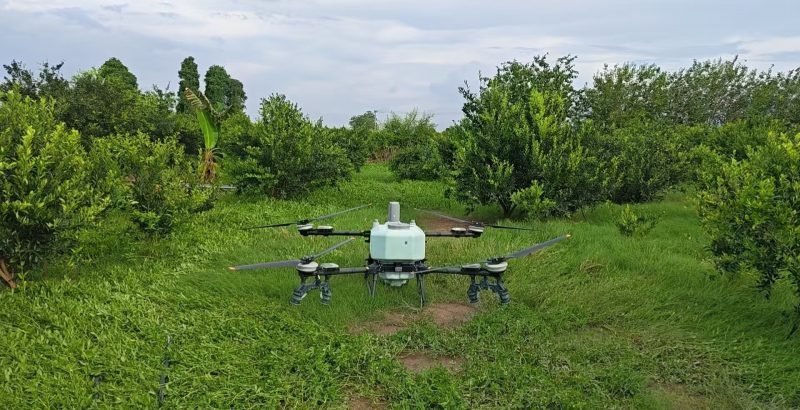
20L Drone for Orchard Applications
Orchards present different challenges from open fields.
Trees may have different heights, canopy densities, and row spacing. Sloped terrain can also make ground equipment difficult to use.
A spraying drone can provide an aerial application method without requiring a tractor to enter every row.
However, orchard spraying should be carefully configured. Nozzle selection, flight altitude, airflow, application rate, and operating conditions all influence the final spraying result.
20L Agricultural Drone Spraying System
The spraying system is one of the most important parts of the drone.
A professional system may include multiple nozzles positioned underneath the aircraft.
The pump delivers liquid from the tank to the nozzles, while the control system manages the spraying operation.
Important specifications to evaluate include:
Pump Performance
The pump should provide stable liquid delivery throughout the spraying process.
Nozzle Configuration
Different applications may require different nozzle arrangements.
The appropriate nozzle depends on the target crop, liquid characteristics, application rate, and desired droplet characteristics.
Flow Control
Accurate flow control helps the operator maintain the intended application rate.
Spray Width
Spray width influences operational productivity. However, published spray width should not be treated as guaranteed field coverage under every condition.
Wind, altitude, speed, crop structure, and nozzle characteristics can all affect actual results.
Battery Requirements
A 20L agricultural drone requires sufficient battery power to carry its payload and operate its propulsion and spraying systems.
For professional use, buyers should evaluate the complete battery package.
Important considerations include:
-
Battery capacity
-
Flight time
-
Charging time
-
Number of batteries
-
Battery replacement
-
Charger specifications
-
Battery monitoring
-
Storage requirements
For commercial agricultural operators, having multiple batteries can help reduce downtime between flights.
How Much Area Can a 20L Drone Spray?
There is no single coverage figure that applies to every 20L agricultural drone.
Coverage depends on:
-
Application rate
-
Spray width
-
Flight speed
-
Flight altitude
-
Crop density
-
Liquid volume
-
Terrain
-
Weather
-
Refill time
-
Battery capacity
For example, a drone operating at a higher application rate will consume its liquid payload faster than one operating at a lower application rate.
Therefore, buyers should ask manufacturers for test data under clearly defined conditions rather than relying on a single marketing number.
Choosing the Right 20L Agricultural Drone
Before purchasing, consider the following factors.
Farm Size
A 20L drone may be suitable for small and medium agricultural operations as well as professional service companies.
For very large-scale operations, buyers may also compare 20L models with larger-capacity systems.
Crop Type
Open-field crops, orchards, vineyards, and plantations can have very different spraying requirements.
The drone should be evaluated according to the specific crop rather than tank capacity alone.
Terrain
Flat farmland is relatively straightforward to operate on, while hills, slopes, orchards, and irregular fields may require additional flight planning and safety considerations.
Refill Logistics
A convenient refill station can significantly influence productivity.
Even a high-capacity drone will spend time returning for refills if the water or liquid preparation area is far from the field.
20L Agricultural Drone for Distributors
A 20L agricultural drone can also be an attractive product category for agricultural equipment distributors.
Distributors should evaluate more than the unit price.
Important factors include:
-
Product reliability
-
Spare-parts availability
-
Battery supply
-
Technical documentation
-
Warranty policy
-
Operator training
-
Packaging
-
Shipping arrangements
-
OEM options
-
Manufacturer support
A reliable supply chain is particularly important when serving professional agricultural customers.
OEM Agricultural Drone Manufacturing
International agricultural equipment companies may also require private-label or customized agricultural drones.
Depending on the project, OEM cooperation can involve:
-
Brand logo
-
Product labels
-
Packaging
-
User manuals
-
Accessories
-
Product configuration
Before beginning an OEM project, both parties should clearly confirm specifications, production requirements, testing procedures, packaging, minimum order quantities, and delivery schedules.
Buying a 20L Agricultural Spraying Drone from China
International buyers interested in importing a 20L agricultural spraying drone should consider both the product and transportation requirements.
Agricultural drones can contain lithium batteries and electronic equipment. Shipping requirements may therefore differ from ordinary machinery.
Before ordering, buyers should confirm:
-
Drone specifications
-
Battery specifications
-
Package dimensions
-
Gross weight
-
Export documents
-
Battery transportation requirements
-
Shipping method
-
Destination import requirements
-
Local drone regulations
-
Agricultural application regulations
The exact requirements depend on the destination country.
Maintenance of a 20L Spraying Drone
Regular maintenance can help keep an agricultural drone operating reliably.
After spraying, operators should follow the manufacturer’s cleaning and maintenance instructions.
Typical maintenance areas include:
-
Spray nozzles
-
Pump system
-
Liquid tank
-
Pipes
-
Motors
-
Propellers
-
Battery connectors
-
Landing gear
-
Sensors
-
Flight-control components
Agricultural liquids can leave residues in spraying components, so proper cleaning is particularly important.
Frequently Asked Questions
Is a 20L agricultural drone suitable for commercial farming?
It can be. Suitability depends on farm size, crop type, application rate, terrain, battery setup, and daily operating requirements.
Can a 20L drone spray rice?
Yes, agricultural spraying drones can be used for rice-field applications when the drone and spraying system are properly configured.
Can it be used in orchards?
Yes, but orchard applications require consideration of tree height, canopy density, row spacing, terrain, and spraying technique.
Is 20L better than 30L?
Not necessarily. A 30L drone carries more liquid, while a 20L model may offer a different balance of payload, maneuverability, and operating requirements. The best choice depends on the application.
How long does a 20L drone fly?
Flight time varies according to battery capacity, payload, flight conditions, temperature, wind, and operating mode. Buyers should request flight-time data under defined test conditions.
Can I import a 20L agricultural drone from China?
International buyers can purchase from Chinese manufacturers, but destination-country requirements for drones, batteries, radio equipment, and agricultural operations should be checked before shipment.
Conclusion
A 20L agricultural spraying drone can provide a practical balance between liquid capacity and operational flexibility. It can be considered for rice, field crops, orchards, vineyards, and other agricultural applications where aerial spraying is appropriate.
For farmers, distributors, and international buyers, the right choice should be based on actual operating requirements rather than tank capacity alone.
MSOEN provides agricultural spraying drone solutions for professional users looking for equipment suitable for modern crop-protection operations.
THE END


No comments yet