



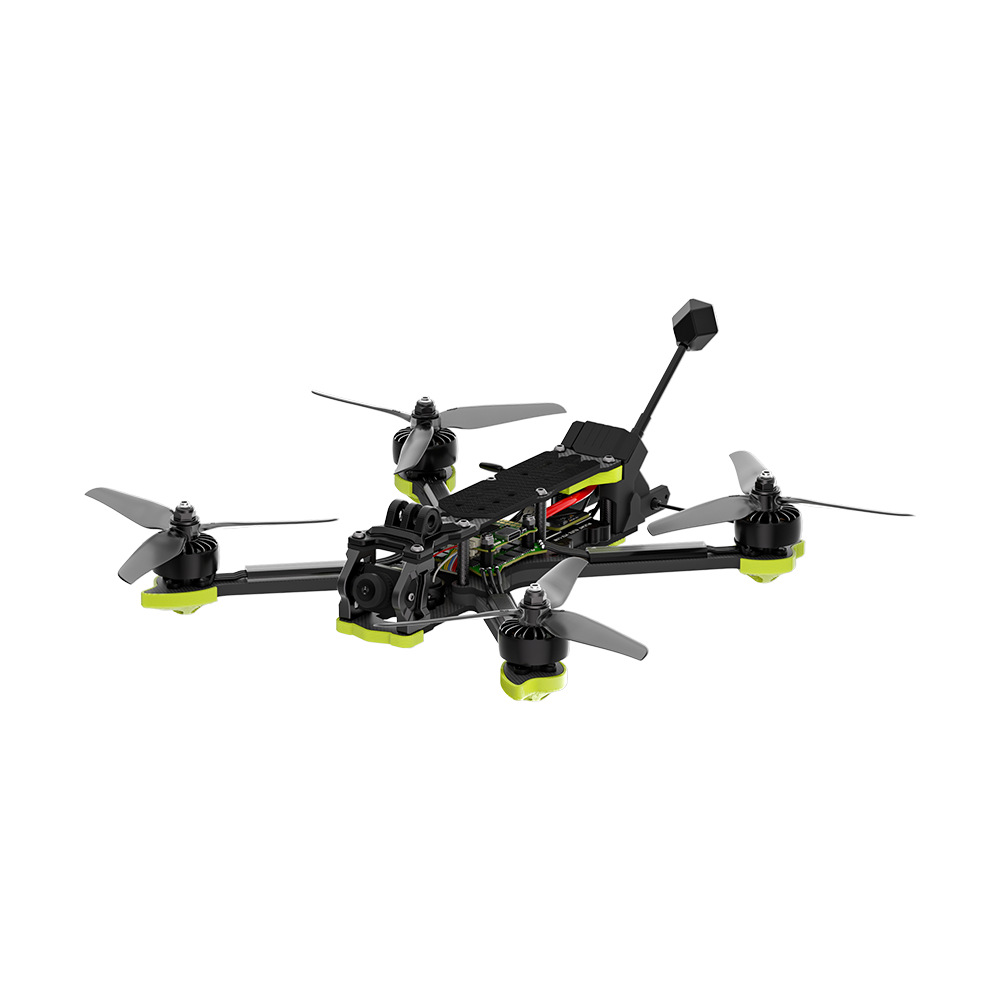


Flying drones near water or in rainy conditions requires specialized equipment. A waterproof FPV drone is designed to handle wet environments while maintaining stable flight and clear video transmission. These drones allow pilots to capture stunning aerial photography and video over lakes, rivers, beaches, and during light rain without worrying about damaging the electronics.
This article explores the key features, advantages, and practical applications of waterproof FPV drones.
What Is a Waterproof FPV Drone?
A waterproof FPV drone is an unmanned aerial vehicle built to resist water ingress while maintaining flight performance and FPV functionality.
Key features include:
- Sealed electronic components
- Water-resistant motors and connectors
- Durable and corrosion-resistant frame
- Stable FPV transmission in wet conditions
- Efficient battery and power management
These drones allow safe operation in environments where standard drones would fail.
Why Choose a Waterproof FPV Drone
Capture Unique Water-Based Footage
Waterproof drones allow filming over rivers, lakes, oceans, and pools without risk of damage.
Fly in Rain or Mist
Pilots can continue FPV flights even in light rain or mist, expanding the usable flying conditions.
Increased Durability
Sealed and reinforced components protect against accidental splashes or minor water contact.
Reduced Equipment Risk
Unlike standard drones, waterproof drones minimize the chance of electrical damage from water exposure.
Key Features of Waterproof FPV Drones
Sealed Electronics
Critical components are protected against water, dust, and moisture.
Water-Resistant Motors
Motors are designed to operate safely in damp or wet conditions.
Corrosion-Resistant Frame
Materials such as coated aluminum or reinforced plastics prevent rust and corrosion.
Stable FPV Transmission
High-quality video transmission ensures clear real-time viewing even in humid or wet conditions.
Efficient Battery and Power Management
Optimized systems maintain reliable flight time and performance in challenging environments.
Applications of Waterproof FPV Drones
Aerial Photography and Videography
Capture stunning visuals over water bodies or in rainy weather conditions.
Outdoor Exploration
Explore rivers, lakes, beaches, or wetlands safely.
Search and Rescue Operations
Useful for locating missing persons or monitoring flood zones.
Environmental Monitoring
Track water levels, wildlife activity, or environmental changes in wet areas.
Recreational FPV Flying
Enjoy FPV flights near pools, beaches, or waterparks without concern for splashes.
Advantages of Waterproof FPV Drones
- Operates safely in wet conditions
- Durable and corrosion-resistant
- Expands flying opportunities
- Reduces risk of equipment damage
- Suitable for professional and recreational use
These advantages make waterproof FPV drones highly versatile.
Tips for Flying in Wet Environments
Check Weather Conditions
Avoid flying in heavy rain or storms; waterproof drones have limits.
Inspect the Drone
Ensure all seals and protective covers are intact before flight.
Monitor Battery Performance
Wet conditions may affect battery efficiency; plan accordingly.
Fly at Safe Altitudes
Avoid landing directly in deep water unless the drone is fully waterproof and rated for submersion.
Post-Flight Maintenance
Dry and clean the drone after use to prevent long-term damage.
Challenges of Waterproof FPV Drones
Limited Waterproof Rating
Not all drones are fully submersible; understand the limits of your model.
Weight Considerations
Waterproofing may add weight, reducing flight time slightly.
Cost
Durable waterproof components increase production costs.
Future Trends
- Fully submersible FPV drones for water rescue
- Improved waterproofing with lighter materials
- Enhanced flight stability in wet conditions
- Longer battery life for extended water-based operations
Conclusion
Waterproof FPV drones open up new possibilities for flying in wet or humid environments safely. From aerial photography to environmental monitoring, these drones provide versatility, reliability, and protection against water-related damage.
For pilots seeking creative opportunities or professional applications near water, a waterproof FPV drone is an essential tool.
FAQ
Q1: Can waterproof drones fly in heavy rain?
They are designed for light rain and splashes; avoid heavy storms.
Q2: Are waterproof drones heavier than standard drones?
They may be slightly heavier due to sealing and protective materials.
Q3: Can waterproof drones land on water?
Some models allow safe water landings; always check the specifications.
Q4: Are waterproof drones suitable for beginners?
Yes, but operators should understand the limits and flight precautions.


No comments yet