

How to Choose the Right Agricultural Drone for Your Farm Size and Crops
Buying an agricultural drone is not simply a matter of choosing the largest tank or the longest advertised flight time.
The right drone depends on what you grow, how much land you manage, how the fields are laid out, what application you need, and how frequently the aircraft will be used.
A drone that works well for a small orchard may not be the best choice for a large commercial farm. Likewise, a high-capacity spraying drone may be unnecessary if most of your work involves small fields or difficult terrain.
For farmers, agricultural contractors, distributors, and international buyers, the better approach is to match the drone to the actual operating environment before comparing specific models.
This guide explains the main factors to consider when choosing an agricultural drone.
Start With Your Farming Application
The first question should be:
What will the drone actually be used for?
Agricultural drones can support different operations, including:
- Crop spraying
- Fertilizer application
- Pest-control applications
- Orchard operations
- Field-crop treatment
- Agricultural mapping
- Crop monitoring
- Surveying
- Precision agriculture
Different applications can require different aircraft configurations.
For example, a spraying operation may place greater emphasis on tank capacity, pump performance, nozzle configuration, flow control, and spray width.
A mapping application may require a completely different payload and sensor configuration.
Therefore, do not select a drone based only on the word “agricultural.”
Define the job first.
Choose the Drone According to Farm Size
Farm size is an important starting point, but it should not be the only factor.
Small Farms
Smaller farms may benefit from a drone that is:
- Easy to transport
- Easy to deploy
- Maneuverable
- Simple to maintain
- Appropriate for smaller fields
- Suitable for frequent short operations
A very large aircraft may increase purchase and operating costs without providing a meaningful advantage.
Medium-Sized Farms
Medium-sized operations may need a balance between:
- Tank capacity
- Flight time
- Spray width
- Battery availability
- Transportation
- Operating efficiency
A mid-capacity agricultural spraying drone can be worth considering when the aircraft will be used regularly.
Large Commercial Farms
Large farms and agricultural service providers usually place greater emphasis on operational productivity.
Important considerations may include:
- Higher payload capacity
- Larger effective spray width
- Multiple batteries
- Fast battery turnaround
- Efficient refilling
- Spare parts
- Ground support
- Fleet management
For larger operations, the entire workflow should be evaluated rather than the aircraft alone.
Consider Your Crop Type
Different crops create different operating requirements.
Rice and Field Crops
Large, relatively open fields may allow more efficient flight planning.
Buyers can focus on:
- Tank capacity
- Spray width
- Flight endurance
- Application rate
- Battery management
- Refill logistics
Orchards
Orchards can be more complicated because of:
- Tree height
- Canopy density
- Row spacing
- Terrain
- Obstacles
- Flight paths
A drone intended for orchard spraying should be evaluated according to the actual tree structure and treatment requirements.
Vineyards
Vineyards may have narrow rows, slopes, and irregular field layouts.
Maneuverability and route planning can therefore become particularly important.
Vegetables and Specialty Crops
Vegetable farms may contain smaller plots and different crop stages.
A flexible aircraft can be more useful than simply choosing the largest available payload.
How Much Tank Capacity Do You Need?
Tank capacity should be matched to your application rather than selected simply because a larger number sounds better.
For example:
- 20L
- 30L
- 40L
- 50L
- Larger configurations
can all serve different operating requirements.
A larger tank can reduce refill frequency, but it also increases operating payload.
That can affect:
- Battery consumption
- Flight performance
- Transportation
- Charging requirements
- Aircraft handling
If you are comparing different capacities, see our guide:
20L vs 30L vs 40L Agricultural Drones: Which Capacity Is Right for Your Farm?
Do Not Choose a Drone Based Only on Maximum Flight Time
Maximum flight time is useful for comparison, but it does not tell you how long the aircraft will operate during an actual spraying mission.
Flight time can change according to:
- Payload
- Battery condition
- Wind
- Temperature
- Flight speed
- Flight altitude
- Aircraft configuration
- Spraying system
When comparing manufacturers, ask for realistic operating flight time under the payload you expect to use.
A useful question is:
“What is the expected flight time with the normal working payload?”
That answer is more valuable than an unloaded maximum flight-time figure.
Evaluate the Spraying System
For crop spraying, the spraying system deserves as much attention as the aircraft itself.
Check:
Pump
Ask about pump performance and flow-control capability.
Nozzles
Review nozzle type, arrangement, replacement availability, and compatibility with the intended application.
Spray Width
A wider effective spray width can improve productivity in suitable field conditions.
Flow Rate
Flow rate should be appropriate for the required application rate.
Control System
The system should allow the operator to manage spraying parameters accurately.
The goal is not simply to maximize liquid output.
The spraying system needs to match the crop, treatment requirements, operating speed, and applicable product instructions.
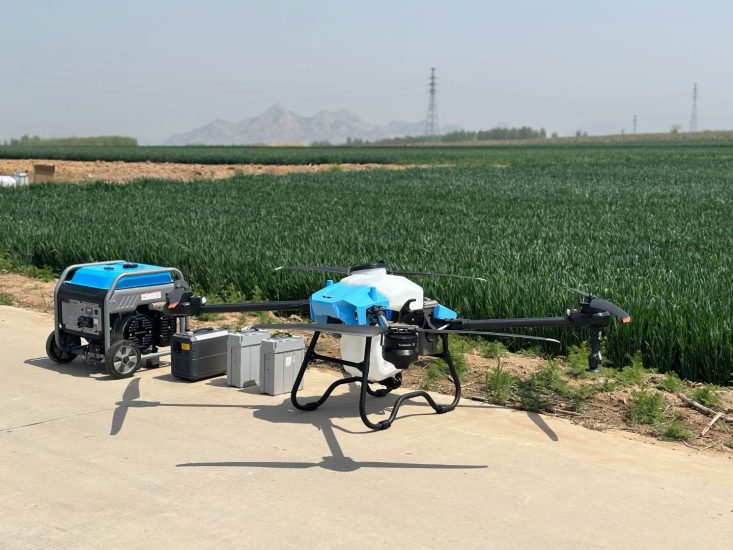
Check Battery and Charging Requirements
Battery logistics can have a major effect on agricultural drone productivity.
Before buying, ask:
- How long does one battery normally operate?
- How long does charging take?
- How many batteries are included?
- How many batteries are recommended for continuous operation?
- What is the battery replacement cost?
- What charger configuration is required?
- Are spare batteries available?
For commercial operations, insufficient batteries can create significant downtime.
The aircraft may be capable of continuous operation, but the actual operation can stop while waiting for batteries to charge.
Consider Your Field Conditions
A drone suitable for a flat farm may not be ideal for mountainous or fragmented agricultural land.
Consider:
- Terrain
- Elevation changes
- Trees
- Buildings
- Power lines
- Water sources
- Field boundaries
- Access roads
- Obstacles
- Weather conditions
If your fields are separated into multiple locations, transportation time should also be included in the productivity calculation.
Think About Daily Operating Capacity
Do not ask only:
“How many hectares can this drone spray?”
Instead, calculate the complete working cycle.
A practical operating cycle may include:
- Filling the tank
- Takeoff
- Flying to the treatment area
- Spraying
- Returning
- Landing
- Refilling
- Replacing the battery
- Preparing the next flight
Daily productivity depends on how efficiently these steps can be repeated.
For a deeper explanation, see our guide on How Much Area Can an Agricultural Drone Cover in One Day?
Compare Total Cost, Not Just Purchase Price
The cheapest agricultural drone is not necessarily the lowest-cost solution.
Buyers should consider the total cost of ownership.
This may include:
- Aircraft
- Batteries
- Chargers
- Spare parts
- Nozzles
- Pumps
- Maintenance
- Transportation
- Training
- Repairs
- Replacement components
A drone with a higher initial purchase price may be more appropriate if it provides better support, parts availability, or operating efficiency for your application.
For more information, read our Agricultural Drone Cost Guide.
Check Spare Parts and After-Sales Support
International buyers should pay close attention to after-sales support before placing an order.
Ask the manufacturer about:
- Warranty
- Spare parts
- Battery replacement
- Technical documentation
- Remote technical support
- Maintenance instructions
- Repair procedures
- Training resources
Important replacement components may include:
- Motors
- Propellers
- Batteries
- Pumps
- Nozzles
- Flight-control components
- Landing components
A professional agricultural drone operation needs a reliable plan for maintaining the aircraft after delivery.
When Should You Choose a Larger Agricultural Drone?
A larger drone may make sense when:
- You manage large areas
- The drone will operate frequently
- Refill time is a major limitation
- Your application requires greater liquid capacity
- You have sufficient battery and charging capacity
- Your transportation system can handle the aircraft
However, larger does not always mean better.
If the aircraft is unnecessarily large for your operation, you may be paying for capacity you rarely use.
When Is a Smaller Agricultural Drone Better?
A smaller drone may be more practical when:
- Fields are fragmented
- Transportation is difficult
- Access is limited
- The operation involves smaller areas
- Maneuverability is important
- The aircraft will be used for multiple locations
The best drone is the one that fits your actual workflow.
Should You Buy One Drone or Build a Fleet?
Large agricultural service companies may eventually need more than one aircraft.
Instead of immediately purchasing the largest possible model, consider:
How many hectares do you need to treat per day?
Then determine:
- Required number of flight cycles
- Available operating hours
- Battery requirements
- Refill capacity
- Number of operators
- Ground support
- Maintenance resources
For some businesses, multiple appropriately sized drones may provide more operational flexibility than a single very large aircraft.
What Should You Ask an Agricultural Drone Manufacturer?
Before requesting a quotation, prepare a clear specification sheet.
Include:
Application: spraying, fertilizing, mapping, or another agricultural task
Crop: rice, corn, wheat, orchard, vineyard, vegetables, etc.
Farm area: total hectares or acres
Field conditions: flat, hilly, fragmented, orchard, etc.
Application rate: required liquid volume per hectare
Preferred capacity: if already known
Target market: destination country or region
Quantity: number of aircraft
OEM/ODM: whether customization is required
Then ask the manufacturer to recommend an appropriate configuration.
This creates a much more useful purchasing discussion than simply asking for the cheapest agricultural drone.
Why Choose MSOEN for Agricultural Drone Solutions?
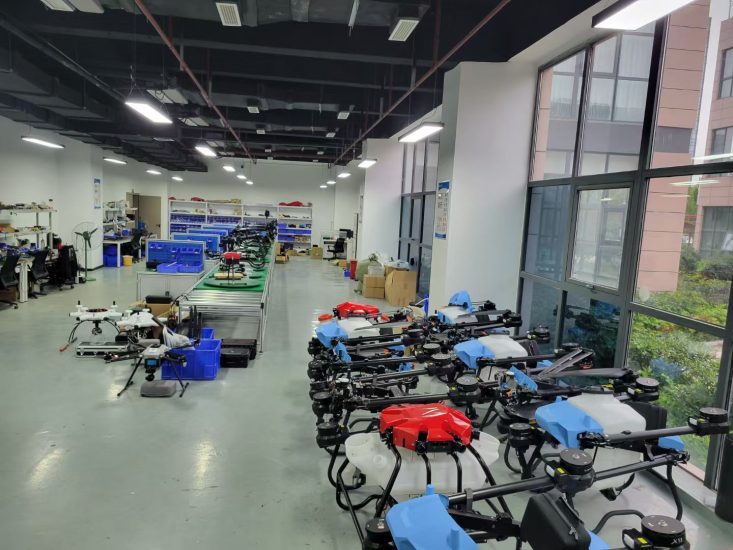
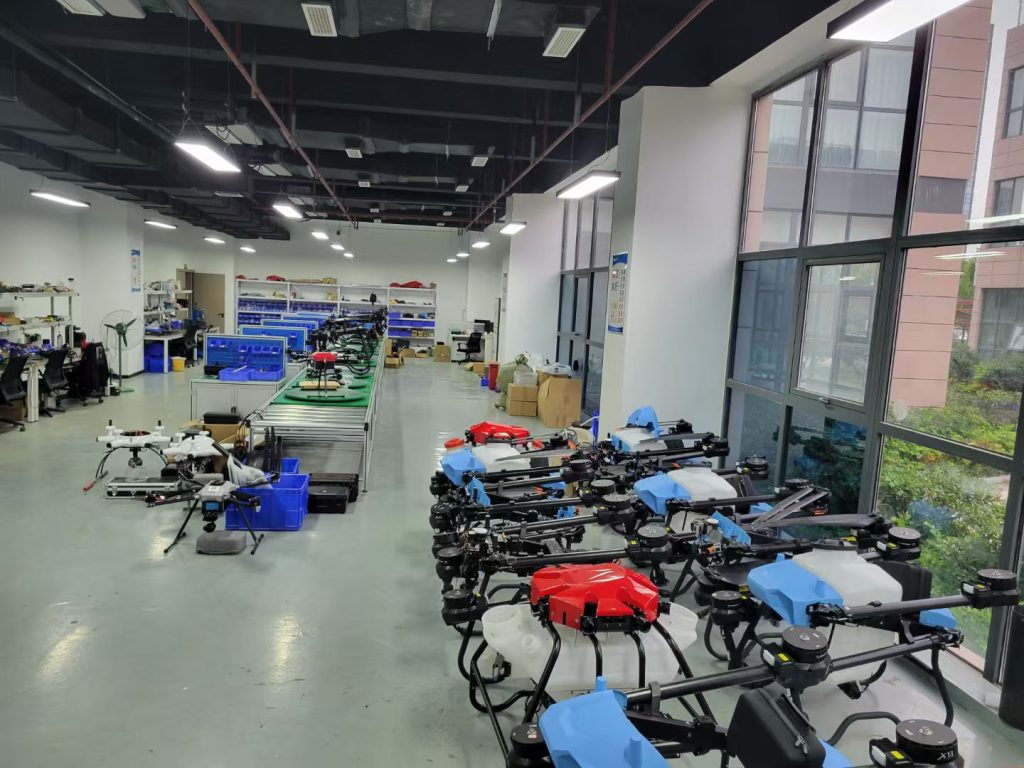
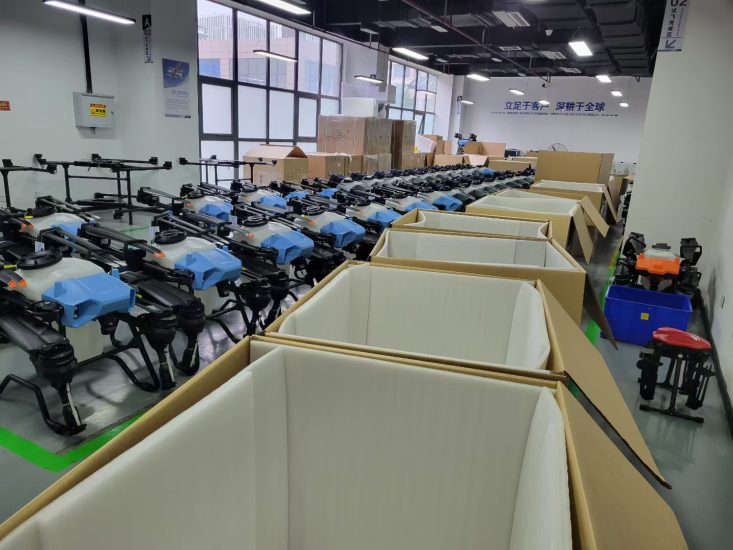
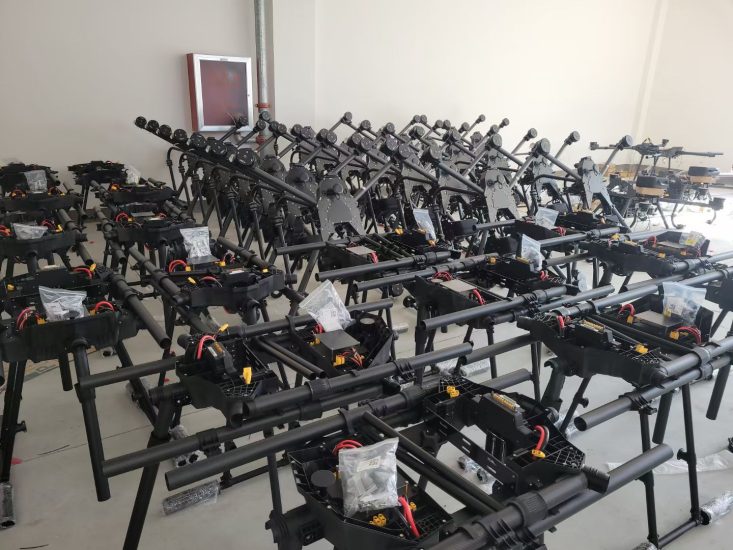
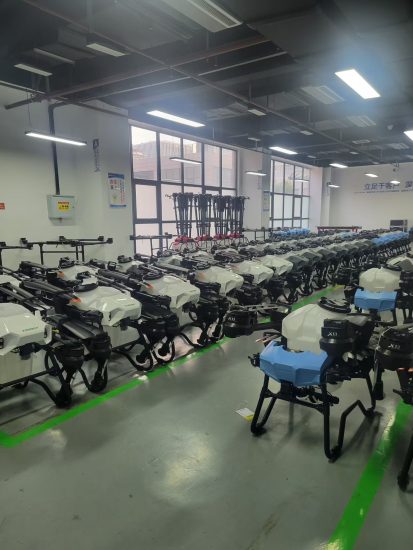
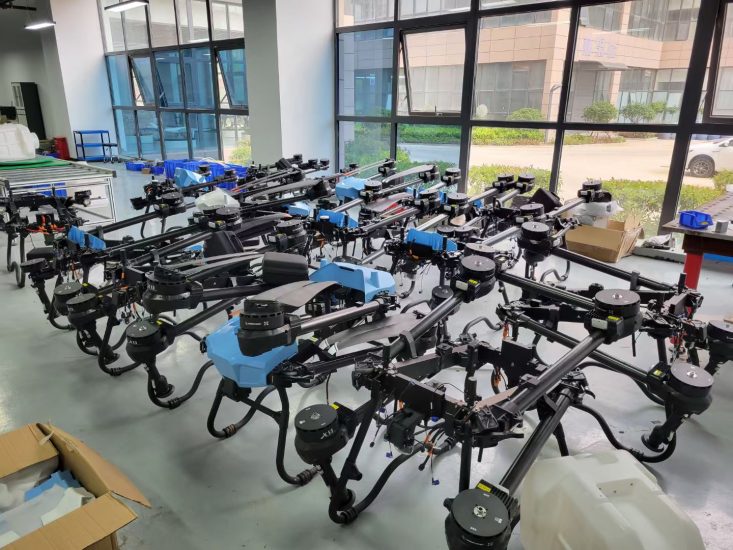
MSOEN is a professional agricultural drone manufacturer providing agricultural UAV products and OEM/ODM solutions for international buyers.
The appropriate configuration can be discussed according to:
- Farm application
- Crop type
- Tank capacity
- Spraying requirements
- Operating environment
- Quantity
- Target market
- Customization requirements
For buyers looking for a China agricultural drone factory or OEM partner, the manufacturing capability and support process should be evaluated together with the product specifications.
You can also review our 20L & 30L Agricultural Spraying Drone Manufacturer page for more information.
Frequently Asked Questions
What is the best agricultural drone for a small farm?
There is no universal best model. Smaller operations may benefit from a more maneuverable and easier-to-transport drone, while the appropriate tank capacity depends on the crop and application requirements.
What size agricultural drone is best for a large farm?
Large farms should consider tank capacity, spray width, flight time under normal payload, battery availability, refill speed, and ground logistics rather than choosing based on tank size alone.
Should I buy a 20L or 30L agricultural drone?
The choice depends on field size, application rate, operating frequency, transportation, and desired productivity. A 30L drone carries more liquid, while a 20L platform may provide greater flexibility for some operations.
Is a larger agricultural drone always more efficient?
No. A larger aircraft can carry more liquid, but additional payload can increase energy consumption and transportation requirements. Overall productivity depends on the complete operating cycle.
What specifications should I compare when buying an agricultural spraying drone?
Compare tank capacity, payload, realistic flight time, spray width, pump, nozzle system, flow control, battery, charger, spare parts, warranty, and technical support.
Can one agricultural drone handle different crops?
A suitable aircraft may be used across different agricultural applications, but spraying parameters and operating methods should be adjusted according to crop conditions, treatment requirements, and applicable regulations.
What information should I provide when asking for an agricultural drone quotation?
Provide your crop, total area, application rate, terrain, preferred capacity, quantity, destination country, and any OEM/ODM requirements. This allows the manufacturer to recommend a more suitable configuration.
Can MSOEN provide OEM and ODM agricultural drones?
MSOEN provides agricultural drone manufacturing and OEM/ODM solutions. Buyers should provide their required specifications, target market, quantity, and customization requirements when requesting a quotation.
Request the Right Agricultural Drone Configuration
The right agricultural drone should be selected according to the work it needs to perform.
Before purchasing, evaluate the crop, farm size, application rate, terrain, tank capacity, battery system, spraying configuration, maintenance requirements, and total operating cost.
If you are sourcing agricultural drones for your own farm, agricultural service business, distribution operation, or OEM project, send MSOEN your basic requirements.
Include your:
- Crop type
- Farm size
- Application
- Required capacity
- Target country
- Quantity
- Battery requirements
- OEM/ODM requirements
MSOEN can then evaluate an agricultural drone configuration that fits your actual operating needs.


No comments yet