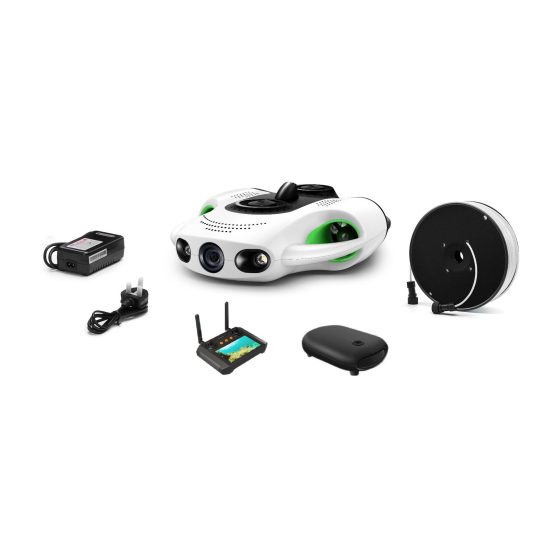


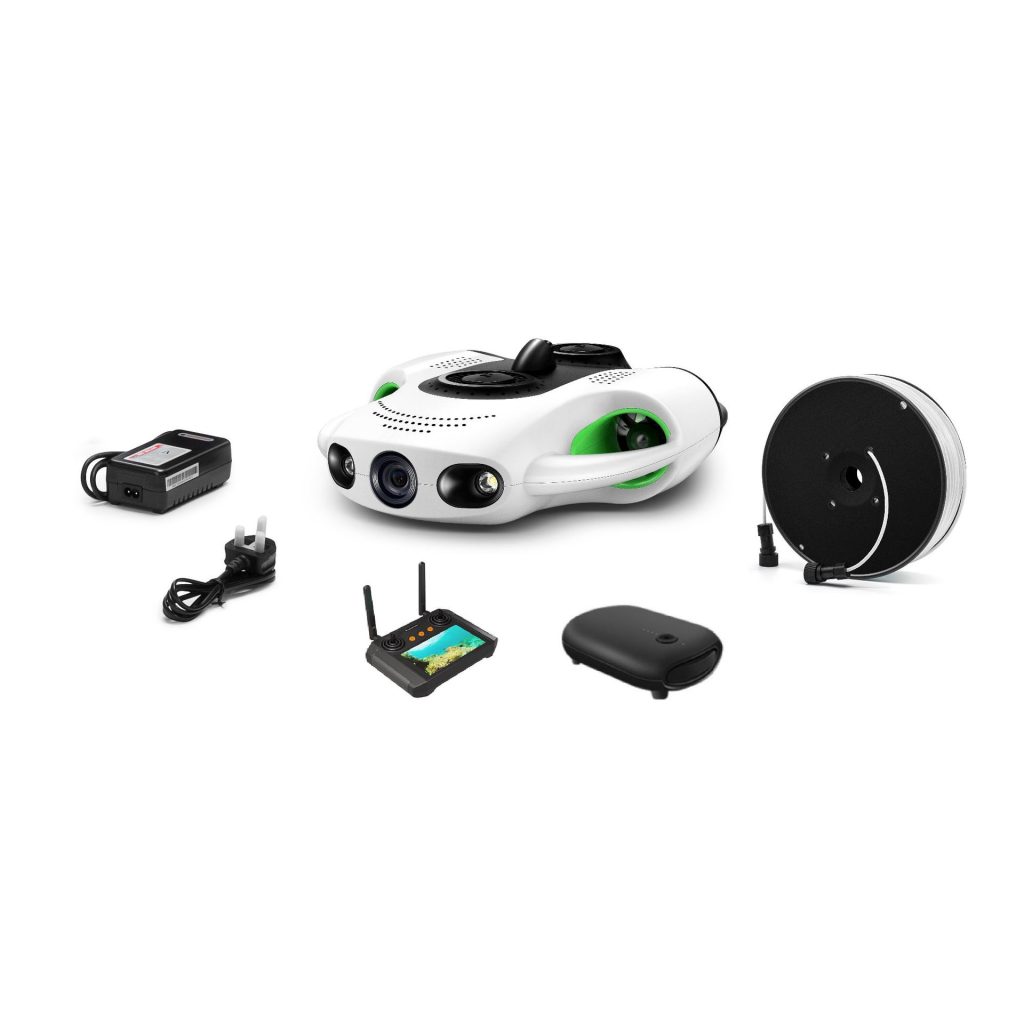
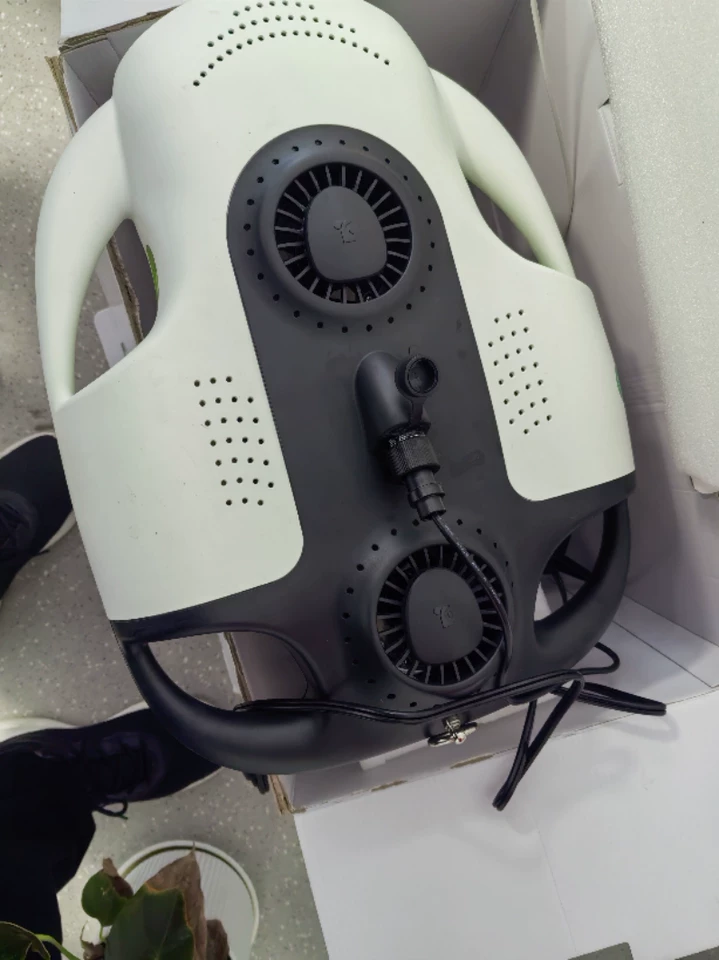

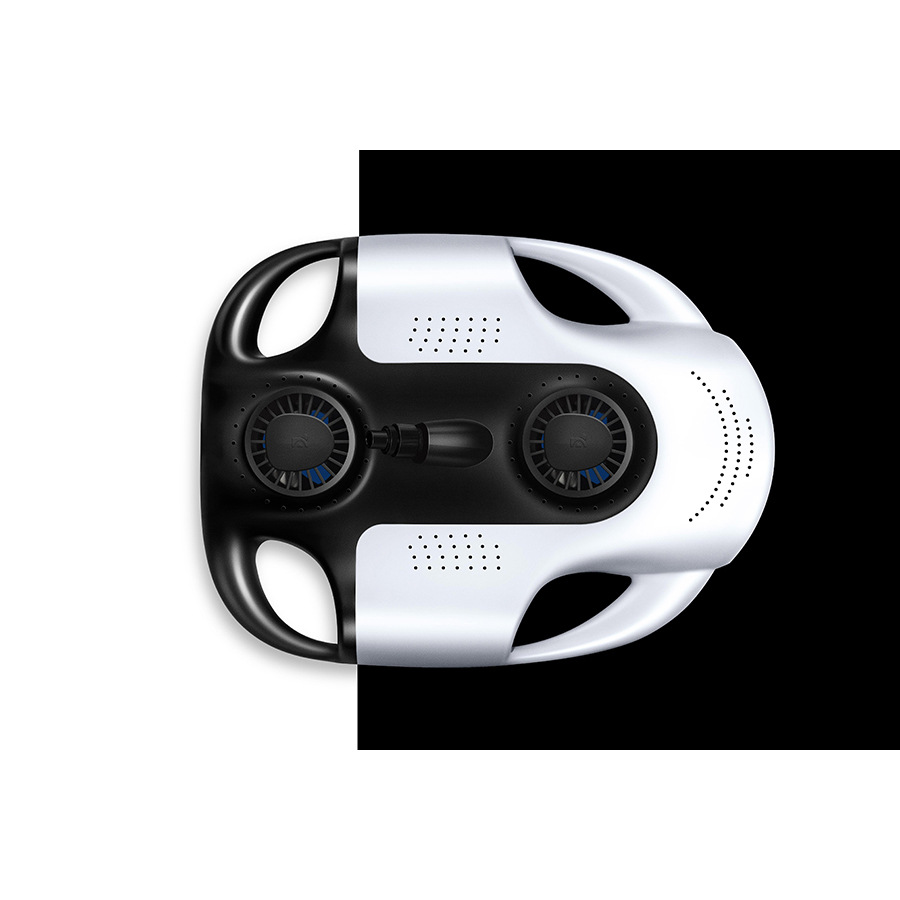

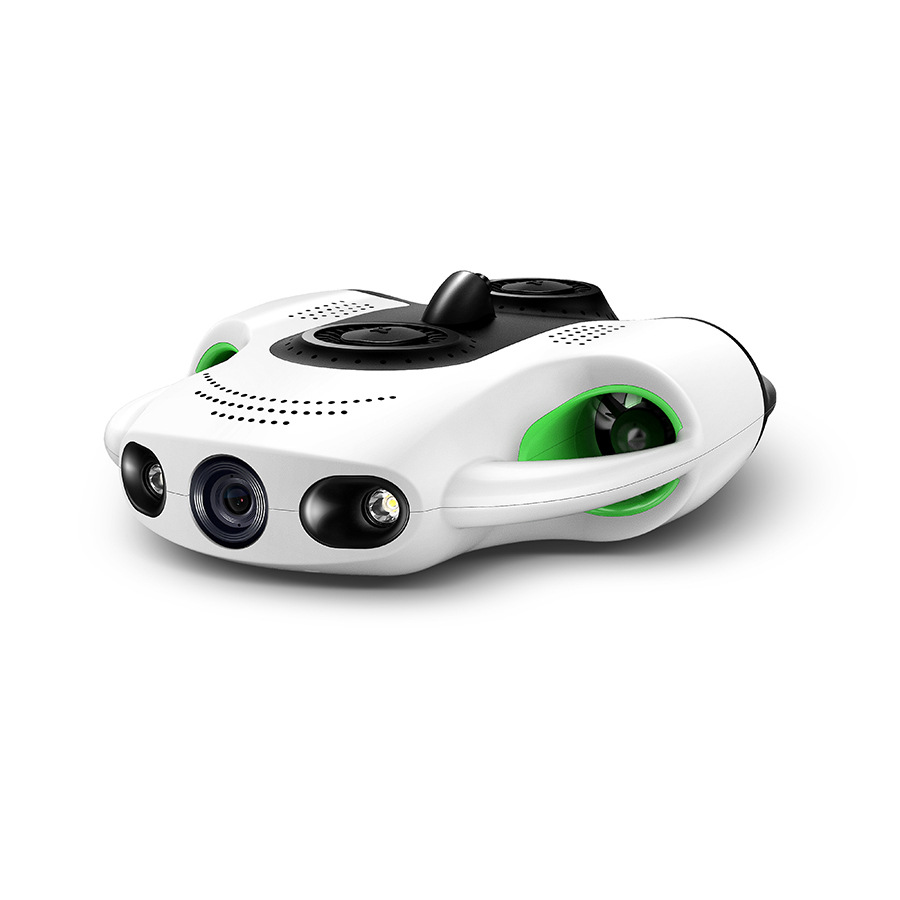
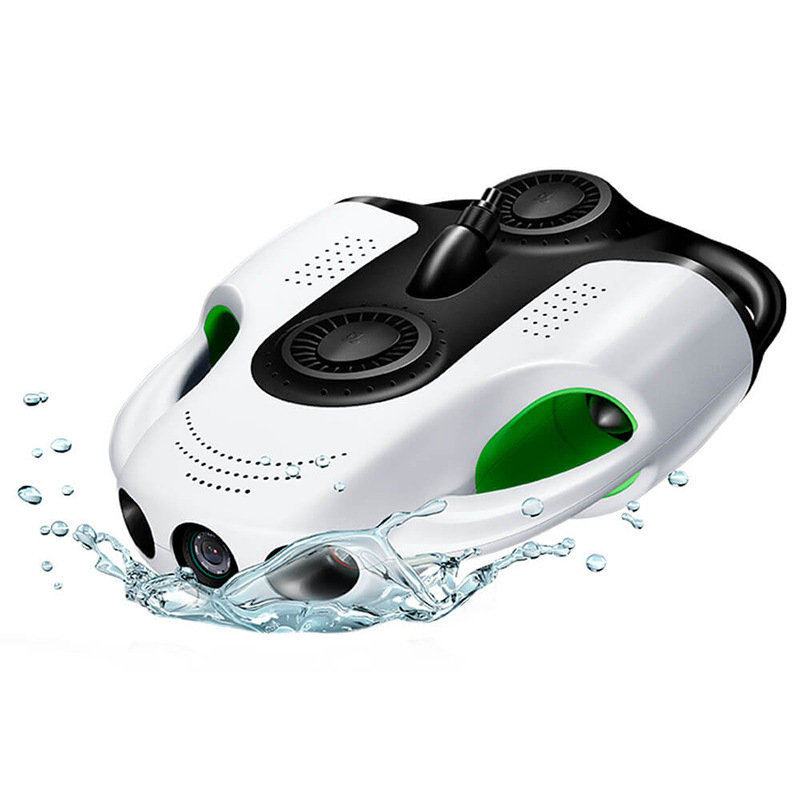
Professional Underwater Drone Manufacturer Integrating Virtual Simulation Training for Deep-Sea Operations
We are an experienced underwater drone (ROV) manufacturer and simulation system integrator specializing in virtual reality (VR) and digital twin training platforms for deep-sea operational skill development. Our solutions combine industrial-grade underwater robotics, physics-based simulation engines, AI-assisted mission scenarios, and immersive training environments to help research institutions, offshore industries, maritime academies, and defense-related marine units train operators safely and efficiently.This article is developed based on hands-on engineering experience in ROV manufacturing, hydrodynamic modeling, VR simulation integration, offshore deployment projects, and international technical cooperation. It follows E-E-A-T principles (Experience, Expertise, Authoritativeness, Trustworthiness) to provide technically accurate and procurement-ready insights for organizations seeking underwater drone virtual training solutions.
Underwater Drone Virtual Simulation Training: Revolutionizing Deep-Sea Operation Skills Development
Operating underwater drones in deep-sea environments requires precision, situational awareness, technical knowledge, and risk management capabilities. Traditional training methods rely on costly offshore deployments, limited pool sessions, and real-time operational exposure—often associated with safety risks and high operational expenses.
Today, underwater drone virtual simulation training systems offer a transformative alternative. By integrating real ROV control systems with digital twin environments and immersive 3D simulation, operators can train in complex deep-sea scenarios without physical risk.
If you are searching for:
- Underwater drone virtual simulation training system
- ROV deep-sea operation simulator
- Digital twin underwater robot training platform
- VR training for marine ROV operators
- Deep-sea robotics skill development simulator
- Offshore subsea operation simulation solution
This long-form SEO guide explores the technology architecture, system components, training modules, industry applications, customization options, procurement details, and deployment roadmap.
1. Why Deep-Sea Operation Training Requires Simulation
Deep-sea ROV operations involve:
- Strong underwater currents
- Low visibility conditions
- High-pressure environments
- Complex subsea structures
- Delicate manipulation tasks
Traditional training challenges include:
- High vessel rental costs
- Weather dependency
- Limited repeatability of scenarios
- Risk of equipment damage
Virtual simulation solves these challenges by enabling controlled, repeatable, and safe skill development.
2. System Architecture of an Underwater Drone Virtual Simulation Platform
A professional deep-sea operation training system integrates:
2.1 Industrial-Grade ROV Control Console
Features:
- Real joystick control
- Multi-screen display interface
- Depth & navigation simulation
- Real-time feedback system
- Integrated mission management dashboard
The simulator uses the same interface as real ROV systems to ensure realistic training.
2.2 Digital Twin & Physics-Based Simulation Engine
The simulation engine models:
- Hydrodynamic forces
- Buoyancy and drag
- Current impact
- Equipment inertia
- Thruster response behavior
This ensures realistic underwater physics performance.
2.3 VR Immersive Training Environment (Optional)
Benefits:
- 360° underwater environment immersion
- Enhanced situational awareness
- Realistic obstacle navigation
- Emergency scenario simulation
3. Core Training Modules
3.1 Basic ROV Navigation Training
- Depth control
- Thruster coordination
- Stable hovering
- Target approach
3.2 Manipulator Arm Operation
- Object grasping
- Valve turning
- Cable connection simulation
- Precision placement tasks
3.3 Offshore Inspection Simulation
- Subsea pipeline inspection
- Offshore wind turbine foundation survey
- Oil & gas platform structural inspection
3.4 Emergency Scenario Training
- Thruster failure simulation
- Communication interruption
- Strong current environment
- Limited visibility operations
3.5 Scientific Mission Simulation
- Sample collection
- Sensor deployment
- Marine biodiversity observation
4. Applications Across Industries
4.1 Marine Research Institutes
- Deep-sea sampling preparation
- Ecological survey mission training
4.2 Offshore Energy Sector
- Oil & gas subsea maintenance
- Offshore wind inspection training
4.3 Maritime Academies & Universities
- ROV operator certification programs
- Marine robotics education
4.4 Defense & Maritime Security Units
- Subsea inspection
- Port security simulation
5. Advantages of Virtual Simulation Training
| Traditional Field Training | Virtual Simulation Training |
|---|---|
| High operational cost | Low repeatable cost |
| Weather dependent | All-weather availability |
| Limited scenario repetition | Unlimited scenario replay |
| Equipment damage risk | Zero physical risk |
| Geographic limitations | Global remote deployment |
Simulation improves training efficiency by up to 60–70%.
6. Customization & OEM Solutions
We provide tailored simulation systems including:
- Custom deep-sea terrain modeling
- Specific offshore platform replication
- Pipeline layout simulation
- Local environmental condition modeling
- Multilingual interface
- Certification training modules
Systems can be integrated with real ROV hardware or operated independently as a full simulator platform.
7. Technical Example Specifications
- High-performance GPU workstation
- Multi-screen 4K display system
- Real ROV joystick hardware integration
- VR headset support (optional)
- Physics engine with hydrodynamic modeling
- Modular training scenario library
- Data performance analytics dashboard
8. Data Tracking & Performance Evaluation
The system records:
- Operator response time
- Thruster usage efficiency
- Mission completion time
- Collision incidents
- Energy consumption simulation
This allows measurable skill improvement tracking.
9. Integration with Real Underwater Drone Systems
Virtual training platforms can integrate with:
- Tethered ROV systems
- Autonomous underwater vehicles (AUV)
- AI-assisted navigation systems
Operators trained in simulation transition seamlessly to real operations.
10. Future Development Trends
- AI-driven adaptive training difficulty
- Cloud-based remote simulation training
- Multi-user collaborative mission simulation
- Augmented reality (AR) overlay
- Real-time oceanographic data integration
Simulation is becoming an essential part of underwater robotics training infrastructure worldwide.
FAQ – Underwater Drone Virtual Simulation Training System
1. Can you customize simulation environments?
Yes. We can replicate specific offshore structures, seabed topography, environmental conditions, and mission scenarios based on client requirements.
2. What is the MOQ?
- Standard simulation platform: 1 set
- Customized institutional training system: 1 project-based order
- Multi-unit academic deployment: Negotiable
We support single-system purchases.
3. What is the production lead time?
- Standard simulator system: 20–35 days
- Customized digital twin environment: 30–60 days
- Large institutional deployment: 60–90 days
Lead time depends on customization level and integration requirements.
4. Do you have stock available?
Some standard ROV hardware systems may be in stock.
Virtual simulation platforms are typically customized per order.
Conclusion: Advancing Deep-Sea Operation Training Through Virtual Simulation
Underwater drone virtual simulation training platforms redefine how deep-sea operational skills are developed. By combining industrial ROV hardware, digital twin technology, VR immersion, and physics-based modeling, organizations can:
- Reduce operational risk
- Lower training costs
- Improve operator readiness
- Enhance mission success rates
- Standardize certification programs
Whether for offshore energy, marine research, academic training, or maritime operations, simulation-based underwater drone training systems provide scalable, safe, and future-ready solutions.
For a tailored proposal, please provide:
- Intended application industry
- Required depth simulation
- Hardware integration requirements
- Number of training stations
- Project timeline
Our engineering and simulation integration team will prepare a customized technical and commercial proposal aligned with your operational objectives.


No comments yet