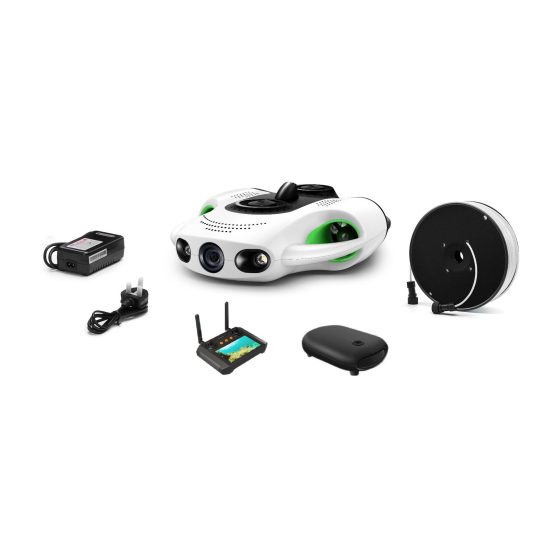


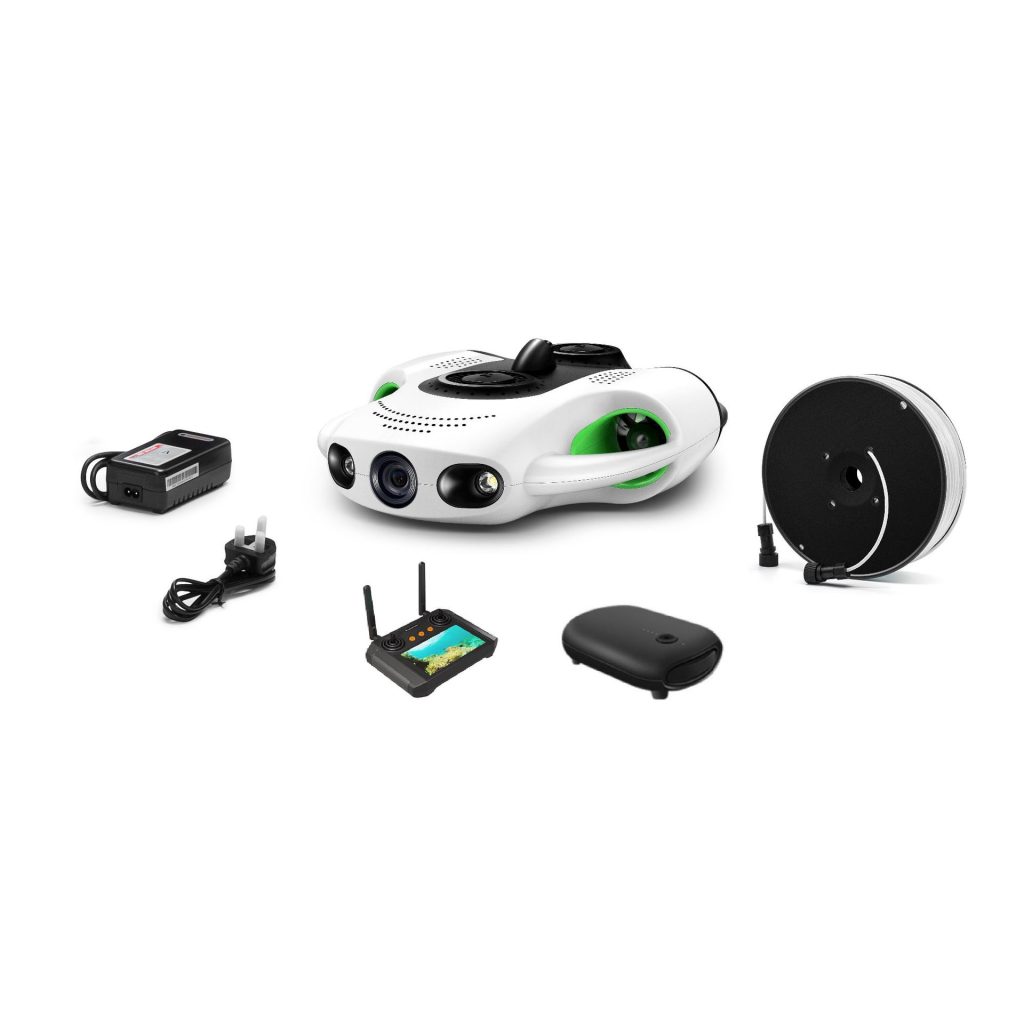
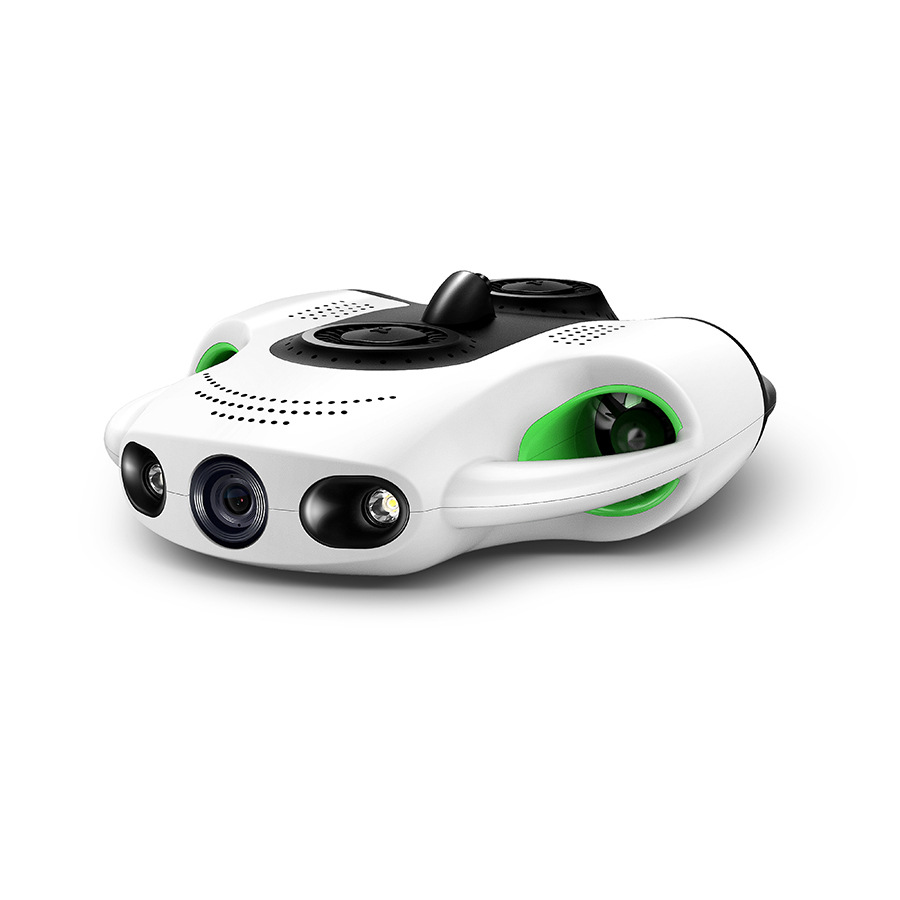


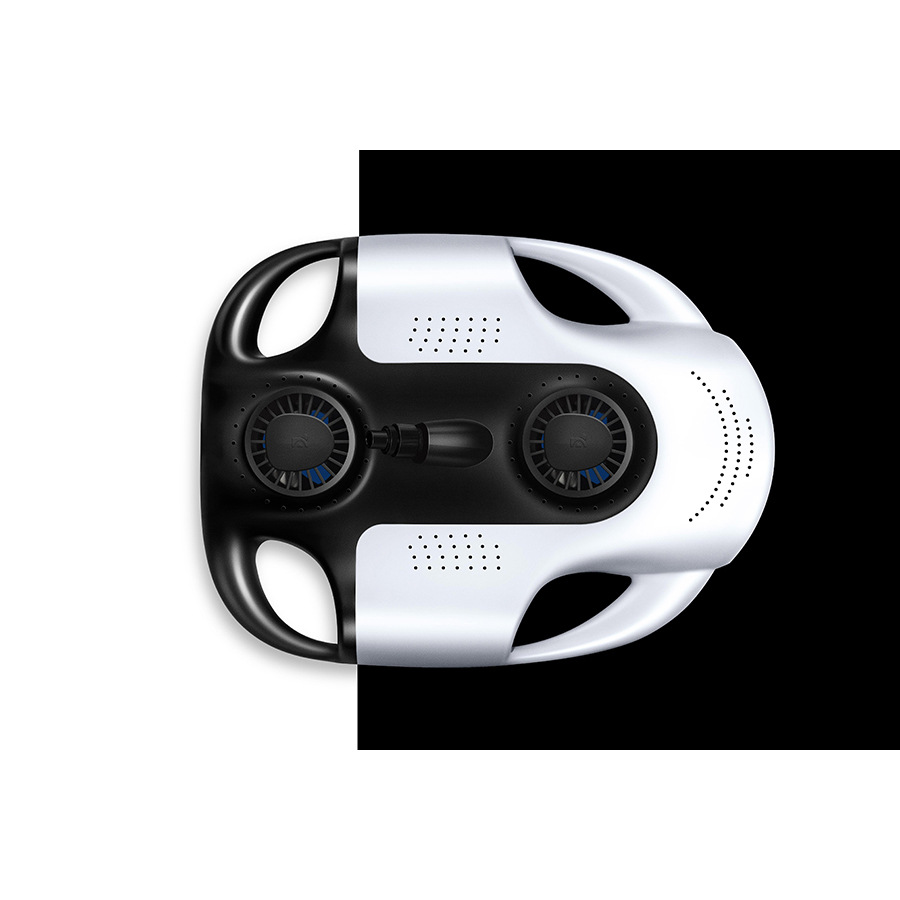
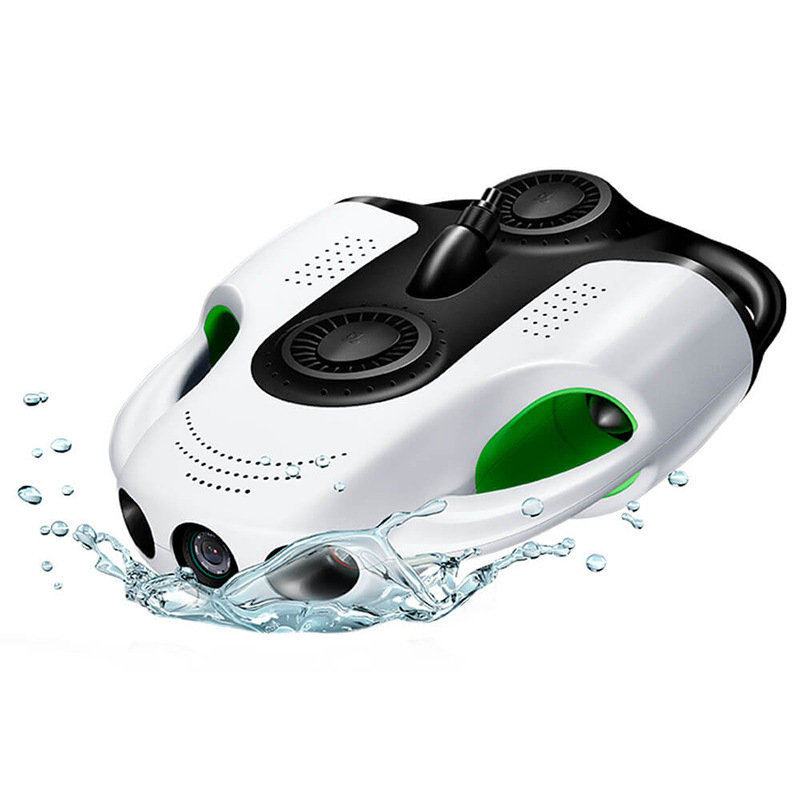
Deep-Sea Exploration Underwater Robot | Suitable for Scientific Research and Marine Resource Development
Introduction
Deep-sea exploration is one of the most important frontiers in modern science and engineering. The ocean covers more than 70% of the Earth’s surface, yet much of it remains unexplored due to extreme pressure, darkness, and complex underwater conditions.
To overcome these challenges, deep-sea exploration underwater robots have become essential tools for scientists and engineers. They enable safe, efficient, and highly accurate exploration of deep ocean environments, supporting both scientific research and marine resource development.
What Is a Deep-Sea Exploration Underwater Robot?
A deep-sea exploration underwater robot is a specialized unmanned vehicle designed to operate at great ocean depths. It is engineered to withstand extremely high pressure and harsh environmental conditions while collecting data and performing underwater missions.
There are two main types:
- ROV (Remotely Operated Vehicle): Controlled by operators via cable for precise real-time operations
- AUV (Autonomous Underwater Vehicle): Operates independently using pre-programmed routes and intelligent navigation systems
Both types are equipped with advanced sensors and imaging systems for deep-sea missions.
Main Functions
1. Deep Ocean Mapping
These robots can create detailed maps of the seafloor using sonar and scanning systems. This includes:
- Seabed terrain mapping
- Geological structure analysis
- Trench and ridge exploration
This data is essential for understanding ocean geology and tectonic activity.
2. Marine Biodiversity Research
Deep-sea robots help scientists study unknown marine life in extreme environments. They can observe and record:
- Deep-sea organisms
- Hydrothermal vent ecosystems
- Biological adaptation in extreme pressure conditions
This supports discoveries in biology and ecology.
3. Ocean Resource Exploration
They are widely used in exploring natural resources such as:
- Oil and gas reserves
- Mineral deposits (manganese nodules, rare earth elements)
- Gas hydrates
This helps industries evaluate underwater resource potential safely and efficiently.
4. Environmental and Climate Studies
Deep-sea robots collect important environmental data, including:
- Ocean temperature layers
- Carbon cycle information
- Deep ocean currents
- Climate change impact data
This is crucial for global climate research and environmental protection.
5. Scientific Sample Collection
Equipped with robotic arms and sampling tools, they can collect:
- Rock and sediment samples
- Water samples from deep layers
- Biological specimens
These samples are used in laboratories for detailed analysis.
Key Advantages
Extreme Depth Capability
Designed to operate at thousands of meters below sea level under extreme pressure.
High-Precision Data Collection
Advanced sensors ensure accurate scientific measurements and imaging.
Safe Exploration
Eliminates the need for human divers in dangerous deep-sea environments.
Long-Endurance Operation
Can operate for extended periods in remote ocean areas.
Real-Time Communication
ROV systems provide live data transmission for immediate decision-making.
Core Technologies
Deep-sea exploration underwater robots rely on advanced technologies such as:
- Ultra-high-pressure resistant materials
- High-resolution sonar imaging systems
- AI-based navigation and path planning
- Low-light HD cameras with powerful lighting systems
- Fiber-optic communication cables
These technologies ensure reliable performance in extreme ocean environments.
Applications in Science and Industry
Scientific Research
Used by marine research institutes to study ocean ecosystems and geology.
Energy Industry
Supports offshore oil and gas exploration and deep-sea drilling planning.
Mineral Exploration
Helps locate valuable underwater mineral resources.
National Ocean Projects
Used in large-scale ocean exploration missions and mapping programs.
Future Development Trends
The next generation of deep-sea exploration robots will focus on:
- Greater operational depth beyond current limits
- Fully autonomous AI-driven exploration
- Improved energy efficiency and battery life
- Swarm robotics for cooperative missions
- Real-time cloud-based data analysis
These innovations will significantly expand human understanding of the deep ocean.
Conclusion
Deep-sea exploration underwater robots are transforming how humanity studies and utilizes the ocean. They provide a powerful combination of safety, precision, and efficiency, making it possible to explore environments that were once completely inaccessible.
As technology continues to advance, these robots will play an even more important role in scientific discovery and marine resource development.


No comments yet