



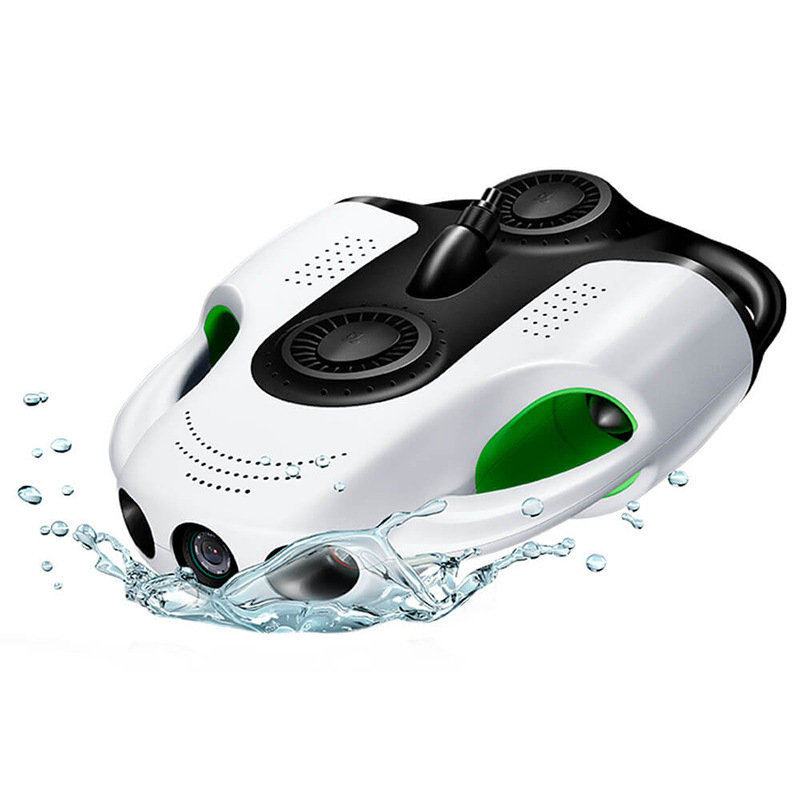
Intelligent Underwater Robot Development Trends | Driving the Future of Marine Technology and Automation
Introduction
With the rapid advancement of artificial intelligence, robotics, and marine engineering, intelligent underwater robots are entering a new stage of development. These systems are no longer limited to basic remote control tasks but are evolving into highly autonomous, data-driven machines capable of making real-time decisions in complex underwater environments.
As global demand for ocean exploration, resource development, and environmental protection grows, intelligent underwater robots are becoming a core technology shaping the future of marine industries.
What Are Intelligent Underwater Robots?
Intelligent underwater robots are advanced robotic systems equipped with AI algorithms, sensor fusion technology, and autonomous navigation capabilities. Unlike traditional underwater robots, they can analyze data, adapt to changing environments, and perform tasks with minimal human intervention.
Key characteristics include:
- Autonomous navigation and path planning
- Real-time data processing and decision-making
- Multi-sensor integration (sonar, cameras, environmental sensors)
- Adaptive behavior in dynamic underwater conditions
These capabilities make them highly efficient and reliable in complex missions.
Key Development Trends
1. Full Autonomy with AI Integration
Future underwater robots will rely heavily on artificial intelligence to achieve full autonomy. This includes:
- Automatic obstacle avoidance
- Intelligent route optimization
- Mission planning without human input
- Self-learning from previous operations
AI will significantly reduce the need for manual control and improve operational efficiency.
2. Multi-Robot Collaboration (Swarm Technology)
Swarm robotics is a growing trend where multiple underwater robots work together to complete tasks. Benefits include:
- Faster data collection
- Wider coverage areas
- Redundancy for increased reliability
- Coordinated exploration missions
This approach is especially useful in large-scale ocean mapping and environmental monitoring.
3. Advanced Sensor Fusion
Future systems will integrate multiple sensors to improve perception and accuracy, such as:
- Sonar imaging
- Optical cameras
- Temperature and pressure sensors
- Chemical detection sensors
Sensor fusion enables robots to better understand and adapt to complex underwater environments.
4. Real-Time Data Transmission and Cloud Integration
With the development of communication technologies, underwater robots will increasingly support:
- Real-time data streaming to control centers
- Cloud-based data analysis
- Remote monitoring from anywhere in the world
- Integration with satellite systems
This allows faster decision-making and more efficient operations.
5. Greater Depth and Durability
New materials and engineering technologies are enabling underwater robots to operate at extreme depths. Future improvements include:
- Higher pressure resistance
- Enhanced corrosion protection
- Longer operational lifespan
- Improved reliability in harsh environments
This expands their use in deep-sea exploration and resource development.
6. Energy Efficiency and Longer Endurance
Battery technology is a key factor in underwater robot performance. Future trends include:
- High-capacity energy systems
- Energy-saving propulsion technologies
- Solar or hybrid energy integration (for surface-linked systems)
- Longer mission durations without recharging
This allows robots to operate continuously for extended periods.
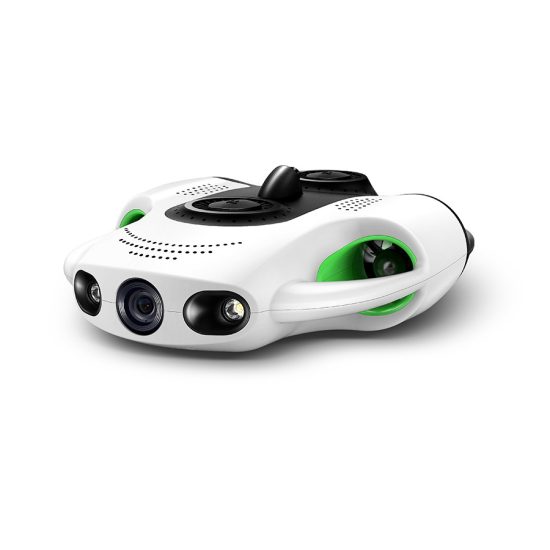
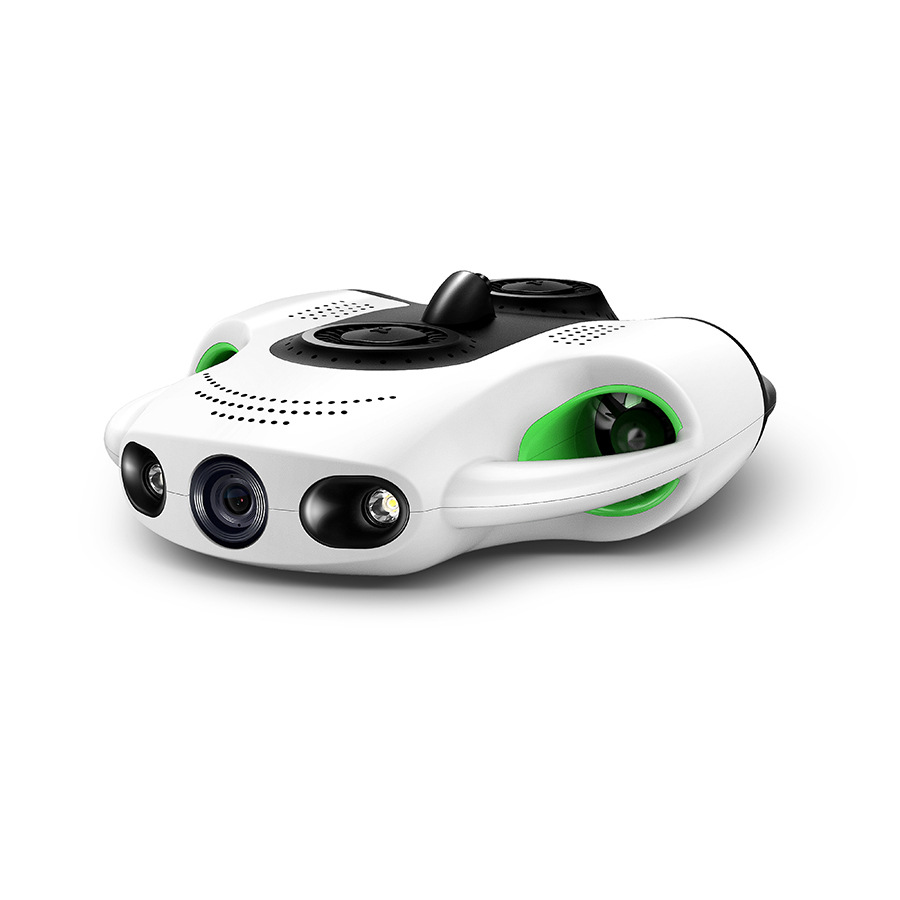
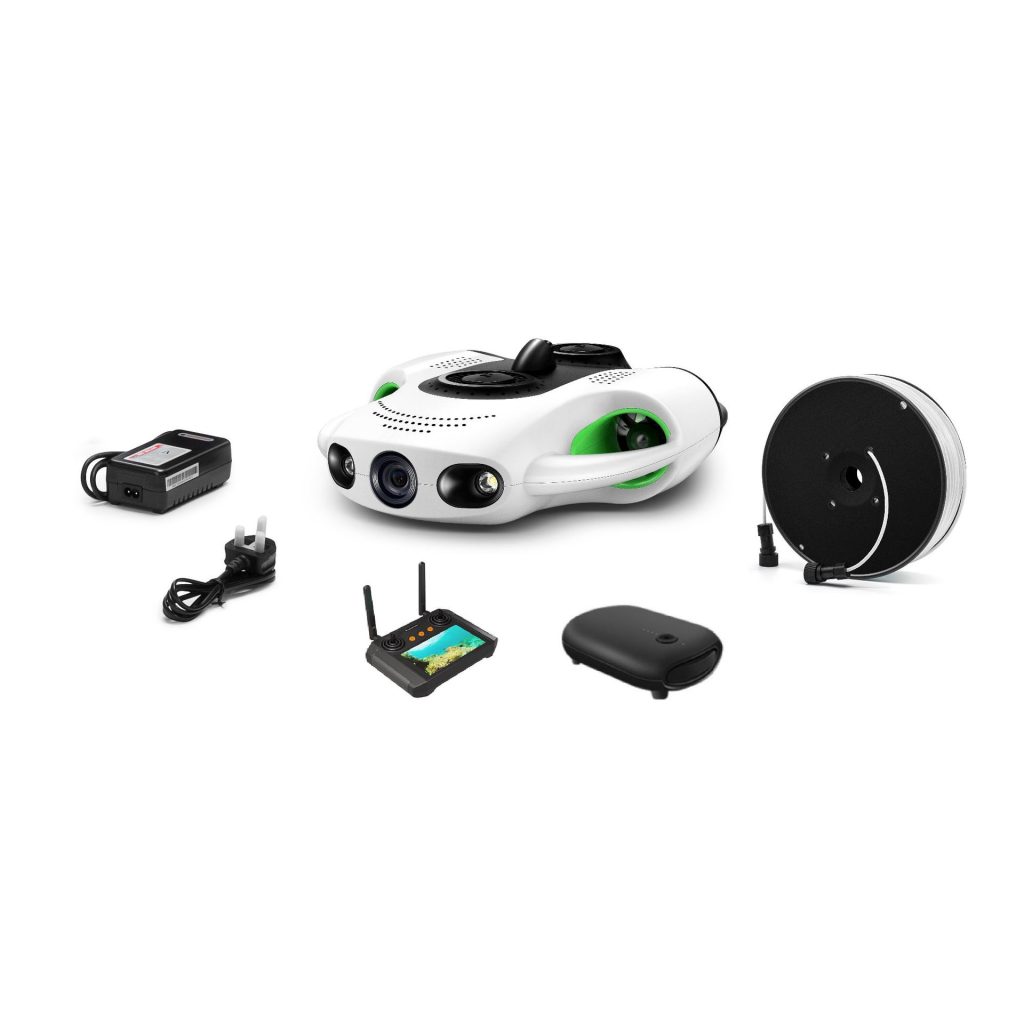
7. Miniaturization and Portability
As technology advances, intelligent underwater robots are becoming:
- Smaller and lighter
- Easier to transport and deploy
- More accessible to small teams and individuals
This trend opens up new markets and applications beyond large industrial use.
Industry Impact
Marine Research
Enables deeper and more detailed scientific exploration of ocean ecosystems.
Offshore Energy
Improves efficiency and safety in oil, gas, and renewable energy operations.
Environmental Protection
Supports large-scale monitoring of ocean pollution and climate change.
Defense and Security
Enhances underwater surveillance and reconnaissance capabilities.
Challenges to Overcome
Despite rapid progress, several challenges remain:
- Limited underwater communication bandwidth
- High development and manufacturing costs
- Complex maintenance requirements
- Navigation difficulties in low-visibility environments
Solving these issues will be key to widespread adoption.
Future Outlook
The future of intelligent underwater robots is highly promising. With continuous advancements in AI, materials science, and energy systems, these robots will become more autonomous, efficient, and widely used.
They will play a critical role in:
- Exploring unknown ocean regions
- Supporting sustainable resource development
- Protecting marine ecosystems
- Driving global marine technology innovation
Conclusion
Intelligent underwater robots are transforming the way we interact with the ocean. Their development trends point toward greater autonomy, efficiency, and versatility, making them a cornerstone of future marine technology and automation.
As innovation continues, these systems will unlock new possibilities in ocean exploration and industrial applications, shaping the future of the blue economy.


No comments yet