


Portable Underwater Robot Operation Guide | Suitable for Both Individuals and Professional Teams
Introduction
Portable underwater robots are becoming increasingly popular due to their flexibility, ease of use, and strong performance in underwater tasks. Unlike large industrial systems, portable models are designed for quick deployment, simple operation, and efficient underwater observation or inspection.
They are widely used by marine researchers, inspection teams, media creators, and even hobby users who need reliable underwater visual data in a compact form.
What Is a Portable Underwater Robot?
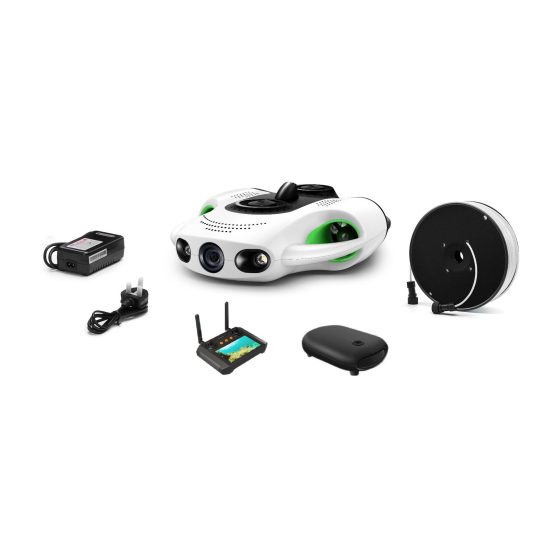
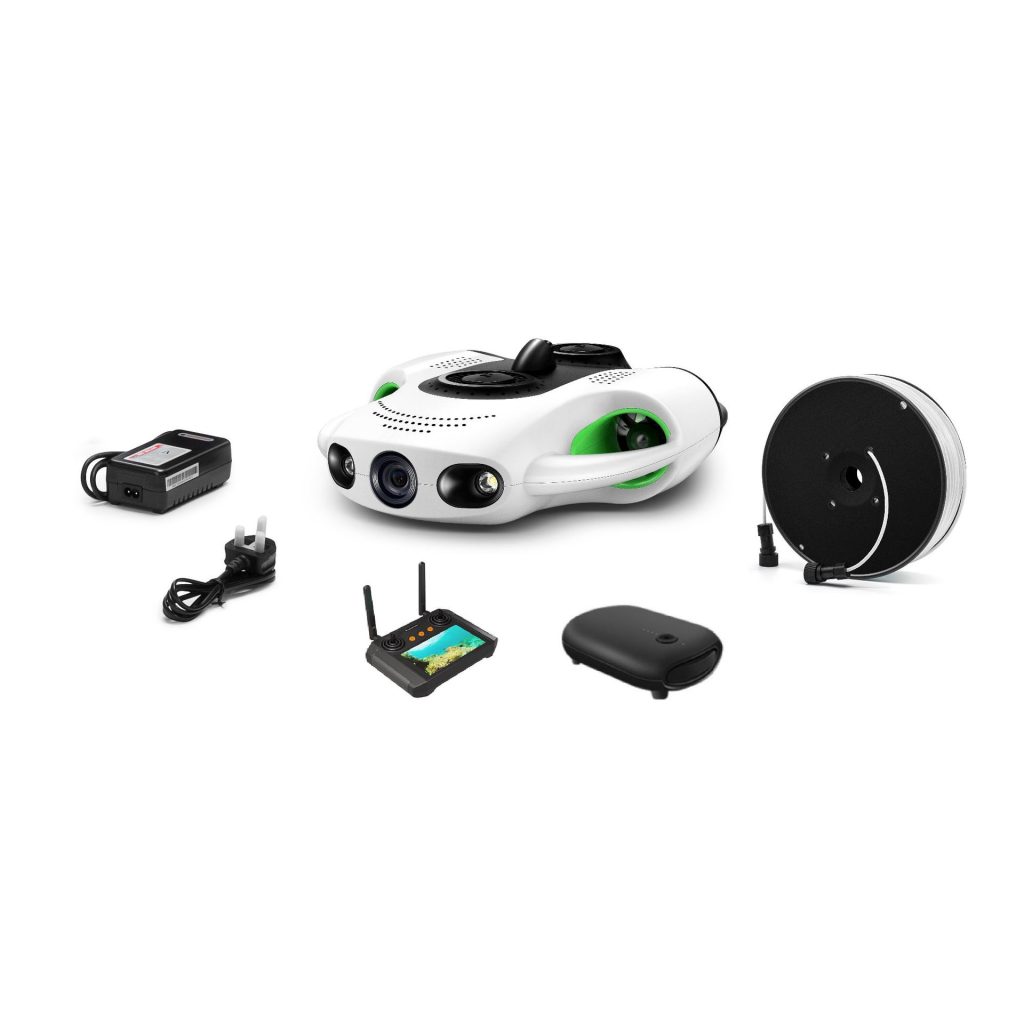
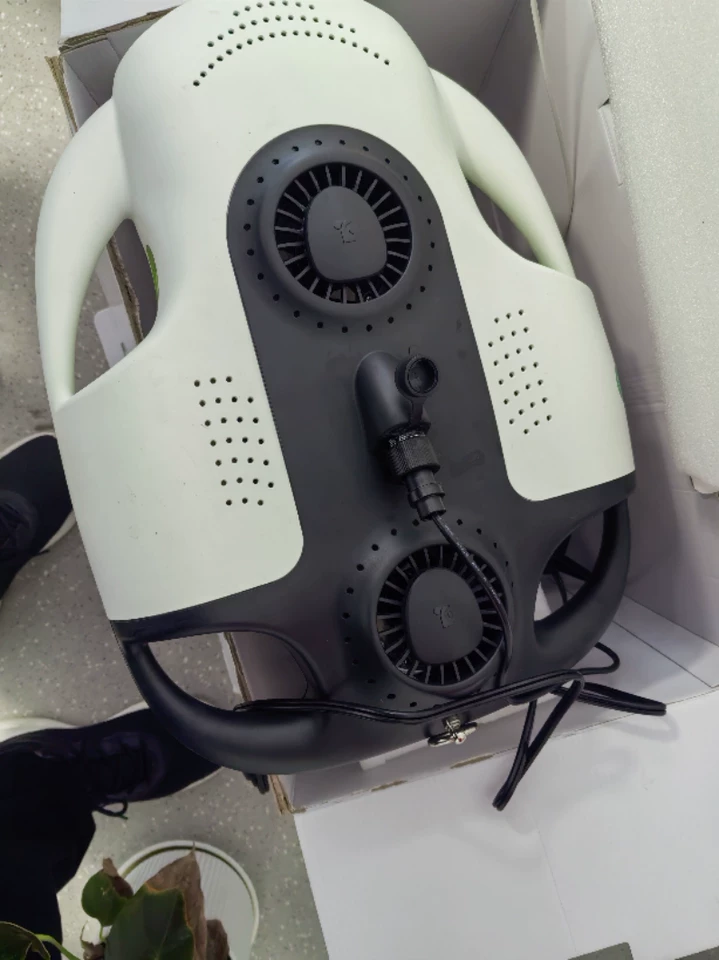
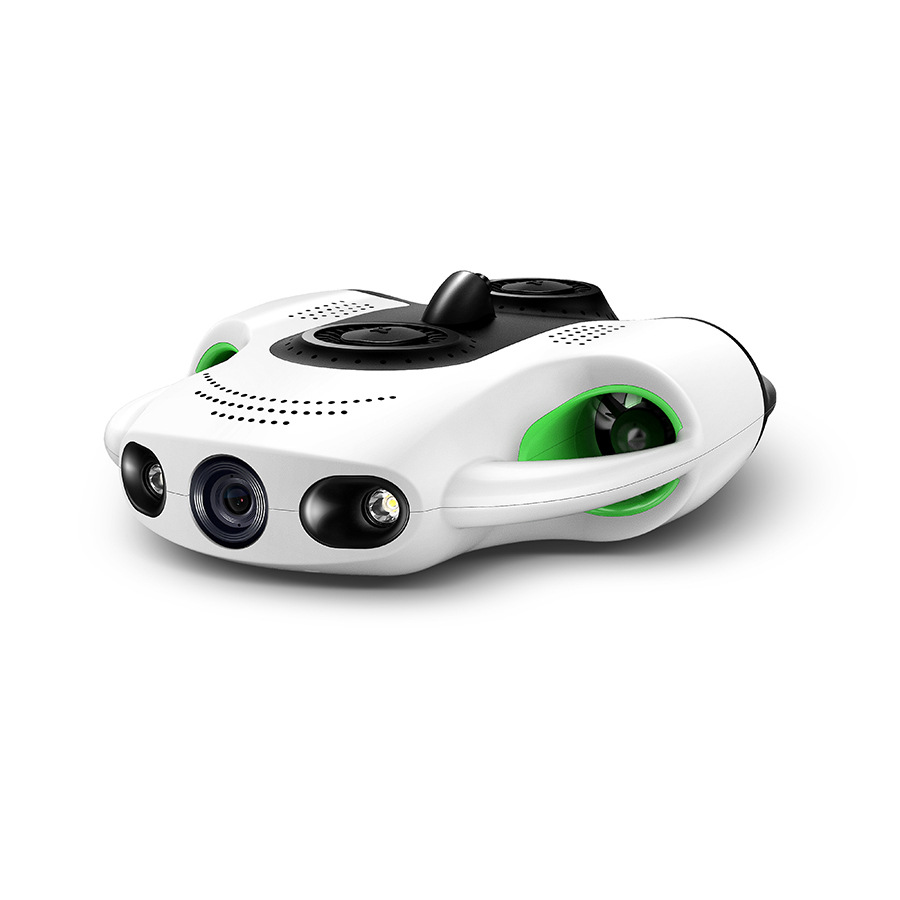
A portable underwater robot is a compact remotely operated or semi-autonomous underwater device designed for easy transport and fast deployment. It combines imaging, propulsion, and control systems into a lightweight structure.
Typical features include:
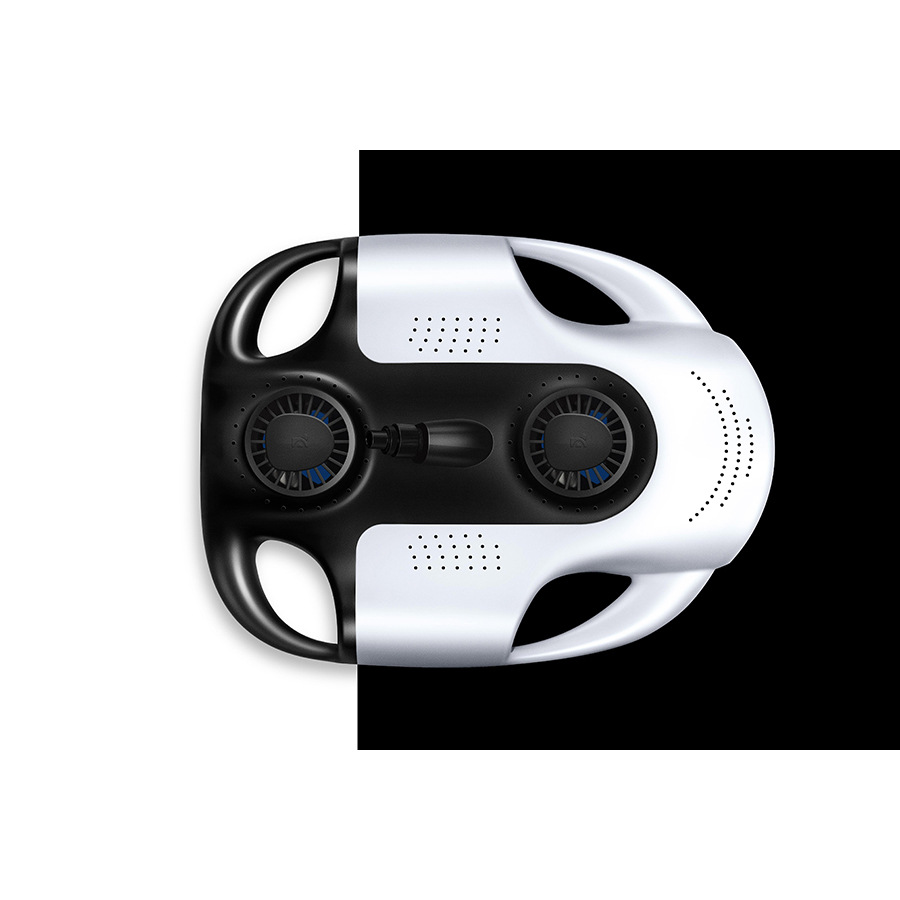
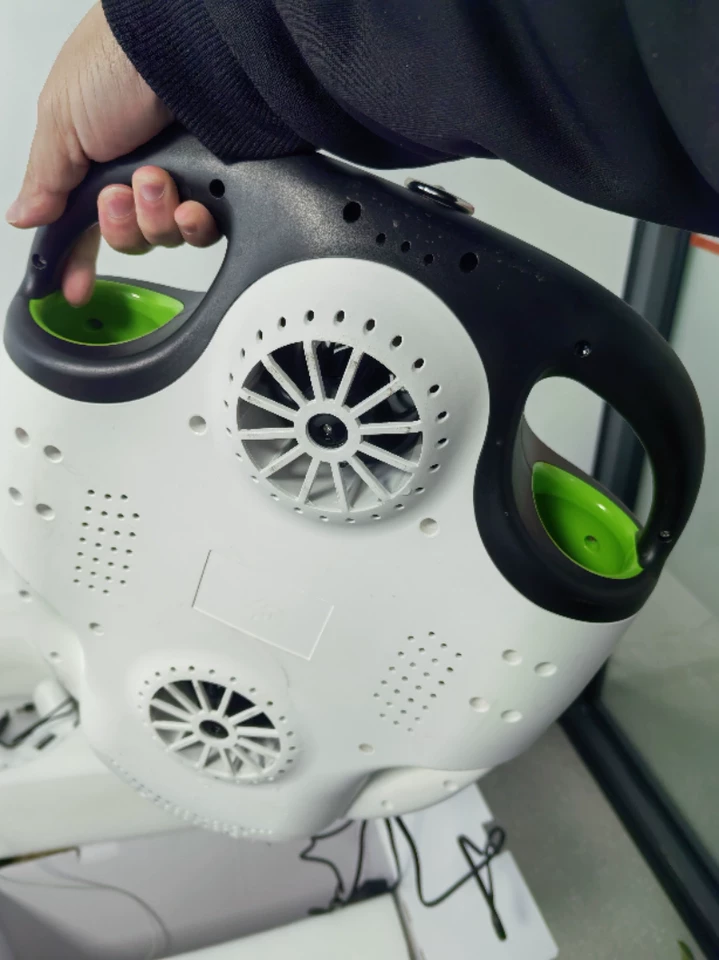
- Compact body design
- HD or 4K camera system
- Built-in LED lighting
- Simple remote control or mobile app operation
- Lightweight tether or wireless communication
Its portability makes it suitable for fieldwork and quick underwater missions.
How to Operate a Portable Underwater Robot
Step 1: Equipment Preparation
Before entering the water, ensure:
- Battery is fully charged
- Camera lens is clean
- Propellers are free from obstruction
- Control system is properly connected
Proper preparation ensures smooth operation and prevents failures during use.
Step 2: System Setup
Connect the robot to the control device, which may be:
- Remote controller
- Laptop control software
- Mobile application
Check signal connection and camera feed before deployment.
Step 3: Water Entry
Gently place the robot into the water while holding the tether (if available). Ensure:
- Stable entry without impact
- No air bubbles trapped in the system
- Proper buoyancy balance
Once stable, begin initial testing movements.
Step 4: Navigation Control
Use the control interface to operate movement:
- Forward and backward movement
- Left and right turning
- Vertical diving and ascending
- Speed adjustment
Practice smooth control to maintain stable camera footage.
Step 5: Camera Operation
Control the imaging system to:
- Adjust angle and focus
- Turn on LED lighting in dark environments
- Capture photos or record video
- Monitor live feed in real time
High-quality visual control is the main function of the robot.
Step 6: Data Collection and Return
During operation, record important underwater data. After completing the mission:
- Slowly guide the robot back
- Lift it carefully out of water
- Power off the system
- Clean and dry all components
Proper maintenance extends equipment lifespan.
Key Advantages of Portable Underwater Robots
Easy Transportation
Compact design allows users to carry and deploy it anywhere quickly.
Simple Operation
User-friendly controls make it suitable for beginners and professionals.
Fast Deployment
Can be launched within minutes, ideal for urgent tasks.
Versatile Applications
Suitable for inspection, filming, and small-scale research.
Cost-Effective Solution
Lower cost compared to large industrial underwater systems.
Common Applications
1. Small-Scale Inspection
Used for checking:
- Swimming pools
- Aquaculture farms
- Small docks and boats
2. Marine Exploration
Useful for:
- Shallow water research
- Coastal ecosystem observation
- Educational field studies
3. Underwater Filming
Popular for:
- Travel content creation
- Diving video recording
- Documentary support footage
4. Emergency Checks
Used to quickly inspect underwater conditions after:
- Storm damage
- Flooding
- Structural concerns
Maintenance Tips
To ensure long-term performance:
- Rinse with clean water after each use
- Avoid exposure to salt corrosion for long periods
- Regularly check seals and waterproof components
- Store in a dry and cool environment
- Update firmware if applicable
Proper maintenance ensures stable operation and longer service life.
Future Trends
Portable underwater robots are evolving toward:
- Smaller and lighter designs
- Longer battery life
- AI-assisted navigation
- Enhanced 4K/8K imaging systems
- Wireless real-time streaming
These improvements will make them even more accessible and powerful.
Conclusion
Portable underwater robots provide a practical and efficient solution for underwater observation and inspection. Their compact design, ease of use, and versatile applications make them suitable for both individuals and professional teams.
As technology continues to advance, these devices will become even more intelligent, user-friendly, and widely used across different industries.


No comments yet