



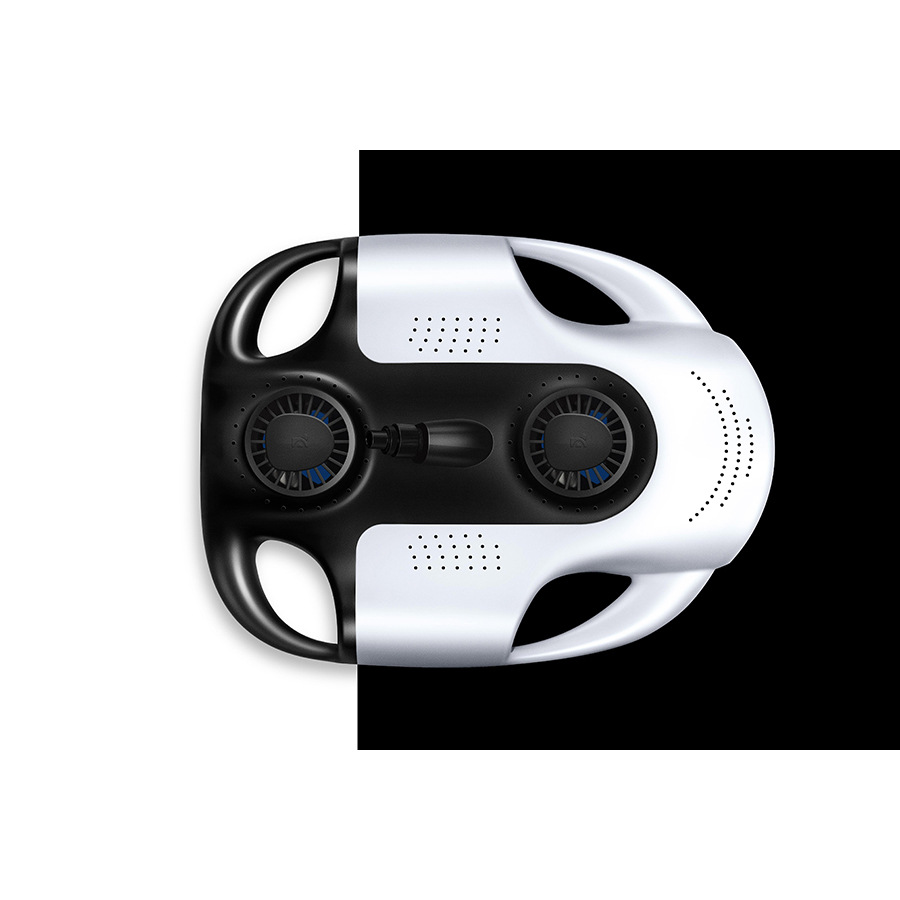
Multi-Functional Underwater Robot System | A New Technology for Improving Seabed Operation Efficiency
Introduction
As ocean-related industries continue to develop rapidly, the demand for efficient and intelligent underwater equipment is increasing. A multi-functional underwater robot system has become a key technological solution for modern marine operations. It integrates advanced robotics, sensor technology, and intelligent control systems to perform a wide range of underwater tasks with high precision and reliability.
This type of system is widely used in offshore engineering, scientific research, environmental monitoring, and underwater inspection, significantly improving operational efficiency and reducing human risk.
What Is a Multi-Functional Underwater Robot System?
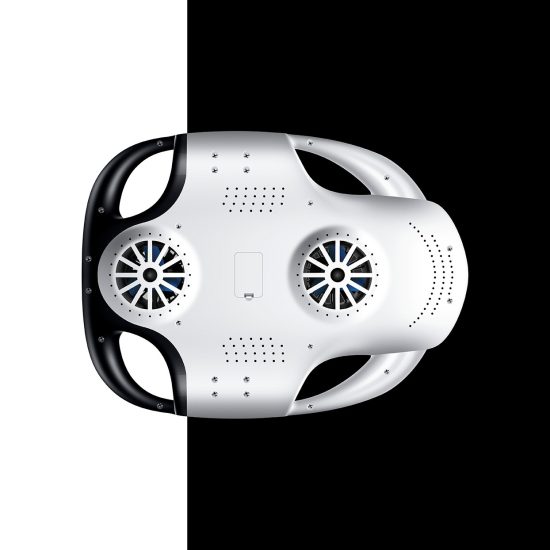
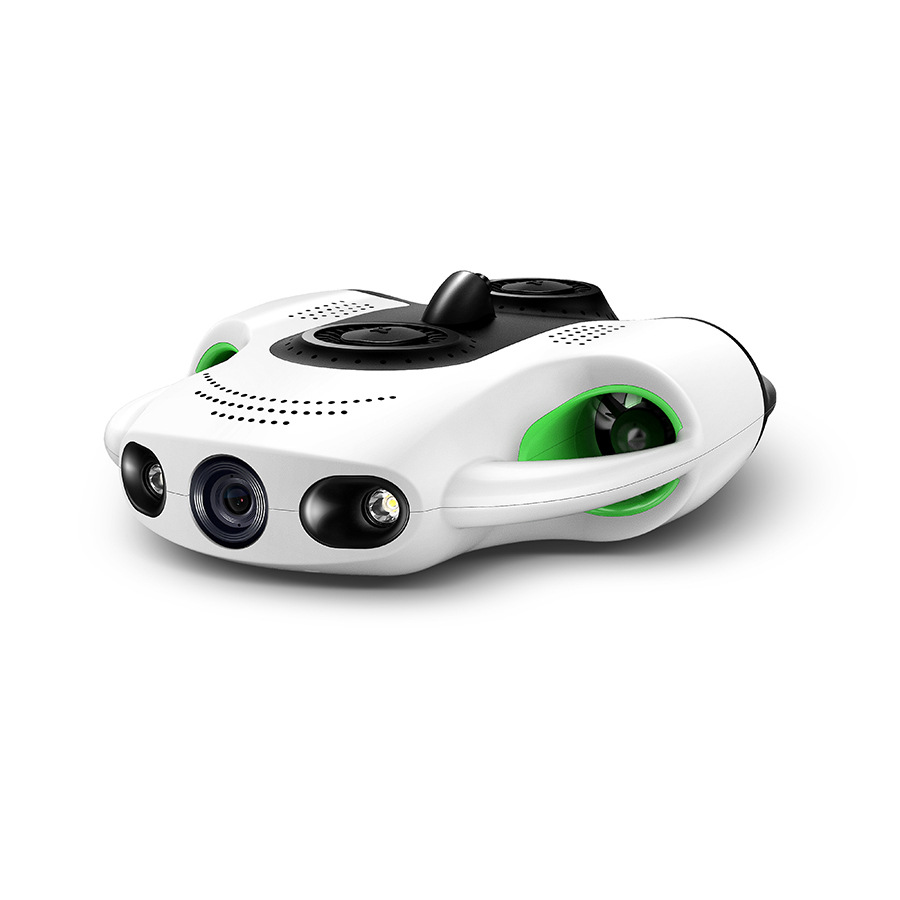
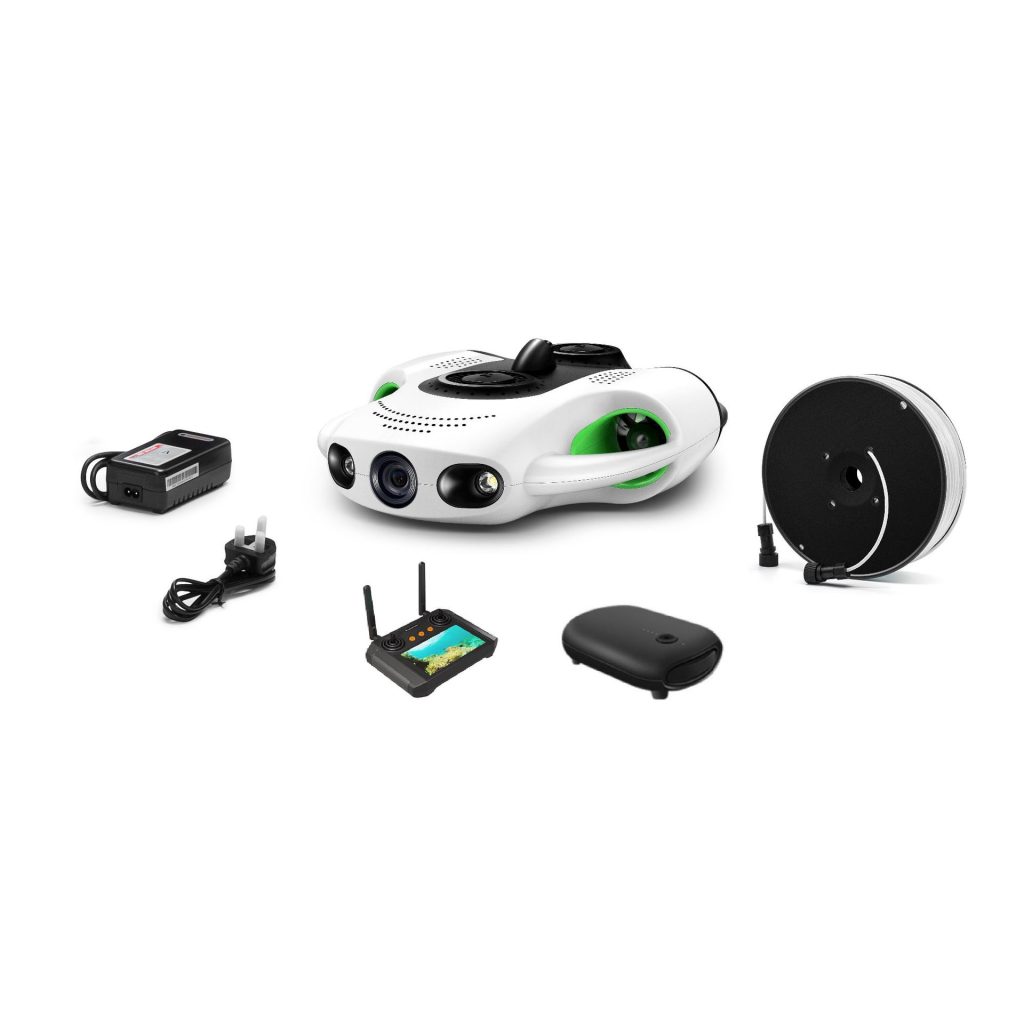
A multi-functional underwater robot system is an advanced robotic platform designed to perform various underwater tasks within a single integrated structure. Unlike traditional single-purpose equipment, it can switch between different functions depending on mission requirements.
It usually includes:
- High-definition underwater camera systems
- Sonar and navigation sensors
- Robotic arms for manipulation tasks
- Modular tool interfaces
- Real-time communication systems
This flexibility makes it suitable for complex and changing underwater environments.
Core Functions of the System
1. Underwater Inspection
The system can inspect underwater structures such as:
- Offshore oil platforms
- Subsea pipelines
- Bridge foundations
- Ship hulls
It identifies cracks, corrosion, and structural damage with high accuracy.
2. Environmental Monitoring
Multi-functional underwater robots are widely used for environmental protection tasks, including:
- Water quality analysis
- Marine pollution detection
- Coral reef monitoring
- Sediment condition analysis
These functions help governments and organizations track ecological changes in real time.
3. Underwater Construction Support
In marine engineering projects, the system assists with:
- Cable and pipeline installation
- Underwater welding inspection
- Structural alignment checks
- Construction progress documentation
This improves precision and reduces project risks.
4. Scientific Exploration
Researchers use these systems to explore deep-sea environments and collect valuable data such as:
- Marine species behavior
- Seafloor geology
- Hydrothermal vent activity
- Deep ocean temperature and pressure
This supports scientific discoveries and climate research.
5. Search and Recovery Operations
The system is highly effective in emergency situations, such as:
- Locating sunken objects
- Shipwreck investigation
- Equipment recovery
- Disaster response missions
Its sonar and robotic arm functions allow precise targeting in low-visibility environments.
Key Advantages
High Integration
Combines multiple tools and functions into one system, reducing the need for multiple devices.
Operational Flexibility
Can adapt to different underwater tasks by switching modules or tools.
Improved Efficiency
Completes complex missions faster and with greater accuracy.
Enhanced Safety
Reduces the need for human divers in dangerous underwater conditions.
Real-Time Data Transmission
Provides instant feedback for better decision-making during operations.
Technology Behind the System
Modern multi-functional underwater robot systems rely on several advanced technologies:
- AI-based navigation and obstacle avoidance
- High-precision sonar imaging
- Wireless or fiber-optic communication systems
- Deep-sea pressure-resistant materials
- Modular robotic architecture
These technologies work together to ensure stable and intelligent underwater performance.
Application Industries
This system is widely used in:
- Offshore oil and gas industry
- Marine engineering and construction
- Environmental protection agencies
- Scientific research institutions
- Defense and rescue operations
Its versatility makes it suitable for both commercial and research purposes.
Future Development Trends
The future of multi-functional underwater robot systems is moving toward:
- Fully autonomous underwater operations
- AI-driven decision-making systems
- Longer battery life and endurance
- Smaller and more portable designs
- Integration with satellite and cloud platforms
These advancements will further expand their role in global ocean development.
Conclusion
The multi-functional underwater robot system represents a major advancement in marine technology. By combining multiple capabilities into one intelligent platform, it greatly improves the efficiency, safety, and accuracy of underwater operations.
As technology continues to evolve, these systems will play an increasingly important role in ocean exploration, industrial applications, and environmental protection.


No comments yet