



Introduction
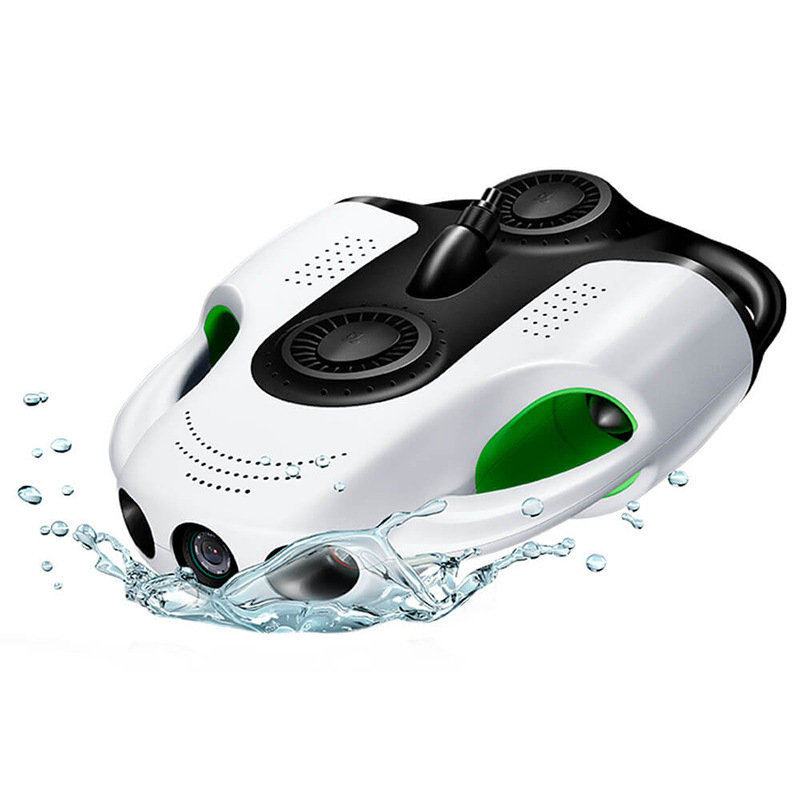
With the rapid development of marine technology, high-definition camera underwater robot equipment has become an essential tool for underwater observation and recording. Whether in scientific research, industrial inspection, or environmental monitoring, clear visual data is critical for accurate analysis and decision-making.
These advanced underwater robots combine HD imaging systems, intelligent control technology, and strong underwater mobility, allowing users to capture stable and high-quality visuals even in deep or low-visibility environments.
What Is a High-Definition Camera Underwater Robot?
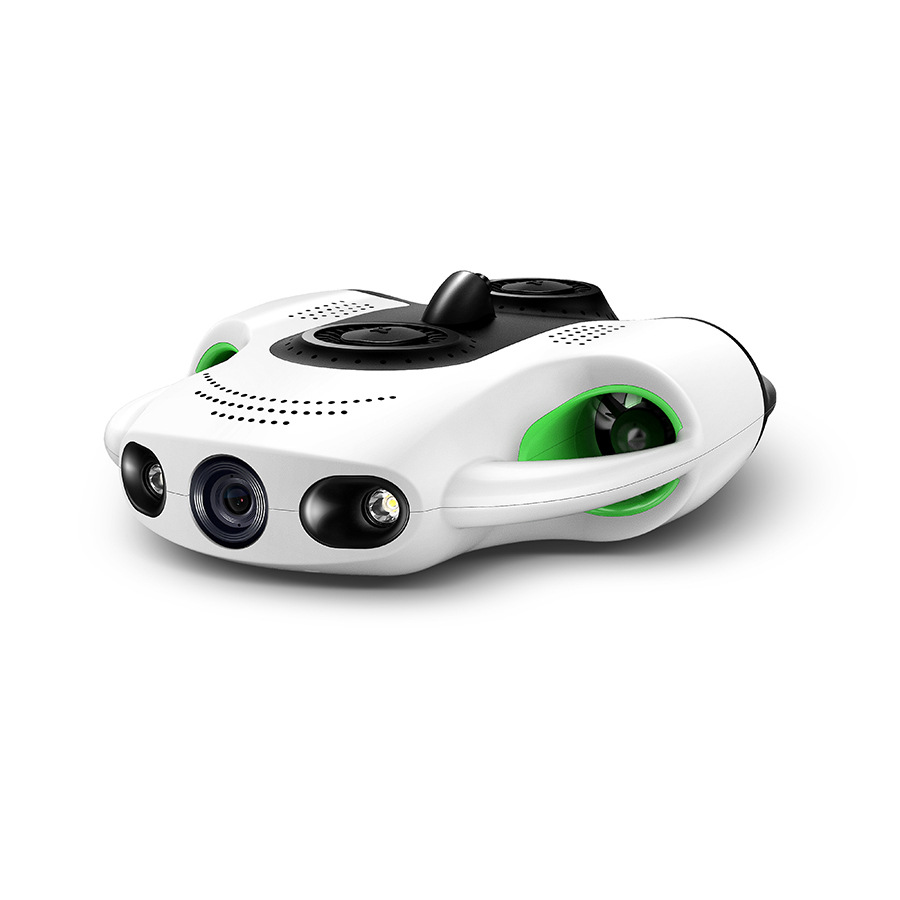
A high-definition camera underwater robot is a remotely operated or autonomous underwater system equipped with advanced imaging technology. Its main function is to provide real-time video and photographic data of underwater environments.
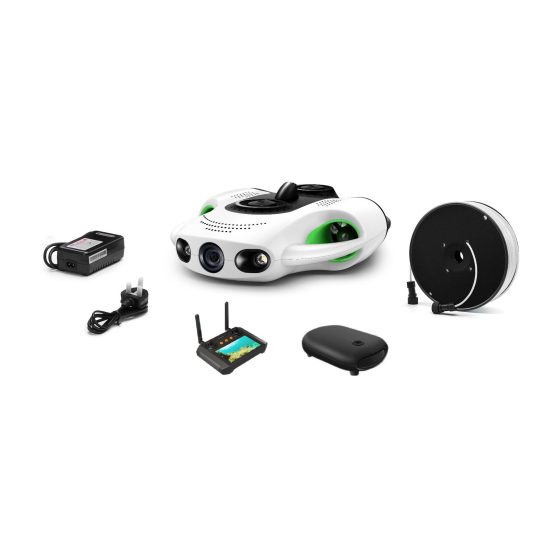
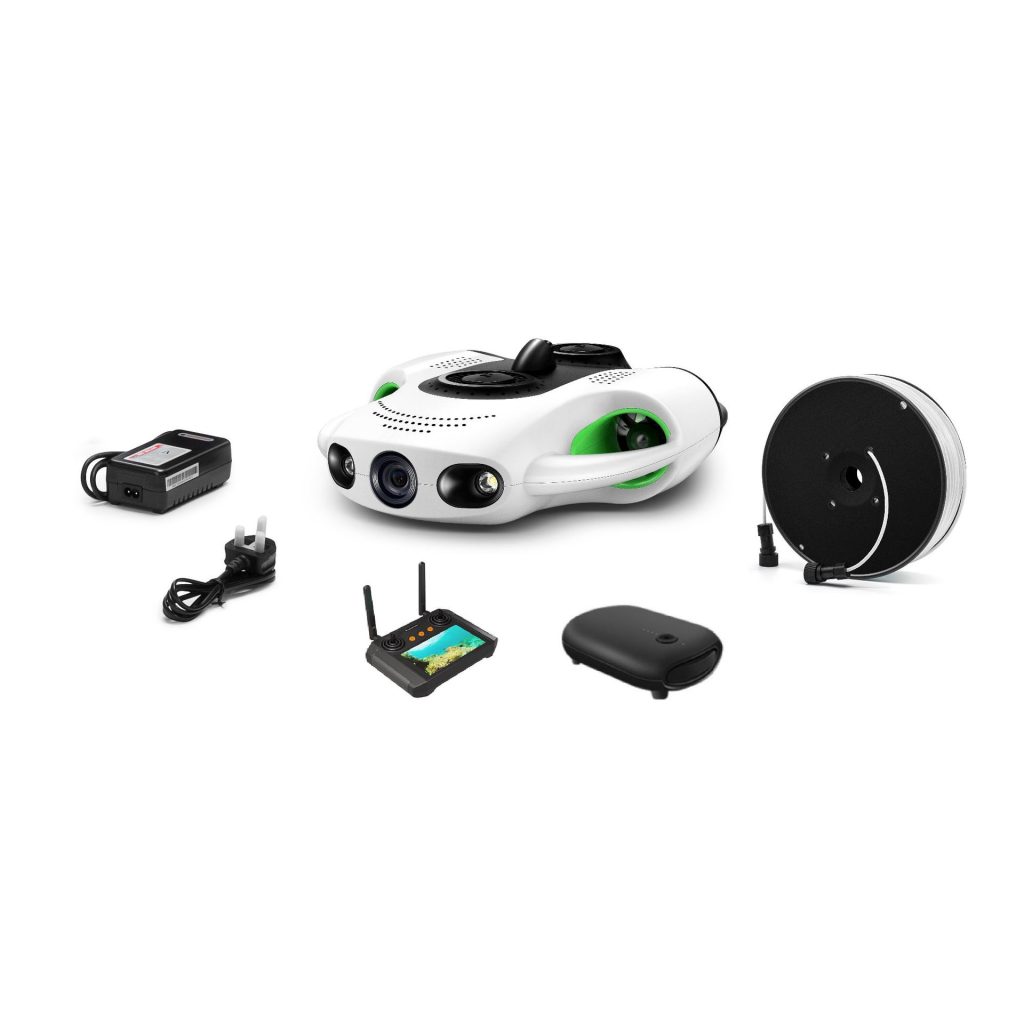
It typically includes:
- HD or 4K underwater cameras
- LED lighting systems for low-light conditions
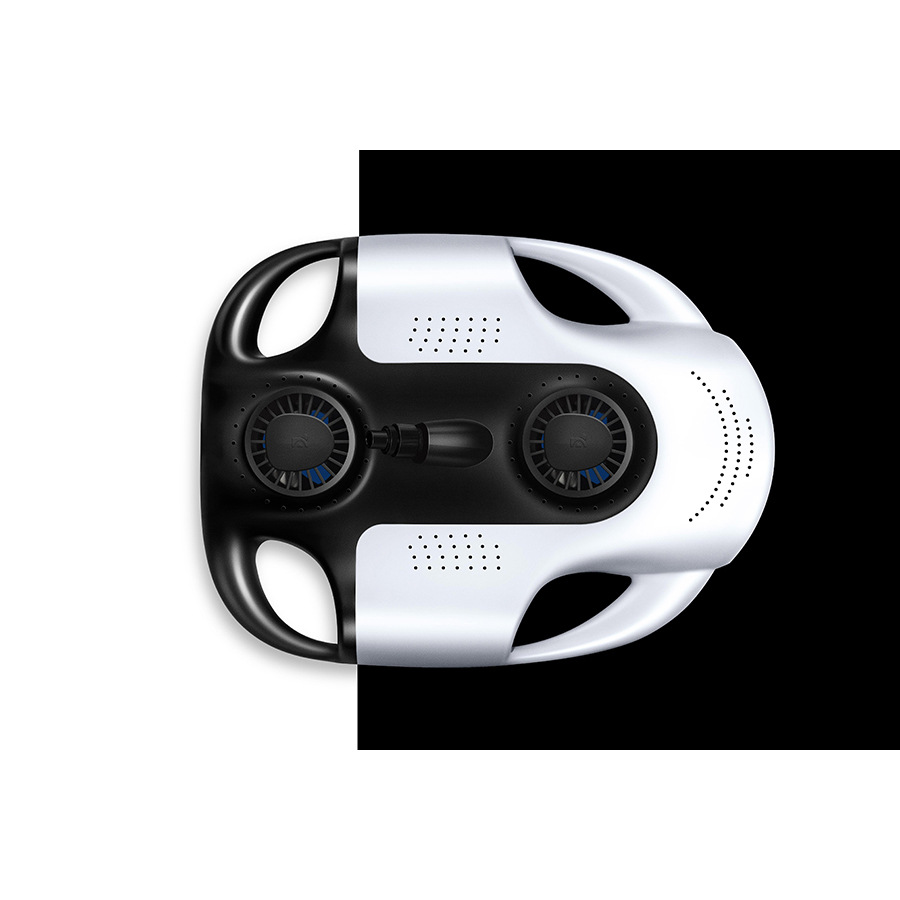
- Stabilized propulsion systems
- Real-time video transmission modules
- Remote control or autonomous navigation systems
This makes it suitable for professional underwater observation tasks.
Key Applications
1. Marine Scientific Observation
Researchers use HD underwater robots to observe marine life and ecosystems in real time, including:
- Fish behavior tracking
- Coral reef monitoring
- Deep-sea organism recording
- Habitat environment studies
This helps improve understanding of marine biodiversity.
2. Industrial Underwater Inspection
In industrial sectors, these robots are widely used for visual inspections of:
- Offshore platforms
- Subsea pipelines
- Ship hulls
- Bridge underwater structures
High-definition video allows engineers to detect damage, corrosion, or structural issues clearly.
3. Environmental Monitoring
HD underwater robots play an important role in environmental protection by recording:
- Water pollution conditions
- Plastic waste distribution
- Oil spill spread
- Marine ecosystem changes
This visual data supports environmental analysis and policy making.
4. Search and Rescue Operations
They are also used in emergency situations, such as:
- Locating sunken objects
- Shipwreck investigations
- Underwater accident analysis
- Disaster recovery missions
Real-time video helps rescue teams make fast and accurate decisions.
5. Underwater Filming and Media Production
These robots are widely used in professional filming projects, including:
- Documentary production
- Marine wildlife filming
- Scientific education videos
- Engineering project documentation
They provide stable, high-quality underwater footage without requiring divers.
Key Features
High-Definition Imaging
Equipped with advanced HD or 4K cameras for clear and detailed underwater visuals.
Strong Low-Light Performance
Built-in LED lighting systems ensure visibility in dark deep-sea environments.
Real-Time Video Transmission
Operators can view live underwater footage for immediate decision-making.
Stable Movement System
Multi-thruster design ensures smooth and steady navigation underwater.
User-Friendly Control
Can be operated via joystick, remote console, or software interface.
Advantages
Clear Visual Data
Provides high-resolution images and videos for accurate analysis.
Improved Safety
Reduces the need for human divers in dangerous underwater conditions.
Easy Operation
Designed for both professional and beginner-level users with training.
Wide Application Range
Suitable for scientific, industrial, and media industries.
Cost Efficiency
Reduces long-term inspection and filming costs.
Technology Behind HD Underwater Robots
Modern systems rely on advanced technologies such as:
- High-resolution CMOS imaging sensors
- Digital image stabilization systems
- Fiber-optic or wireless transmission modules
- AI-assisted navigation systems
- Waterproof and pressure-resistant housing
These technologies ensure stable and reliable underwater performance.
Future Development Trends
The future of HD underwater camera robots includes:
- 8K ultra-high-definition imaging systems
- AI-based object recognition underwater
- Longer battery life and endurance
- Compact and portable designs
- Cloud-based live streaming integration
These advancements will further improve underwater observation capabilities.
Conclusion
High-definition camera underwater robot equipment is revolutionizing underwater observation and recording. By providing clear, real-time visual data in complex underwater environments, it plays an important role in science, industry, and environmental protection.
As technology continues to evolve, these systems will become even more powerful, enabling deeper exploration and more accurate underwater insights.


No comments yet