


Introduction
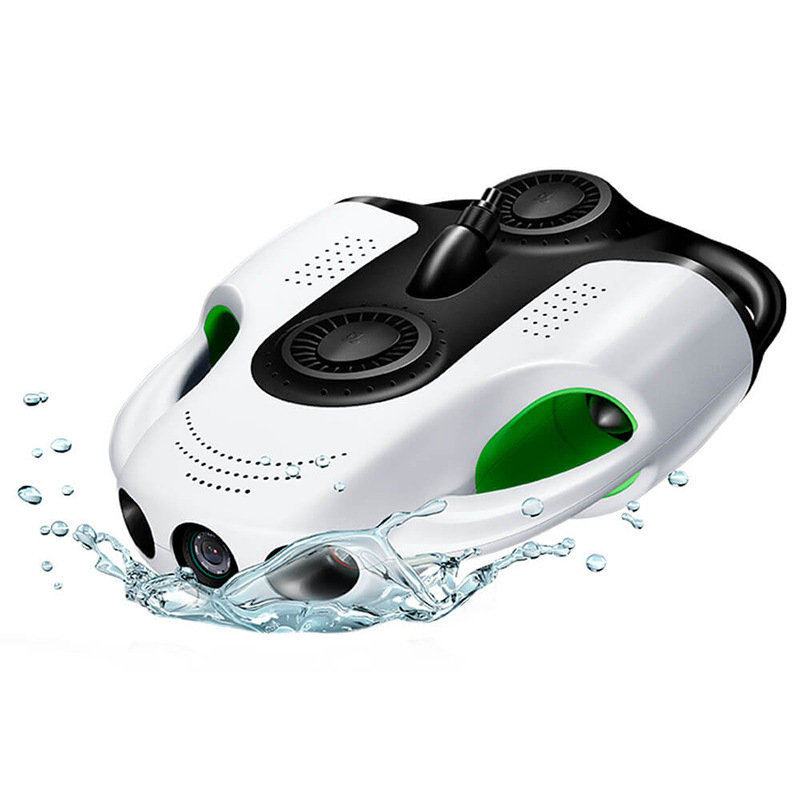
Industrial underwater robots have become an essential tool in modern marine operations. As industries expand into deeper and more complex underwater environments, the demand for safe, efficient, and intelligent equipment continues to grow. Underwater robots are now widely used in offshore engineering, infrastructure inspection, scientific research, and underwater filming.
With advanced control systems, high-definition imaging, and strong adaptability, these machines significantly improve operational efficiency while reducing human risk.
What Are Industrial Underwater Robots?
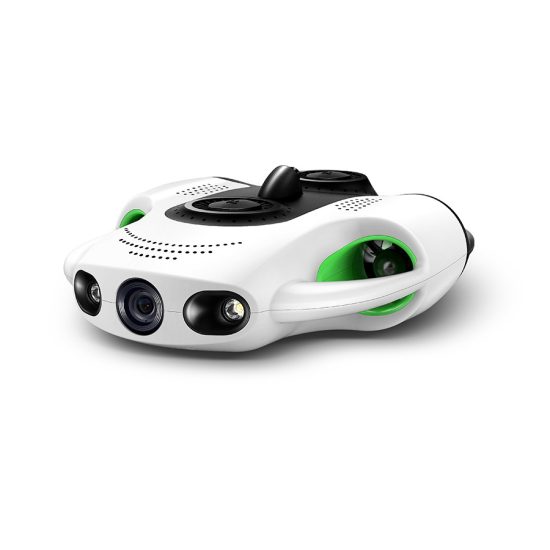
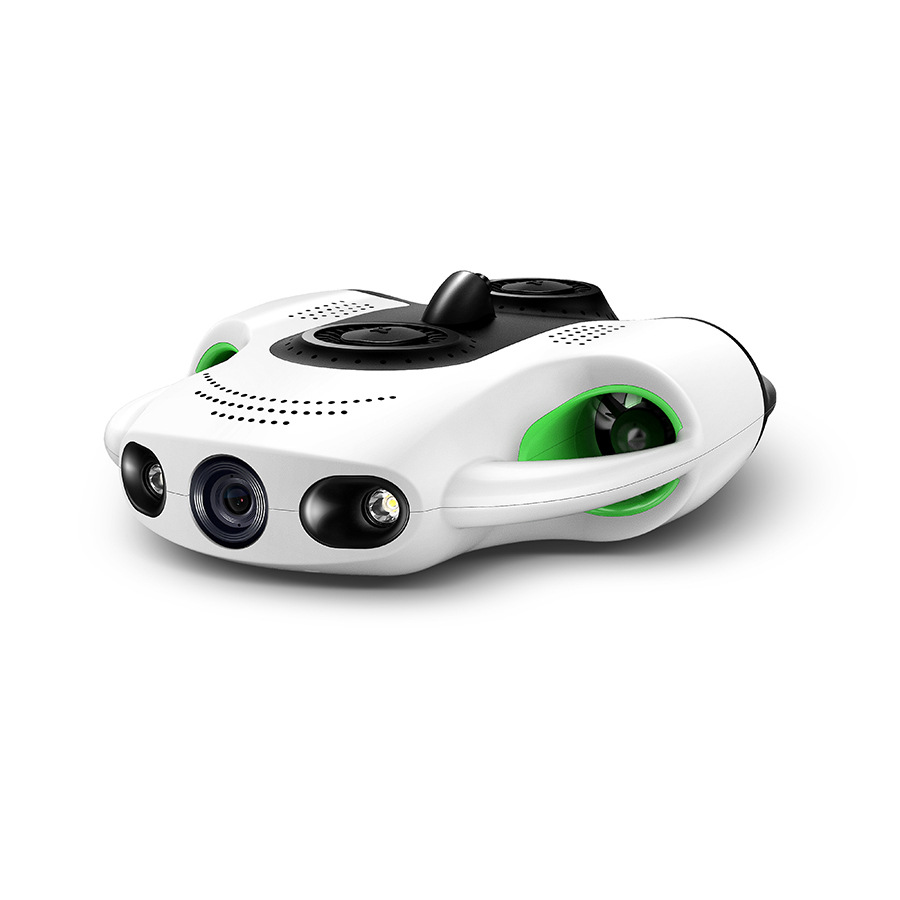
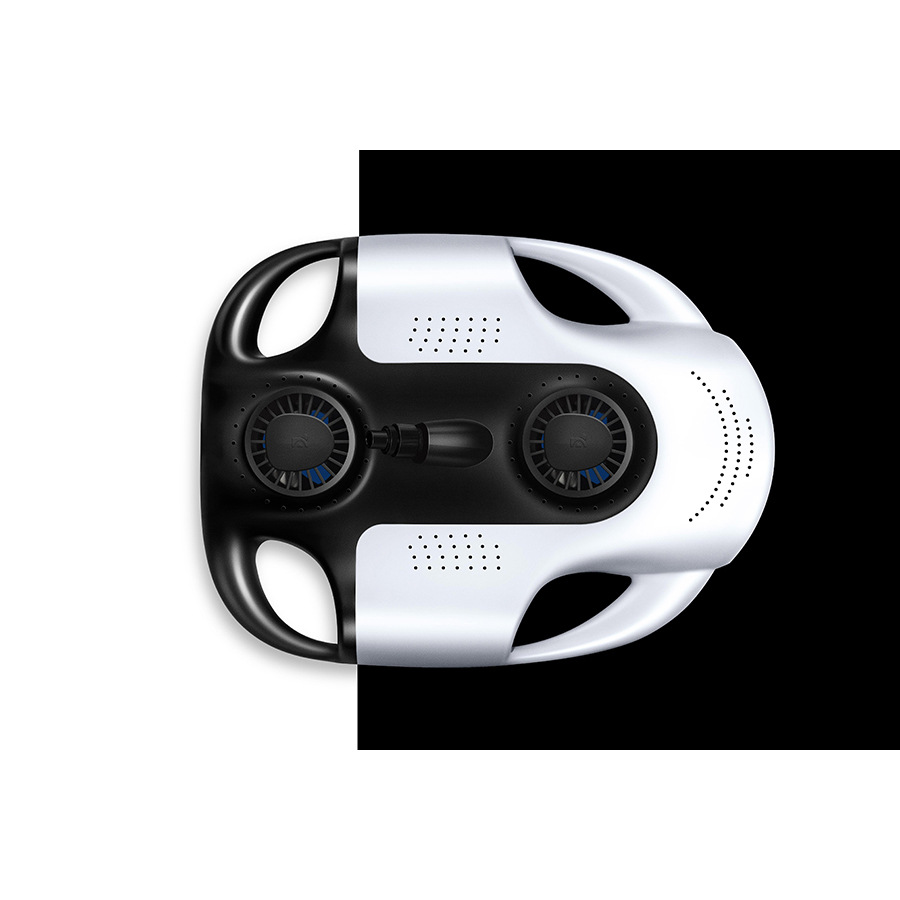
Industrial underwater robots are unmanned systems designed for professional underwater tasks. Unlike consumer-grade devices, they are built for heavy-duty applications such as inspection, maintenance, and data collection in harsh underwater environments.
They are mainly divided into:
- ROV (Remotely Operated Vehicle) – Controlled by operators via tether cable for real-time precision tasks
- AUV (Autonomous Underwater Vehicle) – Operates independently using pre-programmed routes and AI systems
Industrial models are typically equipped with stronger propulsion systems, deeper diving capabilities, and advanced sensor integration.
Key Applications
1. Offshore Infrastructure Inspection
Underwater robots are widely used to inspect offshore structures such as:
- Oil platforms
- Wind turbine foundations
- Subsea pipelines
- Bridge piers
They help detect cracks, corrosion, and structural damage without requiring divers, improving both safety and efficiency.
2. Marine Equipment Maintenance
Maintenance in underwater environments is highly challenging and costly. Industrial underwater robots assist in:
- Cleaning marine structures
- Inspecting mechanical parts
- Supporting underwater repair operations
- Monitoring equipment performance
This reduces downtime and extends equipment lifespan.
3. Underwater Filming and Documentation
High-definition underwater robots are increasingly used for professional filming, including:
- Marine documentaries
- Scientific recording
- Engineering project documentation
- Environmental monitoring footage
Equipped with 4K or even higher-resolution cameras, they provide stable and clear underwater visuals.
4. Scientific and Environmental Monitoring
Researchers and environmental agencies use underwater robots to collect data on:
- Water quality and pollution
- Marine ecosystems
- Coral reef conditions
- Seabed mapping
This helps in understanding environmental changes and supporting conservation efforts.
5. Search and Recovery Operations
Industrial underwater robots are crucial in emergency response scenarios such as:
- Shipwreck investigations
- Black box recovery
- Lost equipment retrieval
- Disaster zone underwater search
Their sonar systems and robotic arms allow precise identification and recovery tasks.
Key Features of Industrial Underwater Robots
High Durability
Built with corrosion-resistant and pressure-resistant materials for deep-sea operations.
Advanced Imaging Systems
Equipped with HD or 4K cameras and powerful LED lighting for clear visibility in dark waters.
Precision Control
Real-time joystick or software-based control systems allow accurate maneuvering.
Strong Propulsion System
Multi-directional thrusters enable stable movement even in strong currents.
Modular Design
Supports different tools such as robotic arms, sonar, and sensors for flexible applications.
Advantages of Using Industrial Underwater Robots
Enhanced Safety
Reduces the need for human divers in dangerous environments.
Improved Efficiency
Completes inspection and maintenance tasks faster than traditional methods.
Cost Reduction
Minimizes labor costs and reduces operational downtime.
Data Accuracy
Provides real-time, high-precision underwater data collection.
Versatility
Suitable for multiple industries and different underwater conditions.
How to Choose the Right Industrial Underwater Robot
When selecting a model, consider the following factors:
- Maximum operating depth
- Camera resolution and lighting system
- Control system type (ROV or AUV)
- Payload capacity for tools or sensors
- Battery life or power supply system
- Environmental resistance level
Choosing the right configuration ensures better performance and long-term reliability.
Future Trends in Industrial Underwater Robotics
The industry is moving toward more advanced and intelligent systems, including:
- AI-powered autonomous navigation
- Real-time cloud data transmission
- Enhanced deep-sea pressure resistance
- Compact and portable designs
- Multi-robot collaborative systems
These innovations will further expand industrial applications and efficiency.
Conclusion
Industrial underwater robots are transforming underwater operations across multiple industries. From infrastructure inspection to underwater filming and emergency recovery, they provide a safe, efficient, and highly accurate solution for complex marine environments.
As technology continues to evolve, these systems will play an even more important role in global ocean engineering and industrial automation.
FAQ
Q1: What industries use industrial underwater robots?
They are widely used in offshore energy, marine engineering, scientific research, and environmental monitoring.
Q2: Can underwater robots replace human divers?
They cannot fully replace divers but greatly reduce the need for human involvement in dangerous tasks.
Q3: How deep can industrial underwater robots operate?
Depending on the model, they can operate from tens to several thousand meters underwater.
Q4: Are they difficult to operate?
Modern systems are designed with user-friendly controls, making them easier to operate even for beginners with training.
Q5: What is the difference between ROV and AUV?
ROVs are cable-controlled, while AUVs operate autonomously without real-time human control.


No comments yet