



Professional Underwater Drone Manufacturer Integrating AI Deep-Sea Fish Recognition Technology
We are an experienced underwater drone (ROV) manufacturer specializing in AI-powered marine research solutions, including automatic deep-sea fish species identification, real-time marine biodiversity monitoring, subsea ecological surveys, and intelligent ocean data collection systems. By combining high-resolution imaging, machine learning algorithms, and industrial-grade underwater robotics, we provide advanced tools that empower marine scientists, research institutes, environmental agencies, and offshore industries.This article is written based on practical engineering experience in underwater robotics, AI model integration, marine field deployment, and global research project collaboration. It follows E-E-A-T principles (Experience, Expertise, Authoritativeness, Trustworthiness) to provide reliable, technically grounded insights for institutions seeking intelligent marine monitoring solutions.
Underwater Drone + AI: Automatic Deep-Sea Fish Population Identification Empowering Scientific Research
The deep sea remains one of the least explored ecosystems on Earth. Traditional marine surveys rely heavily on divers, trawl sampling, or stationary camera systems—methods that are labor-intensive, limited in depth, and often disruptive to marine habitats.
Today, the integration of underwater drones (ROVs) and artificial intelligence (AI) is transforming ocean science. AI-powered underwater vehicles can automatically detect, classify, and quantify deep-sea fish populations in real time—dramatically improving research efficiency, data accuracy, and ecological protection.
If you are searching for:
- AI underwater drone for deep sea fish recognition
- Intelligent marine biodiversity monitoring ROV
- Automatic fish species detection underwater robot
- Deep ocean research drone with machine learning
- AI marine population analysis system
- Scientific ROV with real-time fish identification
This long-form SEO guide explains the technology, applications, system architecture, customization options, research value, deployment models, and procurement details.
1. The Technological Convergence: Underwater Robotics + AI Vision
The synergy between underwater robotics and artificial intelligence creates a powerful scientific tool:
- High-definition underwater cameras
- Low-light deep-sea imaging sensors
- Edge computing AI modules
- Machine learning classification models
- Real-time data transmission systems
Together, these components enable autonomous ecological observation at depths previously difficult to monitor continuously.
2. Core Components of an AI-Enabled Underwater Drone
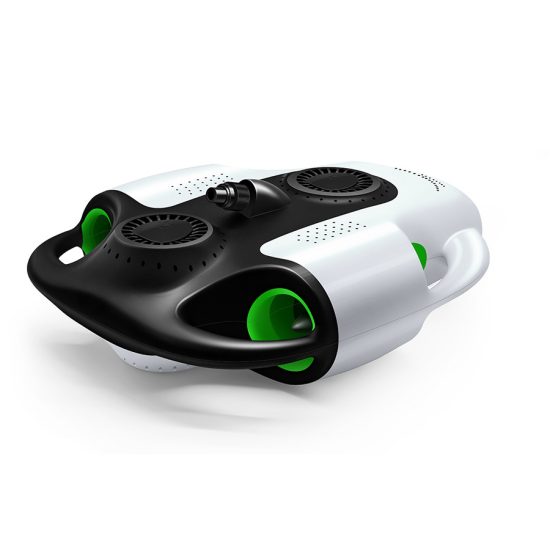
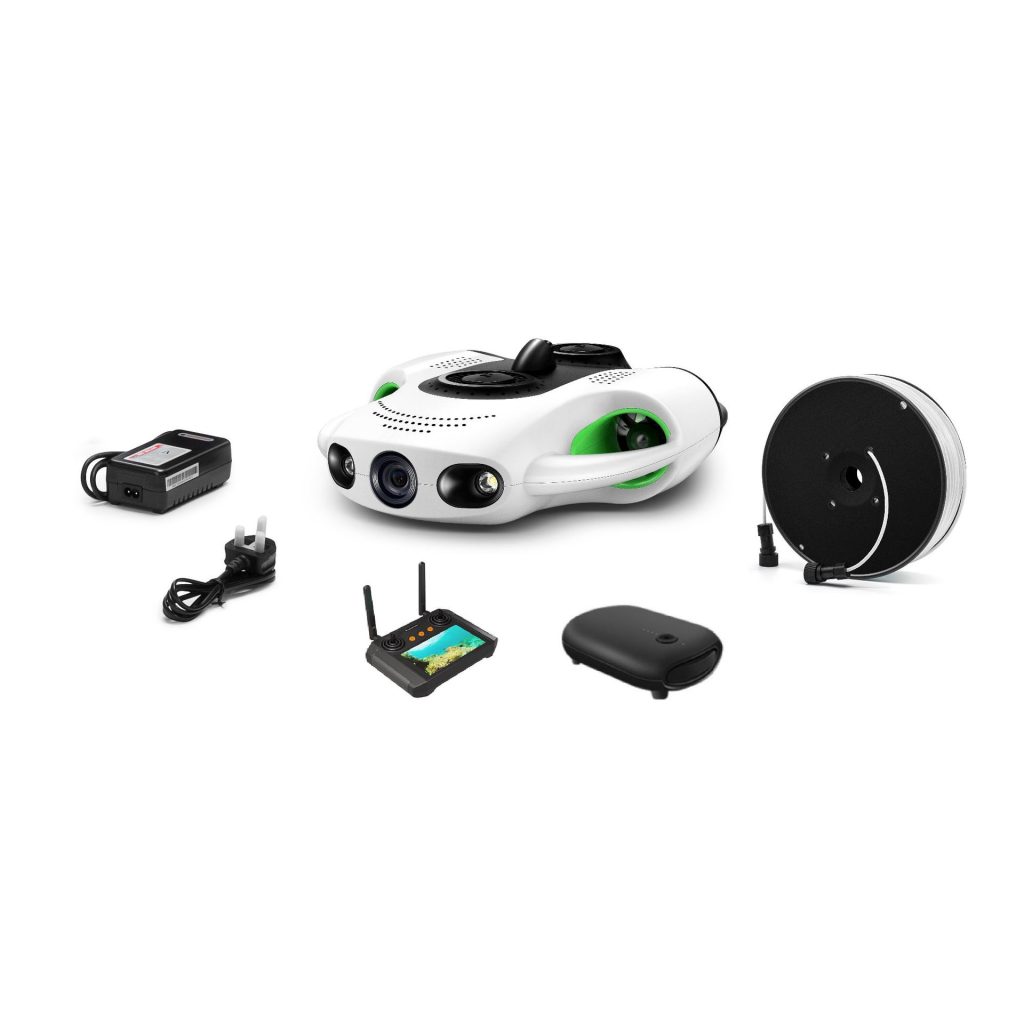
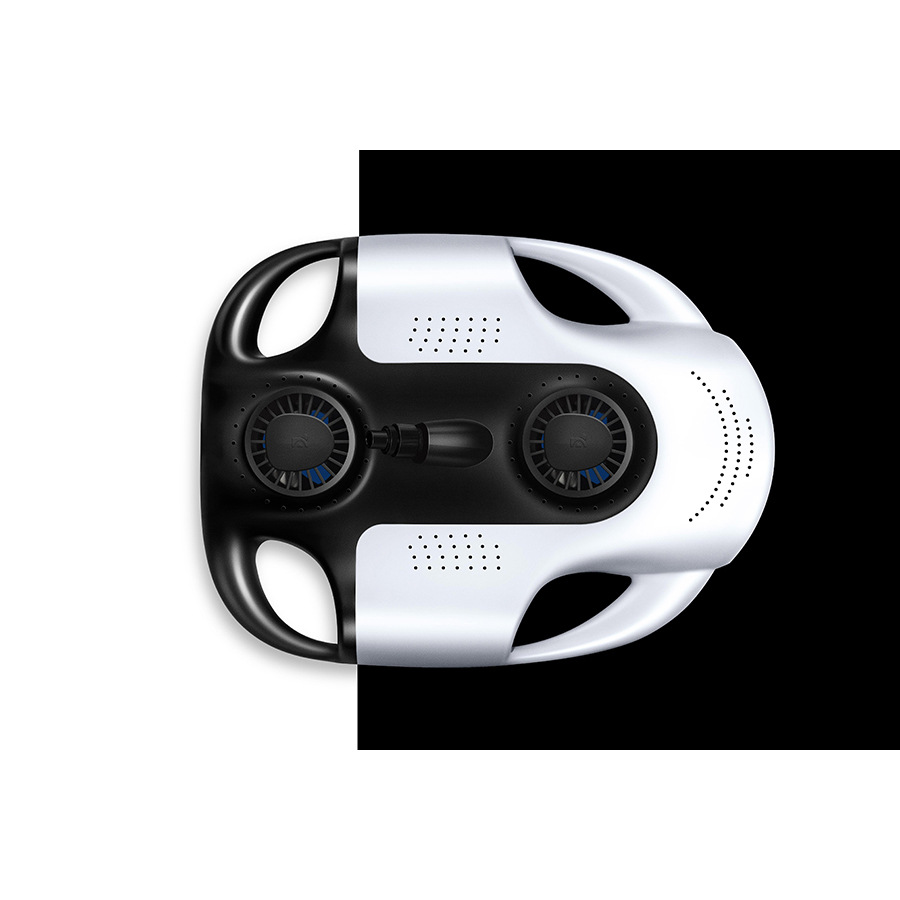
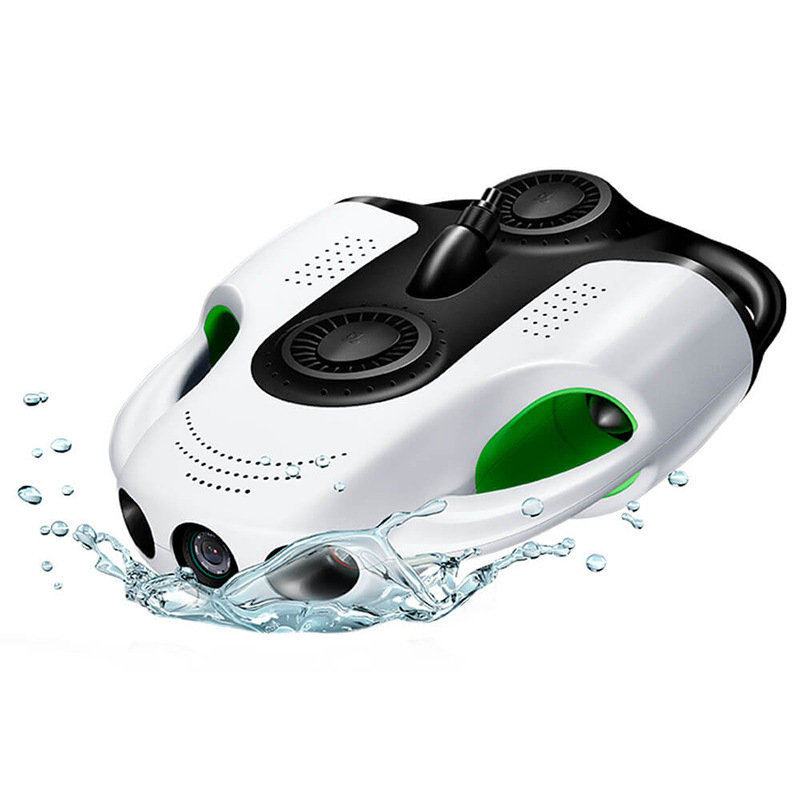
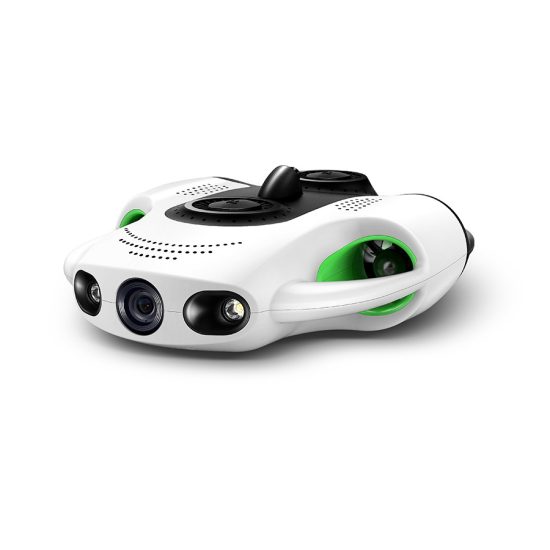
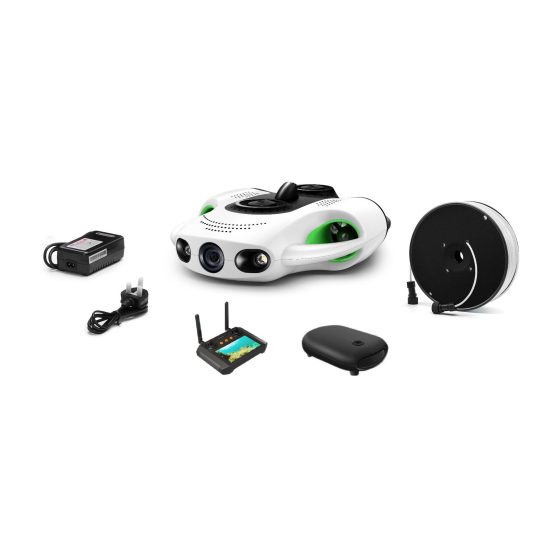
2.1 Industrial-Grade ROV Platform
Key features:
- Depth rating: 100m–3000m (customizable)
- Multi-thruster stabilization system
- High-lumen LED lighting
- Corrosion-resistant housing
- Modular sensor integration
2.2 High-Resolution Imaging & Sensors
Components include:
- 4K underwater camera
- Low-light CMOS sensors
- Multi-beam sonar (optional)
- Laser scaling devices
- Environmental sensors (temperature, salinity, depth)
2.3 AI Fish Species Recognition Module
The AI system performs:
- Object detection (fish localization)
- Species classification
- Population counting
- Behavioral pattern recognition
- Real-time data annotation
Models are trained using:
- Convolutional Neural Networks (CNN)
- Deep learning object detection frameworks
- Marine species datasets
- Custom research dataset training
3. How AI Automatic Fish Identification Works
Step 1: Video Capture
ROV captures continuous underwater video footage.
Step 2: Edge Processing
Onboard AI module analyzes frames in real time.
Step 3: Detection & Classification
Algorithm identifies fish contours and compares with trained species database.
Step 4: Data Logging
System records species name, timestamp, GPS (if surface reference), and depth.
Step 5: Population Analysis
Software generates statistical reports on species distribution and density.
This eliminates manual video review, reducing analysis time by up to 70%.
4. Applications in Marine Scientific Research
4.1 Marine Biodiversity Surveys
- Coral reef fish population monitoring
- Deep-sea ecosystem mapping
- Endangered species tracking
4.2 Climate Change Impact Studies
AI drones help monitor:
- Migration pattern changes
- Population decline trends
- Habitat shifts
4.3 Fisheries Management
Governments can use AI ROVs for:
- Stock assessment
- Sustainable quota evaluation
- Illegal fishing detection
4.4 Offshore Environmental Impact Assessments
Used before:
- Offshore wind farm construction
- Oil & gas projects
- Subsea cable installation
5. Advantages Over Traditional Marine Survey Methods
| Traditional Method | AI Underwater Drone |
|---|---|
| Manual data analysis | Real-time AI detection |
| Diver risk | Remote operation |
| Limited depth | Deep-sea capability |
| Disturbance to habitat | Non-invasive monitoring |
| Time-consuming review | Automated data reports |
6. Customization & OEM Research Solutions
We provide customized configurations:
- Custom depth rating
- Multi-camera systems
- AI model retraining for specific regional species
- Integration with cloud-based marine databases
- Long-duration battery modules
- Tethered or autonomous versions
Suitable for:
- Universities
- Marine research institutes
- Government agencies
- Environmental NGOs
- Offshore engineering companies
7. Data Accuracy & Model Training
AI model performance depends on:
- Dataset diversity
- Lighting conditions
- Water turbidity
- Species similarity
We support:
- Custom dataset collection
- Local species model training
- Continuous algorithm updates
- Accuracy validation testing
Typical detection accuracy: 85–95% depending on environment and dataset quality.
8. Deployment Scenarios
- Research vessels
- Coastal research stations
- Deep-sea exploration missions
- Marine protected areas
- Offshore platforms
Systems can operate in:
- Saltwater
- Freshwater
- Cold environments
- Low-light deep-sea zones
9. Technical Specifications (Example Configuration)
- Depth rating: 300m (expandable to 1000m+)
- Camera: 4K UHD
- Lighting: 2 × 5000 lumen LED
- AI processor: Industrial GPU module
- Battery life: 3–6 hours
- Data storage: 1TB onboard
- Communication: Tethered fiber optic
10. Future Development Trends
The next evolution includes:
- Autonomous navigation (AUV integration)
- Swarm underwater drone coordination
- Real-time cloud-based marine database updates
- AI-driven behavioral prediction
- Integrated acoustic species recognition
AI-powered underwater drones are becoming a cornerstone technology for sustainable ocean science.
FAQ – AI Underwater Drone for Deep-Sea Fish Recognition
1. Can you customize AI models for specific regional fish species?
Yes. We provide customized AI model training based on regional marine datasets. Clients can supply image/video datasets for retraining and accuracy optimization.
2. What is the MOQ?
- Standard AI underwater drone: 1 unit
- Customized research system: 1 project-based order
- Bulk institutional orders: Negotiable
We support single-unit research procurement.
3. What is the production lead time?
- Standard model: 15–30 days
- Customized AI training system: 30–60 days
- Large-scale research deployment projects: 60–90 days
Lead time depends on hardware configuration and AI customization level.
4. Do you have stock available?
Some standard underwater drone platforms may be available in stock.
However, AI-integrated scientific systems are typically customized per order.
Conclusion: Empowering Marine Science with AI-Driven Underwater Robotics
The integration of underwater drones and artificial intelligence marks a new era in marine ecological research. By automating deep-sea fish identification and population analysis, scientists gain:
- Faster data processing
- Higher survey efficiency
- Safer research operations
- More accurate biodiversity monitoring
- Scalable ecological assessment tools
Whether for academic marine biology studies, fisheries management, environmental monitoring, or offshore industrial compliance, AI-powered underwater drones provide a transformative solution for sustainable ocean exploration.
For a customized quotation, please provide:
- Target deployment depth
- Species recognition requirements
- Required operational duration
- Project timeline
- Data integration needs
Our engineering and AI development team will prepare a tailored proposal combining robotics, machine learning, and marine science expertise to support your research mission.


No comments yet