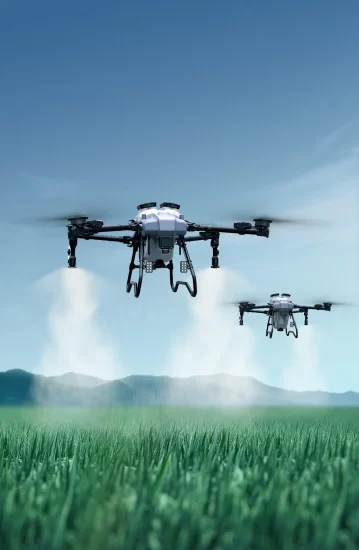


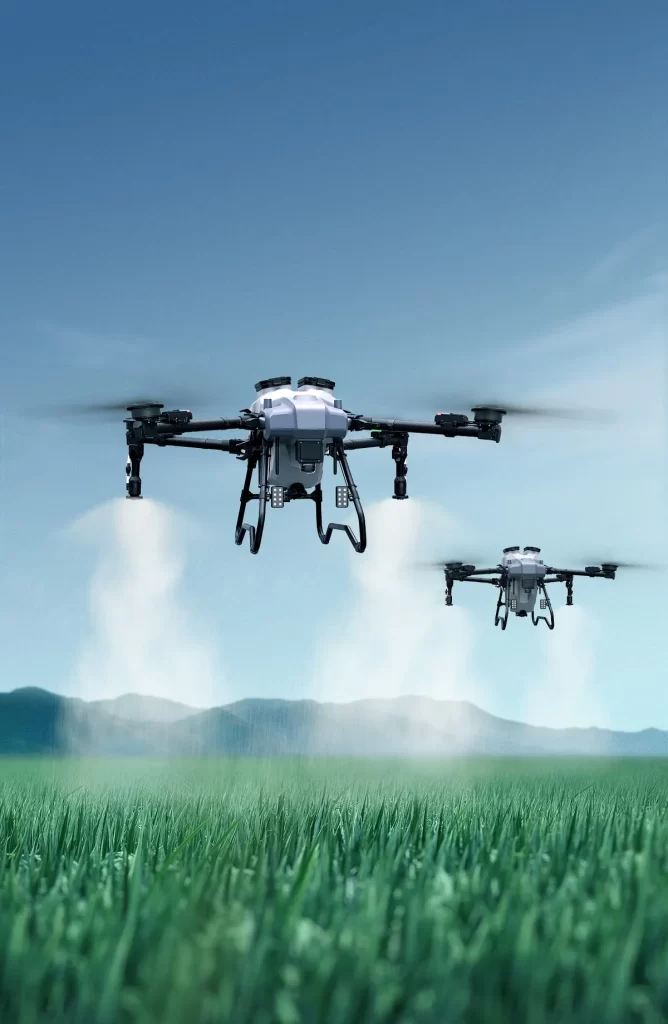
Switzerland’s global reputation for precision engineering is no longer the exclusive domain of watchmaking and pharmaceuticals. In the agricultural sector, Swiss manufacturers have quietly defined an entirely new standard for pesticide spraying drones — one built not on brute payload capacity, but on centimeter-level accuracy, environmental compliance, and operator safety. For global buyers navigating an increasingly crowded UAV market, understanding what distinguishes a Swiss-made precision agricultural UAV is no longer optional. It is essential.
This article examines the engineering philosophy, regulatory framework, and technical capabilities that define Swiss pesticide spraying drone manufacturers — and why these platforms are becoming the benchmark for high-value crop protection worldwide.
The Meaning of “Swiss Made” in Agricultural UAV Manufacturing
In Switzerland, the designation “Swiss made” is not a marketing slogan. It is a legally protected label governed by strict federal regulations. For an agricultural drone to carry this designation, a substantial portion of its production costs must originate in Switzerland, and the final stage of manufacturing must take place on Swiss soil.
For the buyer, this translates into three non-negotiable guarantees:
Engineering Integrity — Every flight controller, nozzle calibration, and structural component is designed and tested under Swiss quality management systems.
Traceability — Component sourcing is documented and auditable, ensuring no compromised or unverified parts enter the supply chain.
Regulatory Alignment — Swiss environmental and aviation authorities maintain some of the world’s most rigorous certification processes. A “Swiss made” agricultural UAV arrives with a documentation package that satisfies the strictest global import requirements.
This is not merely a matter of national pride. It is a procurement advantage. Distributors importing Swiss-certified crop protection UAVs inherit a compliance foundation that can reduce local approval timelines by months — particularly in markets where agricultural drone regulations are still evolving.
Core Technologies: What Defines a Precision Agricultural UAV
Swiss pesticide spraying drones are engineered around a single unifying principle: apply exactly what is needed, exactly where it is needed, with zero waste and zero operator exposure. The technologies that enable this precision are worth examining in detail.
RTK Centimeter-Level Navigation
Standard GPS positioning carries an inherent margin of error of 1–5 meters. For agricultural spraying, this is unacceptable — it leads to overlapping passes (chemical waste) or missed strips (pest survival). Swiss precision UAVs integrate RTK (Real-Time Kinematic) positioning, which uses a fixed ground reference station to correct GNSS signals in real time, achieving positional accuracy within 2–3 centimeters.
This level of precision allows the drone to:
Fly consistent parallel passes without visual markers
Maintain exact altitude above uneven terrain (critical for vineyards and orchards)
Execute automated return-to-home with pinpoint landing accuracy
Operate safely in environments where GPS signal reflection (multipath error) is common
High-Frequency Atomization and Flow Control
Swiss-manufactured spraying systems typically employ centrifugal nozzles rather than pressure-based systems. Centrifugal atomization uses a high-speed rotating disc to generate uniformly sized droplets, with droplet diameter adjustable in real time based on:
Flight speed
Wind conditions
Crop canopy density
Chemical viscosity
Advanced flow control systems integrate with the flight controller to maintain a constant application rate (liters per hectare) regardless of the drone’s ground speed. If the pilot slows down on a steep incline, the flow rate automatically reduces. If the drone accelerates on flat terrain, the flow rate increases proportionally. The result: uniform coverage with minimal chemical waste.
Electric Propulsion and Low-Noise Operation
Unlike some heavy-lift agricultural drones that rely on gasoline generators, Swiss crop protection UAVs are built on clean electric propulsion. This design choice is driven by both regulation and practicality:
Switzerland’s environmental protection laws impose strict limits on emissions and noise in agricultural zones
Electric motors require significantly less maintenance than internal combustion engines
Low-noise operation reduces stress on livestock and allows spraying in noise-sensitive areas
Zero direct emissions at the point of application aligns with EU and global sustainability mandates
Lightweight Composite Airframes
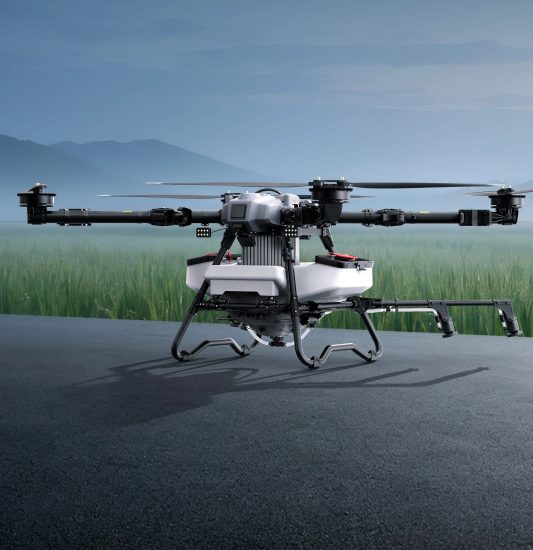
Swiss UAV manufacturers leverage aerospace-grade materials — carbon fiber reinforced polymers, anodized aluminum alloys, and high-impact thermoplastics — to achieve an optimal payload-to-weight ratio. A lighter airframe means longer flight times, larger spray tanks, and reduced battery consumption per hectare treated.
Engineered for the World’s Most Demanding Terrains
The Swiss landscape is defined by extremes: steep alpine slopes, terraced vineyards, narrow valley floors, and fragmented smallholdings. These conditions dictated the fundamental design parameters of Swiss agricultural UAVs from the outset.
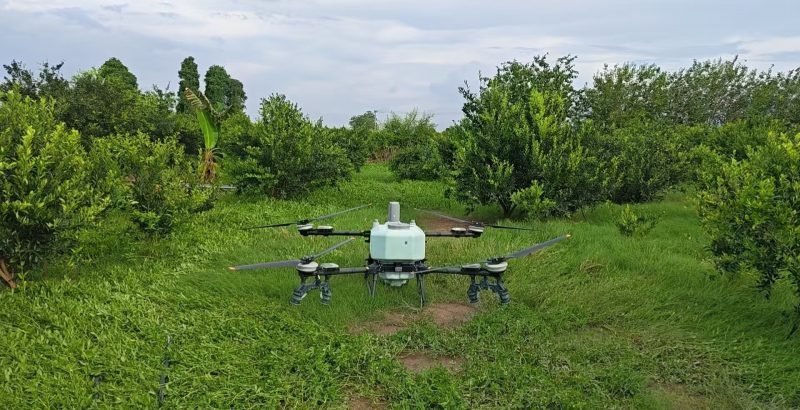
Vineyard and Orchard Optimization
In traditional European viticulture, tractor-based spraying on slopes exceeding 15–20 degrees is not merely inefficient — it is dangerous. Swiss pesticide spraying drones are specifically engineered for these environments:
Narrow-profile designs that navigate between vineyard rows without damaging trellising
Adjustable spray boom geometry to match row spacing and canopy height
Downward and sideward nozzle configurations for targeted application on vertically growing crops
Terrain-following flight modes that maintain consistent altitude above sloping ground
High-Altitude and High-Wind Capability
Operating in alpine and pre-alpine regions demands UAVs that can handle thin air and unpredictable wind shear. Swiss manufacturers design their platforms with:
Oversized propellers for high-altitude lift efficiency
Reinforced motor mounts to absorb vibration at high RPM
Advanced flight controllers with wind-resistance algorithms capable of maintaining stable flight in crosswinds up to 8–10 m/s
Single-Operator Deployment
A defining feature of Swiss crop protection UAVs is rapid deployment by a single operator. Field setup typically requires 3–5 minutes from vehicle to flight-ready, with quick-release battery systems and tool-free folding mechanisms. This is a deliberate design choice: Swiss agriculture is characterized by small to medium-sized family farms where labor availability is limited and every minute of field time is costly.
Environmental Compliance: The Swiss Regulatory Advantage
Switzerland enforces some of the most stringent agricultural chemical regulations in the world. Every pesticide application is subject to:
Buffer zone requirements near water sources and residential areas
Mandatory drift-reduction technology certification
Chemical usage reporting and traceability
Operator safety and exposure limits
Swiss pesticide spraying drone manufacturers do not treat these regulations as constraints. They treat them as design specifications.
Drift Reduction and Precision Application
Swiss-certified UAVs undergo rigorous drift assessment protocols — often aligned with ISO 22866 standards for field measurement of spray drift. These assessments measure:
Downwind deposit at multiple distances from the application zone
Droplet size distribution and its impact on drift potential
Effect of flight altitude and speed on drift behavior
Nozzle configuration optimization for minimal off-target movement
The outcome is a drone platform that can operate within the tight buffer zones required by Swiss law — and by extension, within the increasingly strict buffer zone regulations being adopted across the EU, UK, and other developed markets.
Closed-Loop Chemical Handling
A growing number of Swiss manufacturers are developing automated filling and mixing stations that eliminate manual handling of concentrated pesticides. These systems feature:
Enclosed transfer of chemicals from storage container to drone tank
Automated dilution and agitation
Rinse cycles that contain and neutralize wash water
Remote operation, keeping the applicator outside the chemical exposure zone
This approach directly addresses one of the most overlooked health risks in agriculture: mixer-loader exposure. By removing the operator from the mixing process entirely, Swiss manufacturers are redefining what “safe application” means.
Certification Pathways and Global Market Access
For international buyers, one of the most compelling reasons to source from a Swiss precision agricultural UAV manufacturer is the certification readiness of the platform.
Swiss drone manufacturers typically pursue certification through a multi-agency process involving:
Civil aviation authorities — for airworthiness, remote identification, and operational permissions
Agricultural agencies — for spray equipment certification, nozzle calibration, and application rate verification
Environmental protection bodies — for drift assessment, emissions compliance, and ecological impact
Public health authorities — for pesticide application safety in populated or sensitive areas
The documentation generated through this process — including agronomic test reports, drift measurement studies, noise assessments, and calibration certificates — provides international distributors with a turnkey compliance package. In markets where agricultural drone regulations are still maturing, this documentation can be the difference between a six-month customs delay and immediate market entry.
Why Global Buyers Choose Swiss Precision Agricultural UAVs
The global agricultural drone market is saturated with options. So why are distributors, cooperatives, and large-scale growers increasingly sourcing from Swiss manufacturers?
Reliability Under Extreme Conditions
Swiss UAVs are stress-tested in conditions that would ground many competing platforms. From sub-zero alpine operations to high-humidity valley spraying, Swiss engineering prioritizes operational reliability over specification-sheet marketing.
Transparent, Auditable Technology
Many Swiss manufacturers adopt open-architecture flight control systems and standardized communication protocols. This means buyers are not locked into proprietary ecosystems. Flight data, maintenance logs, and application records remain fully accessible to the operator — a critical consideration for buyers in markets where data sovereignty and security are regulatory requirements.
Long-Term Sustainability Alignment
Swiss pesticide spraying drones are designed for a regulatory future that the rest of the world is rapidly moving toward: stricter chemical controls, carbon-neutral operations, and measurable environmental impact reporting. Buyers investing in Swiss platforms are not just purchasing a tool for today — they are future-proofing their operations for the next decade of agricultural regulation.
After-Sales and Training Infrastructure
Swiss manufacturers typically provide comprehensive operator training programs that go beyond basic flight instruction. Training covers:
Chemical handling and calibration
Regulatory compliance in the operator’s home market
Preventative maintenance and diagnostics
Flight planning for maximum efficiency and minimum drift
This level of support is particularly valuable for distributors entering new markets where local expertise in UAV-based crop protection is still developing.
How to Evaluate a Swiss Agricultural UAV Manufacturer
For procurement professionals and distributors evaluating Swiss suppliers, the following criteria should guide the selection process:
1. Verify the “Swiss Made” Certification
Request documentation proving the legal right to use the “Swiss made” designation. This is not self-awarded — it requires registration and audit.
2. Request Agronomic Performance Data
A credible manufacturer will provide:
Drift measurement reports (preferably ISO 22866-compliant)
Deposit uniformity studies across different crop types
Application rate accuracy validation
Noise level measurements at specified distances
3. Assess the Spare Parts and Service Ecosystem
Confirm:
Local or regional service center availability
Spare parts lead times
Battery lifecycle and replacement cost
Software update frequency and support duration
4. Evaluate Regulatory Documentation Completeness
Ensure the manufacturer can provide:
Type certification or equivalent airworthiness documentation
Chemical application equipment certification
CE marking (for European market access)
FCC or equivalent for North American operations
Battery transport certifications (UN38.3, MSDS)
5. Test the Training and Support Commitment
Before signing, request a demonstration of the manufacturer’s training program. A Swiss precision UAV is only as good as the operator’s ability to use it correctly. The best manufacturers treat training as a core product, not an optional extra.
The Global Trajectory of Swiss Precision Crop Protection
The convergence of several global trends is creating unprecedented demand for Swiss-manufactured pesticide spraying drones:
Labor shortages in agriculture are accelerating automation adoption worldwide
Chemical regulation is tightening in every major agricultural market, favoring precision application
Consumer pressure for sustainably produced food is pushing growers toward measurable environmental impact reduction
Climate variability is making traditional spraying windows narrower, requiring faster, more flexible application methods
Swiss manufacturers are uniquely positioned to serve this demand. Their platforms were designed from day one to operate within the world’s strictest environmental framework. As other markets tighten their own regulations to Swiss-like standards, the Swiss advantage only grows.
Conclusion
A Swiss-made pesticide spraying drone is not simply an agricultural tool. It is the product of a regulatory, engineering, and environmental ecosystem that exists nowhere else in the world. For buyers who value precision over payload, compliance over shortcuts, and long-term sustainability over short-term cost, Swiss precision agricultural UAV manufacturers represent the highest standard available in the global market.
The terrains may be steep, the regulations may be strict, and the expectations may be uncompromising — but that is exactly the environment in which Swiss engineering thrives. And for growers facing the same challenges in their own markets, that engineering is now within reach.
About Swiss Precision Agricultural UAVs: This article is written for global agricultural distributors, procurement professionals, and high-value crop operators evaluating Swiss-manufactured pesticide spraying drones. All technical specifications and regulatory references reflect industry standards and certification frameworks applicable to Swiss agricultural UAV manufacturers. For detailed technical documentation, certification status, or distribution inquiries, contact a verified Swiss precision agricultural UAV manufacturer directly.
THE END


No comments yet