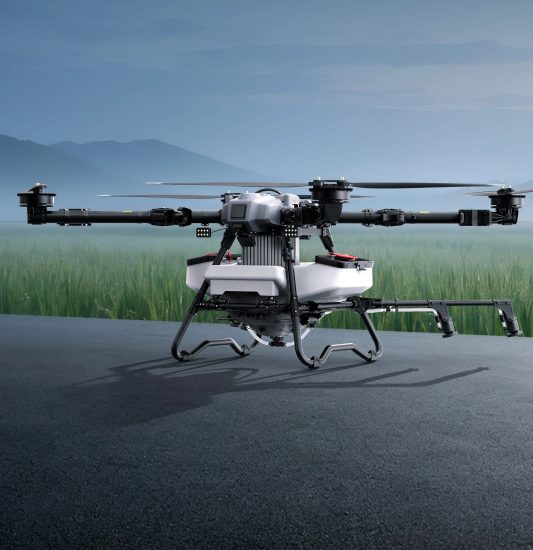


In modern vegetable farming, rising labor costs have become one of the most significant threats to profit margins. For decades, farm managers have relied on manual spraying teams to protect crops from pests and diseases. However, with wages increasing and skilled labor becoming harder to find, this traditional approach is no longer sustainable.
Today, a single advanced agricultural drone can match the output of five manual workers—while reducing overall spraying costs by up to 60%. This article examines the economic and operational realities behind this shift, explaining why drone-based spraying is rapidly becoming the new standard for commercial vegetable growers.
The True Cost of Manual Spraying
To understand the savings, we must first look at what manual spraying actually costs. A typical manual team consists of 5–6 workers. On an average vegetable farm, this team can cover approximately 20–30 hectares per day, depending on terrain and crop density.
The direct costs include:
-
Daily wages: $150–$200 per worker, totaling $750–$1,000 per day for a five-person crew.
-
Pesticide waste: Manual knapsack sprayers typically achieve only 30–40% deposition efficiency, meaning 60–70% of chemicals never reach the target.
-
Water consumption: Manual spraying requires 400–600 liters of water per hectare, creating logistical challenges for remote fields.
-
Health risks: Workers face direct exposure to chemicals, leading to potential medical costs and liability issues.
Over a full growing season, these costs accumulate into tens of thousands of dollars—money that comes directly out of net profit.
The Drone Alternative: One Machine, Five Workers’ Output
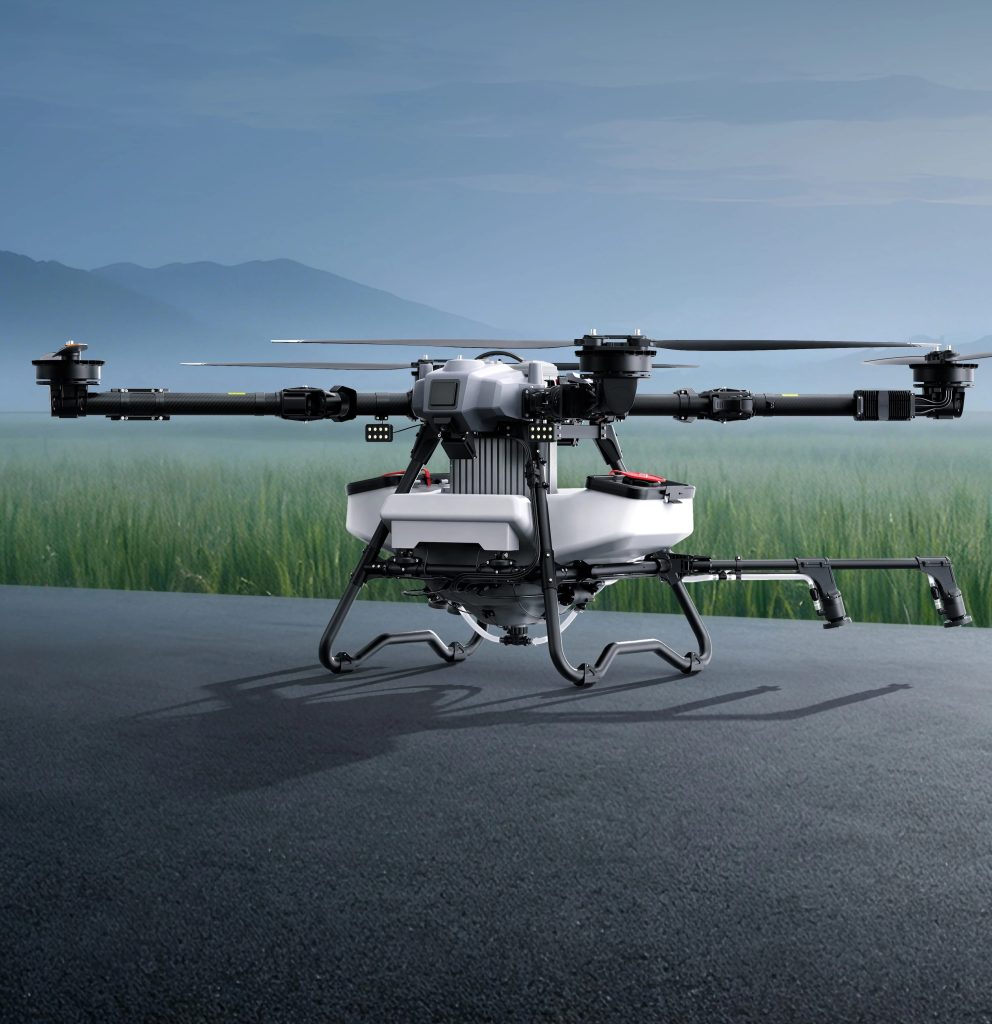
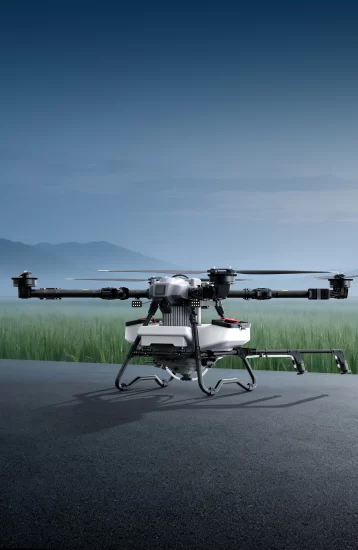
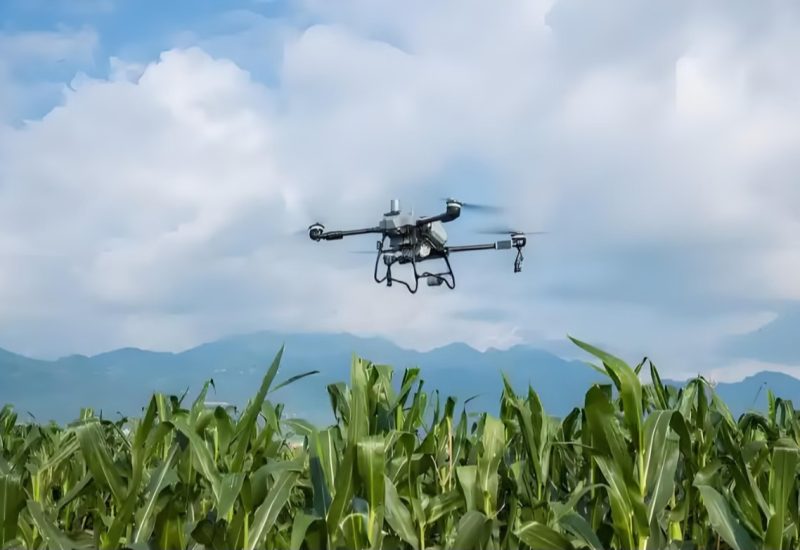
A modern agricultural drone designed for vegetable farming fundamentally changes this equation. Equipped with high-precision GPS/RTK positioning, intelligent route planning, and pressure or centrifugal nozzles, a single drone operated by one pilot can spray 100–150 hectares per day—the equivalent output of five manual workers.
Here is how the economics break down over a typical 100-hectare vegetable operation across a full season (approximately 15 spraying cycles):
Cost Category |
Manual (5 Workers) |
1 Drone + 1 Pilot |
Savings |
|---|---|---|---|
Labor cost per season |
$112,500–$150,000 |
$22,500–$30,000 |
~80% |
Pesticide cost |
$45,000 |
$27,000–$31,500 |
~30–40% |
Water transport cost |
$8,000 |
$2,000 |
~75% |
Total estimated cost |
$165,500–$203,000 |
$51,500–$63,500 |
~60–69% |
Note: Figures are based on industry averages and may vary by region and crop type.
Why the Savings Are Real
1. Reduced Pesticide Waste
Modern agricultural drones use downward air currents generated by their rotors to push droplets deep into the crop canopy—including the undersides of leaves where pests often hide. Deposition efficiency reaches 60–75%, compared to 30–40% for manual spraying. This means farmers use 30–40% less pesticide to achieve the same or better control.
2. Minimal Water Requirements
Drone spraying requires only 10–30 liters of water per hectare, compared to 400–600 liters for manual methods. This eliminates the need for water trucks and reduces the physical burden of transporting heavy loads across fields.
3. Faster Turnaround
When a pest outbreak occurs, speed is critical. A drone can complete a full 100-hectare spray cycle in a single day, while a five-person manual crew would need 3–5 days. Faster response times mean healthier crops and higher yields.
4. Lower Risk, Lower Liability
Remote operation keeps pilots away from chemical exposure. This reduces the risk of pesticide poisoning incidents, lowers insurance premiums, and helps farms comply with increasingly strict agricultural safety regulations.
Operational Considerations
While the cost advantages are clear, successful drone adoption requires attention to several factors:
-
Pilot training: A certified operator is essential. Most agricultural drone manufacturers and dealers provide training programs that take 3–7 days.
-
Regulatory compliance: Farmers must ensure their drone operations comply with local aviation and pesticide application regulations, including no-spray buffer zones near residential areas.
-
Battery management: For large-scale operations, a fleet of 6–10 intelligent batteries and a fast-charging station are recommended to maintain continuous operation throughout the day.
-
Weather dependency: Drones cannot spray in high winds (above 10–12 km/h) or rain. Farm managers should build flexibility into their spraying schedules.
The Bottom Line
For a vegetable farm manager evaluating whether to invest in drone spraying equipment, the numbers speak for themselves. At a 60% reduction in total spraying costs, the return on investment typically occurs within the first 1–2 growing seasons. Beyond the financial savings, drones deliver more consistent spray quality, faster response times, and a safer working environment.
As labor markets tighten and precision agriculture technology continues to mature, the question is no longer whether drones will replace manual spraying—it is how quickly farms can make the transition. For those who act early, the cost savings alone represent a significant competitive advantage in an increasingly challenging agricultural economy.
THE END


No comments yet