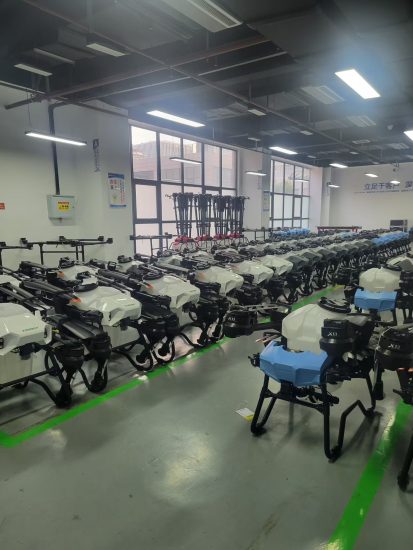


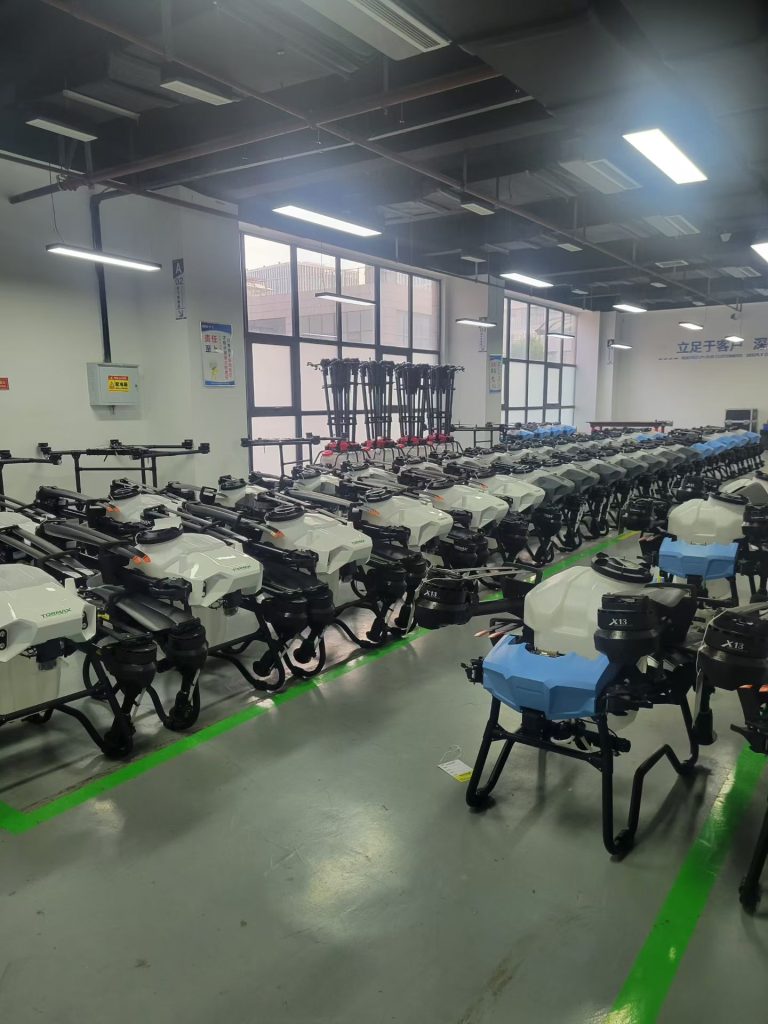
How Much Does a 30KG Drone Cost?
A 30KG heavy-lift drone typically costs between US$5,000 and US$20,000+, depending on the aircraft design, battery system, flight controller, payload mechanism, range, endurance, navigation technology, and level of customization.
For buyers looking for a practical commercial 30KG cargo drone, a realistic purchasing budget is usually around US$8,000–20,000 for a complete system.
Lower-cost platforms may be available for approximately US$3,000–8,000, while advanced industrial systems with long range, RTK positioning, redundant propulsion, autonomous functions, specialized cargo systems, or extended endurance can exceed US$20,000–30,000.
Publicly listed 30KG payload UAVs currently show a very wide price range, including basic systems around US$3,000–6,000, commercial platforms around US$5,000–12,000, and more sophisticated systems above US$10,000.
The important question is therefore not simply “How much is a 30KG drone?”
The better question is:
“How much does a 30KG drone suitable for my actual operation cost?”
30KG Drone Price Range
The following ranges provide a practical way to understand the market.
| 30KG Drone Type | Typical Price Range |
|---|---|
| Basic heavy-lift platform | US$3,000–6,000 |
| Entry-level commercial drone | US$5,000–8,000 |
| Standard 30KG cargo drone | US$8,000–12,000 |
| Professional industrial system | US$12,000–20,000 |
| Advanced long-range system | US$20,000–30,000+ |
| Highly customized system | US$30,000+ |
These are indicative market ranges, not fixed prices.
The same 30KG payload rating can represent completely different aircraft.
One system may be a relatively simple multicopter designed for short-distance transportation, while another may include sophisticated navigation, obstacle avoidance, redundant power systems, long-range communications, weather-resistant construction and automated cargo delivery.
That is why two drones with the same 30KG payload specification can have dramatically different prices.
How Much Does a Basic 30KG Drone Cost?
A basic 30KG drone can sometimes be purchased for approximately US$3,000–6,000.
At this price level, buyers should carefully check what is actually included.
A low-cost listing may include:
- Airframe
- Motors
- Propellers
- ESCs
- Flight controller
- Basic remote controller
But it may not include everything required for a professional cargo operation.
Additional costs may include:
- Batteries
- Battery charger
- Spare propellers
- Payload box
- Cargo release system
- GPS or RTK module
- Obstacle sensors
- Additional communication equipment
- Shipping
- Customs duties
- Taxes
- Training
- Spare parts
Therefore, a drone advertised at US$4,000 does not necessarily mean the final delivered operating system will cost US$4,000.
How Much Does a Commercial 30KG Cargo Drone Cost?
For a complete commercial system, US$8,000–20,000 is a more realistic budget range.
A commercial 30KG cargo drone may include:
- Complete aircraft
- High-power propulsion system
- Large-capacity batteries
- Professional charger
- Flight controller
- GPS navigation
- Remote controller
- Cargo box
- Payload release mechanism
- Telemetry
- Safety functions
- Spare components
Public market listings currently show complete 30KG cargo platforms around the US$5,000–12,000 range, while more advanced configurations can be considerably more expensive.
For companies purchasing a drone for regular business operations rather than experimentation, it is usually better to evaluate the complete system cost instead of choosing the lowest advertised aircraft price.
How Much Does a Professional 30KG Heavy-Lift Drone Cost?
A professional industrial 30KG drone can cost approximately:
US$12,000–20,000+
The additional cost can come from features such as:
RTK Positioning
RTK can provide much greater positioning accuracy than standard GPS, which is useful for precise delivery and repeatable flight routes.
Obstacle Avoidance
Sensors can help detect obstacles during flight and reduce operational risk.
Redundant Power Systems
Professional heavy-lift platforms may use multiple propulsion units and electrical systems to improve reliability.
Advanced Flight Control
Industrial flight controllers can provide more sophisticated navigation, route planning and payload management.
Long-Range Communication
Longer communication distances can be valuable for remote logistics operations.
Payload Release Systems
A professional cargo drone may support controlled release, winch delivery or dedicated cargo containers.
Weather Protection
A stronger airframe and weather-resistant components can improve suitability for outdoor industrial operations.
What Determines the Price of a 30KG Drone?
Payload capacity is only one part of the price.
Several technical factors can dramatically change the cost.
1. Aircraft Configuration
A four-rotor aircraft, six-rotor aircraft and eight-rotor aircraft can have very different costs.
More propulsion units can increase:
- Motor cost
- ESC cost
- Propeller cost
- Wiring
- Flight-control complexity
- Maintenance requirements
But additional propulsion units can also provide useful redundancy.
2. Battery System
The battery is one of the most expensive components of a heavy-lift drone.
A 30KG payload aircraft requires substantial electrical power.
Battery cost depends on:
- Voltage
- Capacity
- Energy density
- Discharge capability
- Battery chemistry
- Cycle life
- Monitoring system
- Charging speed
A drone designed for short flights may use a smaller battery.
A long-range cargo drone may require a much larger energy system.
That difference can significantly affect the final price.
3. Flight Time
Flight time is another major pricing factor.
A simple 30KG drone might be designed for relatively short missions.
A more expensive system may be designed to maximize endurance.
However, longer flight time usually requires:
- More battery capacity
- Better propulsion efficiency
- More efficient airframe design
- Better thermal management
- Optimized propeller selection
For this reason, buyers should never compare two drones only by payload capacity.
Compare:
Payload + flight time + range
together.
4. Flight Range
A 30KG drone designed for a short-distance delivery mission may cost significantly less than one designed for long-range transportation.
Long-range systems may require:
- Advanced communication links
- High-capacity batteries
- Better antennas
- Redundant communications
- Autonomous navigation
- More efficient aircraft configuration
A buyer should determine the actual delivery distance before choosing the aircraft.
5. Payload System
A drone that simply carries cargo underneath the aircraft is different from a drone equipped with an integrated cargo box or winch.
Possible payload systems include:
Cargo Box
Suitable for:
- Packages
- Food
- Spare parts
- Medical supplies
Sling Load
Useful for:
- Construction materials
- Agricultural materials
- Irregular cargo
Winch System
Useful when the drone cannot safely land at the delivery location.
Automated Release
Allows cargo to be released at a specified location.
Each system adds cost and complexity.
6. Navigation Technology
Navigation technology also affects the final price.
Basic systems may rely on:
- GPS
- Compass
- Standard telemetry
More advanced systems may include:
- RTK
- Dual positioning
- Terrain awareness
- Obstacle avoidance
- Precision landing
- Automated route planning
If the drone is being used for professional logistics, these functions can be worth the additional investment.
7. Airframe Materials
A heavy-lift drone needs a strong but lightweight structure.
Common materials include:
- Carbon fiber
- Aluminum
- Composite materials
- Reinforced polymers
Carbon fiber can provide an attractive strength-to-weight ratio but generally costs more than basic structural materials.
For a 30KG cargo drone, reducing empty aircraft weight is particularly important because every additional kilogram of aircraft weight consumes part of the available lifting capacity.
30KG Payload Does Not Mean 30KG Total Weight
This is one of the most important specifications buyers need to understand.
If a drone has a:
30KG maximum payload
that does not mean the aircraft weighs 30KG.
For example, a hypothetical aircraft could have:
- Empty aircraft: 30KG
- Battery: 15KG
- Cargo: 30KG
Total takeoff weight:
75KG
The propulsion system therefore needs to generate enough thrust to safely support the entire 75KG aircraft, not just the 30KG cargo.
This is why maximum takeoff weight, empty weight and payload should always be evaluated together.
What Is the Best Budget for a 30KG Drone?
For most commercial buyers, I would divide the budget into four levels.
US$3,000–6,000: Basic
Suitable for:
- Testing
- Development
- Agricultural applications
- Short-distance transport
- Controlled environments
Buyers should carefully verify what equipment is included.
US$6,000–10,000: Entry Commercial
Suitable for:
- Small logistics companies
- Agricultural transportation
- Construction support
- Remote-area deliveries
This can be a reasonable starting point for businesses that do not need sophisticated autonomous functions.
US$10,000–20,000: Professional
This is a more practical range for companies requiring a complete commercial system.
Potential features include:
- Higher-quality propulsion
- Larger battery system
- Better flight controller
- RTK positioning
- Obstacle avoidance
- Cargo management
- Better communication
- Greater reliability
US$20,000–30,000+: Advanced
This price range may include:
- Long-range configurations
- High-end navigation
- Autonomous operation
- Redundant systems
- Advanced payload systems
- Specialized airframes
- Custom software
- Extended endurance
Is a Cheap 30KG Drone Worth Buying?
Not always.
A low purchase price can be attractive, but commercial users should calculate the total cost of ownership.
Consider:
- Battery replacement
- Propeller replacement
- Motor maintenance
- ESC replacement
- Flight-controller maintenance
- Software support
- Spare parts
- Training
- Insurance
- Transportation
- Repairs
- Downtime
A drone that costs US$5,000 but requires frequent repairs may ultimately be more expensive than a US$12,000 aircraft that operates reliably.
For professional logistics, reliability can be more valuable than the lowest purchase price.
What Can a 30KG Drone Carry?
A 30KG payload is enough for many industrial applications.
Possible cargo includes:
Agriculture
- Fertilizer
- Seeds
- Agricultural supplies
- Equipment
Construction
- Tools
- Pipes
- Building components
- Small machinery
Logistics
- Packages
- Spare parts
- Food
- Industrial components
Emergency Response
- Medical supplies
- Rescue equipment
- Food
- Water
- Communication equipment
Remote Operations
- Mining supplies
- Mountain logistics
- Island transportation
- Infrastructure maintenance
The exact application will determine the best aircraft configuration.
How Far Can a 30KG Drone Fly?
There is no universal answer.
A 30KG payload can substantially reduce flight time and range compared with an empty aircraft.
For example, a drone may have a significantly longer advertised range without cargo than when operating continuously with a full payload.
Real-world range depends on:
- Payload
- Battery capacity
- Wind
- Altitude
- Temperature
- Flight speed
- Aircraft weight
- Route
- Required reserve
Therefore, buyers should ask suppliers for flight time and range at the actual 30KG payload, not just the maximum unloaded range.
How Long Can a 30KG Drone Fly?
Flight time varies widely.
A short-range heavy-lift multicopter may operate for only a relatively short period at maximum payload.
A more efficient aircraft may achieve longer endurance through:
- Larger battery capacity
- More efficient motors
- Larger propellers
- Optimized airframe
- Hybrid power
- Fixed-wing or VTOL configuration
Some current 30KG-class UAV listings advertise significantly different endurance and range figures, showing why payload-specific flight testing is more useful than a generic “maximum flight time” specification.
When comparing suppliers, ask for:
Flight time at 30KG payload
rather than:
Maximum flight time without payload.
What Should You Ask a 30KG Drone Supplier?
Before placing an order, ask for the following specifications.
Aircraft
- Empty weight
- Maximum takeoff weight
- Maximum payload
- Dimensions
- Folded dimensions
- Material
Propulsion
- Motor model
- Motor quantity
- Propeller size
- Maximum thrust
- ESC specification
Battery
- Voltage
- Capacity
- Quantity
- Battery weight
- Charging time
- Expected cycle life
Flight Performance
- Maximum payload flight time
- Maximum range
- Maximum speed
- Wind resistance
- Maximum operating altitude
Navigation
- GPS
- RTK
- Obstacle avoidance
- Autonomous flight
- Return-to-home
- Precision landing
Cargo
- Cargo box capacity
- Payload dimensions
- Winch availability
- Release mechanism
- Maximum cargo size
After-Sales Support
- Warranty
- Spare parts
- Remote technical support
- Training
- Software updates
- Repair service
How Much Does a 30KG Drone Cost in China?
China has a large industrial UAV manufacturing and OEM ecosystem, so buyers can find a particularly broad range of 30KG payload configurations.
Current public listings show examples from approximately US$5,000 to US$12,000 for several 30KG cargo platforms, while more sophisticated systems can be priced substantially higher.
The advantage of sourcing directly from a manufacturer is that buyers may be able to customize:
- Payload system
- Battery capacity
- Flight controller
- Communication system
- Remote controller
- Motor configuration
- Cargo box
- Winch
- RTK
- Camera
- Software
However, customization can also increase the final price.
A buyer should therefore request a complete quotation based on the actual mission requirements.
How Much Should You Budget for a 30KG Drone?
If you are planning to purchase a 30KG cargo drone for a real commercial application, a practical budget would be:
US$8,000–15,000 for a standard commercial configuration.
For more advanced requirements, consider:
US$15,000–25,000+.
For specialized long-range, autonomous or customized systems:
US$25,000–30,000+
may be necessary.
The lowest-priced aircraft is not necessarily the best choice.
A better purchasing strategy is to compare the complete operating system rather than the aircraft alone.
Final Answer: How Much Does a 30KG Drone Cost?
So, how much does a 30KG drone cost?
A realistic answer is:
US$5,000–20,000+
for most commercial 30KG heavy-lift drone configurations.
A rough market breakdown is:
- Basic: US$3,000–6,000
- Entry commercial: US$6,000–10,000
- Standard commercial: US$10,000–15,000
- Professional: US$15,000–20,000+
- Advanced/custom: US$20,000–30,000+
For many businesses, US$10,000–15,000 is a sensible starting budget for a complete 30KG commercial cargo drone, provided the aircraft includes the battery, charger, controller and required payload equipment.
If you need long-range transportation, RTK positioning, autonomous navigation, obstacle avoidance, redundancy, winch delivery or customized cargo equipment, the price can increase substantially.
The most important thing is to compare payload, flight time, range, battery capacity, safety features and after-sales support together rather than choosing a drone based only on its advertised 30KG lifting capacity.


No comments yet