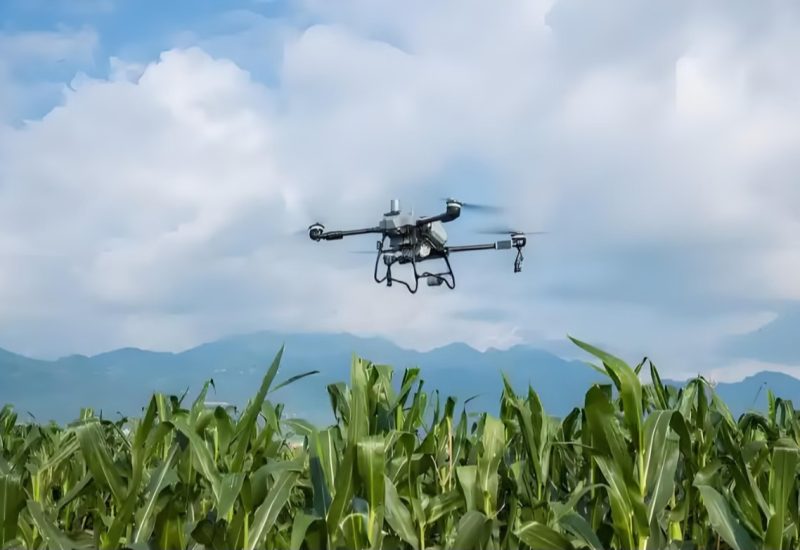



Modern agriculture requires faster, more flexible, and more efficient ways to manage large farming areas. Crop spraying drones provide an alternative to conventional ground-based spraying, especially where fields are wet, uneven, steep, or difficult for agricultural machinery to enter.
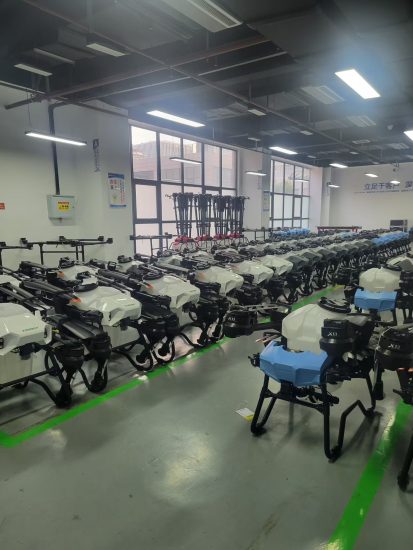
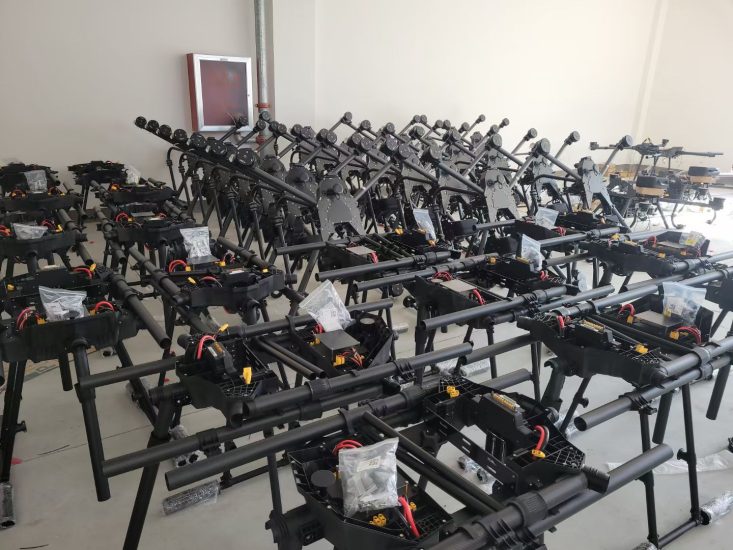
MSOEN develops agricultural spraying drones for farmers, agricultural service companies, distributors, and international buyers looking for practical crop-protection equipment from China.
Designed for Modern Crop Spraying
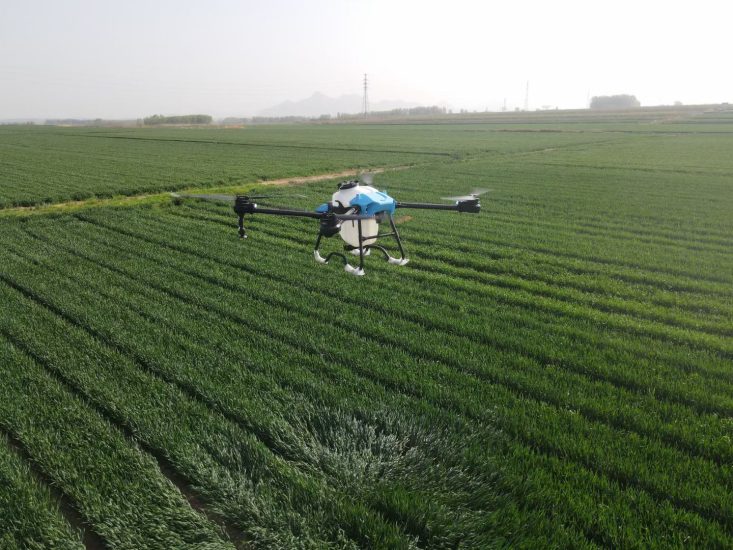
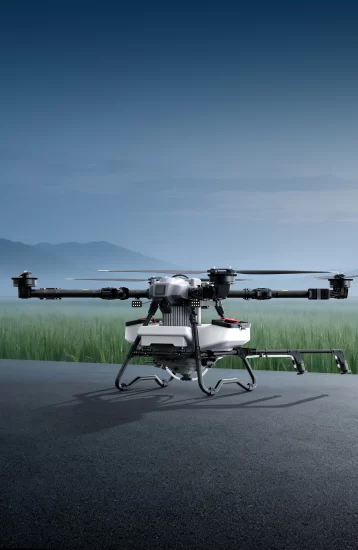
An agricultural spraying drone combines an unmanned aircraft with a liquid tank, pump and nozzle system. During operation, the drone flies over the crop while delivering the required liquid according to the selected spraying settings.
Typical applications include:
-
Pesticide application
-
Crop protection
-
Liquid fertilizer spraying
-
Nutrient application
-
Pest-control operations
-
Rice field spraying
-
Orchard applications
-
Vegetable crop spraying
-
Vineyard spraying
-
Large-area farm operations
The appropriate configuration depends on the crop, terrain, liquid application and local operating requirements.
Why Use a Spraying Drone?
One of the biggest advantages of agricultural drones is accessibility.
Traditional agricultural machinery can have difficulty operating in:
-
Muddy fields
-
Recently irrigated farmland
-
Sloped terrain
-
Narrow fields
-
Wet crop areas
-
Areas with tall or dense vegetation
A drone can operate above the crop without requiring the same ground access as tractors or other agricultural machinery.
Efficient Field Operations
Operational efficiency depends on much more than the drone’s maximum payload.
Important factors include:
Tank capacity
A larger tank can reduce the frequency of refilling, although the appropriate capacity depends on the aircraft and application.
Spray width
A suitable spray pattern allows the operator to cover a wider area during each flight.
Flow rate
The pump needs to provide an appropriate and stable flow for the selected application.
Battery system
Battery capacity and the number of available batteries affect how continuously the drone can operate.
Flight speed
Operating speed needs to be matched with the required application rate and crop conditions.
Suitable for Different Crops
MSOEN crop spraying drones can be considered for a range of agricultural applications.
Rice
Rice fields are often wet and difficult for conventional equipment to access. Spraying drones can operate above the field without driving machinery through the crop.
Fruit Orchards
Orchards require careful consideration of tree height, planting density and terrain. Drone configuration and spraying settings should be selected according to the specific orchard.
Vegetables
Vegetable farms may require frequent crop-protection and nutrient applications. A drone can provide flexible access without depending entirely on ground equipment.
Wheat and Corn
For larger open fields, operational efficiency becomes particularly important. Tank capacity, spray width, battery availability and flight planning should be evaluated together.
Important Features to Evaluate
Before purchasing a crop spraying drone, buyers should compare the complete system rather than one specification.
Feature |
Why It Matters |
|---|---|
Tank capacity |
Determines liquid carried per flight |
Spray width |
Affects coverage |
Pump |
Controls liquid delivery |
Nozzles |
Affect spray distribution |
Battery |
Determines available flight time |
Charger |
Determines charging efficiency |
Flight control |
Supports stable operation |
Sensors |
Can assist with flight safety |
Spare parts |
Important for maintenance |
Remote controller |
Controls the aircraft and spraying system |
Actual results can vary according to crop conditions, weather, terrain, liquid properties and operating parameters.
MSOEN for International Buyers
International agricultural equipment buyers often need more than the drone itself.
For commercial use, it is useful to confirm whether the supplier can provide:
-
Complete technical specifications
-
Export packaging
-
Batteries and chargers
-
Spare parts
-
User documentation
-
Technical assistance
-
OEM options
-
Wholesale supply
-
Product support
These details should be confirmed before placing a large order.
How to Select the Right Configuration
Before contacting a Chinese agricultural drone manufacturer, prepare some basic information.
Farm area:
Estimate the total area that needs to be treated.
Crop:
Tell the supplier whether you are working with rice, corn, wheat, fruit trees, vegetables, vineyards or another crop.
Terrain:
Flat farmland and mountainous agricultural areas may require different operating considerations.
Application:
Explain whether the drone will primarily be used for pesticide, fertilizer or nutrient application.
Target market:
The destination country can affect transportation, battery shipping and regulatory requirements.
With this information, the supplier can recommend a more suitable configuration.
How Much Does a Crop Spraying Drone Cost?
There is no single price for an agricultural spraying drone.
The final cost can depend on:
-
Drone model
-
Tank capacity
-
Battery quantity
-
Charger
-
Pump system
-
Nozzle system
-
Sensors
-
Spare parts
-
OEM customization
-
Order quantity
-
Packaging
-
Shipping requirements
For this reason, buyers should request a complete quotation rather than comparing only the basic aircraft price.
FAQ
What crops can agricultural spraying drones be used for?
They can be used for various agricultural applications, including rice, wheat, corn, vegetables, orchards and vineyards, depending on the drone configuration and local regulations.
Are crop spraying drones suitable for large farms?
They can be suitable for large farms, but actual productivity depends on tank capacity, battery availability, spray width, field conditions and operating procedures.
Can MSOEN drones be used for fertilizer application?
Agricultural spraying drones can be configured for liquid fertilizer and nutrient applications where the equipment and local regulations permit.
How many batteries should I buy?
The required quantity depends on the intended operating schedule, charging capacity and field size. Commercial users may need additional batteries for continuous operation.
Can international distributors buy MSOEN drones?
Yes. Overseas distributors can discuss product configurations, wholesale quantities, spare parts and OEM requirements.
Do I need permission to operate an agricultural drone?
Possibly. Aviation and agricultural-drone regulations vary by country. Buyers should check local requirements before commercial operation.
MSOEN crop spraying drones are designed for agricultural applications where efficient aerial spraying can provide practical advantages over conventional ground equipment.
For international buyers, the best purchasing decision should consider the complete operating system, including the drone, spraying equipment, batteries, chargers, spare parts, technical support and local regulatory requirements.
THE END


No comments yet