



![Image [5]-Say Goodbye to High-Risk Diving: How Underwater Drones Are Transforming Deep-Sea Inspection and Maintenance-msoen](https://www.msoen.com/wp-content/uploads/2026/02/5096d44e7508.jpg)

⬛ 60-Word Executive Summary
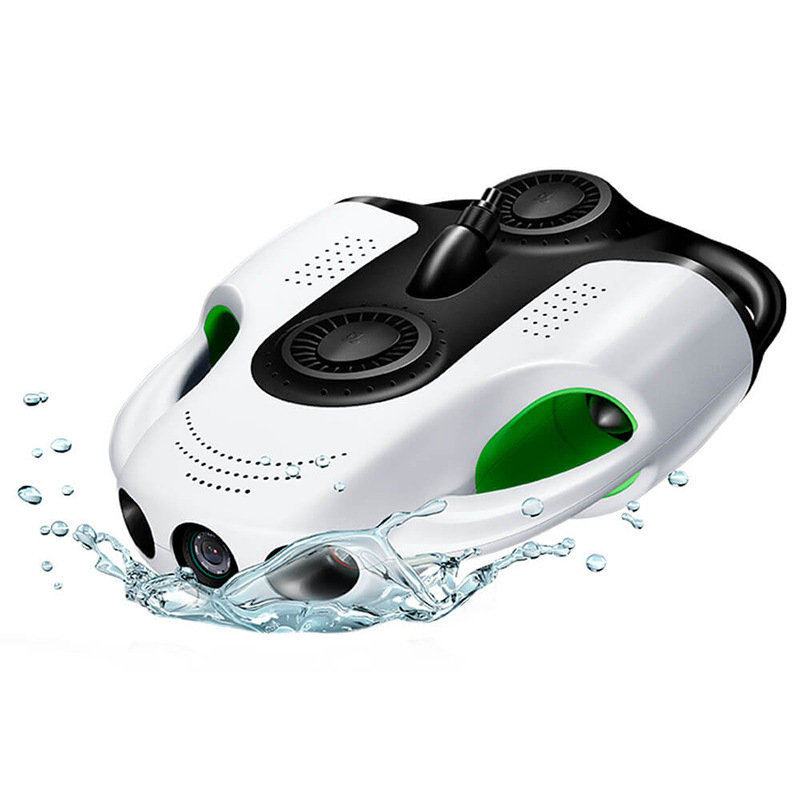
Underwater drones, also known as ROVs (Remotely Operated Vehicles), are redefining how industries inspect, monitor, and maintain underwater assets. By replacing high-risk diver operations with precision robotics, organizations improve safety, reduce costs, and gain superior data quality. From offshore energy to aquaculture and port security, modern ROV systems deliver reliable, scalable, and intelligent subsea solutions.
1. Introduction: The End of High-Risk Underwater Work
For decades, commercial divers have performed some of the most dangerous tasks in the industrial world—inspecting pipelines, checking ship hulls, repairing offshore platforms, and assessing underwater structures. While professional divers are highly trained, the reality remains: deep-water environments are unpredictable and inherently hazardous.
Today, underwater drones—technically referred to as ROVs (Remotely Operated Vehicles)—are changing that equation.
Instead of sending human divers into:
- Deep offshore environments
- Confined underwater spaces
- Contaminated water zones
- Strong current areas
- Low-visibility environments
Companies now deploy robotic systems capable of operating at depths ranging from 100 meters to over 3,000 meters—without risking human life.
This shift represents not just technological evolution, but a structural transformation in subsea operations.
2. What Is an Underwater Drone?
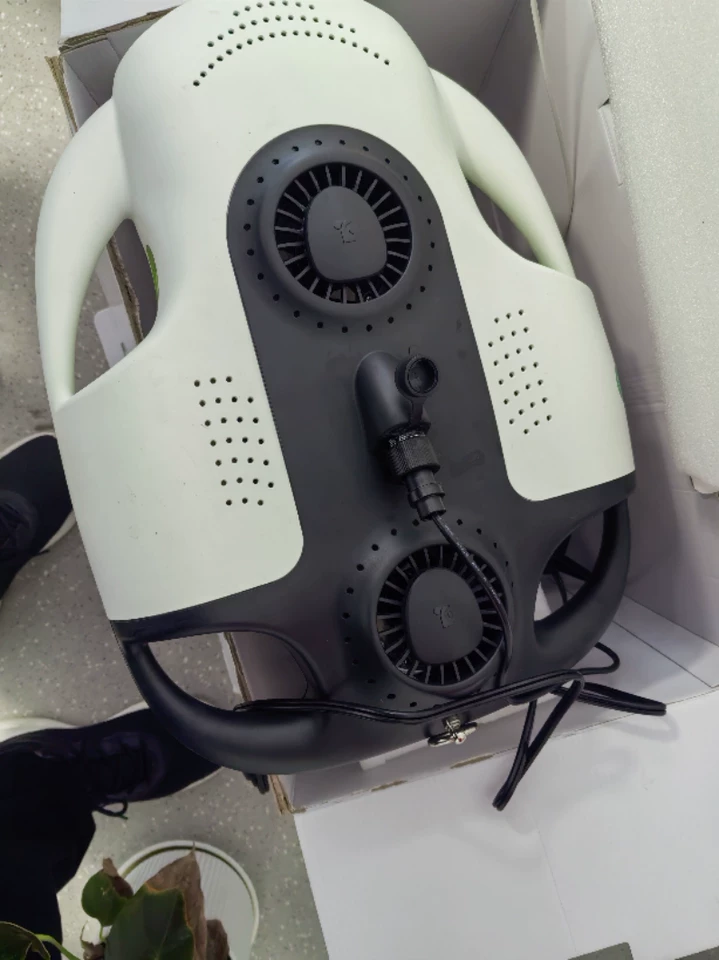
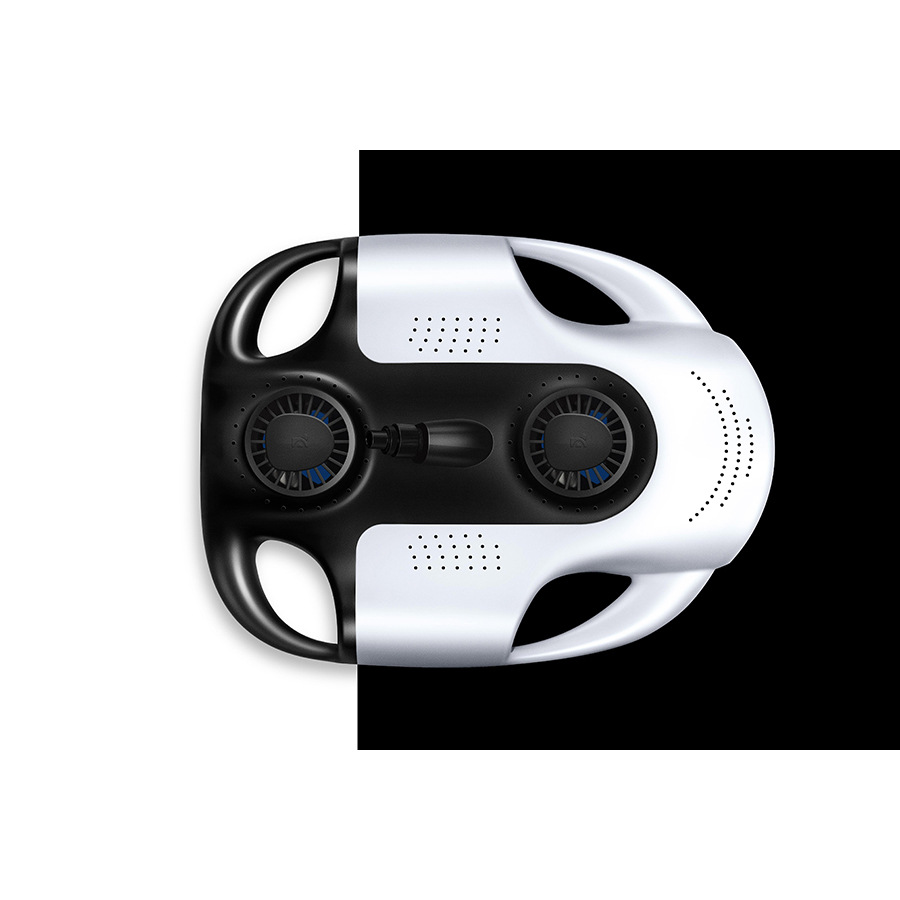
An underwater drone is a remotely controlled or autonomous robotic vehicle designed to operate below the water surface. Unlike consumer recreational drones, industrial ROVs are engineered for:
- High pressure resistance
- Stable propulsion in currents
- Precision maneuverability
- Real-time HD video transmission
- Tool integration (manipulator arms, sonar, sensors)
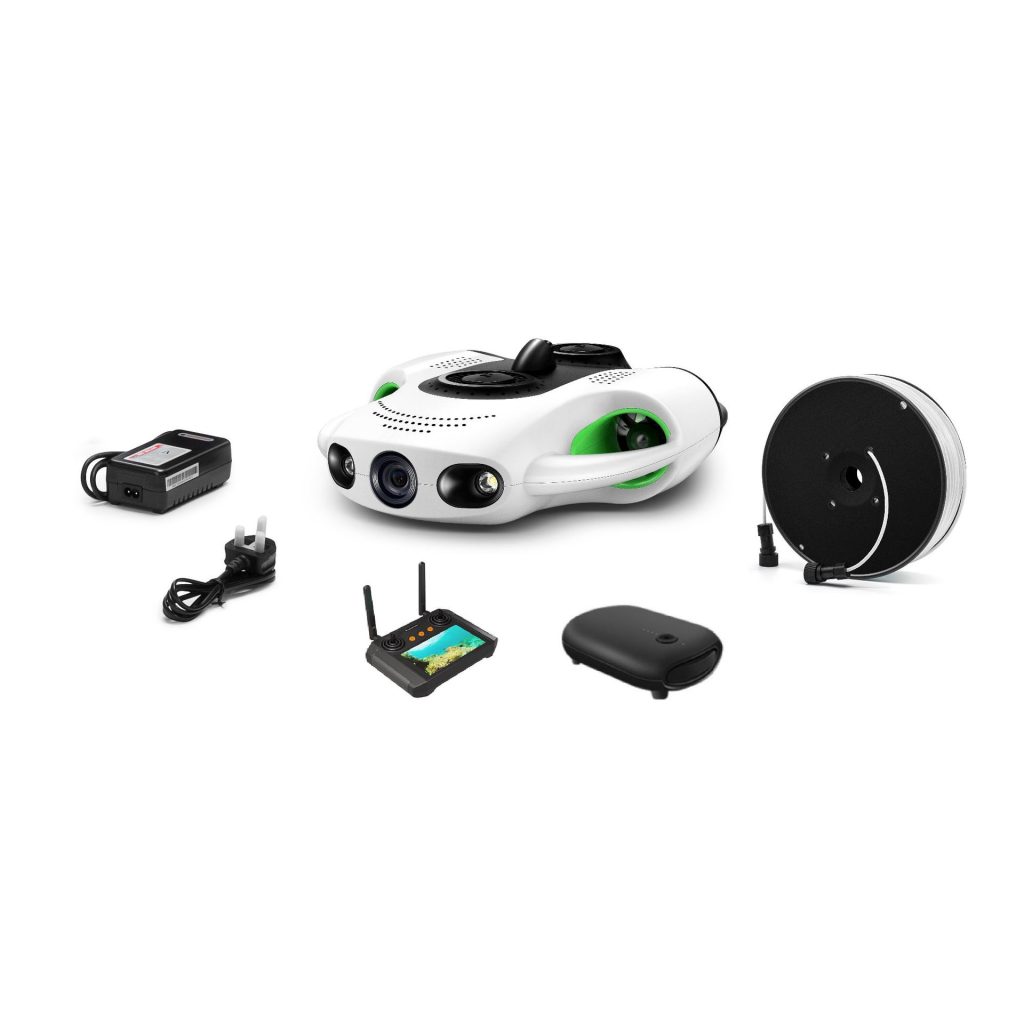
Core Components
- Thruster propulsion system
- High-definition underwater camera
- LED lighting array
- Tether cable (for power + data transmission)
- Control console
- Optional manipulator arm or tool interface
- Sonar or imaging system
Industrial-grade ROVs are built with corrosion-resistant alloys and sealed electronic systems to withstand extreme underwater environments.
3. Why Replace Divers? Risk, Cost, and Efficiency
3.1 Safety First
Commercial diving involves risks such as:
- Decompression sickness
- Equipment malfunction
- Entrapment
- Limited oxygen supply
- Psychological stress
ROVs eliminate these human risks entirely.
3.2 Cost Efficiency
Deploying a diving team typically requires:
- Surface support vessels
- Medical safety staff
- Insurance coverage
- Specialized logistics
ROVs reduce operational costs by:
- Shorter deployment time
- Smaller support teams
- Minimal insurance liability
- Faster inspection cycles
3.3 Data Quality
Unlike divers who rely on visibility and manual observation, ROVs provide:
- 4K real-time video
- Digital recording for documentation
- Sonar imaging in zero visibility
- Repeatable inspection paths
This dramatically improves reporting accuracy.
4. Industry Applications
4.1 Offshore Energy & Oil Platforms
ROVs inspect:
- Subsea pipelines
- Platform foundations
- Riser systems
- Blowout preventers
- Mooring systems
Preventative maintenance reduces environmental risks and operational downtime.
4.2 Marine Infrastructure
ROVs are widely used to assess:
- Bridge piers
- Dam walls
- Port facilities
- Underwater cables
- Intake systems
Instead of draining or closing facilities, inspections happen in real time.
4.3 Shipping & Vessel Inspection
Ship operators use underwater drones to:
- Check hull integrity
- Inspect propellers
- Assess corrosion
- Detect marine growth
- Verify damage after grounding
This reduces dry-dock frequency and saves millions annually.
4.4 Aquaculture & Fisheries
In fish farms, underwater drones help monitor:
- Net integrity
- Fish behavior
- Feeding systems
- Structural stability
Real-time monitoring improves yield and sustainability.
4.5 Search & Rescue / Security
Government agencies and marine security teams deploy ROVs for:
- Evidence recovery
- Port security inspection
- Hazard detection
- Flood rescue assessment
ROVs allow safe operation in contaminated or debris-filled water.
5. Technical Advantages of Modern ROV Systems
5.1 Depth Capability
Standard commercial ROVs:
- 100m – 300m
Advanced industrial models:
- 1,000m – 3,000m+
5.2 Stability & Positioning
- Multi-thruster vector control
- Gyroscopic stabilization
- Depth lock technology
- Auto-heading systems
5.3 Imaging Technology
- 1080P / 4K cameras
- Wide dynamic range sensors
- Low-light enhancement
- Forward-looking sonar
5.4 Modular Tool Integration
Optional add-ons:
- Robotic arms
- Thickness gauges
- Water quality sensors
- Laser scaling tools
- Sampling devices
6. Environmental & Sustainability Impact
Replacing divers with drones also supports sustainability:
- Reduced vessel fuel usage
- Lower accident rates
- Improved leak detection
- Faster environmental assessment
In offshore industries, early detection of damage prevents catastrophic ecological events.
7. E-E-A-T: Why This Technology Is Trustworthy
Experience
ROV technology has been used in offshore industries for over 40 years. Modern systems build upon decades of field deployment in harsh marine conditions.
Expertise
Engineering teams developing underwater drones typically specialize in:
- Marine robotics
- Hydrodynamics
- Subsea electronics
- Industrial inspection systems
Authoritativeness
ROVs are now standard equipment across:
- Offshore energy sectors
- Maritime engineering firms
- Government marine agencies
- Global shipping companies
Their adoption reflects industry-level validation.
Trustworthiness
Modern underwater drones comply with international safety and operational standards and are backed by manufacturer warranties and training programs.
8. Cost Comparison: Diver vs. ROV
| Factor | Commercial Diver | Underwater Drone |
|---|---|---|
| Safety Risk | High | Minimal |
| Operational Cost | High | Moderate |
| Deployment Time | Long | Short |
| Data Recording | Limited | Full digital archive |
| Insurance Liability | High | Low |
Over time, ROV systems deliver strong ROI for organizations performing regular underwater inspections.
9. Future Trends in Underwater Robotics
- AI-assisted object recognition
- Autonomous inspection routes
- Cloud-based data reporting
- Real-time 3D mapping
- Hybrid AUV/ROV systems
The integration of artificial intelligence will further reduce human dependency in subsea operations.
Frequently Asked Questions (FAQ)
Q1: Can this system replace professional divers completely?
In many inspection and monitoring scenarios, yes. However, certain complex repair operations may still require human intervention. Most companies now use ROVs for primary inspection and divers only when absolutely necessary.
Q2: What is the MOQ (Minimum Order Quantity)?
MOQ depends on the model and customization level.
- Standard industrial ROV: 1 unit
- OEM/ODM customized production: Typically 5–10 units
- Bulk industrial procurement: Negotiable based on contract
Q3: What is the delivery time?
Typical lead times:
- Standard models: 7–15 working days
- Customized systems: 20–45 working days
- Large project deployment: Based on configuration complexity
Q4: Do you have stock available?
Yes. Common depth-rated models and inspection units are usually available in stock for fast shipment. Advanced customized configurations may require assembly time.
Q5: Can the underwater drone be customized?
Yes. Customization options include:
- Depth rating upgrades
- Camera specification changes
- Manipulator arm integration
- Sonar installation
- Branding (OEM logo)
- Control interface language customization
- Tether length adjustment
Full OEM/ODM services are available for qualified orders.
Q6: What training is required?
Most industrial ROV systems include:
- Remote training sessions
- Operation manuals
- Safety guidelines
- Optional on-site training packages
Operators can typically become proficient within several days.
Q7: What maintenance is required?
Routine maintenance includes:
- Post-deployment freshwater rinse
- Thruster inspection
- Cable integrity check
- Periodic seal verification
Industrial models are designed for long service cycles.
10. Conclusion: A Safer Future Below the Surface
Underwater drones are no longer experimental technology—they are essential tools in modern marine operations. By eliminating high-risk diver deployments, improving inspection accuracy, and reducing operational costs, ROV systems offer a safer and smarter alternative for subsea industries.
From offshore oil fields to port authorities, from aquaculture farms to infrastructure engineers, the message is clear:
The future of underwater inspection is robotic, intelligent, and risk-free.


No comments yet