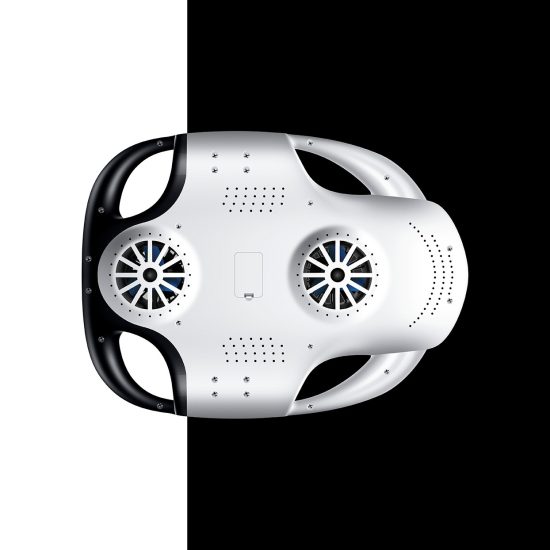




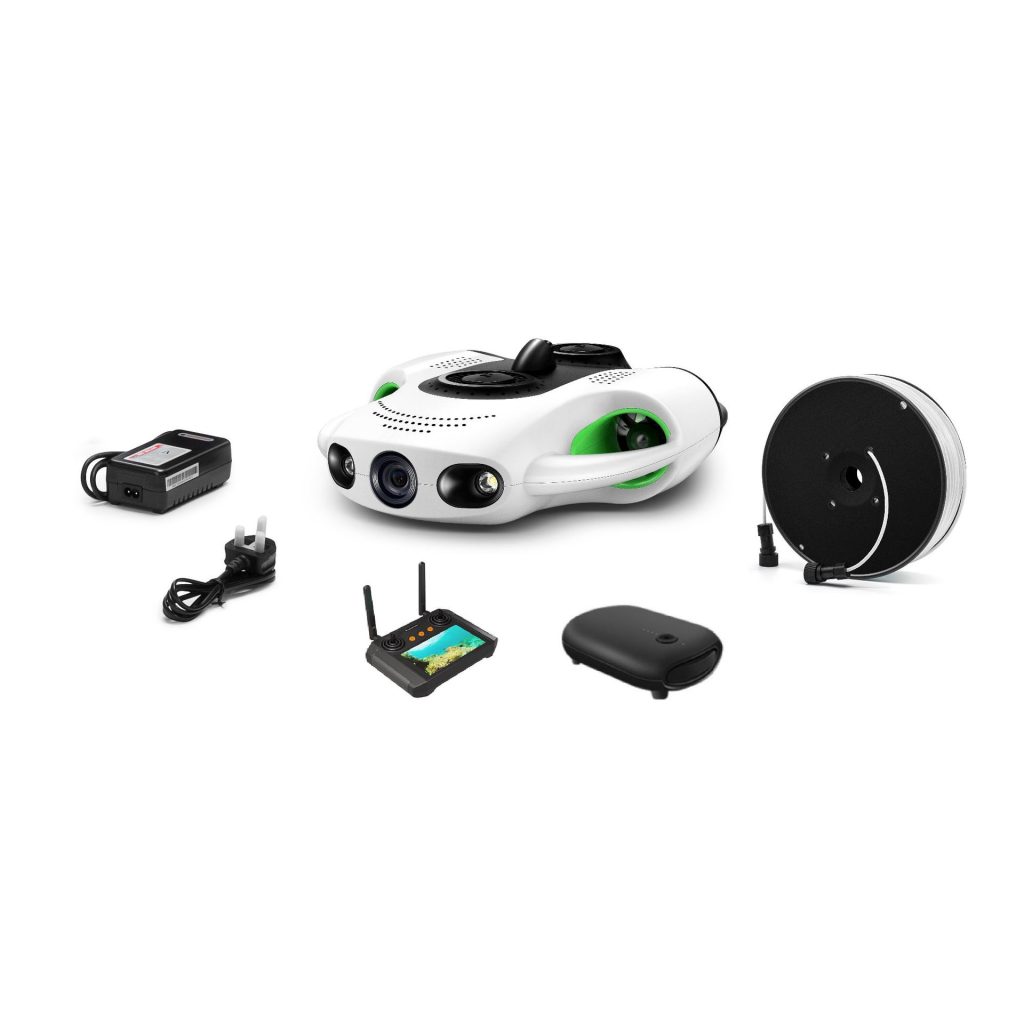
![Image [4]-Professional Underwater Drone Manufacturer in China-msoen](https://www.msoen.com/wp-content/uploads/2026/02/5096d44e7508.jpg)
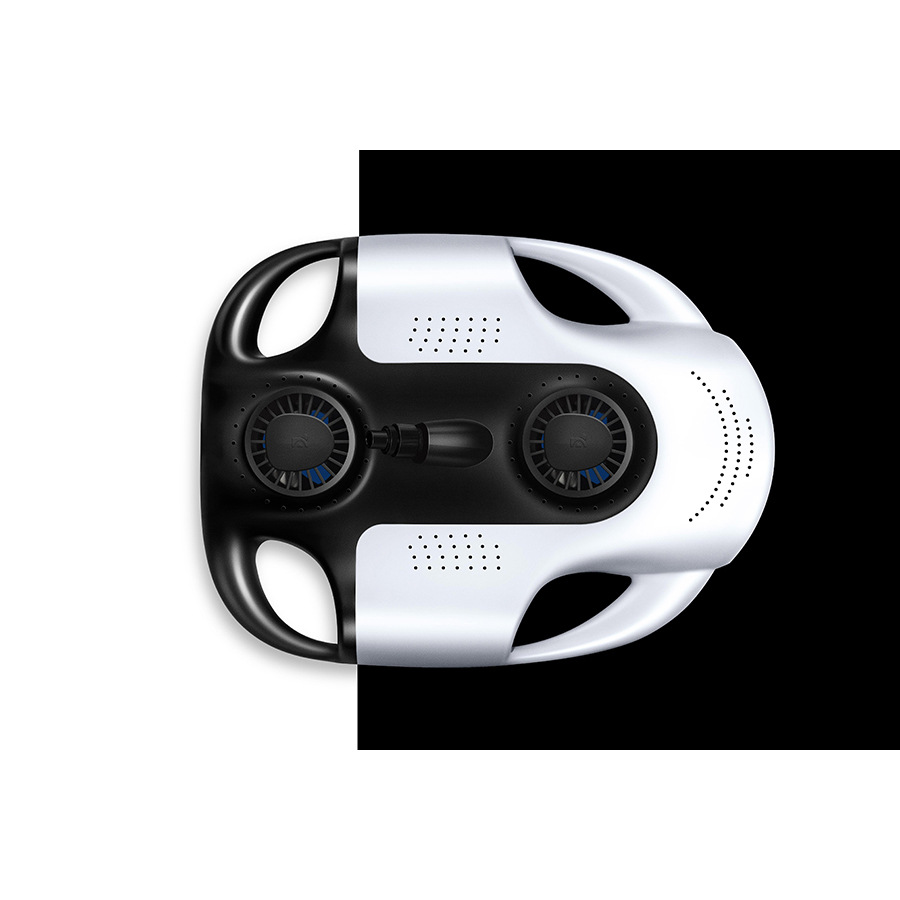
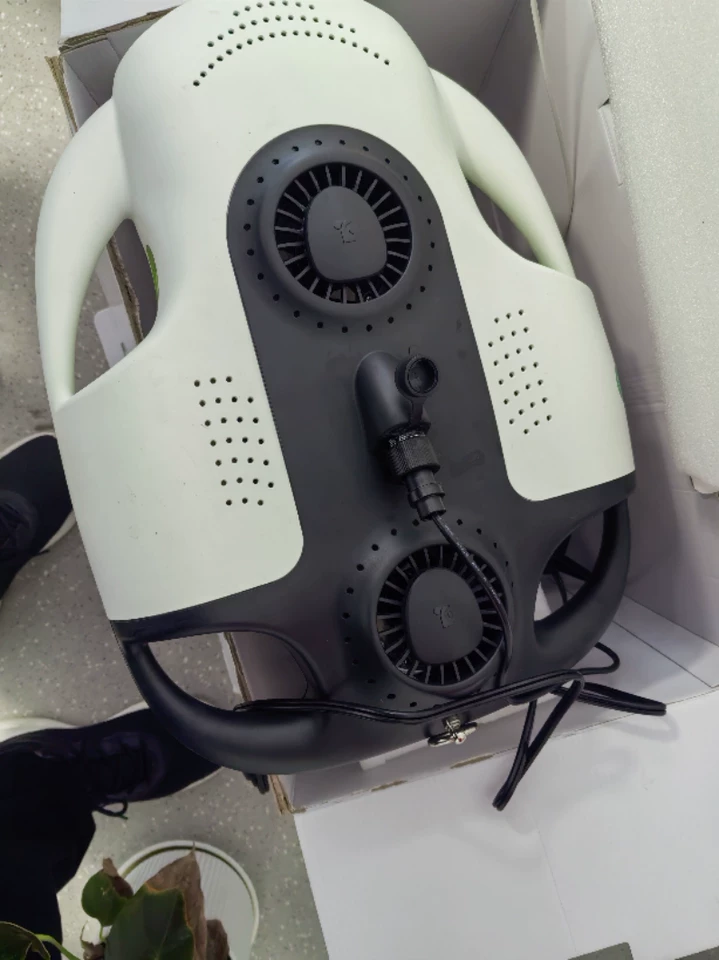
Advanced underwater drone manufacturing for industrial inspection, marine research, offshore engineering, and commercial applications. Designed for durability, precision, and global performance standards.
Introduction
As ocean industries continue to expand, the demand for reliable underwater robotics is growing rapidly. From offshore energy facilities to dam inspections and marine research, professional underwater drones—also known as ROVs (Remotely Operated Vehicles)—have become essential tools for modern underwater operations.
A professional underwater drone manufacturer in China plays a crucial role in delivering high-performance, cost-effective, and customizable ROV systems to global markets. With strong engineering capabilities, scalable production, and advanced electronics integration, Chinese manufacturers are now leading suppliers in the commercial and industrial underwater robotics sector.
This article explores manufacturing capabilities, design standards, applications, quality control systems, and how to choose the right supplier for long-term cooperation.
What Is a Professional Underwater Drone?
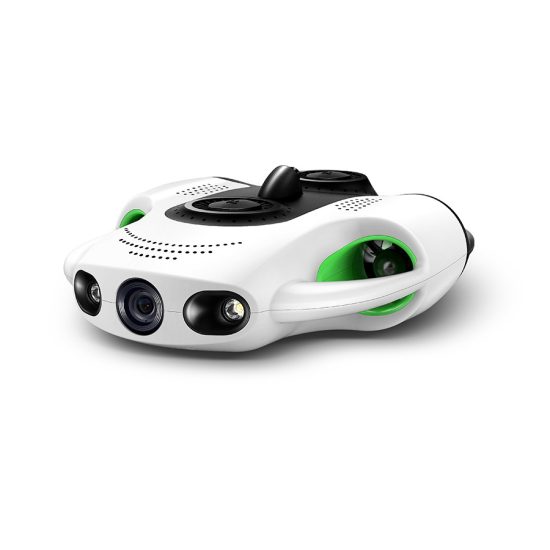
A professional underwater drone is an industrial-grade remotely operated vehicle designed for underwater inspection, exploration, and intervention tasks. Unlike consumer-level underwater cameras, professional ROVs are engineered for:
- Deep water operation
- High-pressure resistance
- Stable multi-thruster movement
- HD or 4K imaging systems
- Sonar and positioning integration
- Long-duration underwater missions
These systems are widely used in commercial, industrial, and government projects.
Key Features of Industrial-Grade Underwater Drones
1. Pressure-Resistant Structure
Professional underwater drones are built with reinforced aluminum alloy or corrosion-resistant composite materials. The hull must withstand significant underwater pressure, especially for deep-sea operations beyond 100 meters.
2. Multi-Thruster Stabilization
Advanced underwater drones are equipped with 6–8 vector thrusters, allowing:
- 360° movement
- Vertical hovering
- Stable operation in currents
- Precise positioning
This is critical for inspection accuracy.
3. High-Definition Imaging Systems
Clear visual data is essential. Most industrial ROVs include:
- 1080P or 4K camera systems
- Wide-angle lenses
- High-lumen LED lighting
- Real-time transmission to surface control units
4. Sonar Integration
In low-visibility environments such as muddy water or offshore construction zones, sonar imaging becomes necessary. Forward-looking sonar systems allow operators to detect structures even without visual clarity.
5. Modular Payload Design
Professional manufacturers design underwater drones with modular systems, enabling:
- Robotic arms
- Water quality sensors
- Thickness measurement tools
- Underwater GPS positioning systems
This flexibility increases commercial value.
Main Applications of Underwater Drones
Offshore Oil & Gas Inspection
Offshore energy infrastructure requires frequent inspection to ensure safety and regulatory compliance. Underwater drones are used to:
- Inspect pipelines
- Check platform foundations
- Monitor corrosion levels
- Evaluate underwater weld integrity
Using ROVs reduces the need for human divers, improving safety and efficiency.
Dam & Bridge Inspection
Municipal infrastructure maintenance relies heavily on underwater inspection technology. Professional drones are used for:
- Structural crack detection
- Sediment buildup monitoring
- Foundation stability assessment
- Post-flood inspections
This improves maintenance planning and prevents structural failures.
Marine Research & Aquaculture
Scientific institutions and aquaculture farms use underwater drones for:
- Coral reef monitoring
- Fish farm cage inspection
- Environmental impact assessments
- Marine biodiversity surveys
High-definition imaging and sensor integration make underwater drones essential tools for marine science.
Manufacturing Advantages in China
Strong Supply Chain Ecosystem
China’s electronics and robotics supply chain offers major advantages:
- Precision motor manufacturing
- Advanced PCB assembly
- Battery system integration
- CNC machining facilities
This ecosystem enables cost-effective production without compromising quality.
OEM & Customization Capability
Professional manufacturers offer:
- Logo customization
- Software interface branding
- Depth rating adjustment
- Camera and sonar upgrades
- Customized tether length
This flexibility is particularly valuable for distributors and brand owners.
Scalable Production Capacity
Whether producing small batches for testing or large orders for distributors, manufacturers can scale production efficiently. Automated testing lines and quality control checkpoints ensure consistency.
Quality Control & Testing Procedures
Reliable underwater drone manufacturers follow strict inspection processes:
- Pressure chamber testing
- Waterproof sealing verification
- Thruster endurance testing
- Battery safety testing
- Real-world water tank operation trials
Every unit should undergo final functional testing before shipment.
Certifications such as CE, FCC, and RoHS are commonly required for international markets.
Technical Specifications Buyers Should Evaluate
When sourcing from a professional underwater drone manufacturer in China, buyers should compare:
- Maximum operating depth
- Tether length
- Camera resolution
- Thruster configuration
- Battery life
- Payload capacity
- Control system interface
- Operating temperature range
Choosing based on project requirements ensures optimal ROI.
Global Market Demand Trends
The underwater drone industry is expanding due to:
- Increased offshore infrastructure
- Growing renewable marine energy projects
- Environmental monitoring regulations
- Port and shipping inspections
- Defense and security applications
As maritime economies develop, demand for cost-efficient and reliable underwater robotics will continue to rise.
How to Choose the Right Manufacturer
When selecting a supplier, consider:
1. Engineering Experience
Look for manufacturers with dedicated R&D teams specializing in underwater robotics.
2. Customization Ability
OEM capability is essential if you plan to build your own brand.
3. After-Sales Support
Professional manufacturers provide:
- Technical documentation
- Spare parts supply
- Remote troubleshooting
- Firmware updates
4. Transparent Communication
Reliable suppliers offer clear production timelines, inspection reports, and shipment tracking.
Why Partner with a Professional Chinese Manufacturer?
Working with a professional underwater drone manufacturer in China provides:
- Competitive pricing
- Advanced production technology
- Rapid customization
- Global shipping experience
- Long-term partnership potential
For distributors, engineering companies, and industrial service providers, establishing a stable manufacturing partnership ensures consistent supply and product innovation.
Future Development of Underwater Robotics
The next generation of underwater drones will focus on:
- AI-assisted navigation
- Autonomous inspection systems
- Real-time cloud data transmission
- Hybrid tethered and wireless systems
- Improved battery efficiency
Manufacturers investing in innovation will dominate future markets.
Conclusion
Professional underwater drone manufacturing in China combines engineering precision, scalable production, and global export expertise. As industries increasingly rely on underwater inspection and data collection, high-performance ROV systems are becoming indispensable tools.
By partnering with an experienced manufacturer that prioritizes quality, customization, and technological advancement, businesses can gain a competitive advantage in the growing underwater robotics market.
FAQ
1. What depth can professional underwater drones operate at?
Most industrial models operate between 100–300 meters, while advanced systems can exceed 500 meters depending on design.
2. Are underwater drones better than human divers?
For hazardous or deep-water environments, underwater drones provide safer, longer, and more cost-efficient operation.
3. Can I customize the drone with my brand?
Yes. Most professional manufacturers offer OEM and private label services.
4. What certifications are required for export?
Common certifications include CE, FCC, and RoHS depending on target markets.
5. How long is the production lead time?
Standard production typically ranges from 15–30 days depending on order volume and customization level.
If you want, I can next help you:
- Add structured FAQ Schema code
- Write a second SEO article with a different title
- Create a distributor recruitment landing page
- Build keyword cluster strategy for underwater drone niche
Which one do you want next?


No comments yet