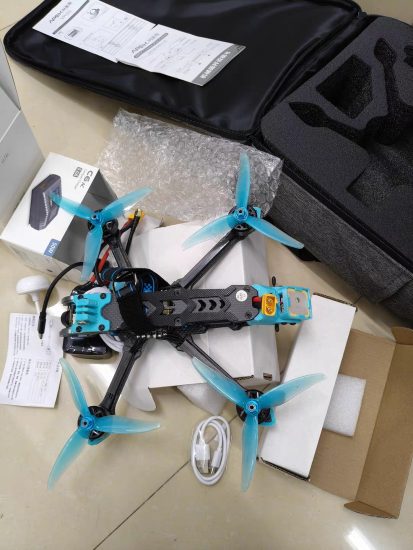


📦 High-Performance FPV Racing Drone Designed for Speed and Control
FPV racing drones, often called high-speed freestyle quadcopters, are engineered for pilots who demand maximum agility, rapid acceleration, and full manual flight control. These drones provide a real-time first-person-view flying experience, allowing pilots to navigate complex environments and perform advanced aerial maneuvers with precision.🛸 Ultra-fast racing flight performance
⚡ Powerful propulsion system for rapid acceleration
🎮 Immersive real-time FPV control
🔧 Modular drone structure for upgrades
🌍 Applications in racing, freestyle flying, aerial exploration, and dynamic filmingWith lightweight construction, durable frames, and advanced flight systems, modern FPV racing drones offer an exciting combination of speed, flexibility, and technical innovation.
![Image [1]-Professional FPV Racing Drone for Extreme Speed and Precision: Ultimate Guide to High-Performance FPV Quadcopters-msoen](https://www.msoen.com/wp-content/uploads/2026/03/20260312061409589-1000021268.jpg)
![Image [2]-Professional FPV Racing Drone for Extreme Speed and Precision: Ultimate Guide to High-Performance FPV Quadcopters-msoen](https://www.msoen.com/wp-content/uploads/2026/03/20260312061426483-1000021264.jpg)
![Image [3]-Professional FPV Racing Drone for Extreme Speed and Precision: Ultimate Guide to High-Performance FPV Quadcopters-msoen](https://www.msoen.com/wp-content/uploads/2026/03/20260312061408201-1000021267.jpg)
![Image [4]-Professional FPV Racing Drone for Extreme Speed and Precision: Ultimate Guide to High-Performance FPV Quadcopters-msoen](https://www.msoen.com/wp-content/uploads/2026/03/20260312061408755-1000021266.jpg)
![Image [5]-Professional FPV Racing Drone for Extreme Speed and Precision: Ultimate Guide to High-Performance FPV Quadcopters-msoen](https://www.msoen.com/wp-content/uploads/2026/03/20260312061406560-1000021270.jpg)
🛸 What Is a Professional FPV Racing Drone?
A professional FPV racing drone is a compact quadcopter designed for extreme flight performance and immersive manual control.
The term FPV stands for first-person view. This means the drone sends live video from an onboard camera directly to the pilot.
Instead of controlling the aircraft by watching it from the outside, the pilot experiences the flight from the drone’s perspective.
Key characteristics include:
⚡ rapid acceleration
🎮 direct pilot control
🛸 agile aerial maneuverability
📡 real-time video transmission
🔧 customizable drone components
These drones are widely used by experienced pilots who want high-speed flight and precise maneuverability.
⚡ Key Technologies Behind High-Speed FPV Quadcopters
To achieve high speed and responsive flight, FPV racing drones combine several advanced technologies.
🚀 High-Thrust Brushless Motors
Brushless motors provide the power required for extreme flight performance.
These motors deliver strong thrust while maintaining efficiency and durability.
Key advantages include:
⚡ rapid power response
🔥 efficient energy conversion
🛠 reduced mechanical wear
🛸 consistent high-speed operation
Strong motors allow the drone to accelerate quickly and perform aggressive aerial maneuvers.
🛡 Lightweight and Impact-Resistant Frames
The frame forms the structural base of the drone.
Professional FPV drones are built with lightweight but strong materials that support fast and agile flight.
Benefits include:
🪶 lightweight structure for faster flight
🛡 strong resistance to impact during crashes
⚙ improved aerodynamic performance
🚀 rapid directional changes
A well-designed frame improves both durability and maneuverability.
🎮 Real-Time First-Person View Flight System
The FPV system is the core technology that defines this type of drone.
The onboard camera transmits live video to the pilot’s display.
Key features include:
📡 low-latency video transmission
👓 immersive flight perspective
🎯 accurate navigation
🛸 improved reaction speed
This immersive system allows pilots to fly through tight spaces and obstacles with precision.
🔧 Modular Drone Design
FPV racing drones are often built with modular components.
This allows pilots to customize or upgrade individual parts.
Common upgradeable components include:
⚙ flight controllers
🔋 batteries
🛸 propellers
📡 video transmitters
Modular construction allows pilots to adapt their drones for different flight styles.
🏁 Major Uses of FPV Racing Drones
FPV drones were originally designed for racing competitions, but today they are used in multiple fields.
🏎 Drone Racing Competitions
Drone racing is a rapidly growing sport where pilots compete in high-speed obstacle courses.
Racing requires:
⚡ fast reaction speed
🎮 precise control
🛸 accurate navigation
🏁 optimized drone performance
Competitions highlight the extreme speed and maneuverability of FPV quadcopters.
🎥 Dynamic Aerial Cinematography
FPV drones are widely used to capture fast-moving aerial footage.
Their agility allows them to follow subjects smoothly and navigate complex environments.
Advantages include:
🎬 cinematic motion shots
🚀 high-speed tracking footage
🛸 flexible flight paths
🎯 creative camera perspectives
These capabilities make FPV drones valuable tools for professional filming.
🌄 Recreational Freestyle Flying
Freestyle FPV flying focuses on performing creative aerial tricks and exploring environments.
Pilots perform maneuvers such as:
🛸 aerial flips
⚡ high-speed dives
🎮 precise rolls
🚀 advanced flight patterns
Freestyle flying emphasizes pilot creativity and skill.
🛠 Essential Components of an FPV Racing Drone
Understanding the core components helps pilots build and maintain high-performance drones.
⚙ Flight Controller
The flight controller acts as the central control system of the drone.
It processes sensor data and manages motor output.
Key functions include:
🧠 flight stabilization
🎮 pilot command processing
⚡ motor speed adjustment
🛸 maintaining flight balance
A reliable controller ensures stable and responsive flight.
🔋 High-Energy Drone Batteries
FPV racing drones require powerful batteries capable of delivering high bursts of energy.
Important battery characteristics include:
⚡ high discharge rates
🔋 lightweight construction
🛸 stable power supply
⏱ balanced flight duration
Battery performance directly influences speed and flight endurance.
🛸 Propeller Systems
Propellers convert motor power into thrust that lifts the drone.
Important factors include:
🌀 blade design
⚙ rotational efficiency
🛸 thrust generation
🔧 durability
Different propellers can change the drone’s speed and flight behavior.
📡 Video Transmission System
The FPV video system provides the pilot with live aerial footage.
Typical components include:
📷 onboard camera
📡 video transmitter
👓 FPV goggles or monitor
🎮 receiver module
Reliable video transmission is essential for safe flight navigation.
📈 Advantages of High-Speed FPV Racing Drones
FPV racing drones offer several benefits compared with traditional drones.
🚀 Exceptional Speed
These drones are specifically designed for rapid acceleration and high top speeds.
Pilots can perform aggressive flight maneuvers with remarkable control.
🎮 Immersive Flight Experience
The FPV system allows pilots to experience flight from the drone’s perspective.
This creates a highly engaging flying experience.
🔧 Easy Performance Customization
Because of their modular structure, FPV drones can be upgraded and tuned for different performance goals.
🌍 Future Trends in FPV Drone Development
The technology behind FPV drones continues to evolve.
Future developments may include:
🧠 smarter flight control software
🔋 longer-lasting battery systems
📡 improved communication stability
🚀 more efficient propulsion technology
These innovations will expand the possibilities for high-performance drone flight.
📩 How to Choose a High-Performance FPV Racing Drone
When selecting an FPV racing drone, pilots should evaluate several important factors.
Key considerations include:
⚡ motor power and thrust capability
🛸 frame strength and weight
📡 video transmission stability
🔋 battery performance
🎮 control system responsiveness
Choosing the right drone ensures safe operation and an exciting flying experience.
❓ FAQ – FPV Racing Drones
1. What is an FPV racing drone?
An FPV racing drone is a high-speed quadcopter designed for manual flight control using real-time video transmission from an onboard camera.
2. Why are FPV racing drones faster than standard drones?
They use lightweight frames, powerful motors, and manual flight control systems optimized for speed and agility.
3. What are FPV drones used for?
They are commonly used for drone racing, freestyle aerial flying, cinematic filming, and recreational flight.
4. Is flying an FPV drone difficult?
FPV flying requires practice and coordination because pilots control the drone manually through a live video feed.
5. Can FPV racing drones be upgraded?
Yes. Most FPV drones use modular components that allow upgrades to motors, propellers, cameras, batteries, and flight controllers.
6. What should beginners look for when choosing an FPV drone?
Beginners should focus on durability, stable flight control systems, reliable video transmission, and easy maintenance.





No comments yet