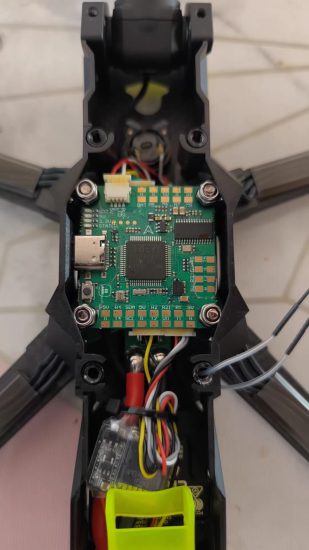


![Image [1]-Professional FPV Racing Drone for Extreme Speed and Precision Flight: Complete Guide to High-Performance FPV Quadcopters-msoen](https://www.msoen.com/wp-content/uploads/2026/03/20260312061517277-1000021246-576x1024.jpg)
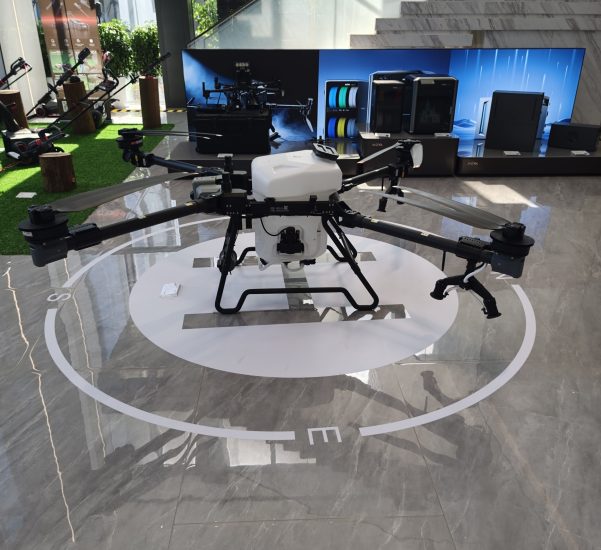
![Image [2]-Professional FPV Racing Drone for Extreme Speed and Precision Flight: Complete Guide to High-Performance FPV Quadcopters-msoen](https://www.msoen.com/wp-content/uploads/2026/03/20260312061426483-1000021264-1024x1024.jpg)
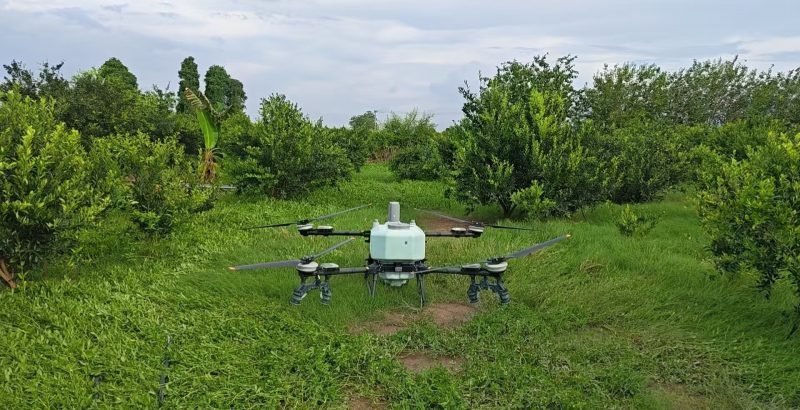
![Image [3]-Professional FPV Racing Drone for Extreme Speed and Precision Flight: Complete Guide to High-Performance FPV Quadcopters-msoen](https://www.msoen.com/wp-content/uploads/2026/03/20260312061409589-1000021268-768x1024.jpg)
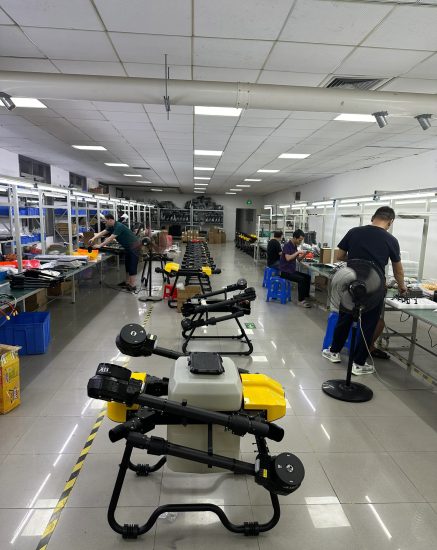
![Image [4]-Professional FPV Racing Drone for Extreme Speed and Precision Flight: Complete Guide to High-Performance FPV Quadcopters-msoen](https://www.msoen.com/wp-content/uploads/2026/03/20260312061424992-1000021265-1024x768.jpg)
![Image [5]-Professional FPV Racing Drone for Extreme Speed and Precision Flight: Complete Guide to High-Performance FPV Quadcopters-msoen](https://www.msoen.com/wp-content/uploads/2026/03/20260312061426777-1000021263-1024x1024.jpg)
![Image [6]-Professional FPV Racing Drone for Extreme Speed and Precision Flight: Complete Guide to High-Performance FPV Quadcopters-msoen](https://www.msoen.com/wp-content/uploads/2026/03/20260312061518363-1000021249-576x1024.jpg)
![Image [7]-Professional FPV Racing Drone for Extreme Speed and Precision Flight: Complete Guide to High-Performance FPV Quadcopters-msoen](https://www.msoen.com/wp-content/uploads/2026/03/20260312061519935-1000021247-768x1024.jpg)
![Image [8]-Professional FPV Racing Drone for Extreme Speed and Precision Flight: Complete Guide to High-Performance FPV Quadcopters-msoen](https://www.msoen.com/wp-content/uploads/2026/03/20260312061517543-1000021254-1024x576.jpg)
🚀 Professional FPV Racing Drone Technology for High-Speed Flight and Precision Control
FPV racing drones, often known as high-performance FPV quadcopters, are designed for pilots who demand speed, agility, and complete flight control. These drones deliver an immersive flying experience through real-time first-person-view technology, allowing pilots to navigate complex environments with extreme precision.🛸 Ultra-fast aerial maneuverability
⚡ Powerful propulsion systems for rapid acceleration
🎮 Real-time first-person-view pilot control
🔧 Modular drone components for easy customization
🌍 Advanced applications in racing, exploration, and aerial filmingWith lightweight frames, high-speed motors, and advanced flight control systems, FPV racing drones represent one of the most dynamic segments of modern drone technology.
🛸 What Is an FPV Racing Drone?
An FPV racing drone is a compact quadcopter built for high-speed flight and immersive manual piloting.
The abbreviation FPV means first-person view. This technology allows the pilot to control the drone using live video transmitted directly from an onboard camera.
Instead of watching the drone from the ground, pilots see exactly what the drone sees.
This creates a unique flying experience that combines precision control with high-speed maneuverability.
Core characteristics include:
⚡ high-speed propulsion systems
🎮 real-time manual flight control
🛸 agile aerial movement
📡 low-latency video transmission
🔧 customizable hardware architecture
These capabilities make FPV drones extremely popular among advanced pilots and aerial technology enthusiasts.
⚡ Key Technologies Behind High-Speed FPV Drones
Modern FPV racing drones rely on advanced engineering and electronic systems to achieve extreme performance.
🚀 High-Performance Brushless Motors
Brushless motors are essential components that power FPV drones.
These motors generate strong thrust while maintaining efficiency and reliability.
Major benefits include:
⚡ rapid acceleration
🛸 strong thrust output
🔥 reduced mechanical wear
⚙ consistent high-speed rotation
High-quality motors allow FPV drones to reach impressive speeds while maintaining control.
🛡 Lightweight Structural Frames
The drone frame supports all internal components and determines the aircraft’s durability.
Most professional FPV drones use lightweight yet strong structural materials.
Advantages include:
🪶 reduced overall weight
🛡 impact resistance during crashes
⚙ improved agility in flight
🚀 faster directional changes
A well-engineered frame enhances flight stability and durability.
🎮 Real-Time FPV Video Systems
FPV video systems transmit live video from the drone’s camera to the pilot.
This system creates the immersive flight experience that defines FPV flying.
Important features include:
📡 real-time video transmission
👓 immersive pilot perspective
🎯 precise obstacle navigation
🛸 fast pilot reaction capability
High-quality video transmission improves both flight safety and control accuracy.
🔧 Modular Drone Architecture
FPV drones are designed with modular components so pilots can easily modify their aircraft.
Common upgradeable parts include:
⚙ flight controllers
🔋 batteries
🛸 propellers
📡 video transmitters
This modular design allows pilots to optimize their drones for different performance goals.
🏁 Popular Applications of FPV Racing Drones
Although originally developed for racing competitions, FPV drones are now used in many fields.
🏎 Competitive Drone Racing
Drone racing is a fast-growing sport where pilots fly through obstacle courses at extremely high speeds.
Competitors must demonstrate:
⚡ fast reaction time
🎮 accurate flight control
🛸 precise maneuvering
🏁 optimized drone performance
Racing environments highlight the incredible speed and agility of FPV quadcopters.
🎥 High-Speed Cinematic Filming
FPV drones are widely used for filming dynamic aerial footage.
Their agility allows them to follow moving subjects and capture dramatic camera angles.
Benefits include:
🎬 smooth high-speed tracking shots
🚀 immersive motion perspectives
🛸 flexible flight paths
🎯 creative filming possibilities
These features make FPV drones useful tools in professional video production.
🌄 Recreational Adventure Flying
Many drone enthusiasts enjoy FPV flying simply for the thrill of exploration.
Pilots can navigate forests, mountains, and open landscapes with remarkable freedom.
Common recreational uses include:
🌄 landscape exploration
🛸 freestyle aerial tricks
🎮 immersive hobby flying
🚀 high-speed outdoor adventure
FPV flying offers a unique combination of technology and excitement.
🛠 Essential Components of an FPV Racing Drone
Understanding the major components helps pilots select and maintain high-performance drones.
⚙ Flight Controller
The flight controller acts as the drone’s central processor.
It stabilizes the aircraft and interprets pilot commands.
Key functions include:
🧠 sensor data processing
🎮 command interpretation
⚡ motor speed control
🛸 flight stability management
A reliable controller ensures smooth and responsive drone handling.
🔋 High-Capacity Drone Batteries
FPV drones require batteries capable of delivering strong bursts of power.
Important battery characteristics include:
⚡ high discharge rates
🔋 lightweight design
🛸 stable energy delivery
⏱ balanced flight time
Battery performance directly influences flight speed and endurance.
🛸 Propeller Systems
Propellers convert motor power into thrust that lifts the drone into the air.
Key factors include:
🌀 blade shape
⚙ rotation efficiency
🛸 thrust generation
🔧 structural durability
Different propellers can significantly influence speed and maneuverability.
📡 Video Transmission Equipment
The FPV video system allows the pilot to see the drone’s perspective in real time.
Typical components include:
📷 onboard camera
📡 video transmitter
👓 FPV goggles
🎮 ground receiver
Reliable video transmission is essential for safe navigation.
📈 Advantages of FPV Racing Drones
FPV drones provide several advantages compared with traditional aerial drones.
🚀 Extreme Flight Performance
These drones are engineered for high-speed flight and aggressive maneuvering.
Pilots can perform advanced aerial tricks and racing maneuvers.
🎮 Immersive Pilot Experience
First-person-view technology creates a realistic flight sensation that traditional drones cannot match.
🔧 Flexible Customization
The modular structure allows pilots to upgrade components and improve performance over time.
🌍 Future Developments in FPV Drone Technology
The FPV drone industry continues to evolve as new technologies emerge.
Future innovations may include:
🧠 smarter flight control algorithms
🔋 longer-lasting batteries
📡 improved signal transmission systems
🚀 more efficient propulsion technology
These developments will further expand the capabilities of high-performance FPV drones.
📩 How to Choose a High-Performance FPV Racing Drone
Selecting the right drone requires evaluating several important factors.
Pilots should consider:
⚡ motor power and thrust
🛸 frame durability
📡 video transmission quality
🔋 battery capacity
🎮 control system responsiveness
A well-designed FPV racing drone ensures both safety and thrilling flight performance.
❓ FAQ – FPV Racing Drones
1. What is an FPV racing drone?
An FPV racing drone is a high-speed quadcopter designed for manual piloting using real-time video transmission from an onboard camera.
2. Why are FPV drones faster than traditional drones?
They use lightweight frames, powerful motors, and manual flight control systems optimized for speed and agility.
3. What are FPV drones commonly used for?
They are used for drone racing, freestyle flying, aerial filming, and advanced drone piloting practice.
4. Is FPV flying difficult for beginners?
FPV flying requires practice because pilots control the drone manually without automatic stabilization systems.
5. Can FPV racing drones be upgraded?
Yes. Most FPV drones allow upgrades to motors, propellers, batteries, cameras, and flight controllers.
6. What should new pilots consider when choosing an FPV drone?
Beginners should prioritize durability, stable video transmission, and reliable flight control systems when selecting a drone.


No comments yet