


![Image [1]-Professional FPV Drone for Industrial Inspection-msoen](https://www.msoen.com/wp-content/uploads/2026/03/20260312061519935-1000021247-768x1024.jpg)
![Image [2]-Professional FPV Drone for Industrial Inspection-msoen](https://www.msoen.com/wp-content/uploads/2026/03/20260312061426777-1000021263-1024x1024.jpg)
![Image [3]-Professional FPV Drone for Industrial Inspection-msoen](https://www.msoen.com/wp-content/uploads/2026/03/20260312061424992-1000021265-1024x768.jpg)
![Image [4]-Professional FPV Drone for Industrial Inspection-msoen](https://www.msoen.com/wp-content/uploads/2026/03/20260312061408755-1000021266-768x1024.jpg)
![Image [5]-Professional FPV Drone for Industrial Inspection-msoen](https://www.msoen.com/wp-content/uploads/2026/03/20260312061408201-1000021267-1024x768.jpg)
![Image [6]-Professional FPV Drone for Industrial Inspection-msoen](https://www.msoen.com/wp-content/uploads/2026/03/20260312061426483-1000021264-1024x1024.jpg)
Professional FPV Drone for Industrial Inspection
Advanced UAV Technology for Infrastructure Monitoring and Industrial Applications
📦 Quick Overview
Industrial inspection has traditionally required workers to climb towers, enter confined spaces, or use expensive heavy equipment to examine infrastructure. Today, the development of professional FPV drones for industrial inspection has dramatically changed how companies monitor and maintain critical assets.
FPV (First-Person View) drones allow operators to see real-time video directly from the drone’s onboard camera while flying. This immersive perspective enables precise navigation around complex structures such as power lines, bridges, factories, and pipelines.
Compared with traditional inspection methods, FPV UAV systems provide a safer, faster, and more cost-effective solution. With high-resolution cameras, stable flight systems, and long-range communication technology, professional FPV drones are now widely used in many industrial sectors.
This article explains how industrial FPV drones work, their key components, and why they are becoming essential tools for modern infrastructure inspection.
What Is an Industrial Inspection FPV Drone?
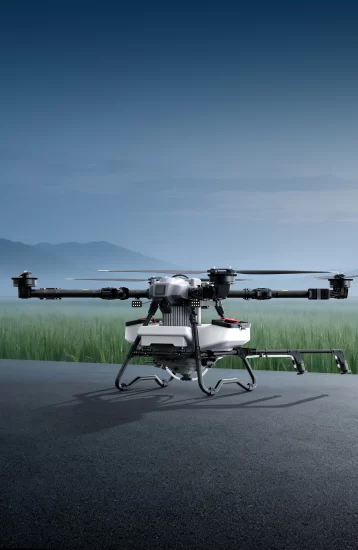
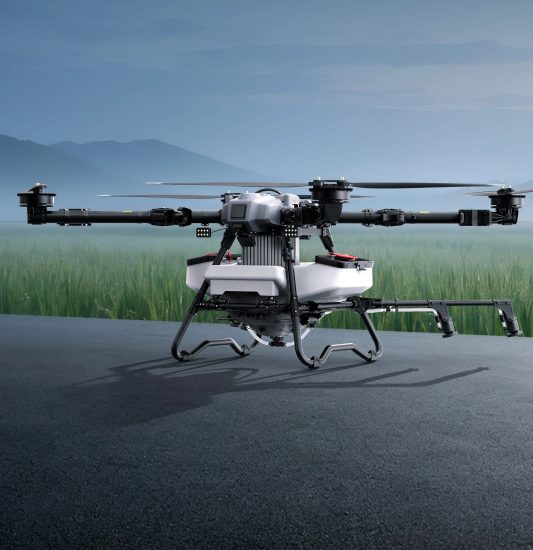
A professional FPV drone for industrial inspection is a specialized unmanned aerial vehicle designed to inspect structures and facilities while transmitting real-time video to the operator.
Unlike recreational drones, industrial inspection drones are built with stronger frames, advanced sensors, and reliable communication systems.
Typical features include:
- High-definition cameras for detailed visual inspection
- Stable flight control systems for precise maneuvering
- Long-range transmission technology
- Durable construction for challenging environments
- Modular components for easy maintenance
These drones allow operators to fly close to structures and inspect areas that would otherwise be difficult or dangerous for humans to access.
Why FPV Drones Are Ideal for Industrial Inspection
Many industries are adopting FPV drones because they provide several important advantages compared with traditional inspection methods.
Increased Safety
Inspecting tall structures or confined spaces can expose workers to serious risks.
FPV drones allow operators to inspect these areas from a safe distance, reducing the need for dangerous manual inspections.
Faster Inspection Process
Traditional inspections may require scaffolding, cranes, or climbing equipment.
With drones, inspections can be completed in a fraction of the time.
This allows companies to perform inspections more frequently and respond quickly to potential issues.
Reduced Operational Costs
Using drones eliminates many expenses associated with manual inspection, including:
- labor costs
- equipment rental
- downtime for infrastructure shutdown
Over time, drone inspections significantly reduce maintenance costs.
High-Quality Data Collection
Modern drones equipped with HD cameras can capture detailed images and video of structures.
This data allows engineers to analyze problems such as cracks, corrosion, or structural damage.
Key Components of a Professional Industrial FPV Drone
Industrial inspection drones rely on several important components to deliver reliable performance.
Durable Drone Frame
Industrial drones require strong and lightweight frames capable of handling demanding environments.
Carbon fiber frames are commonly used because they provide:
- high structural strength
- low weight
- resistance to vibration and impact
A durable frame ensures stable flight even when flying close to structures.
High-Efficiency Motors
Brushless motors provide the power required to lift the drone and maintain stable flight.
Industrial drones often use motors designed for:
- consistent performance
- high torque
- efficient power consumption
Reliable motors allow drones to maintain precise positioning during inspections.
Advanced Flight Controller
The flight controller acts as the central control system of the drone.
Modern flight controllers include sensors such as:
- gyroscopes
- accelerometers
- GPS modules
These sensors allow the drone to stabilize itself automatically and maintain accurate positioning.
For inspection missions, precise control is essential when flying near structures.
High-Resolution Camera System
One of the most important components of an inspection drone is the camera system.
High-resolution cameras allow operators to detect small defects such as:
- cracks in concrete
- corrosion on metal surfaces
- loose bolts or connectors
- damaged insulation
Clear visual data enables engineers to make informed maintenance decisions.
Real-Time Video Transmission
FPV drones transmit live video to the operator through wireless communication systems.
Stable transmission ensures that the operator always has a clear view of the inspection area.
Reliable signal transmission is particularly important when inspecting large facilities or complex infrastructure.
Battery System
Industrial drones require high-capacity batteries to support longer inspection flights.
Battery performance determines how long the drone can remain airborne and complete inspection tasks.
Efficient power systems help maximize operational productivity.
Common Industrial Applications for FPV Inspection Drones
FPV drones are used across many industries to monitor and inspect infrastructure.
Power Line Inspection
Electric utilities use drones to inspect transmission lines and towers.
Drones can safely examine components such as:
- power cables
- insulators
- tower structures
This helps detect potential issues before they lead to power outages.
Bridge Inspection
Bridges require regular monitoring to ensure structural safety.
FPV drones can fly underneath bridges and inspect areas that are difficult to reach using traditional methods.
Engineers can quickly identify cracks, corrosion, and structural damage.
Oil and Gas Infrastructure
The oil and gas industry uses drones to inspect pipelines, storage tanks, and drilling facilities.
Drone inspections reduce the need for manual inspections in hazardous environments.
Industrial Facility Monitoring
Factories and large industrial complexes contain complex structures that require regular inspection.
Drones allow operators to monitor rooftops, towers, and machinery without interrupting operations.
Construction Site Inspection
Construction companies use drones to monitor building progress and inspect structural elements.
Aerial views provide valuable information for project management and quality control.
Benefits of FPV Drone Inspections
Using FPV drones for industrial inspections offers several long-term advantages.
Improved Worker Safety
Drones eliminate many dangerous inspection tasks that previously required human workers.
Faster Data Collection
Large areas can be inspected quickly using aerial technology.
Lower Maintenance Costs
Early detection of structural problems reduces expensive repairs.
Detailed Visual Documentation
High-resolution images and videos provide permanent inspection records.
Challenges of Industrial Drone Inspections
Although drones provide many advantages, certain challenges must be considered.
Signal Interference
Industrial environments often contain metal structures that may interfere with communication signals.
Proper antenna placement and signal management help maintain stable connections.
Environmental Conditions
Wind, dust, and extreme temperatures can affect drone performance.
Industrial drones must be designed to handle these conditions.
Regulatory Compliance
Drone operations must follow aviation regulations and safety guidelines in each region.
Operators should ensure compliance with local UAV laws.
Future of Industrial Inspection Drones
Drone technology continues to evolve rapidly, and future inspection drones will include advanced features such as:
- artificial intelligence for automated defect detection
- higher resolution imaging systems
- longer flight endurance
- improved obstacle detection sensors
- autonomous flight planning
These advancements will make drone inspections even more efficient and reliable.
Conclusion
A professional FPV drone for industrial inspection is transforming how companies monitor and maintain infrastructure. By combining high-resolution cameras, stable flight systems, and real-time video transmission, these drones provide a safer and more efficient alternative to traditional inspection methods.
Industries such as energy, construction, transportation, and manufacturing are increasingly relying on drone technology to improve safety, reduce costs, and enhance operational efficiency.
As drone technology continues to improve, FPV inspection drones will play an even more important role in industrial maintenance and infrastructure management.
FAQ
What is an industrial FPV inspection drone?
It is a drone designed to inspect infrastructure while transmitting real-time video to the operator.
What industries use inspection drones?
Industries such as energy, construction, transportation, and manufacturing commonly use drones for inspections.
Why are drones safer for inspections?
Drones allow operators to inspect dangerous areas without physically entering them.
Can drones detect structural damage?
Yes. High-resolution cameras allow operators to identify cracks, corrosion, and other defects.
How long can inspection drones fly?
Flight time depends on the drone design and battery capacity, but many industrial drones operate for 15–30 minutes per flight.


No comments yet