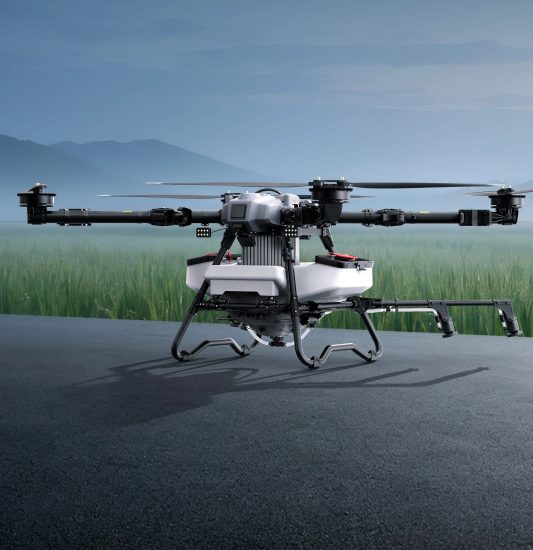


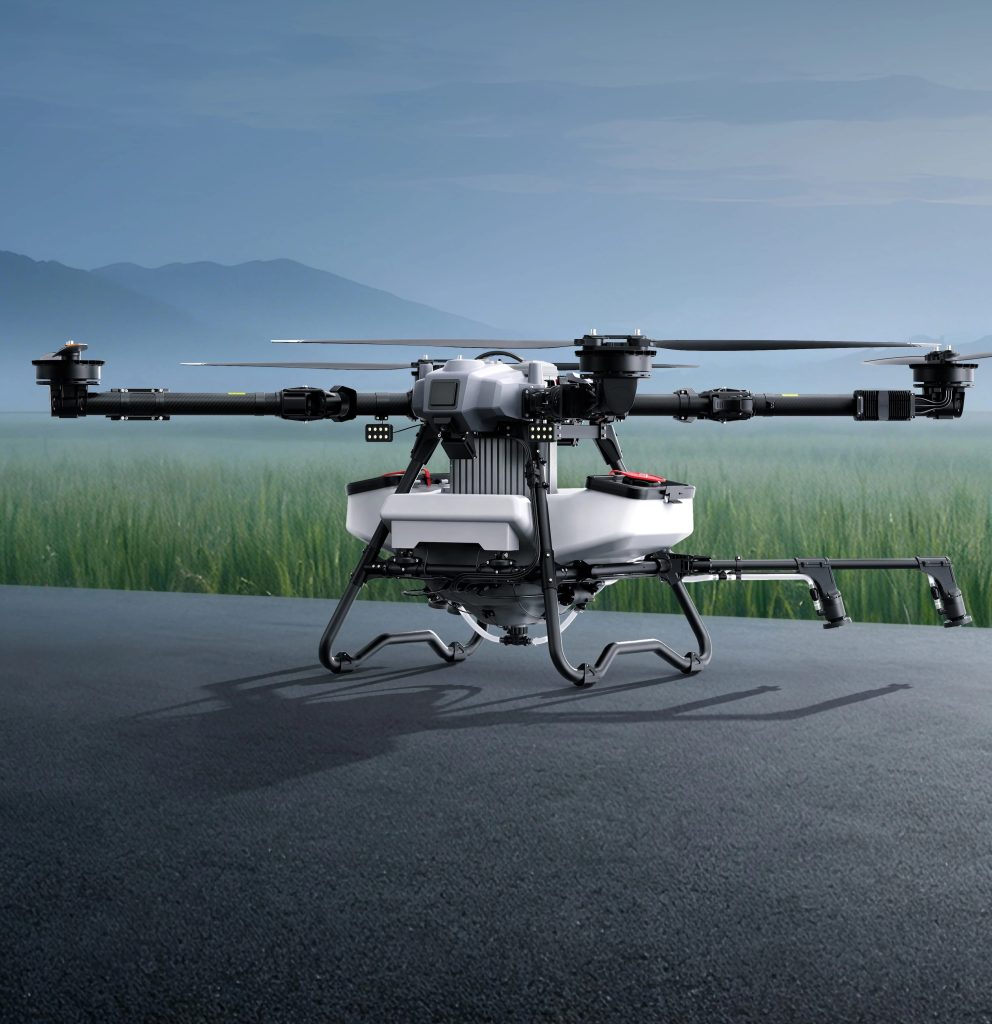
Agricultural spraying drones are becoming an important tool for modern crop management. Compared with traditional manual spraying and some ground-based equipment, drones can help farmers cover large areas efficiently, operate in difficult terrain, and reduce the amount of time workers spend directly handling agricultural chemicals.
For buyers looking for a reliable agricultural spraying drone manufacturer in China, the key questions are usually not simply how much does the drone cost? Buyers also need to evaluate spraying performance, flight stability, payload capacity, battery system, charging efficiency, spare parts availability, software functions, operator training, and after-sales support.
MSOEN focuses on agricultural spraying drone solutions for professional agricultural applications, distributors, agricultural service companies, and overseas buyers.
What Is an Agricultural Spraying Drone?
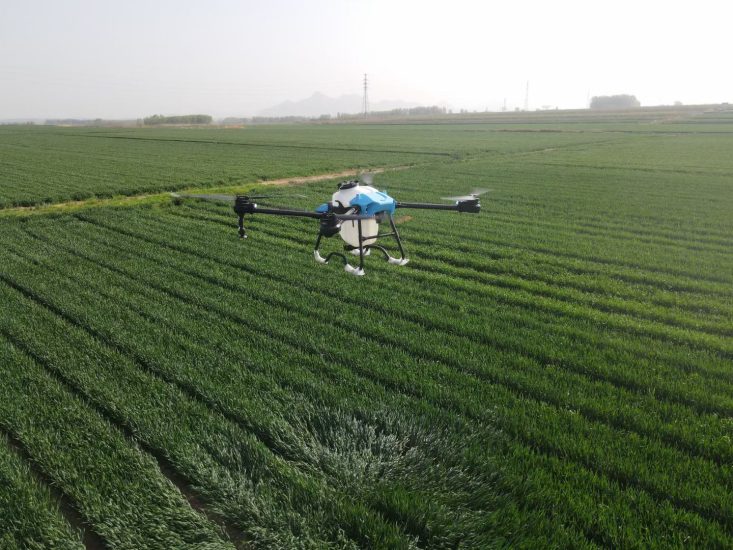
An agricultural spraying drone is an unmanned aerial vehicle designed to carry and distribute agricultural liquids over farmland.
A typical spraying drone consists of:
-
Flight control system
-
Navigation and positioning system
-
Spray tank
-
Spray pumps
-
Spray nozzles
-
Flow-control system
-
Motors and propellers
-
Intelligent batteries
-
Remote controller
-
Obstacle detection or terrain-following systems, depending on configuration
-
Agricultural spraying software
The drone flies according to the operator’s planned route while the spraying system delivers liquid through multiple nozzles.
This allows operators to manage spraying operations from a distance rather than walking through treated areas.
Why Choose a Professional Agricultural Spraying Drone Manufacturer?
A professional manufacturer should provide more than a finished aircraft.
The complete agricultural spraying system needs to work together. The flight platform, pump, battery, nozzle, software and control system all influence the final spraying result.
1. Stable Flight Performance
Agricultural spraying often takes place close to crops, trees and other obstacles.
A stable flight-control system helps the drone maintain its planned route and altitude. Consistent flight is particularly important when spraying narrow rows, orchards or fields with irregular boundaries.
MSOEN agricultural spraying drones are designed around the requirements of agricultural operations, with attention to flight stability and operational control.
2. Consistent Liquid Application
Spraying performance depends on more than tank capacity.
Important factors include:
-
Pump output
-
Nozzle design
-
Droplet characteristics
-
Flight speed
-
Flying height
-
Spray width
-
Liquid flow rate
-
Wind conditions
-
Crop characteristics
A professional spraying drone should allow operators to adjust appropriate parameters according to the specific agricultural application.
The goal is not simply to spray more liquid. The goal is to achieve a consistent and controllable application.
3. Efficient Field Coverage
For commercial agricultural operations, efficiency is critical.
The actual working efficiency depends on many factors, including:
-
Tank capacity
-
Battery capacity
-
Charging time
-
Flight speed
-
Spray width
-
Field shape
-
Refill time
-
Battery replacement process
-
Operator experience
-
Weather conditions
Therefore, buyers should avoid judging a drone only by its advertised theoretical area-per-hour figure.
Actual field productivity should be evaluated using realistic operating conditions.
MSOEN Agricultural Spraying Drone Solutions
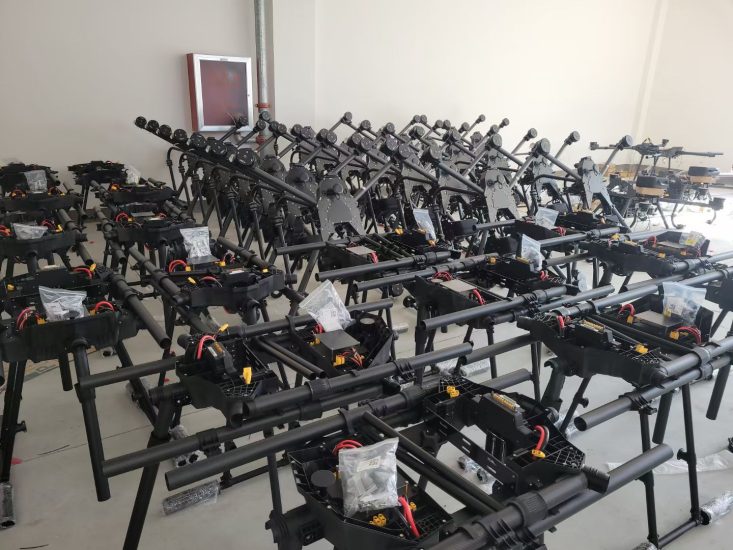
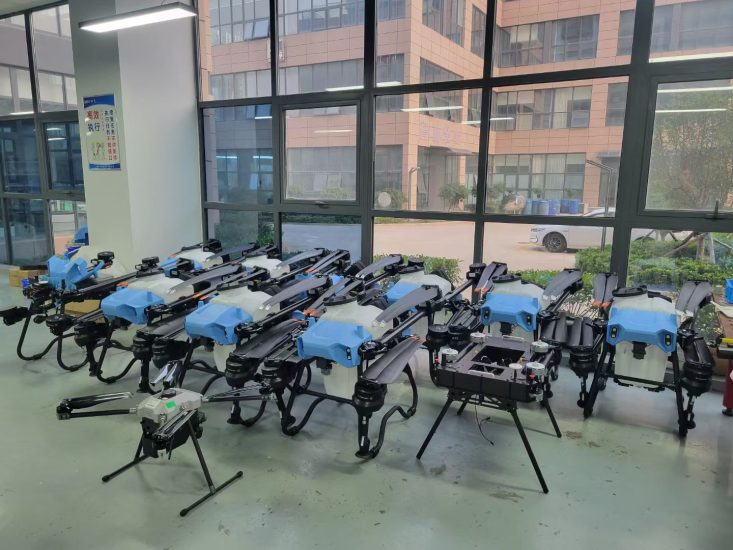
MSOEN develops agricultural spraying drone products for different agricultural applications.
The equipment can be used for applications such as:
-
Crop spraying
-
Orchard spraying
-
Pest and disease management
-
Fertilizer application
-
Liquid nutrient application
-
Large-area agricultural treatment
-
Agricultural service operations
Different crops require different spraying strategies. Open farmland, orchards and plantations may have significantly different operating requirements.
For this reason, selecting the appropriate drone configuration is more important than simply choosing the largest available model.
How Does an Agricultural Spraying Drone Work?
The basic operating process can be divided into several stages.
Step 1: Prepare the Agricultural Solution
The operator prepares the liquid according to the agricultural application requirements and applicable local regulations.
The liquid is then placed into the drone’s spraying tank.
Step 2: Plan the Flight Area
The operator defines the field boundary and determines the appropriate flight route.
Depending on the system configuration, route planning can help reduce unnecessary flying and improve operational consistency.
Step 3: Check the Equipment
Before takeoff, the operator should inspect:
-
Battery condition
-
Propellers
-
Motors
-
Spray tank
-
Pump
-
Nozzles
-
Pipes
-
Remote controller
-
Navigation system
-
Communication system
A pre-flight inspection is an important part of safe agricultural drone operation.
Step 4: Begin Spraying
After takeoff, the drone follows the planned route or is manually controlled by the operator.
The spraying system delivers liquid through the nozzles while the flight system maintains the desired flight path.
Step 5: Refill and Replace Batteries
Once the liquid tank or battery reaches the appropriate level, the drone returns for servicing.
Efficient refill and battery management can significantly influence overall field productivity.
Step 6: Clean and Maintain the Equipment
After spraying, the tank, pump, pipes and nozzles should be cleaned according to the manufacturer’s maintenance instructions.
Regular maintenance helps reduce blockage and prolong the service life of the spraying system.
Important Specifications Buyers Should Compare
When purchasing an agricultural spraying drone, buyers should look beyond the headline payload number.
Payload Capacity
Payload capacity determines how much liquid the drone can carry per flight.
However, a larger tank is not automatically better.
The appropriate capacity depends on:
-
Crop type
-
Field size
-
Terrain
-
Battery performance
-
Transport requirements
-
Refill infrastructure
Spray Width
Spray width directly affects field coverage.
A wider effective spray area can reduce the number of flight passes required, but the actual spray width depends on nozzle configuration, flight altitude, weather and liquid characteristics.
Flow Rate
Flow rate determines how quickly liquid is delivered through the spraying system.
An adjustable flow system gives operators greater flexibility when different application rates are required.
Battery System
Battery performance is one of the most important factors in agricultural drone operation.
Buyers should consider:
-
Battery capacity
-
Charging time
-
Battery cycle life
-
Battery weight
-
Charging system
-
Battery replacement process
-
Operating temperature
A reliable battery-management system is especially important for commercial operations.
Flight Time
Advertised flight time should be interpreted carefully.
Actual flight time can vary according to:
-
Payload
-
Wind
-
Flight speed
-
Battery condition
-
Temperature
-
Flight altitude
-
Operating mode
A professional buyer should request operating data under realistic payload conditions.
Agricultural Spraying Drone for Different Crops
One spraying drone can potentially support multiple agricultural applications, but operating parameters may need to be adjusted.
Rice and Field Crops
Large, relatively open fields are suitable for route-based drone spraying.
Operators can plan systematic flight paths to cover the field while minimizing unnecessary overlap.
Corn and Other Row Crops
Row crops require appropriate flight height and spraying parameters.
The operator should consider crop height, canopy density and field conditions.
Orchards
Orchard spraying presents different challenges because trees can be tall and densely arranged.
The appropriate drone configuration and flight strategy should account for:
-
Tree height
-
Row spacing
-
Canopy density
-
Terrain
-
Wind
-
Required penetration
Plantations
Plantations can cover large areas and may contain uneven terrain.
Agricultural drones can be useful where traditional ground equipment is difficult to operate.
Why Drone Payload Capacity Is Not the Only Important Factor
Some buyers focus heavily on tank capacity when comparing agricultural spraying drones.
For example, a drone with a larger tank may appear more productive. However, a heavier payload also affects energy consumption and flight performance.
The actual productivity of a spraying drone depends on the entire operating cycle:
Filling → Takeoff → Spraying → Landing → Battery replacement → Refilling → Takeoff
Therefore, buyers should evaluate the complete workflow rather than looking at tank capacity alone.
Safety Considerations
Agricultural spraying drones require trained operators and responsible operating procedures.
Operators should follow local aviation, agricultural and chemical-use regulations.
Important considerations include:
-
Keep a safe distance from people and animals
-
Avoid flying near restricted areas
-
Check weather conditions
-
Monitor wind speed and direction
-
Follow approved chemical handling procedures
-
Wear appropriate protective equipment
-
Keep the drone within permitted operating limits
-
Inspect the equipment before each operation
Agricultural chemicals should always be used according to their legal label requirements and local regulations.
The drone itself does not determine whether a particular chemical can legally be applied.
Maintenance Requirements
Regular maintenance is essential for commercial agricultural drones.
After Each Operation
Operators should inspect and clean:
-
Spray tank
-
Nozzles
-
Pumps
-
Pipes
-
Filters
-
Motors
-
Propellers
-
Aircraft body
Remaining agricultural chemicals should not be allowed to accumulate inside the spraying system.
Battery Maintenance
Batteries should be stored and charged according to the manufacturer’s instructions.
Operators should monitor battery condition and avoid using batteries that show abnormal swelling, damage or other safety issues.
Nozzle Maintenance
Blocked or damaged nozzles can create uneven spraying.
Regular inspection helps maintain consistent application performance.
What Should Overseas Buyers Ask a Chinese Manufacturer?
Before placing an order, international buyers should request detailed technical information.
Useful questions include:
-
What is the recommended payload?
-
What is the effective spray width?
-
What is the liquid flow range?
-
How many nozzles are included?
-
What battery system is used?
-
What is the typical charging time?
-
What spare parts are available?
-
What warranty terms are provided?
-
Is operator training available?
-
Can the manufacturer provide technical documentation?
-
Are OEM or customized configurations available?
-
What export packaging is used?
-
What certifications are available for the target market?
-
What are the recommended maintenance intervals?
These questions can help buyers compare manufacturers based on the complete product and service package rather than price alone.
OEM and ODM Agricultural Spraying Drone Solutions
Different distributors and agricultural companies may have different requirements.
Some buyers need a standard production model, while others may require:
-
Custom branding
-
Customized colors
-
Packaging
-
User manuals
-
Software configuration
-
Hardware modifications
-
Regional market adaptations
OEM and ODM cooperation should be evaluated according to technical feasibility, minimum order quantity, certification requirements and production lead time.
MSOEN can discuss suitable configurations according to the buyer’s intended application and target market.
How to Choose the Right MSOEN Spraying Drone
The correct model depends on the application.
Before choosing a configuration, buyers should provide information such as:
Crop: Rice, corn, fruit trees, vegetables, plantations, etc.
Farm size: Total hectares or acres.
Terrain: Flat farmland, hills, orchards or mixed terrain.
Application: Pesticide, fertilizer, liquid nutrients or other approved agricultural applications.
Target market: Country or region where the drone will operate.
Expected working capacity: Number of hectares that need to be treated per day.
With this information, the appropriate drone capacity and configuration can be evaluated more accurately.
What Makes a Reliable Chinese Agricultural Drone Manufacturer?
A reliable manufacturer should be evaluated through several dimensions:
Product Quality
The aircraft should have a practical design suitable for repeated agricultural operations.
Technical Capability
The manufacturer should understand the relationship between flight control, spraying systems, batteries and agricultural applications.
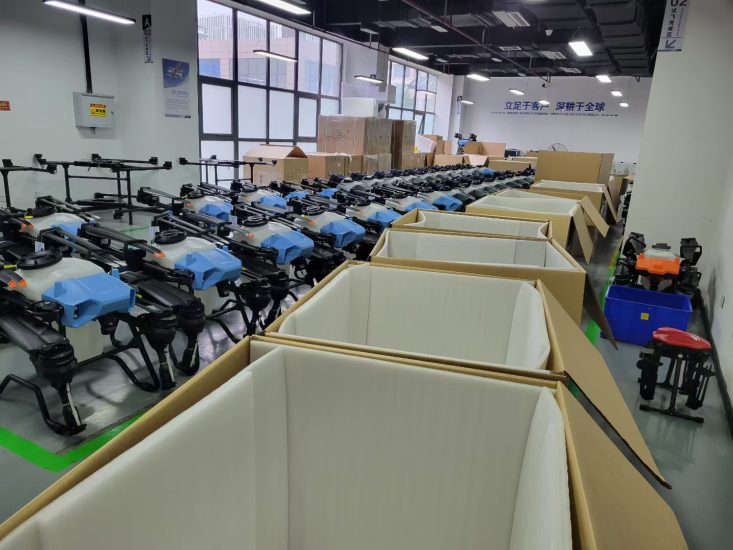
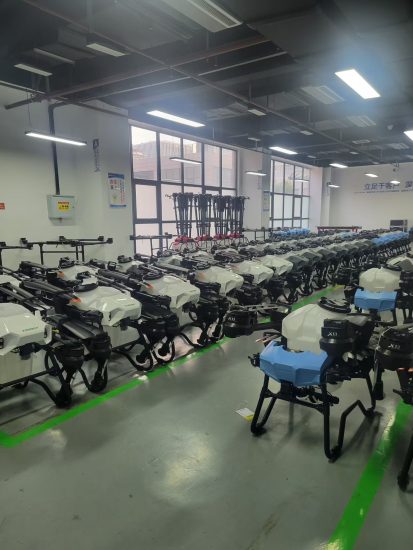
Production Capability
Consistent manufacturing is important when buyers require multiple units or regular shipments.
Documentation
Professional technical documentation makes installation, operation and maintenance easier for overseas customers.
Spare Parts
Long-term availability of critical components is important for commercial users.
After-Sales Support
Agricultural drone buyers may need technical assistance after delivery. Responsive support can reduce downtime and improve the long-term value of the equipment.
Frequently Asked Questions
What is an agricultural spraying drone?
An agricultural spraying drone is an unmanned aircraft equipped with a tank, pump and spray system for distributing approved agricultural liquids over crops.
Why use a spraying drone instead of manual spraying?
A drone can reduce the amount of manual walking and physical exposure involved in certain spraying operations and can cover agricultural areas efficiently when properly operated.
Can MSOEN agricultural drones be used in orchards?
Yes, agricultural spraying drones can be configured and operated for orchard applications. The appropriate model and flight strategy depend on tree height, canopy density, row spacing and terrain.
How much area can an agricultural spraying drone cover per day?
There is no single universal figure. Productivity depends on payload, spray width, flight speed, battery replacement, refill time, field conditions, weather and operator experience.
How long does an agricultural drone battery last?
Actual battery duration depends on payload, operating conditions, temperature, wind and battery condition. Buyers should request performance data under the expected working load.
Can I buy agricultural spraying drones from China for overseas use?
Yes, but import requirements vary by country. Buyers should check local aviation regulations, radio requirements, agricultural chemical regulations and product certification requirements before importing.
Does MSOEN provide spare parts?
Spare parts availability should be confirmed according to the specific drone model and configuration. Buyers operating commercially should consider purchasing commonly required spare parts together with the initial order.
Can MSOEN provide OEM services?
OEM possibilities depend on the requested customization, order quantity, target market and technical requirements. Buyers should provide detailed requirements for evaluation.
How do I get a quotation for an MSOEN agricultural spraying drone?
Provide the intended application, target country, required drone quantity, crop type and preferred specifications. Based on this information, the appropriate configuration and quotation can be evaluated.
Conclusion
Choosing a professional agricultural spraying drone manufacturer requires more than comparing prices and tank capacities.
A reliable solution should combine stable flight performance, effective spraying technology, battery management, practical field productivity, durable components, spare parts support and professional technical service.
For overseas agricultural companies, distributors and professional operators, MSOEN provides agricultural spraying drone solutions designed around real-world agricultural applications.
If you are sourcing agricultural spraying drones from China, evaluate the complete operating system rather than focusing on one specification. The right combination of drone capacity, spraying system, battery configuration and operational support can make a significant difference to long-term agricultural productivity.
THE END


No comments yet