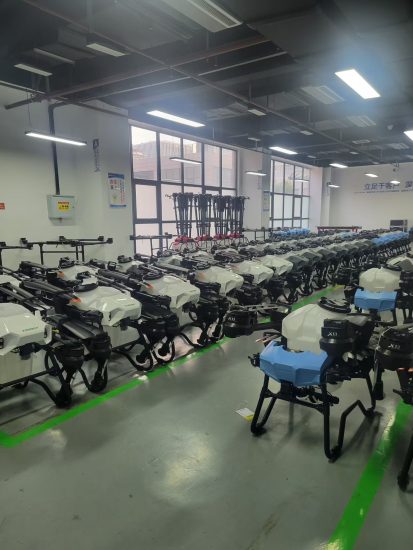


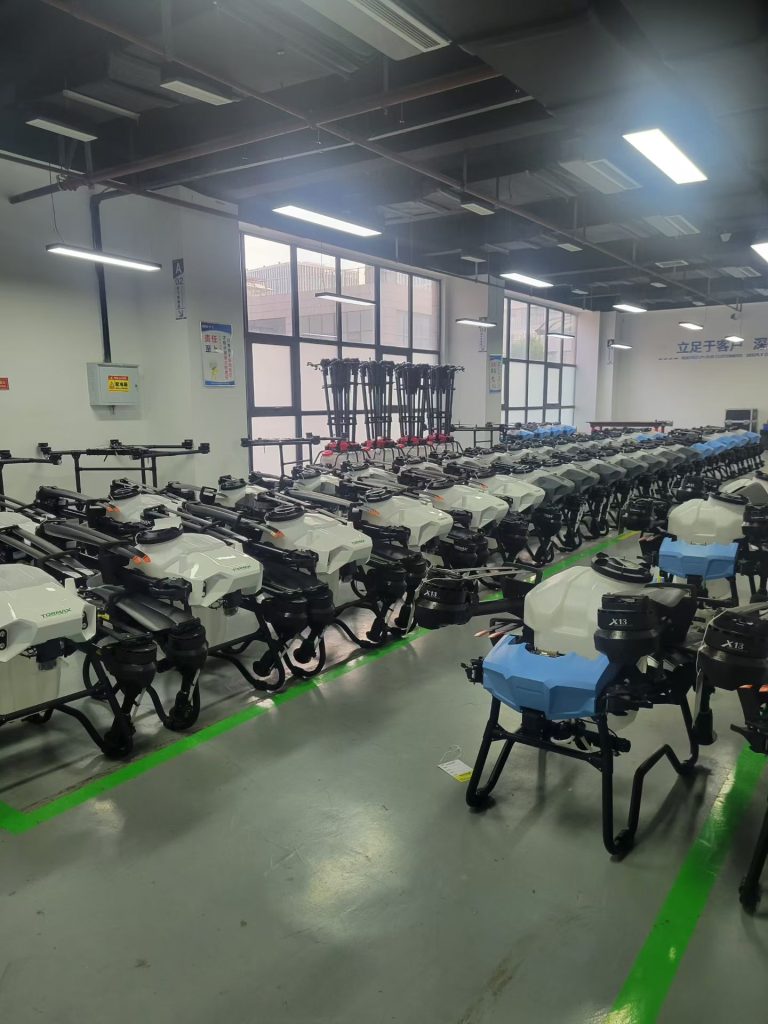
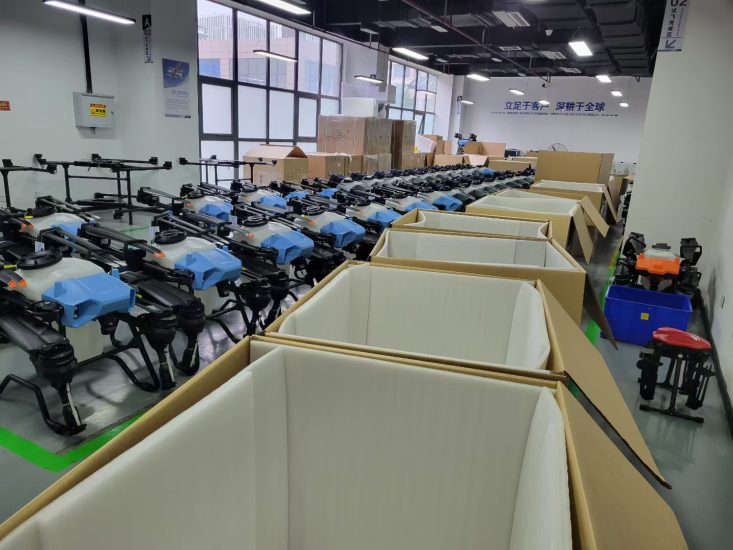
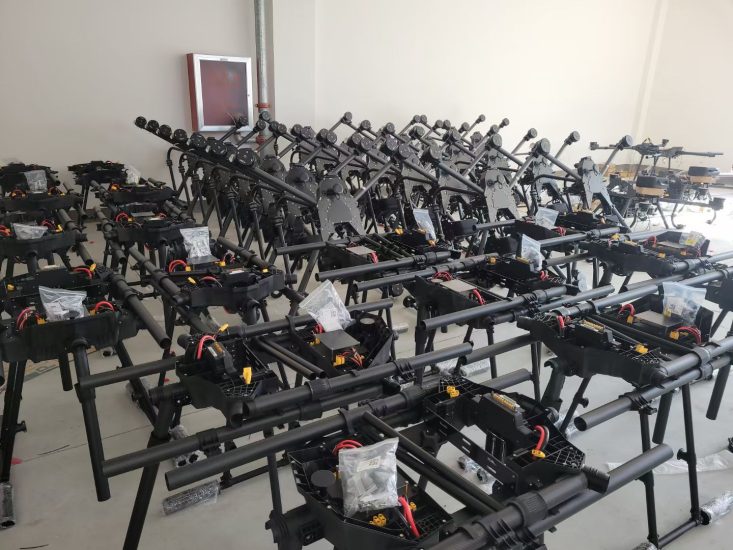
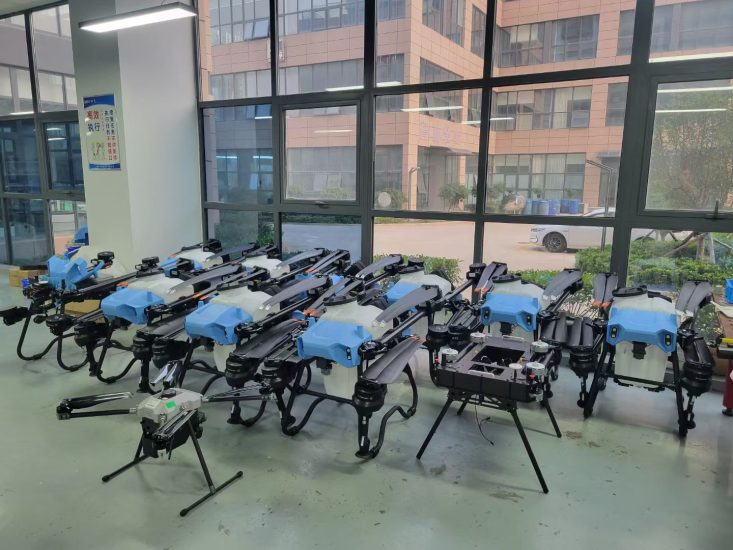
When international buyers evaluate a drone manufacturer, a product catalog alone is rarely enough. Specifications can explain what a drone is designed to do, but they do not fully answer a more important question: how is the drone actually manufactured, assembled, tested, and prepared for delivery?
A factory tour provides a different level of information.
For distributors, agricultural service companies, engineering contractors, project buyers, and OEM customers, seeing the manufacturing process helps evaluate production capability, quality-control procedures, engineering resources, assembly consistency, and the manufacturer’s ability to handle customized requirements.
MSOEN operates as a professional agricultural and industrial UAV manufacturer, supporting agricultural spraying drones, mapping drones, aerial photography drones, industrial UAVs, heavy-lift platforms, and customized OEM and ODM projects. The company’s current product portfolio includes multiple UAV configurations designed for different applications and operating environments.
This factory tour explains the main stages buyers should look at when evaluating a professional drone manufacturing facility.
What Should You See During a Drone Factory Tour?
A meaningful drone factory tour should go beyond showing finished drones on shelves.
International buyers should be able to understand how the manufacturer handles:
- Product engineering
- Component inspection
- Frame assembly
- Electronic installation
- Flight-control integration
- Power-system installation
- Payload-system assembly
- Software and configuration
- Functional testing
- Flight testing
- Final quality inspection
- Packaging and shipment preparation
- OEM and ODM customization
The purpose is not simply to prove that a company has a factory.
The purpose is to understand whether the factory has a repeatable manufacturing process capable of producing reliable UAVs for commercial use.
1. Engineering and Product Development
A professional UAV factory normally begins with engineering rather than assembly.
Before a drone enters production, engineers need to determine the requirements of the aircraft.
Depending on the project, these requirements may include:
- Payload capacity
- Flight endurance
- Frame dimensions
- Motor configuration
- Propeller size
- Battery voltage
- Communication range
- Flight-control architecture
- Navigation requirements
- Camera or sensor configuration
- Spraying capacity
- Fertilizer spreading capacity
- Mapping requirements
- Environmental operating conditions
This is particularly important for OEM and ODM projects.
A buyer may not simply want an existing drone. They may require a different payload, branding configuration, battery system, camera, spraying system, frame structure, or flight-control configuration.
A manufacturing facility therefore needs engineering capabilities in addition to assembly workers.
For buyers interested in customized production, MSOEN also provides [OEM and ODM drone manufacturing solutions].
2. Incoming Component Inspection
Before components enter the production line, they should be checked.
A UAV contains many components that directly affect flight performance.
Typical inspection areas include:
- Motors
- ESCs
- Flight controllers
- GPS modules
- Communication systems
- Batteries
- Chargers
- Carbon-fiber structures
- Propellers
- Connectors
- Wiring
- Pumps
- Spray nozzles
- Sensors
- Cameras
- Landing gear
- Fasteners
For agricultural drones, component inspection becomes even more important because the aircraft may operate with liquid chemicals, fertilizers, dust, vibration, moisture, and repeated takeoff and landing cycles.
A small electrical or mechanical problem can become a much larger problem once the drone is operating in the field.
3. Drone Frame Assembly
The frame is one of the structural foundations of a UAV.
During assembly, technicians need to pay attention to:
- Frame alignment
- Fastener installation
- Arm positioning
- Motor mounting
- Landing gear installation
- Structural connections
- Wiring routes
- Vibration-sensitive components
For larger agricultural UAVs, structural strength becomes increasingly important because the aircraft needs to carry batteries, liquid tanks, spraying systems, pumps, electronics, and other equipment.
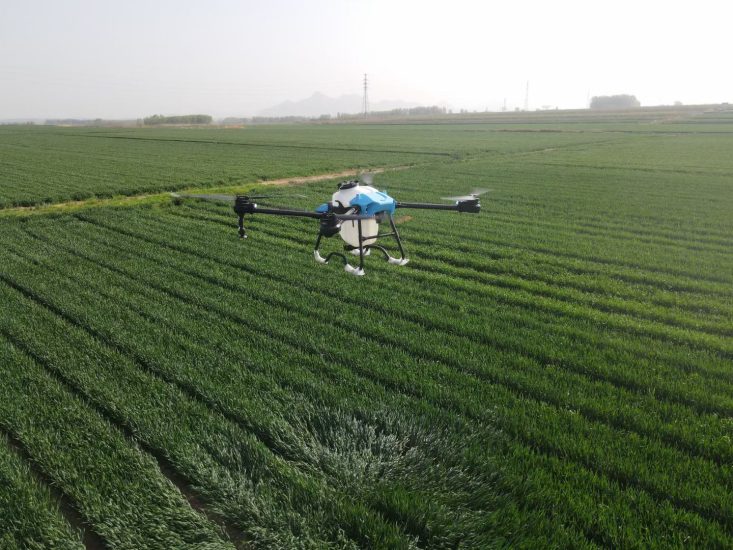
For example, the MSOEN M50 is designed around a carbon-fiber structure and a 50-liter tank, with a spraying width of 6–10 meters and a listed flight time of 10–20 minutes.
Buyers evaluating an agricultural drone factory should therefore look beyond tank capacity and ask how the complete aircraft is assembled and tested.
You can view the [MSOEN M50 Agricultural Drone] as an example of a production UAV designed for large-scale agricultural applications.
4. Motor and Power-System Installation
The propulsion system is another critical manufacturing stage.
Technicians need to install and inspect:
- Motors
- ESCs
- Power distribution
- Battery connectors
- Wiring harnesses
- Power cables
- Cooling arrangements
- Motor mounting points
The propulsion system must work as an integrated system rather than as a collection of individual components.
A UAV carrying a large payload places substantially greater demands on its propulsion and power systems than a small camera drone.
This is one reason why manufacturing quality cannot be judged simply by looking at the aircraft’s external appearance.
5. Flight Controller and Electronics Integration
The flight controller is effectively one of the central electronic systems of a UAV.
During production, manufacturers need to correctly integrate:
- Flight controller
- GPS
- Communication modules
- ESCs
- Sensors
- Remote-control systems
- Power systems
- Navigation equipment
- Payload-control interfaces
For smaller and FPV platforms, the flight-control system can also be highly integrated.
MSOEN’s product portfolio currently includes the [F722V3 + 80A/100A 4-in-1 ESC Stack], which combines a flight controller with a 4-in-1 ESC configuration for FPV applications.
The product page identifies STM32F722-based flight-control hardware, multiple UART interfaces, current sensing, and support for 3–8S LiPo configurations. This illustrates why electronic integration and configuration are important parts of UAV manufacturing.
6. Agricultural Spraying System Assembly
Agricultural drones require another layer of manufacturing beyond the basic flight platform.
The spraying system can include:
- Liquid tank
- Pump
- Pipes
- Filters
- Flow-control components
- Spray nozzles
- Distribution system
- Control electronics
- Mounting structure
The system needs to be assembled so that the liquid delivery system works consistently while the aircraft is flying.
MSOEN’s M50, for example, is designed for pesticide, fertilizer, and seeding applications and includes a spraying system intended to provide stable flow and uniform droplet distribution.
This is why a factory tour for agricultural drone buyers should include the spraying-system assembly area rather than focusing only on the aircraft frame.
7. Battery and Charging System Inspection
Battery systems deserve special attention during UAV manufacturing.
A professional production process should verify:
- Battery compatibility
- Connector condition
- Voltage
- Charging system
- Physical condition
- Communication between battery and aircraft
- Installation security
- Charging procedure
For agricultural UAVs, battery management becomes particularly important because commercial operators may need multiple batteries to maintain continuous field operations.
The M50 product specifications list 14S/18S smart battery configurations and optional multiple battery kits.
For buyers purchasing complete systems, it is therefore useful to evaluate not only the drone but also the manufacturer’s battery, charger, spare-parts, and support arrangements.
8. Software and Flight-Control Configuration
Hardware assembly is only part of UAV manufacturing.
Before delivery, the aircraft may need configuration and calibration of:
- Flight controller parameters
- GPS
- Compass
- Motor direction
- ESC settings
- Remote controller
- Navigation functions
- Safety parameters
- Payload controls
- Spraying parameters
- Return-to-home functions
Configuration should correspond to the actual aircraft rather than relying on a generic setup.
This becomes even more important for OEM and ODM customers because customized hardware may require different software parameters and testing procedures.
9. Static Functional Testing
Before a drone is sent for flight testing, manufacturers can perform static checks.
These may include:
- Motor operation
- Propeller rotation direction
- ESC response
- Flight-controller communication
- GPS signal
- Remote-control communication
- Battery voltage
- Sensor operation
- Pump operation
- Spray-system operation
- Camera operation
- Safety functions
Static testing helps identify problems before the aircraft leaves the assembly area.
For a factory, this can reduce unnecessary flight-test failures and improve production consistency.
10. Flight Testing
Flight testing is one of the most important stages of UAV manufacturing.
A completed drone should not simply be packaged immediately after assembly.
Depending on the aircraft type, flight testing may evaluate:
- Takeoff stability
- Hover stability
- Motor response
- Flight-control response
- GPS positioning
- Navigation
- Landing behavior
- Battery performance
- Payload behavior
- Communication
- Safety functions
- Return-to-home performance
For agricultural drones, testing can additionally examine spraying-system performance and aircraft stability under operational load.
For example, the M50 is designed for agricultural applications including rice, wheat, corn, orchards, and sugarcane, so its manufacturing evaluation needs to consider more than basic empty-aircraft flight performance.
11. Testing Different Types of UAVs
A major advantage of a diversified UAV manufacturer is the ability to work with different aircraft architectures.
MSOEN’s current product portfolio includes agricultural, photography, underwater, FPV, and fixed-wing UAV products.
That means factory inspection should not focus exclusively on one agricultural spraying platform.
Different UAV categories require different manufacturing considerations.
Aerial Photography Drones
Photography drones require attention to:
- Camera integration
- Gimbal or stabilization
- Flight stability
- Image transmission
- Battery endurance
- Positioning
- Intelligent flight functions
The [MSOEN M1 Photography Drone] is one example in the current product portfolio.
Its product information lists a 4K camera, GPS positioning, obstacle avoidance, intelligent flight modes, and a stated flight time of up to 35 minutes.
Underwater UAVs
Underwater drones introduce completely different engineering considerations.
They require attention to:
- Waterproofing
- Sealing
- Pressure resistance
- Underwater communication
- Camera protection
- Propulsion
- Buoyancy
- Structural integrity
MSOEN also lists the [M5 Underwater Drone] in its current product portfolio.
FPV UAVs
FPV drones emphasize:
- Flight controller
- ESC
- Motor response
- Video transmission
- Frame structure
- Low-latency control
- Propulsion efficiency
The [MSOEN FPV Drone] is another example of a different UAV architecture within the product portfolio.
Fixed-Wing UAVs
Fixed-wing platforms require a different manufacturing and testing approach from multirotor aircraft.
Important areas include:
- Wing assembly
- Fuselage alignment
- Propulsion
- Center of gravity
- Control surfaces
- Flight-control configuration
- Takeoff and landing characteristics
MSOEN also lists a [Fixed-Wing UAV] among its products.
12. Final Quality Inspection
After production and testing, the aircraft should undergo a final inspection before shipment.
A practical final inspection can cover:
Mechanical Inspection
- Frame
- Arms
- Motors
- Propellers
- Landing gear
- Fasteners
Electrical Inspection
- Wiring
- Connectors
- Battery
- ESC
- Flight controller
- Communication system
Functional Inspection
- Takeoff
- Flight control
- GPS
- Navigation
- Payload
- Camera
- Spraying system
Appearance Inspection
- Surface condition
- Labels
- Branding
- Product identification
- Packaging
For OEM customers, branding and labeling should also be checked before final shipment.
13. Packaging and Pre-Shipment Preparation
A drone can pass every technical test and still suffer damage during transportation if packaging is inadequate.
Pre-shipment preparation should therefore consider:
- Aircraft protection
- Propeller protection
- Battery packaging
- Controller protection
- Spare parts
- Chargers
- Accessories
- Manuals
- Labels
- Export packaging
International buyers should also clarify whether the supplier provides a complete package or whether some components need to be purchased separately.
For the M50, the listed package can include the aircraft, remote controller, optional smart batteries, charger/generator, spare parts, user manual, and training support.
14. What OEM Buyers Should Check During a Factory Visit
OEM customers should inspect more than standard production.
Ask the manufacturer whether it can handle:
- Custom colors
- Logo application
- Packaging customization
- Product labels
- Customized batteries
- Different payload systems
- Different cameras
- Flight-control changes
- Frame modifications
- Software configuration
- Accessories
- Spare-parts packages
- Private-label documentation
The key question is not simply:
“Can you put my logo on the drone?”
The better question is:
“Which parts of the product can you actually customize, and how is the customized configuration tested before mass production?”
This distinction separates simple private labeling from genuine OEM/ODM manufacturing.
15. Production Capacity Matters More Than Factory Size
A large-looking factory does not automatically mean better manufacturing.
For international buyers, production capability should be evaluated through practical evidence:
- Engineering team
- Production process
- Component management
- Assembly procedures
- Testing procedures
- Quality-control records
- Production consistency
- Spare-parts availability
- Customization capability
- Delivery management
A smaller but organized manufacturing operation can sometimes provide better communication and customization than a larger facility with inflexible production procedures.
The objective of a factory audit should therefore be to understand the entire manufacturing system.
16. Questions to Ask During a Drone Factory Tour
Before placing a bulk order, buyers should ask:
-
Where are the drones assembled?
-
Which components are inspected before assembly?
-
What tests are performed before flight testing?
-
Does every finished aircraft undergo flight testing?
-
How are defective components handled?
-
Can the manufacturer provide production photos and videos?
-
Can the manufacturer support OEM and ODM projects?
-
Can the factory customize the frame or payload system?
-
What spare parts are available?
-
How are batteries tested?
-
What documentation is provided with the aircraft?
-
What after-sales technical support is available?
-
Can the manufacturer support different target markets?
-
Can the manufacturer provide certification documentation applicable to the buyer’s market?
These questions can reveal considerably more about manufacturing capability than a simple product catalog.
17. Why Factory Inspection Matters for International Buyers
Buying drones internationally involves more risk than purchasing ordinary consumer products.
A buyer may be purchasing:
- Multiple aircraft
- Batteries
- Controllers
- Chargers
- Spare parts
- Software
- Accessories
- Customized components
The total investment can therefore become substantial.
A factory inspection helps buyers understand whether the supplier has the manufacturing and quality-control capabilities required for long-term cooperation.
For distributors, this can reduce the risk of inconsistent products.
For agricultural service companies, it can help confirm that the aircraft is suitable for repeated field operations.
For OEM customers, it provides insight into whether the manufacturer can actually deliver customized products at scale.
18. MSOEN Manufacturing Approach
MSOEN’s current positioning covers agricultural and industrial UAV manufacturing, OEM/ODM development, customization, quality control, and global supply. Its author page also organizes the business around products, agricultural solutions, OEM/ODM, manufacturing, resources, and company information.
The product portfolio demonstrates that the manufacturing scope is not limited to one aircraft configuration. It includes agricultural spraying platforms, aerial photography drones, underwater drones, FPV platforms, fixed-wing UAVs, and electronic flight-control products.
For buyers, this broader product structure is useful when evaluating a manufacturer for projects that may require different UAV platforms rather than a single standard model.
19. A Factory Tour Should Lead to a Technical Discussion
The best factory visit does not end with photographs.
It should lead to a technical discussion about the buyer’s actual requirements.
For example, an agricultural distributor may need:
- 30L spraying drones
- 50L spraying drones
- Multiple battery sets
- Spare motors
- Spare pumps
- Customized branding
- Local-language manuals
- Distributor packaging
An industrial customer may instead require:
- Mapping payloads
- Inspection cameras
- Long endurance
- Fixed-wing platforms
- Custom communication systems
- Specialized sensors
The manufacturing process should therefore be evaluated according to the final application.
FAQ
Is a factory tour important when buying drones from China?
Yes. A factory tour can help buyers evaluate manufacturing processes, component inspection, assembly, testing, quality control, customization capability, and production organization before placing a large order.
What should I inspect during a drone factory visit?
Focus on engineering, component inspection, assembly, electronics integration, battery systems, software configuration, flight testing, final inspection, packaging, and OEM/ODM capabilities.
Does every drone need flight testing?
For commercial UAV production, flight testing is an important part of quality verification. The exact testing procedure depends on the drone type and intended application.
Can MSOEN manufacture customized drones?
MSOEN provides OEM and ODM drone manufacturing and customization services for international buyers, including private-label and customized UAV projects.
Does MSOEN manufacture agricultural spraying drones?
Yes. The current product portfolio includes the M50 agricultural drone, which has a 50-liter tank and is designed for pesticide, fertilizer, and seeding applications.
Does MSOEN manufacture photography drones?
Yes. The MSOEN M1 is listed as an aerial photography drone and its product information includes a 4K camera and intelligent flight functions.
Does MSOEN offer other types of UAVs?
Yes. The current product section also includes underwater, FPV, and fixed-wing UAV products.
What information should I provide when requesting a drone quotation?
A serious quotation request should include:
- Drone application
- Required payload
- Flight endurance
- Target country
- Quantity
- Required accessories
- OEM/ODM requirements
- Branding requirements
- Certification requirements
- Delivery destination
The more specific the requirements, the more accurately a manufacturer can recommend a configuration.
Conclusion
A professional drone factory is more than a building where drones are assembled.
For international buyers, the real value of a factory tour is understanding the complete manufacturing chain—from engineering and component inspection to assembly, electronics integration, software configuration, flight testing, final quality inspection, and shipment preparation.
Different UAV platforms also require different manufacturing expertise. Agricultural spraying drones require reliable payload and liquid-delivery systems, photography drones require stable imaging integration, FPV drones require responsive flight-control systems, underwater drones require protection against water and pressure, while fixed-wing UAVs require different structural and aerodynamic considerations.
MSOEN’s current product portfolio covers these different UAV categories while also supporting agricultural and industrial applications and OEM/ODM manufacturing.
If you are evaluating a drone manufacturer for distribution, agriculture, industrial applications, government projects, or a private-label business, do not evaluate the supplier only by product price.
Evaluate the factory.
Evaluate the manufacturing process.
Evaluate the testing.
Evaluate the quality control.
And most importantly, evaluate whether the manufacturer can consistently produce the UAV configuration your business actually needs.
For a customized drone project, provide your application, payload requirement, target market, expected quantity, preferred UAV type, and OEM/ODM requirements. MSOEN can then evaluate the appropriate manufacturing configuration and project requirements.


No comments yet