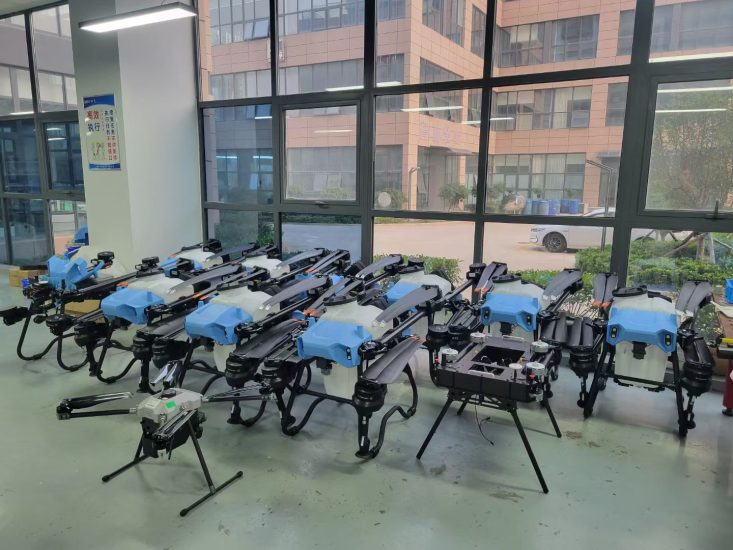


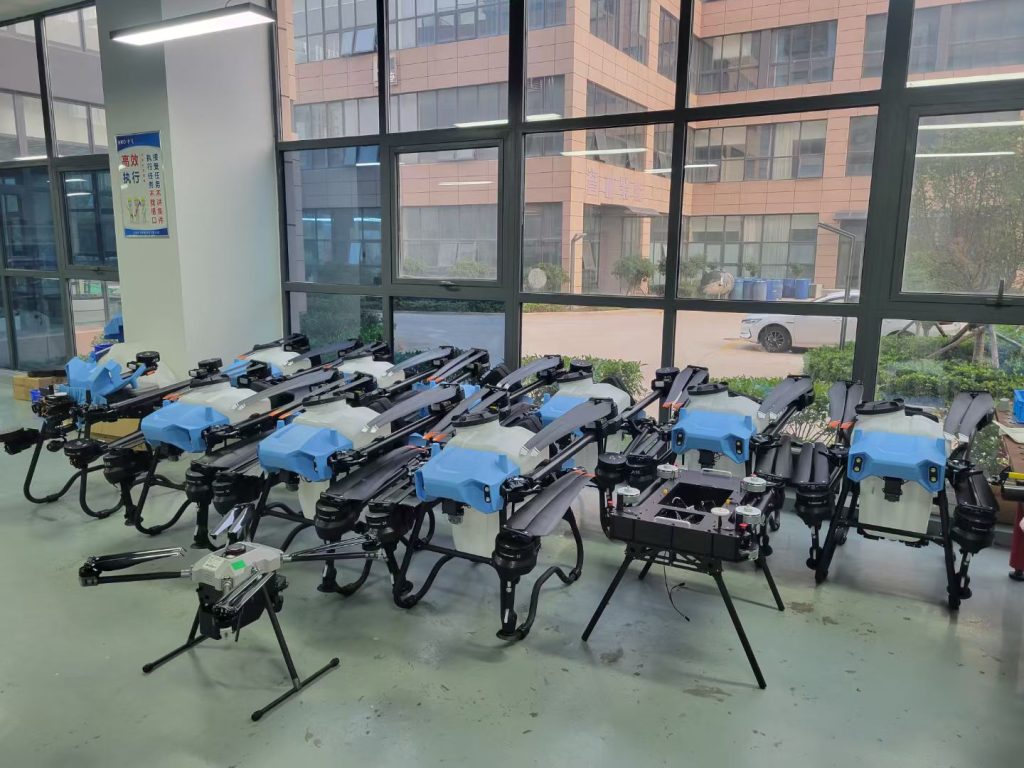
A professional UAV is not created by simply assembling a frame, motors, batteries, and a flight controller.
For an agricultural or industrial drone to operate reliably, its mechanical structure, propulsion system, electronics, flight-control system, navigation equipment, payload system, software, and safety functions must work together as one complete aircraft.
That is why the manufacturing process is an important part of evaluating a drone supplier.
MSOEN focuses on agricultural and industrial UAV manufacturing, including agricultural spraying drones, fertilizer spreading drones, mapping UAVs, aerial photography drones, industrial inspection drones, heavy-lift platforms, and customized OEM/ODM drone solutions.
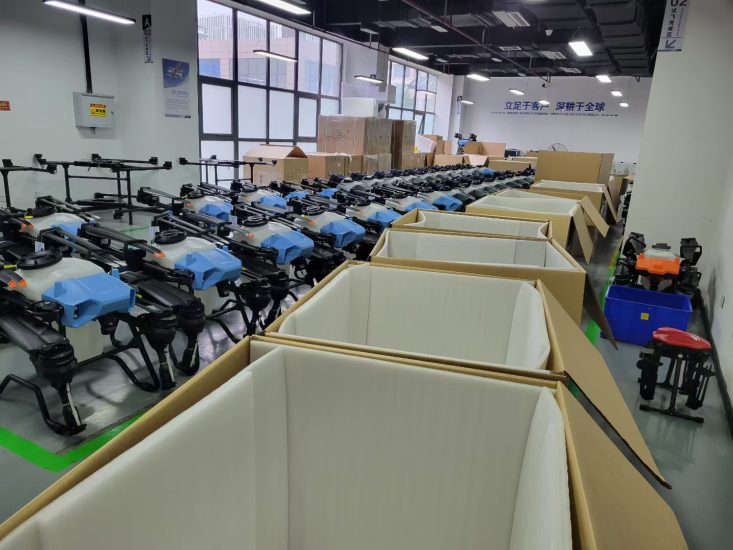
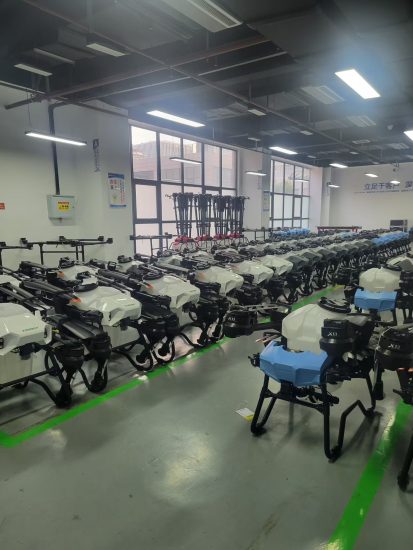
The manufacturing process can vary according to the aircraft model and application, but a professional UAV production workflow generally covers engineering evaluation, component preparation, assembly, system integration, configuration, functional inspection, flight testing, final quality control, and packaging.
What Is the UAV Manufacturing Process?
The UAV manufacturing process is the sequence of engineering, assembly, integration, inspection, and testing steps used to turn individual components into a complete operational aircraft.
A typical process may include:
- Product requirement analysis
- Engineering and configuration review
- Component preparation
- Airframe assembly
- Propulsion system installation
- Electronic system integration
- Flight-control configuration
- Payload-system installation
- Software and parameter configuration
- Functional inspection
- Ground testing
- Flight testing
- Final quality inspection
- Packaging and shipment preparation
Not every drone requires exactly the same process.
An agricultural spraying UAV, for example, has different requirements from a mapping drone or industrial inspection platform.
Step 1: Understanding the Drone Application
Manufacturing begins with understanding what the UAV needs to do.
For an agricultural drone, important requirements may include:
- Spraying
- Fertilizer spreading
- Seeding
- Crop monitoring
- Field surveying
- Orchard operations
- Precision agriculture
For industrial UAVs, requirements may involve:
- Inspection
- Mapping
- Surveying
- Photography
- Monitoring
- Specialized payload operations
The application determines the aircraft configuration.
A drone designed to carry a heavy payload cannot simply use the same configuration as a lightweight photography UAV.
Payload, endurance, battery capacity, propulsion, frame strength, and flight-control requirements need to be considered together.
Step 2: Engineering and Configuration
After the application is defined, the required aircraft configuration can be evaluated.
Key engineering considerations may include:
- Maximum payload
- Takeoff weight
- Frame structure
- Motor configuration
- Propeller size
- Battery capacity
- Flight controller
- Navigation system
- Communication system
- Payload system
- Landing system
- Safety functions
This stage is particularly important for customized UAV projects.
For example, a customer requesting a larger agricultural spraying system may also need a different propulsion configuration and battery system.
The aircraft should therefore be evaluated as a complete system rather than modifying only one component.
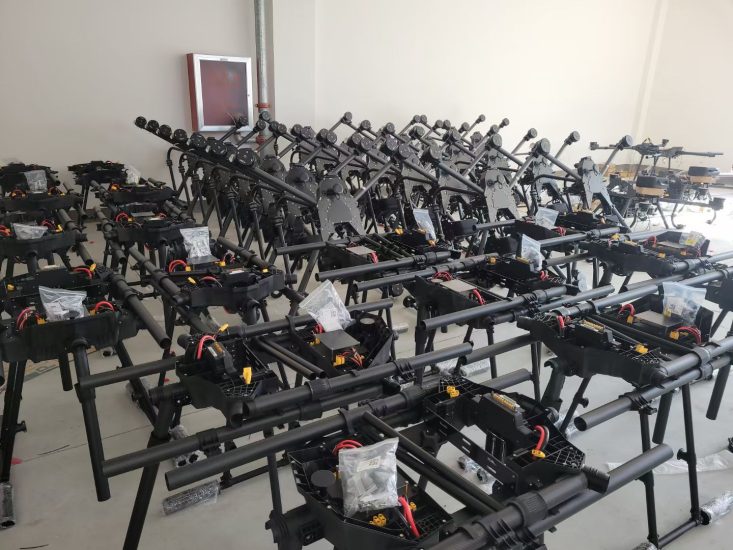
Step 3: Component Preparation
Once the configuration has been determined, the required components can be prepared.
Depending on the UAV model, components may include:
- Carbon-fiber or composite frame components
- Motors
- Propellers
- Electronic speed controllers
- Flight controller
- GPS or navigation equipment
- Communication equipment
- Batteries
- Chargers
- Remote controller
- Sensors
- Pumps
- Spray nozzles
- Liquid tanks
- Fertilizer hoppers
- Landing gear
- Wiring and power components
Component compatibility is important because UAV systems are highly interconnected.
An incorrect motor, propeller, battery, or controller combination can affect flight performance and system reliability.
Step 4: Airframe Assembly
The airframe provides the physical structure of the UAV.
Depending on the design, assembly may include:
- Center frame installation
- Arm installation
- Motor mounts
- Landing gear
- Battery mounting system
- Payload mounting points
- Protective components
The structure needs to support the aircraft’s operating configuration.
For agricultural drones, the frame may need to carry additional weight from tanks, pumps, hoses, spreading systems, and batteries.
For heavy-lift UAVs, structural strength becomes even more important.
Step 5: Propulsion System Installation
The propulsion system is one of the most important parts of a UAV.
It normally includes:
- Motors
- Propellers
- Electronic speed controllers
- Power distribution
- Batteries
- Related wiring
The propulsion system must provide sufficient thrust for the aircraft’s total operating weight.
This includes not only the drone itself but also its payload.
For agricultural spraying drones, the payload changes during operation as liquid is consumed. The aircraft therefore needs stable flight performance across different load conditions.
Buyers evaluating agricultural UAVs should look beyond the maximum payload number and consider the complete propulsion and battery configuration.
A useful related resource is:
What Is the Heaviest Load an Agricultural Drone Can Lift?
Step 6: Electrical and Electronic Integration
Modern UAVs contain multiple electronic systems that must communicate correctly.
These can include:
- Flight controller
- GPS
- Compass
- Sensors
- Electronic speed controllers
- Communication modules
- Remote controller
- Power-management components
- Payload-control systems
Electrical connections need to be properly installed and checked.
The goal is to ensure that the aircraft can receive commands, process flight information, control the propulsion system, and operate the intended payload.
Step 7: Flight-Control Configuration
After the main electronic systems are installed, the aircraft can be configured.
Depending on the UAV, configuration may include:
- Flight parameters
- Motor settings
- Navigation parameters
- Controller settings
- Safety limits
- Return-to-home functions
- Payload controls
- Communication settings
The correct configuration depends on the specific aircraft.
A heavy-lift UAV may require different parameters from a lightweight mapping drone.
Similarly, an agricultural spraying drone requires configuration related to its spraying system.
Step 8: Payload System Integration
For agricultural UAVs, the payload system is an important part of manufacturing.
A spraying configuration may contain:
- Tank
- Pump
- Hoses
- Filters
- Nozzles
- Flow-control system
- Spray-control electronics
A spreading configuration may contain:
- Hopper
- Spreading mechanism
- Motor
- Control system
- Discharge components
The payload system should be integrated with the aircraft rather than treated as a completely separate device.
The aircraft needs to maintain stable flight while carrying and operating the payload.
Step 9: Software and System Configuration
Hardware alone does not make a commercial UAV ready for operation.
The aircraft also requires appropriate software and system parameters.
Depending on the model, this can include:
- Flight-control parameters
- Navigation configuration
- Remote-controller settings
- Payload-control settings
- Safety functions
- Battery monitoring
- Operational limits
The configuration should correspond to the intended aircraft and operating environment.
Step 10: Ground Testing
Before the UAV performs a flight test, ground testing can help identify problems without putting the complete aircraft into flight.
Ground checks may include:
- Power-up testing
- Motor operation
- Controller communication
- Navigation-system operation
- Sensor checks
- Battery checks
- Pump operation
- Spray-system operation
- Spreading-system operation
- Remote-control response
Ground testing provides an additional opportunity to identify installation or configuration problems.
Step 11: Flight Testing
Flight testing is one of the most important stages of UAV manufacturing.
A drone may pass individual component tests and still require complete aircraft testing after integration.
A flight test can evaluate:
- Takeoff
- Hover
- Forward flight
- Turning
- Climbing
- Descending
- Landing
- Controller response
- Navigation
- Flight stability
- Payload operation
The exact test procedure depends on the aircraft model.
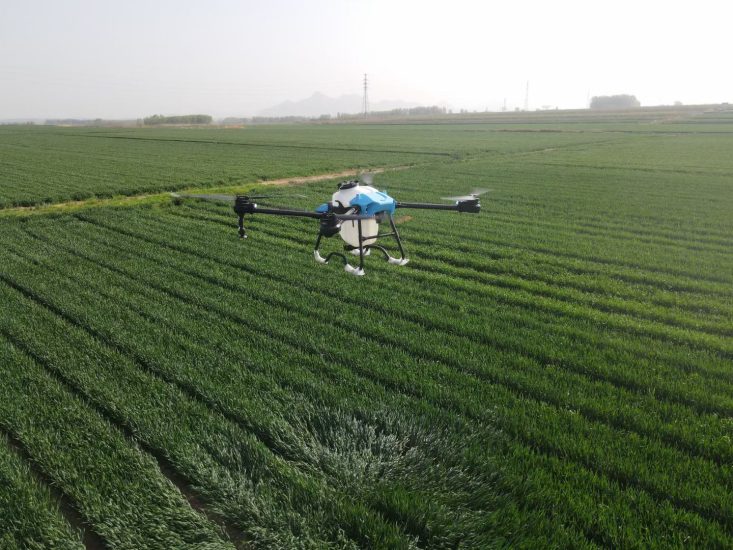
For an agricultural spraying drone, the manufacturer may also need to evaluate the spraying system during operation.
How Manufacturing Changes for Agricultural Drones
Agricultural UAV manufacturing has several requirements that are different from ordinary consumer drones.
Agricultural aircraft may repeatedly operate with:
- Water-based liquids
- Crop-protection products
- Fertilizers
- Seeds
- Granular materials
This creates additional requirements for the aircraft structure and payload system.
The spraying system may need to be evaluated for:
- Pump performance
- Flow rate
- Nozzle operation
- Tank connection
- Hose routing
- Control response
- Leakage prevention
The aircraft itself must also remain stable while the payload changes during operation.
For buyers comparing agricultural drones, this is why specifications such as tank capacity, spray width, flow rate, battery endurance, payload, and flight time should be considered together.
See also:
How Much Area Can an Agricultural Drone Cover? A Practical Guide to Agricultural Drone Spraying Efficiency
Manufacturing Requirements for Heavy-Lift UAVs
Heavy-lift UAVs create additional engineering challenges.
As payload increases, the manufacturer needs to consider:
- Motor thrust
- Propeller configuration
- Battery capacity
- Frame strength
- Power-system performance
- Flight stability
- Landing structure
- Payload mounting
- Operating conditions
A higher payload does not automatically mean better commercial performance.
If increasing payload significantly reduces flight endurance or creates transportation and handling difficulties, the larger aircraft may not be the most suitable option for a particular application.
This is why the manufacturing process should begin with the customer’s actual operating requirements.
For buyers comparing different payload classes, the following guide can also be useful:
Heavy Lift Drone Manufacturer: How to Choose the Right 30KG, 50KG or Larger Drone
Quality Inspection During Production
Quality control should not happen only at the end of production.
Different stages can be inspected throughout the manufacturing process.
Component Inspection
Components can be checked before assembly for:
- Physical condition
- Model
- Specification
- Compatibility
- Electrical characteristics
- Functional condition
Assembly Inspection
During assembly, technicians can check:
- Mechanical connections
- Motor installation
- Wiring
- Battery connections
- Structural components
- Payload installation
System Inspection
After integration, the complete system can be evaluated.
This can include:
- Flight controller
- Navigation
- Communication
- Propulsion
- Battery
- Payload
- Remote controller
Final Inspection
Before shipment, the completed UAV should be checked against the required configuration.
This helps ensure that the aircraft delivered to the buyer corresponds with the agreed product specification.
Maintenance Starts With Manufacturing
Manufacturing quality can influence maintenance requirements throughout the UAV’s operating life.
Agricultural drones are exposed to demanding conditions including:
- Moisture
- Chemicals
- Dust
- Vibration
- Repeated takeoffs and landings
- Heavy payload operation
Operators therefore need regular inspection and maintenance.
For example, cleaning and inspecting spraying components after agricultural operations can help reduce the risk of blockages and equipment problems.
A useful related guide is:
How to Maintain an Agricultural Drone: A Complete Maintenance Guide for Professional Operators
Manufacturing for OEM and ODM Projects
The manufacturing process becomes more flexible when a buyer requests OEM or ODM services.
OEM projects may involve:
- Brand logo
- Product labels
- Packaging
- Manuals
- Accessories
- Product configuration
ODM projects may involve deeper engineering changes such as:
- Airframe modifications
- Payload changes
- Battery configuration
- Spraying-system design
- Spreading-system design
- Controller configuration
- Software requirements
- Specialized accessories
A customized project may follow this general workflow:
Requirement Analysis → Engineering Review → Design → Prototype → Testing → Final Configuration → Production
The exact process depends on the project.
MSOEN provides OEM and ODM manufacturing solutions for international buyers, distributors, agricultural equipment companies, and other project customers.
How Long Does UAV Manufacturing Take?
Production time depends on the product and order requirements.
A standard UAV configuration may require less engineering work than a completely customized aircraft.
Factors that can affect production time include:
- Product model
- Order quantity
- Component availability
- Customization
- Branding
- Packaging
- Battery configuration
- Payload requirements
- Testing requirements
- Documentation
For OEM and ODM projects, sample development and engineering evaluation can add additional time.
Buyers should therefore request a production schedule based on their actual product configuration rather than relying on a general manufacturing lead time.
How Buyers Can Evaluate a Drone Manufacturer
Before placing an order, buyers should ask the manufacturer to explain its production process.
Important questions include:
- How is the UAV assembled?
- Which manufacturing steps are performed internally?
- How are components inspected?
- How is the propulsion system tested?
- How is the flight-control system configured?
- Are complete aircraft flight-tested?
- How are spraying systems tested?
- How are spreading systems tested?
- What quality-control procedures are used?
- Can the manufacturer provide OEM services?
- Can the manufacturer support ODM projects?
- What spare parts are available?
- What technical support is provided after delivery?
A buyer should also compare the manufacturer’s production information with the actual product specification.
The goal is to establish whether the supplier has the engineering, manufacturing, testing, and support capabilities required for the project.
MSOEN Manufacturing Approach
MSOEN’s current website positions the company around agricultural and industrial UAV manufacturing, with dedicated sections for manufacturing, quality control, OEM/ODM, factory information, and certifications.
The company’s product and content structure covers agricultural drones, spraying drones, mapping UAVs, aerial photography drones, industrial inspection drones, and customized UAV manufacturing.
Its manufacturing-related content also addresses agricultural drone factories, production and quality control, drone manufacturing, and manufacturing certifications.
For buyers, this creates a useful path from:
Application → Product → Manufacturing → Testing → Customization → Support
That is more useful than evaluating a UAV only from a product photograph or a single specification.
Frequently Asked Questions
What are the main stages of UAV manufacturing?
The main stages generally include engineering evaluation, component preparation, airframe assembly, propulsion installation, electronic integration, software configuration, payload integration, ground testing, flight testing, final inspection, and packaging.
Why is flight testing important?
Flight testing evaluates the complete aircraft after its components have been integrated. It can reveal problems that may not appear during individual component testing.
Does agricultural drone manufacturing differ from consumer drone manufacturing?
Yes. Agricultural drones usually need to carry and operate larger payload systems such as liquid tanks, pumps, nozzles, fertilizer hoppers, or spreading mechanisms.
Can the manufacturing process be customized?
Yes. OEM and ODM projects can modify branding, packaging, accessories, product configurations, payload systems, and, depending on the project, engineering and software requirements.
What information should I provide for a customized UAV project?
Provide the intended application, payload requirement, operating environment, desired functions, quantity, target market, branding requirements, and any technical specifications you already have.
Does payload affect UAV manufacturing?
Yes. Payload affects propulsion, battery requirements, structural design, flight stability, and operating endurance. The aircraft should be designed around the complete operating configuration.
Request a UAV Manufacturing Consultation
Choosing a drone manufacturer should involve more than comparing prices.
The manufacturing process, engineering capability, quality control, testing procedures, customization options, production capacity, spare-parts support, and after-sales service can all affect the long-term value of a UAV purchase.
MSOEN supports agricultural and industrial UAV projects for international buyers looking for standard products, OEM manufacturing, ODM development, private-label solutions, or customized drone configurations.
If you are planning a new UAV project, provide the required application, payload, quantity, destination market, and customization requirements.
Contact MSOEN to discuss your UAV manufacturing requirements, product configuration, OEM/ODM project, or customized drone solution.


No comments yet