



Flying FPV drones at high speed has completely changed the way I see the world. Every flight feels like a mix of adrenaline, precision, and creativity. In this diary, I want to record my experiences with high-speed FPV drones, especially how I use them for professional aerial filming. From planning the shots to mastering sharp turns at full throttle, these entries capture the challenges, thrills, and lessons I’ve learned along the way.
March 1, 2026 – Monday
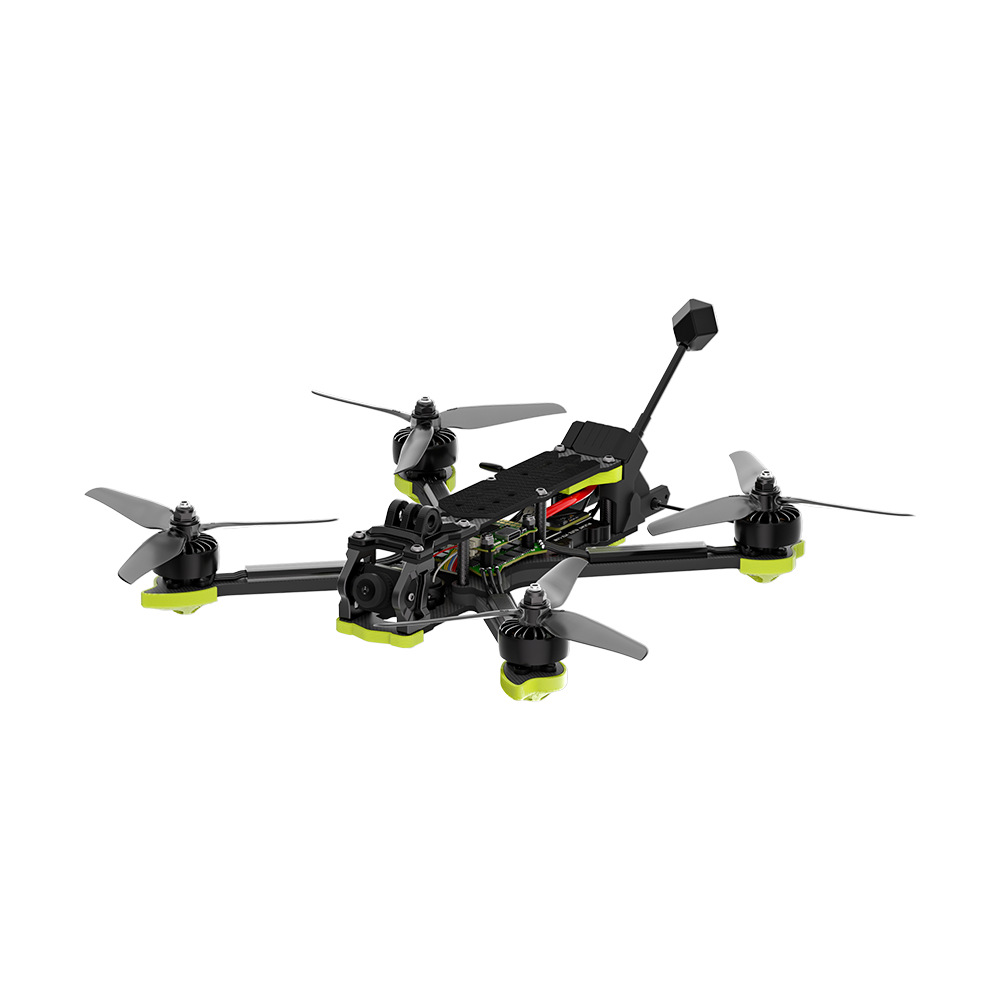
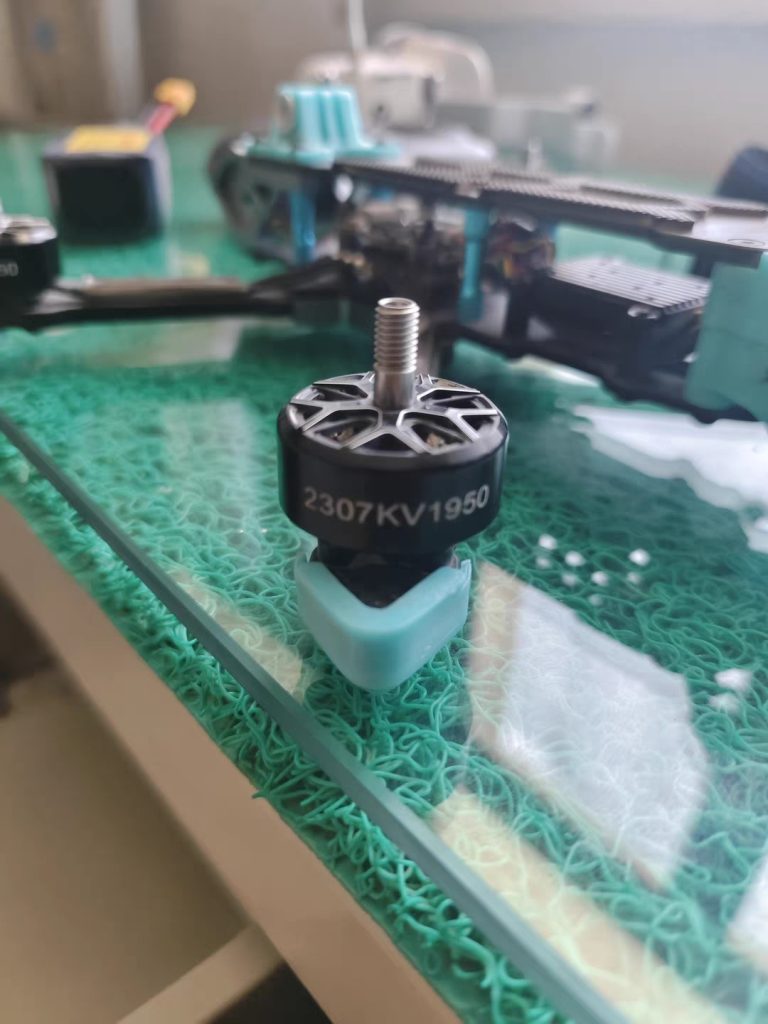
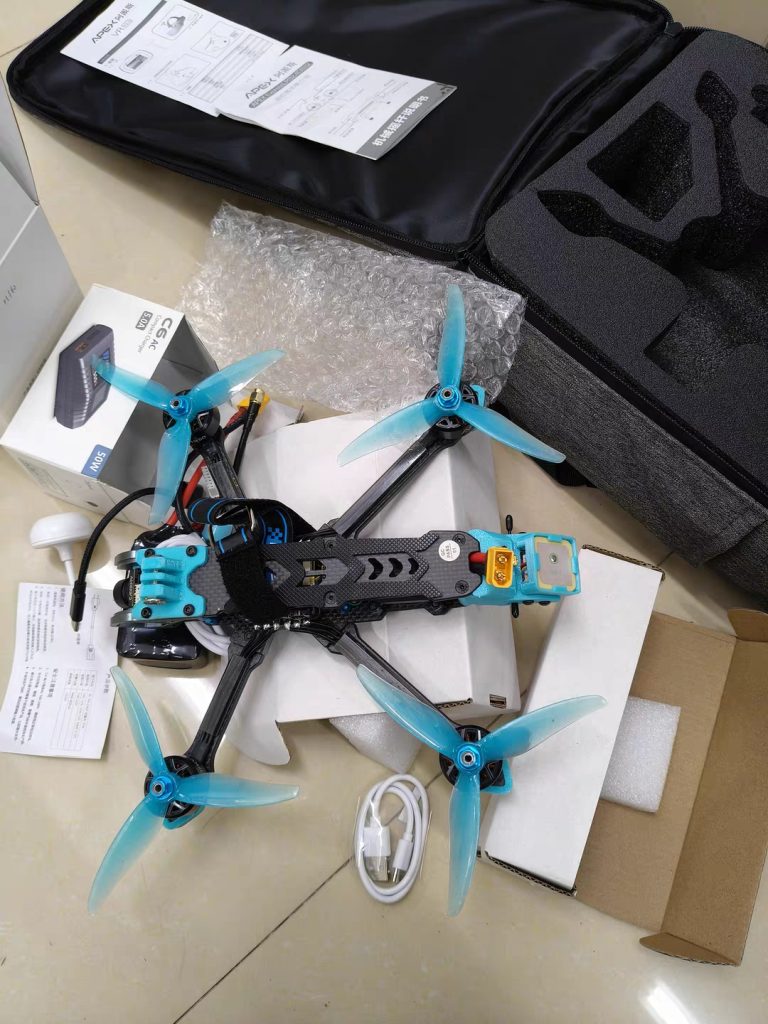
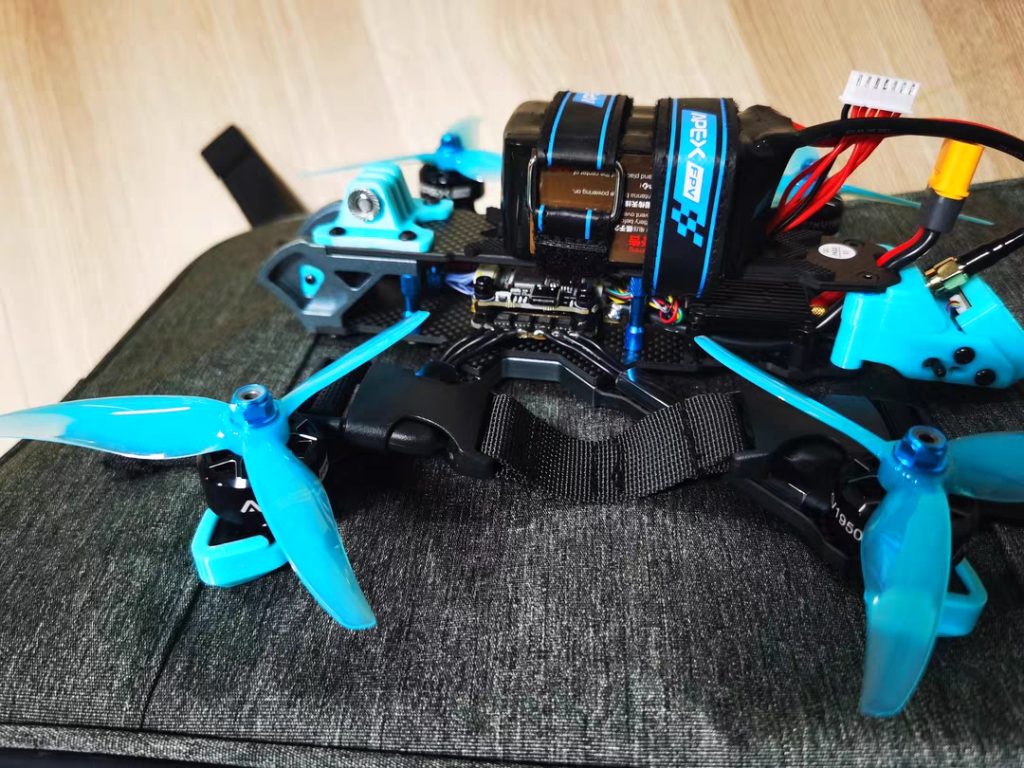
Today I prepped my high-speed FPV drone for its first outdoor filming session. The frame was light but sturdy, and the camera mount was perfectly balanced. I double-checked the motors and propellers because at high speeds, even a small issue can cause a crash.
The goal for today was simple: test speed control while filming a short backyard run. I started with low-altitude straight flights, gradually increasing speed while keeping the camera angle steady. Hovering isn’t enough in high-speed FPV; smooth control is essential. I realized how sensitive the throttle is—the slightest push dramatically affects velocity and trajectory.
By the end of the evening, I managed to film a short clip with smooth motion. Watching the footage on my laptop, I noticed small jitters caused by quick turns. This gave me my first lesson: high-speed filming demands perfect coordination between piloting and camera control.
March 2, 2026 – Tuesday
Today’s session focused on learning to combine speed with sharp maneuvers. I marked a small course in my backyard with cones to simulate obstacles. Flying at full throttle while weaving between obstacles was challenging.
The drone drifted a bit due to a light breeze, which forced me to anticipate corrections in advance. I realized that high-speed FPV filming is not only about control but also predicting the drone’s reaction. I tried filming a low-angle shot of the garden while maintaining a speed over 40 mph. It was intense—my fingers and eyes were fully engaged.
After several runs, I managed a sequence that looked cinematic. Even in a small backyard, the footage captured a feeling of motion and excitement. I felt more confident handling high-speed drones without sacrificing shot quality.
March 3, 2026 – Wednesday
Today I decided to film an outdoor park area. With more space, I could attempt longer high-speed passes. I focused on capturing a sequence where the drone swoops over trees, dips under branches, and then climbs back up.
Planning the shot was crucial. I walked the path first to note potential hazards. During the flight, I learned that maintaining a consistent camera tilt while accelerating is much harder than it looks. One sudden throttle change can ruin the framing.
The final footage was amazing. Watching the video later, I could see the sense of speed, the depth of the landscape, and smooth transitions between low and high angles. I felt proud of combining high-speed flying with professional filming.
March 4, 2026 – Thursday
Today was all about practicing freestyle filming at speed. I wanted to try loops, rolls, and sharp dives while keeping the camera stable.
Crashes happened—several minor ones—but each taught me something about drone stability and timing. I adjusted the camera gimbal slightly and found a sweet spot that minimized vibration during high-speed maneuvers.
After several attempts, I achieved a short clip of a full loop followed by a dive under a tree. The camera captured motion blur perfectly, giving the footage a cinematic quality. I realized that mastering high-speed FPV filming is as much about adjusting equipment as it is about skillful piloting.
March 5, 2026 – Friday
I invited a friend to join me as an observer and give feedback. Watching someone else see the drone’s speed from my perspective was fascinating—they could sense the rush even from the ground.
We set up a mini course with tight turns and elevation changes. Flying full throttle through it was exhilarating. I experimented with different camera angles, tilting up and down while banking hard. Each attempt required split-second decisions and smooth stick control.
By the end of the day, I managed a clean sequence with multiple turns, dives, and accelerations. I felt like I was finally getting the hang of high-speed FPV filming. The footage looked cinematic and intense.
March 6, 2026 – Saturday
Today, I focused on endurance flights with high-speed filming. I set a longer circular route around a small park, combining straight sprints with tight curves and sudden climbs.
Flying continuously at high speed for several minutes is surprisingly exhausting. Every motion must be precise; otherwise, the drone drifts or the shot jitters. I also paid close attention to battery life—high-speed flights drain power fast. I swapped batteries twice, keeping the drone at maximum performance.
The resulting footage captured continuous motion with minimal vibration. I felt a new level of control and fluidity, which is critical for professional aerial filming. High-speed FPV is not just thrilling; it’s a skill that requires planning, endurance, and mental focus.
March 7, 2026 – Sunday
Today I attempted my most challenging session yet: high-speed filming with freestyle tricks. I planned a complex sequence involving a series of sharp turns, rolls, and dives while keeping the camera angle cinematic.
The wind was stronger than usual, making precision more difficult. A slight miscalculation sent the drone skimming close to the ground—but I corrected it just in time. The adrenaline was intense.
After multiple attempts, I managed a clean take. Watching the footage, I could see smooth motion, high-speed transitions, and dynamic angles that looked almost like professional cinematography. I realized that high-speed FPV drones are not just about adrenaline—they are powerful tools for creative aerial filming.
Reflection
After a week of high-speed FPV flights, I feel both exhausted and exhilarated. I’ve learned to balance speed with precision, thrill with stability, and adrenaline with creativity. Each flight teaches patience, focus, and technical skill.
High-speed FPV drones allow a unique perspective of the world—everything is faster, sharper, and more intense. Whether it’s a backyard course, a park, or a freestyle session, every flight is an opportunity to improve, experiment, and capture stunning aerial footage.
I look forward to exploring longer courses, more advanced tricks, and cinematic filming projects. FPV drones have transformed the way I see flight, speed, and creativity.
FAQ
Q1: How do beginners start high-speed FPV flying?
A1: Begin with open spaces and low speeds. Master basic control and camera angles before attempting high-speed maneuvers.
Q2: What precautions are needed for high-speed FPV filming?
A2: Check all drone components, maintain a full battery, and always plan your flight path. Anticipate wind and obstacles.
Q3: How can camera stability be maintained at high speed?
A3: Use a gimbal or adjust tilt carefully. Smooth throttle control and stick input are essential to prevent jitters.
Q4: How long can a high-speed FPV drone fly?
A4: Typically 5–10 minutes at maximum speed. Always have spare batteries ready to continue filming.


No comments yet