

![Image [1]-msoen Series Underwater Exploration Robots: The "Tech Eye" Diving into the Deep Blue-msoen](https://www.msoen.com/wp-content/uploads/2026/02/15908acfb89a.jpeg)


![Image [8]-msoen Series Underwater Exploration Robots: The "Tech Eye" Diving into the Deep Blue-msoen](https://www.msoen.com/wp-content/uploads/2026/02/5096d44e7508.jpg)
The world’s oceans remain one of the last great frontiers of exploration. While satellites have mapped the Earth’s surface in remarkable detail, much of the underwater environment is still largely unknown. As industries increasingly rely on accurate underwater data for inspection, research, maintenance, and emergency response, advanced remotely operated vehicles (ROVs) have become essential tools. The MSOEN Series Underwater Exploration Robots are designed to meet these growing demands by delivering high-performance underwater imaging, stable maneuverability, and intelligent operation for professionals working beneath the surface.
Why Underwater Exploration Robots Are Transforming Marine Operations
Traditional underwater work often depends on professional divers, who face limitations related to depth, visibility, water currents, and safety. Complex inspections may require multiple dives, specialized equipment, and significant operational costs.
Underwater exploration robots solve these challenges by enabling operators to inspect, record, and monitor underwater environments remotely. High-definition cameras, powerful lighting systems, and precision propulsion allow users to perform detailed inspections while remaining safely on the surface.
The result is improved efficiency, lower operating costs, and greater safety for personnel.
Meet the MSOEN Series Underwater Exploration Robots
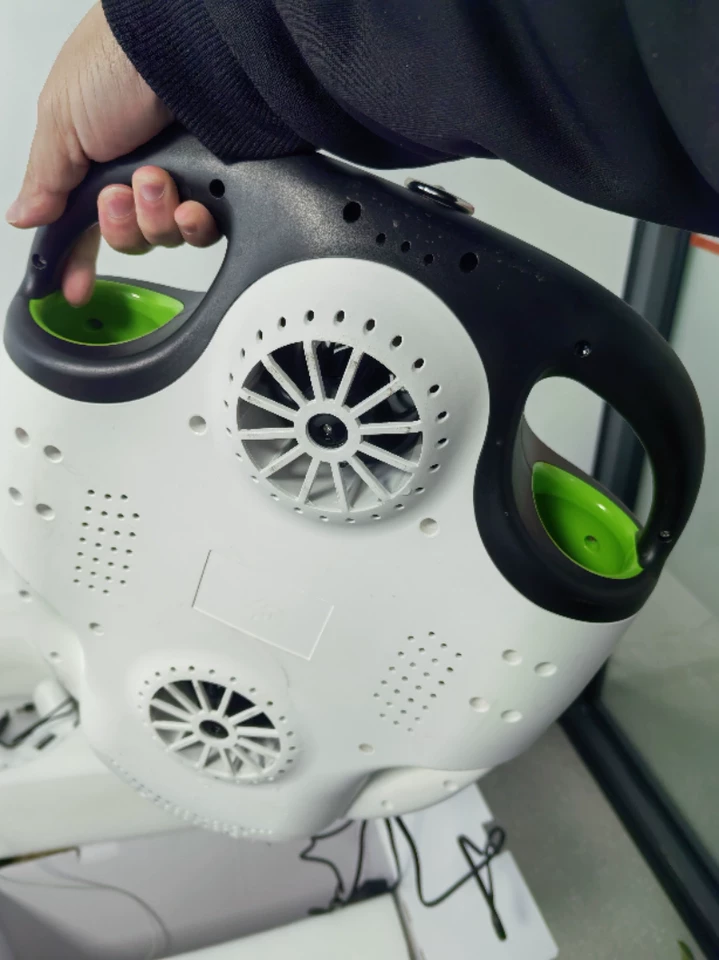
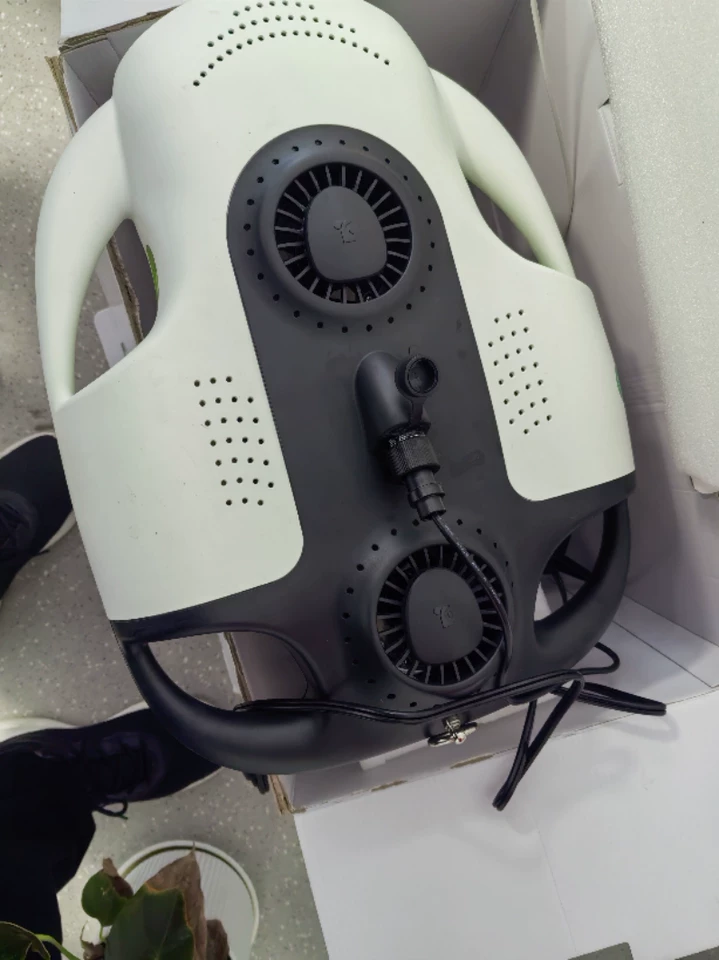
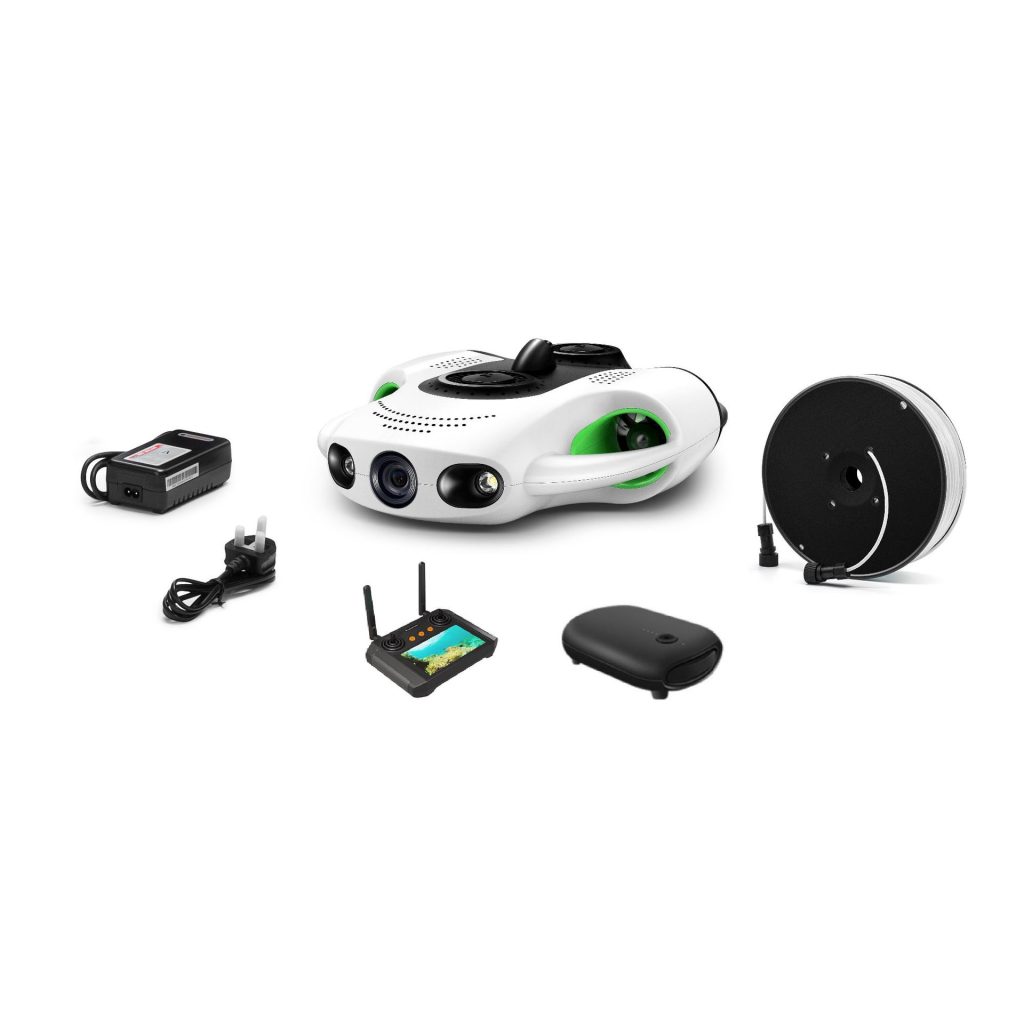
The MSOEN Series combines advanced underwater robotics technology with an operator-friendly design. Built for reliability and versatility, these robots are suitable for both commercial and research applications.
Typical features include:
- High-definition underwater imaging
- Real-time video transmission
- Powerful LED illumination for low-light environments
- Multi-directional thruster system for stable movement
- Precision depth control
- Long-distance tether operation
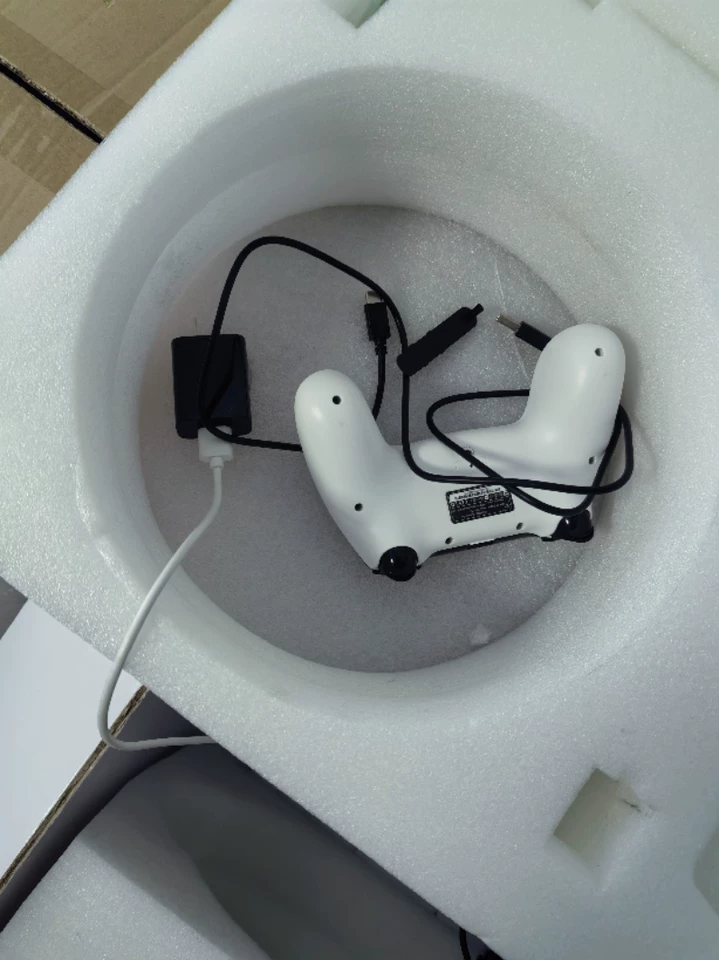
- Portable control station
- Durable waterproof construction
- Easy deployment and recovery
- Support for optional professional sensors and accessories
Whether operating in freshwater lakes, reservoirs, rivers, coastal waters, or offshore environments, the MSOEN Series delivers dependable performance.
Key Applications
Underwater Infrastructure Inspection
Infrastructure owners must regularly inspect underwater assets to ensure structural integrity.
The MSOEN Series helps inspect:
- Bridges
- Dams
- Harbors
- Piers
- Offshore platforms
- Ship hulls
- Pipelines
- Water intake systems
- Hydroelectric facilities
Engineers can identify corrosion, cracks, sediment buildup, marine growth, or structural damage without deploying divers.
Marine Scientific Research
Ocean researchers require reliable underwater observation platforms for collecting visual data.
The MSOEN Series supports:
- Coral reef monitoring
- Marine biodiversity studies
- Habitat mapping
- Environmental assessments
- Coastal ecosystem surveys
- Marine conservation projects
High-quality video and image capture provide valuable documentation for long-term scientific analysis.
Aquaculture Inspection
Modern aquaculture operations require continuous monitoring to maximize production and minimize losses.
The robots can inspect:
- Fish cages
- Aquaculture nets
- Feeding equipment
- Anchor systems
- Underwater support structures
- Water conditions
Routine inspections help operators detect problems before they become costly.
Search and Rescue Operations
During emergency situations, underwater visibility is often poor and conditions can be dangerous for divers.
The MSOEN Series assists rescue teams by:
- Searching submerged vehicles
- Locating missing objects
- Inspecting flooded structures
- Supporting recovery operations
- Providing live underwater video
Rapid deployment improves operational efficiency during time-sensitive missions.
Ship and Port Maintenance
Shipping companies and port authorities require regular underwater inspections to maintain operational safety.
Typical inspection tasks include:
- Hull condition assessment
- Propeller inspection
- Rudder examination
- Mooring system inspection
- Dock structure evaluation
Routine maintenance reduces downtime and extends asset life.
Hydropower and Water Utilities
Reservoirs, water treatment plants, and hydroelectric facilities contain numerous submerged structures that require regular inspection.
Applications include:
- Intake tunnels
- Water gates
- Spillways
- Reservoir walls
- Pump stations
- Dam foundations
Using underwater robots minimizes maintenance disruptions while improving inspection accuracy.
Advanced Imaging for Better Decisions
One of the greatest advantages of the MSOEN Series is its ability to provide clear underwater visuals even in challenging environments.
High-definition cameras combined with powerful LED lighting enable operators to identify:
- Structural defects
- Marine organisms
- Sediment accumulation
- Equipment damage
- Pipeline conditions
- Biofouling
- Underwater debris
Recorded footage can be archived for reporting, maintenance planning, and compliance documentation.
Built for Challenging Environments
Underwater operations rarely occur under ideal conditions. Strong currents, murky water, varying temperatures, and confined spaces require equipment that performs consistently.
The MSOEN Series is engineered with:
- Stable propulsion control
- Corrosion-resistant materials
- Reliable waterproof sealing
- Rugged structural design
- Efficient power management
These features help ensure dependable operation in demanding marine environments.
Advantages of Choosing the MSOEN Series
Organizations benefit from adopting underwater robotic technology because it offers:
- Enhanced operator safety
- Reduced reliance on commercial diving
- Faster inspection cycles
- Lower long-term maintenance costs
- Improved inspection accuracy
- Digital inspection records
- Greater operational flexibility
- Higher productivity
As underwater inspection requirements continue to grow worldwide, robotic solutions provide a cost-effective alternative to traditional methods.
Future of Underwater Robotics
Artificial intelligence, machine vision, sonar mapping, and autonomous navigation are rapidly changing underwater exploration. Future underwater robots will become even more intelligent, capable of automatically recognizing structural defects, generating inspection reports, and assisting operators with data analysis.
The MSOEN Series is positioned to support this technological evolution by providing a reliable platform that can adapt to future advancements in underwater robotics.
Conclusion
Exploring the underwater world no longer requires putting people into hazardous environments. The MSOEN Series Underwater Exploration Robots combine intelligent control, high-definition imaging, stable maneuverability, and reliable performance to help professionals complete underwater inspections safely and efficiently.
Whether used for marine research, infrastructure inspection, aquaculture management, search and rescue, hydropower maintenance, or offshore engineering, the MSOEN Series serves as a dependable “Tech Eye” beneath the waves—helping industries discover, inspect, and protect the hidden world under the deep blue sea.
FAQ
1. What are MSOEN Series Underwater Exploration Robots used for?
They are used for underwater inspection, marine research, aquaculture monitoring, infrastructure maintenance, search and rescue, offshore engineering, and environmental surveys.
2. Can the robots operate in low-visibility water?
Yes. High-brightness LED lights and HD cameras help capture clear images even in dark or turbid underwater environments.
3. Do the robots replace professional divers?
For many inspection and observation tasks, they significantly reduce the need for divers, improving safety and lowering operational costs.
4. Which industries benefit most from underwater exploration robots?
Marine engineering, offshore energy, shipping, ports, aquaculture, environmental protection, hydropower, water utilities, scientific research, and emergency rescue organizations all benefit from ROV technology.
5. Why choose the MSOEN Series?
The MSOEN Series offers reliable underwater performance, high-quality imaging, flexible applications, and efficient operation, making it an ideal solution for modern underwater exploration and inspection projects.
Q1: What’s the key difference between Mercury Lite, Pro, and Max?
A: They differ in diving depth, detection precision, and endurance. Lite (≤300m) is for quick shallow-water tasks; Pro (≤1,000m) offers high-precision 3D mapping for industrial use; Max (≤3,000m) is built for extreme deep-sea scientific research with advanced sensors.
Q2: How does msoen ensure the pressure resistance of its robots?
A: We use aerospace-grade materials (aviation aluminum, titanium alloy, maraging steel) and conduct 1.5x overpressure tests in our pressure chambers. Each hull is inspected via ultrasonic testing to detect micro-cracks.
Q3: Can the Mercury series work in strong currents?
A: Yes. Pro and Max models feature 6-8 thrusters with vector control, resisting up to 4 knots of current. The AI algorithm also adjusts thrust in real time to stabilize the robot.
Q4: Does msoen offer customization for specific industries?
A: Absolutely. We provide modular upgrades (e.g., adding water quality sensors for environmental monitoring, or high-resolution cameras for archaeological surveys) and tailor software interfaces to client workflows.
Q5: What after-sales support do you provide?
A: We offer 24/7 technical support, 1-year warranty (covering core components), and on-site training for operators. For remote areas, we provide video-guided troubleshooting.
Q6: Is the Mercury series suitable for polar regions?
A: The Mercury Max model is designed for polar use, with -20℃ low-temperature resistance and anti-ice coating. It has been tested in Arctic waters for glacier base surveys.
Q7: How long does it take to deliver a customized robot?
A: Standard models ship within 4 weeks. Customized versions (e.g., adding special sensors) take 6-8 weeks, depending on component availability.
VI. Conclusion
For 12 years, msoen has been turning “unseen” into “seen” with the Mercury series. As a manufacturer, we don’t just build robots—we build trust. Whether exploring deep-sea vents or inspecting a dam, our goal is to make every dive safe, precise, and meaningful.
msoen: Where innovation meets the deep blue.





No comments yet