


![Image [2]-Mountain Logistics Drones-msoen](https://www.msoen.com/wp-content/uploads/2026/03/20260313111526655-1688_image_share_d09362d916e8050b97769b098f22801f.jpg)
![Image [3]-Mountain Logistics Drones-msoen](https://www.msoen.com/wp-content/uploads/2026/03/20260315020015725-Screenshot_20260314_192152_JDCOM-778x1024.jpg)
![Image [4]-Mountain Logistics Drones-msoen](https://www.msoen.com/wp-content/uploads/2026/03/20260315114516570-1000021466.jpg)
![Image [5]-Mountain Logistics Drones-msoen](https://www.msoen.com/wp-content/uploads/2026/03/20260315114536605-1000021469-1024x947.jpg)
![Image [6]-Mountain Logistics Drones-msoen](https://www.msoen.com/wp-content/uploads/2026/03/20260315114542188-1000021468-732x1024.jpg)
Diary Entry – A Day Managing Mountain Logistics Drones
6:00 AM – Early Start in the Operations Center
The day began before dawn. I arrived at the mountain logistics drone operations center, located near the foothills, where many of our drones are deployed to deliver essential supplies to remote villages and industrial sites. Mountainous terrain presents unique challenges for logistics: narrow roads, steep slopes, unpredictable weather, and limited infrastructure make traditional delivery methods slow and risky. Drones offer a faster, safer, and more reliable alternative.
Today’s schedule included several critical deliveries: medical supplies to a rural clinic, food and essentials to a mountain village, and spare parts to a remote telecommunications tower. Planning and preparation are essential because weather conditions in the mountains can change rapidly, affecting drone performance and safety.
6:30 AM – Pre-Flight Checks
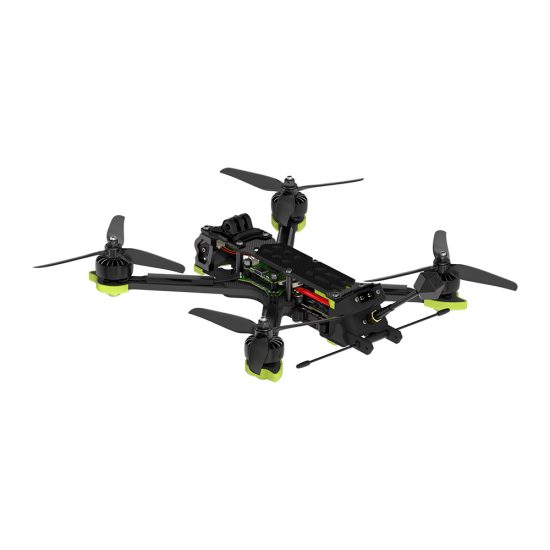
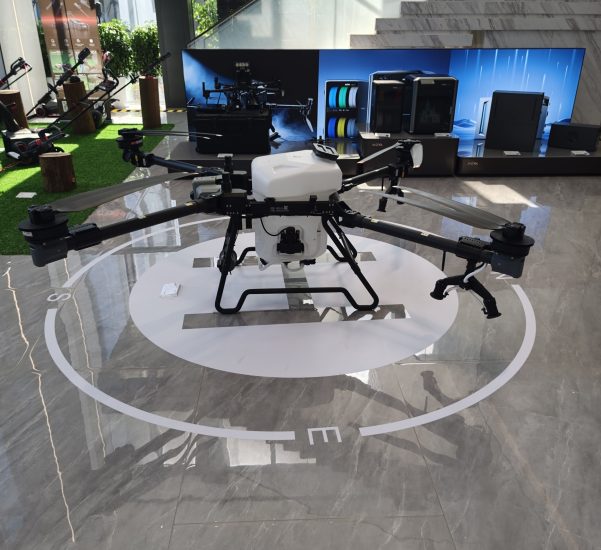
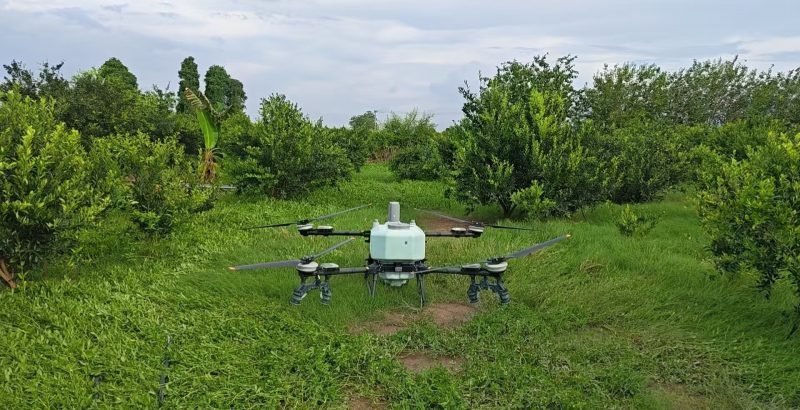
Before any drone takes off, I perform pre-flight inspections. Batteries are fully charged, rotors are inspected, sensors are calibrated, and communication systems are tested. Mountain drones are equipped with advanced GPS navigation, altitude stabilization, and obstacle avoidance sensors to handle steep cliffs, dense forests, and sudden wind gusts. Each cargo compartment is secured to prevent packages from shifting during flight.
One drone is assigned to carry medical supplies to a village accessible only via a narrow, winding path. The drone’s flight path must avoid dense forested areas while maintaining a safe altitude, so I carefully review its route before launch.
7:00 AM – First Mission Launch
The first drone lifts off carrying urgent vaccines for the mountain clinic. Its AI navigation system calculates an optimized flight path to conserve battery power while avoiding obstacles like tall trees and rocky cliffs. From the control center, I monitor its flight in real time, watching the thermal sensors and obstacle avoidance systems adjust dynamically to changing terrain and wind conditions.
8:00 AM – Coordinating Multiple Deliveries
While the first drone completes its mission, others are launched to deliver food, water, and essential supplies to several mountain villages. Each drone follows a unique flight path optimized for safety and efficiency. Some routes pass through valleys with strong wind currents, requiring careful monitoring. I make adjustments to flight parameters in real time, ensuring all drones maintain stable altitude and speed.
9:30 AM – Emergency Delivery in Remote Terrain
Mid-morning, an urgent request arrives: a village school requires medicines for children, but a landslide has blocked the only road. The assigned drone is dispatched immediately, equipped with emergency supplies. Flying directly over the landslide area, the drone avoids road obstacles entirely. Its AI-assisted navigation adapts to sudden wind shifts in the valley, allowing the package to reach the village safely. Moments like this emphasize the life-saving potential of mountain logistics drones.
11:00 AM – Monitoring Flight Data and Performance
During mid-morning downtime, I review flight data from the morning missions. Battery usage, altitude adjustments, GPS signal accuracy, and obstacle avoidance events are logged for analysis. Continuous monitoring ensures drones operate safely in challenging mountain environments. Historical data also helps refine future flight paths for energy efficiency and safety.
12:30 PM – Maintenance and Recharge
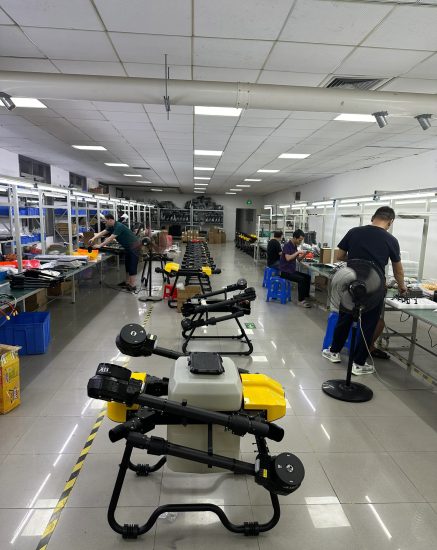
After several flights, drones return to the base for maintenance and recharging. Rotors and sensors are inspected for wear and tear caused by rough mountain air. Batteries are swapped to ensure uninterrupted operations for the afternoon missions. Proper maintenance is crucial in remote operations where drone failure could delay critical deliveries.
1:30 PM – Afternoon Long-Distance Routes
The afternoon involves longer flights to reach distant villages and isolated mountain facilities. One drone carries spare parts to a telecommunications tower on a ridge. Using a combination of GPS navigation and AI-assisted stabilization, it navigates narrow canyons and strong wind corridors. Another drone transports perishable food items to a small village, maintaining a temperature-controlled compartment throughout the flight.
3:00 PM – Weather Challenges and Adaptive Routes
Mountain weather can change rapidly. Around mid-afternoon, a sudden gust of wind disrupted a drone’s planned path to a remote clinic. The drone’s AI system immediately recalculated a safer route, adjusting altitude and speed to maintain stability. I monitored the process and was ready to take manual control if needed. The drone successfully completed the delivery, highlighting the importance of adaptive technology in mountain logistics operations.
4:30 PM – Emergency Medical Resupply
A medical team in a remote area requested urgent resupply of medicines for a patient. The drone was launched immediately. It flew over steep cliffs and dense forests, guided by its obstacle avoidance and GPS systems. The package was delivered within minutes, much faster than any ground vehicle could have managed. Every successful delivery reinforces the value of drones in critical mountain logistics.
5:30 PM – Evening Returns and Data Analysis
As evening approached, all drones returned to base. I compiled reports analyzing flight performance, battery efficiency, delivery times, and any deviations from planned routes. These reports are essential for improving future operations, ensuring drones can handle the unique challenges of mountainous terrain.
6:00 PM – Preparing for Tomorrow
Before leaving, I prepared drones for the next day. Batteries were fully recharged, sensors recalibrated, and flight paths for scheduled deliveries uploaded. Emergency standby drones were also prepared in case of unexpected requests.
7:00 PM – Reflection on the Day
Today highlighted the incredible potential of mountain logistics drones. They overcome challenges that traditional vehicles cannot handle, delivering essential supplies safely and efficiently to remote areas. Each flight demonstrates how drones improve access, save time, and even save lives.
Conclusion
Managing mountain logistics drones is both challenging and rewarding. The combination of advanced technology, precision navigation, and real-world impact creates a unique and meaningful experience. As drone technology continues to evolve, mountain deliveries will become faster, safer, and more reliable, transforming logistics in regions where terrain has long been a barrier.


No comments yet