

![Image [1]-Long Range FPV Racing Drone for Professional Pilots: Advanced Guide to High-Speed FPV Quadcopter Performance-msoen](https://www.msoen.com/wp-content/uploads/2026/03/20260312061426777-1000021263-1024x1024.jpg)
![Image [2]-Long Range FPV Racing Drone for Professional Pilots: Advanced Guide to High-Speed FPV Quadcopter Performance-msoen](https://www.msoen.com/wp-content/uploads/2026/03/20260312061426483-1000021264-1024x1024.jpg)
![Image [3]-Long Range FPV Racing Drone for Professional Pilots: Advanced Guide to High-Speed FPV Quadcopter Performance-msoen](https://www.msoen.com/wp-content/uploads/2026/03/20260312061519935-1000021247-768x1024.jpg)
![Image [4]-Long Range FPV Racing Drone for Professional Pilots: Advanced Guide to High-Speed FPV Quadcopter Performance-msoen](https://www.msoen.com/wp-content/uploads/2026/03/20260312061424992-1000021265-1024x768.jpg)
![Image [5]-Long Range FPV Racing Drone for Professional Pilots: Advanced Guide to High-Speed FPV Quadcopter Performance-msoen](https://www.msoen.com/wp-content/uploads/2026/03/20260312061425571-1000021262-1024x1024.jpg)
![Image [6]-Long Range FPV Racing Drone for Professional Pilots: Advanced Guide to High-Speed FPV Quadcopter Performance-msoen](https://www.msoen.com/wp-content/uploads/2026/03/20260312061409589-1000021268-768x1024.jpg)
![Image [7]-Long Range FPV Racing Drone for Professional Pilots: Advanced Guide to High-Speed FPV Quadcopter Performance-msoen](https://www.msoen.com/wp-content/uploads/2026/03/20260312061517543-1000021254-1024x576.jpg)
![Image [8]-Long Range FPV Racing Drone for Professional Pilots: Advanced Guide to High-Speed FPV Quadcopter Performance-msoen](https://www.msoen.com/wp-content/uploads/2026/03/20260312061408201-1000021267-1024x768.jpg)
🚀 Long Range FPV Racing Drone Built for Speed, Precision, and Immersive Flight
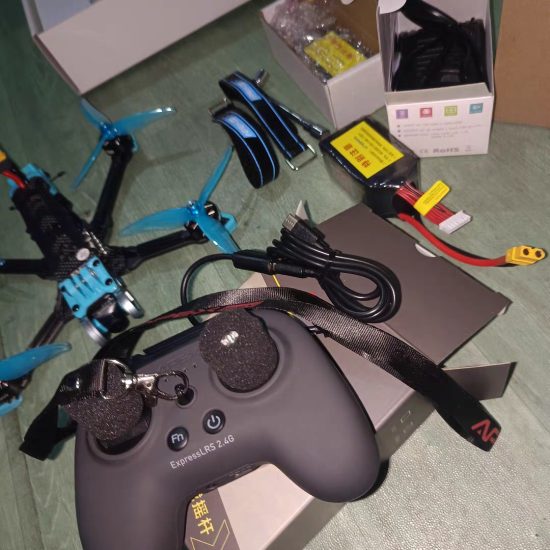
Long range FPV racing drones are engineered for pilots who want maximum flight freedom, extreme speed, and complete manual control. These high-performance quadcopters combine powerful propulsion systems with first-person-view technology, allowing pilots to navigate complex environments with remarkable agility.🛸 Ultra-responsive flight control systems
⚡ Powerful motors for rapid acceleration
🎮 Real-time first-person-view pilot experience
🔧 Modular components for customization and upgrades
🌍 Applications in racing, freestyle flying, exploration, and dynamic aerial filmingWith strong frames, lightweight construction, and advanced electronic systems, modern FPV racing drones provide one of the most exciting forms of aerial technology available today.
🛸 Understanding Long Range FPV Racing Drones
Long range FPV racing drones are compact quadcopters designed for manual flight control and high-speed maneuvering.
Unlike traditional aerial drones that rely heavily on automatic stabilization, FPV racing drones are built for direct pilot input and dynamic flight performance.
The term FPV means first-person view. This technology allows the pilot to control the drone using live video transmitted from the onboard camera.
Instead of watching the drone from the outside, pilots experience flight from the aircraft’s perspective.
Key characteristics include:
⚡ rapid acceleration and high top speeds
🎮 precise manual control
🛸 agile maneuverability
📡 real-time video transmission
🔧 flexible hardware customization
These features make FPV drones extremely popular among experienced drone pilots and technology enthusiasts.
⚡ Core Technologies Behind High-Performance FPV Drones
To achieve high speed and flight precision, FPV racing drones rely on several advanced technologies.
🚀 High-Power Brushless Motor Systems
Brushless motors are responsible for generating the thrust that allows the drone to fly.
These motors provide strong power output and fast response times.
Important advantages include:
⚡ instant acceleration
🔥 efficient energy usage
🛠 reduced mechanical wear
🛸 smooth high-speed operation
High-quality motors allow FPV drones to perform sharp turns and fast climbs.
🛡 Durable Lightweight Frame Design
The frame supports all drone components and determines the aircraft’s structural strength.
Most FPV drones use lightweight materials to improve flight performance.
Benefits include:
🪶 reduced aircraft weight
🛡 strong impact resistance
⚙ better maneuverability
🚀 faster directional changes
A strong yet lightweight frame is essential for aggressive flying and high-speed racing.
🎮 Immersive First-Person Flight Systems
The FPV system is what makes these drones unique.
Pilots wear goggles or use monitors to see the live video feed from the drone’s onboard camera.
Advantages include:
👓 immersive pilot perspective
📡 real-time visual feedback
🎯 precise obstacle navigation
🛸 faster pilot reaction time
This immersive system allows pilots to navigate challenging environments with confidence.
🔧 Modular Drone Architecture
Another key feature of FPV drones is their modular design.
Pilots can upgrade or replace individual components to improve performance.
Common modular components include:
⚙ flight controllers
🔋 batteries
🛸 propellers
📡 video transmitters
This flexibility allows pilots to continuously refine their drone setup.
🏁 Main Applications of Long Range FPV Drones
Although FPV drones are famous for racing, they are used in many different aerial activities.
🏎 High-Speed Drone Racing
Drone racing competitions involve pilots flying through obstacle courses at extremely high speeds.
Pilots must demonstrate:
⚡ fast reaction time
🎮 precise maneuvering
🛸 accurate navigation
🏁 excellent drone tuning
These competitions showcase the full performance potential of FPV quadcopters.
🎥 Dynamic Cinematic Aerial Filming
FPV drones are increasingly used to capture unique cinematic footage.
Their agility allows them to move smoothly through tight spaces and follow moving subjects.
Key advantages include:
🎬 dramatic camera motion
🚀 high-speed tracking shots
🛸 flexible flight paths
🎯 creative filming angles
These features allow filmmakers to capture dynamic perspectives that traditional drones cannot achieve.
🌄 Long-Distance Exploration Flights
Long range FPV drones allow pilots to explore large landscapes from the air.
These flights provide a sense of freedom and adventure.
Typical uses include:
🌄 mountain and landscape exploration
🛸 freestyle aerial navigation
🎮 immersive recreational flying
🚀 long-distance flight missions
Pilots often use these drones to explore challenging environments.
🛠 Essential Components of a Long Range FPV Drone
Understanding the main components helps pilots choose and maintain high-performance drones.
⚙ Flight Controller
The flight controller acts as the brain of the drone.
It processes data from sensors and controls motor output.
Key responsibilities include:
🧠 interpreting pilot commands
🎮 stabilizing the drone
⚡ controlling motor speed
🛸 maintaining flight balance
Reliable controllers ensure smooth and responsive flight.
🔋 High-Performance Drone Batteries
FPV drones require batteries capable of delivering strong bursts of power.
Important characteristics include:
⚡ high discharge rate
🔋 lightweight construction
🛸 consistent energy delivery
⏱ balanced flight duration
Battery selection significantly influences flight performance.
🛸 Propeller Systems
Propellers convert motor rotation into thrust that lifts the drone into the air.
Key factors include:
🌀 blade size and shape
⚙ rotational efficiency
🛸 thrust generation
🔧 structural durability
Choosing the right propellers can improve speed and flight control.
📡 Video Transmission Equipment
The FPV video system enables real-time communication between the drone and pilot.
Typical components include:
📷 onboard camera
📡 video transmitter
👓 FPV goggles
🎮 ground receiver system
Reliable video transmission ensures safe navigation and accurate control.
📈 Advantages of Long Range FPV Racing Drones
FPV racing drones provide several unique advantages compared with conventional drones.
🚀 Extreme Speed and Agility
These drones are designed for fast acceleration and rapid maneuvering.
Pilots can perform complex aerial tricks and high-speed racing moves.
🎮 Immersive Pilot Experience
The first-person-view system provides a realistic sense of flight that traditional drones cannot replicate.
🔧 Flexible Customization
The modular structure allows pilots to upgrade and modify components to improve performance.
🌍 Future Trends in FPV Drone Technology
FPV drone technology continues to evolve rapidly.
Future innovations may include:
🧠 intelligent flight control systems
🔋 improved battery efficiency
📡 more stable video transmission
🚀 enhanced propulsion technologies
These developments will expand the possibilities of high-performance drone flight.
📩 How to Choose a Professional FPV Racing Drone
When selecting an FPV drone, pilots should evaluate several important factors.
Key considerations include:
⚡ motor power and thrust
🛸 frame strength and weight
📡 video transmission reliability
🔋 battery capacity
🎮 control system responsiveness
A well-designed drone ensures safe operation and exciting flight performance.
❓ FAQ – Long Range FPV Racing Drones
1. What is a long range FPV racing drone?
A long range FPV racing drone is a high-performance quadcopter designed for fast flight and manual piloting using real-time video transmission.
2. Why are FPV drones preferred for racing?
They offer extreme speed, fast reaction control, and lightweight structures optimized for competitive flight.
3. What skills are needed to fly an FPV drone?
Pilots need strong hand-eye coordination, practice with manual flight control, and an understanding of drone systems.
4. Can FPV drones be upgraded?
Yes. Most FPV drones use modular components that allow upgrades to motors, propellers, cameras, and control systems.
5. Are FPV drones suitable for beginners?
Beginners can learn FPV flying gradually by practicing in open environments and using stable training setups.
6. What should pilots consider when buying an FPV drone?
Important factors include flight stability, frame durability, video transmission quality, and overall system reliability.


No comments yet