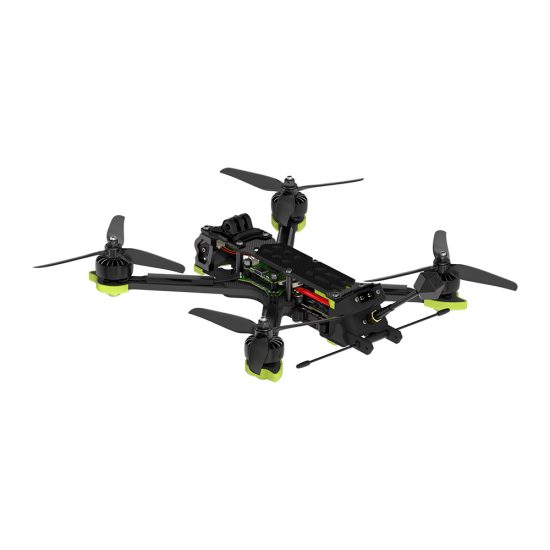



![Image [2]-Long Range FPV Drone for Mountain Exploration-msoen](https://www.msoen.com/wp-content/uploads/2026/03/20260312061518363-1000021249-576x1024.jpg)
![Image [3]-Long Range FPV Drone for Mountain Exploration-msoen](https://www.msoen.com/wp-content/uploads/2026/03/20260312061426777-1000021263-1024x1024.jpg)
![Image [4]-Long Range FPV Drone for Mountain Exploration-msoen](https://www.msoen.com/wp-content/uploads/2026/03/20260313111522166-1688_image_share_c9b2514d2a9d7d17200461d88cea0a8f.jpg)
![Image [5]-Long Range FPV Drone for Mountain Exploration-msoen](https://www.msoen.com/wp-content/uploads/2026/03/20260312061517277-1000021246-576x1024.jpg)
![Image [6]-Long Range FPV Drone for Mountain Exploration-msoen](https://www.msoen.com/wp-content/uploads/2026/03/20260312061426483-1000021264-1024x1024.jpg)
Explore Remote Mountain Terrains with High-Performance FPV Drones
📦 Quick Overview
Mountain exploration is one of the most exciting applications for long range FPV drones. Unlike standard drones designed for short-range flights or casual recreational use, a long range FPV drone for mountain exploration allows pilots to traverse rugged landscapes, high altitudes, and remote areas while maintaining stable real-time video feed.
FPV (First-Person View) drones give pilots a bird’s-eye perspective, making it easier to navigate through valleys, peaks, and narrow passes. With a long range FPV drone equipped with an HD camera, adventurers, surveyors, and filmmakers can safely explore inaccessible locations and capture breathtaking aerial footage.
This guide will cover the key components, flight strategies, safety considerations, and technical requirements for mountain exploration using a long range FPV drone.
Understanding Long Range FPV Drones for Mountain Exploration
A long range FPV drone is specifically designed for extended distance flight while maintaining reliable communication between the drone and the pilot.
Key characteristics of a long range FPV drone for mountain exploration:
- Extended Flight Range – Able to fly several kilometers while maintaining stable video transmission.
- Durable Construction – Lightweight yet strong frames that can withstand crashes or rough weather.
- High-Definition Camera – Captures sharp, detailed images for navigation and recording.
- Advanced Flight Controller – Maintains stability in challenging terrains and variable wind conditions.
- Long-Lasting Batteries – Provides enough power for extended missions in remote locations.
Mountain environments pose unique challenges such as high wind, changing weather, and uneven terrain. Therefore, drones intended for these missions must be robust, responsive, and equipped with advanced navigation and video systems.
Core Components of a Long Range FPV Drone for Mountain Exploration
Building or selecting a long range FPV drone requires careful attention to the following components:
Drone Frame
A durable, lightweight frame is essential for mountain exploration. Carbon fiber is the preferred material because it is:
- Strong and resistant to crashes
- Lightweight for longer flight times
- Capable of supporting large propellers and battery packs
Common frame sizes for mountain exploration drones are 5–7 inches. Larger frames allow for more efficient propulsion and higher payload capacity for HD cameras.
Motors
Efficient brushless motors are critical for maintaining stable flight in mountainous areas. Features to consider:
- High torque to manage sudden wind gusts and elevation changes
- Energy-efficient design for longer flight duration
- Compatibility with propeller size and frame design
Well-matched motors ensure responsive flight and precise control, even at high altitudes.
Propellers
Propellers generate thrust and directly impact flight stability and efficiency. For mountain exploration:
- Larger propellers provide smoother flight and higher lift efficiency
- Two-blade or three-blade configurations offer a balance between speed and stability
- Durable materials such as reinforced plastic or carbon fiber reduce damage from collisions
Flight Controller
The flight controller acts as the drone’s brain. Advanced controllers are recommended for mountain exploration because they:
- Compensate for wind and altitude variations
- Offer GPS-assisted flight modes for navigation in remote areas
- Enable waypoint missions and automated flight paths
Some flight controllers also provide telemetry data, including battery levels, altitude, and distance, which is critical for safe mountain flights.
FPV Camera and Video Transmission
A high-definition FPV camera allows the pilot to see what the drone sees in real-time. Key considerations include:
- Low latency video for accurate control
- Wide dynamic range to handle bright sunlight and shadows in valleys
- High-resolution recording for post-flight review or cinematic footage
Video transmission should support long-range, reliable signals, even when flying behind obstacles such as mountains or dense forest. Proper antenna placement is crucial for maintaining signal strength.
Battery System
Battery life directly affects the range and mission duration. For mountain exploration:
- Use high-capacity LiPo or Li-ion batteries
- Ensure voltage and amperage meet motor and VTX requirements
- Consider modular battery packs for quick replacement during extended missions
Efficient power management is critical, as high altitudes and windy conditions increase energy consumption.
Flight Techniques for Mountain Exploration
Flying in mountainous regions requires advanced piloting skills and careful preparation.
Pre-Flight Planning
- Study maps and terrain to identify potential hazards
- Plan flight routes with clear emergency landing zones
- Check weather forecasts to avoid high winds, rain, or snow
Altitude Management
- Adjust throttle and pitch to compensate for changing air density at higher elevations
- Monitor telemetry to ensure the drone does not exceed safe operational limits
Navigation
- Use GPS-assisted flight modes for longer missions
- Maintain line-of-sight whenever possible, even with FPV goggles
- Employ waypoint navigation for consistent coverage of large areas
Emergency Procedures
- Establish safe landing protocols in case of low battery or signal loss
- Carry spare batteries and replacement parts for mid-flight repairs
- Practice manual flight control for unexpected conditions
Advantages of Using FPV Drones for Mountain Exploration
- Access Remote Locations – Reach areas that are difficult or impossible for humans to access.
- Safety – Avoid dangerous climbs or unstable terrain.
- High-Quality Documentation – Capture HD aerial footage for environmental studies, films, or personal adventure logs.
- Enhanced Navigation – Gain a bird’s-eye view to identify paths, obstacles, and natural features.
Common Challenges and How to Overcome Them
Wind and Weather
Mountain environments are often windy and unpredictable. To mitigate risk:
- Use drones with high torque motors and stable flight controllers
- Avoid flights during high gusts or storms
- Use real-time telemetry to monitor drone stability
Signal Loss
Mountains can block radio signals, causing disconnection. Solutions include:
- High-gain antennas for both transmitter and receiver
- Line-of-sight flying when possible
- Backup return-to-home (RTH) features
Battery Management
Long flights in cold or high-altitude conditions reduce battery efficiency. Tips:
- Pre-warm batteries before flight
- Carry extra fully charged batteries
- Optimize flight paths for energy-efficient cruising
Recommended Features for a Long Range Mountain FPV Drone
- High-capacity batteries for 15–25 minutes of flight
- HD FPV camera with wide dynamic range
- Long-range video transmission system (digital or analog)
- Durable carbon fiber frame
- GPS and telemetry-enabled flight controller
- Efficient brushless motors with large propellers
- Modular design for easy repairs in the field
Safety Guidelines
- Always follow local UAV regulations
- Keep drones within legal altitude limits
- Conduct pre-flight system checks
- Avoid flying near wildlife or populated areas
- Use a spotter when possible to maintain situational awareness
Future of Mountain Exploration FPV Drones
Advances in drone technology will enhance long-range mountain FPV exploration:
- Longer battery life for extended missions
- Improved HD video and digital FPV systems for clearer visuals
- Enhanced GPS and obstacle avoidance for autonomous navigation
- Lighter materials for higher efficiency and flight endurance
These improvements will make mountain exploration safer, more immersive, and more accessible to enthusiasts and professionals alike.
Conclusion
A long range FPV drone for mountain exploration offers a unique combination of endurance, stability, and immersive flight experience. These drones allow pilots to traverse remote mountain terrain, capture high-definition video, and safely document areas that are otherwise hard to access.
By carefully selecting components such as efficient motors, HD cameras, reliable video transmission, and high-capacity batteries, pilots can maximize range, performance, and reliability. Proper flight preparation, environmental awareness, and safety practices are essential for successful mountain missions.
With ongoing technological advancements, long range FPV drones are becoming an indispensable tool for adventurers, filmmakers, and researchers exploring mountainous regions.
FAQ
What makes a drone suitable for mountain exploration?
A drone should have long flight range, strong motors, high-capacity batteries, stable flight control, and reliable video transmission.
Can FPV drones handle high altitude flights?
Yes, but pilots should monitor battery efficiency and air density, which can affect lift and motor performance.
How far can a long range mountain FPV drone fly?
Flight distance depends on battery capacity, flight conditions, and transmission system, but modern systems often exceed several kilometers.
Do I need special training to fly in mountains?
Yes, experience with FPV drones and understanding of altitude, wind, and terrain navigation are important for safety.
Can I capture cinematic footage with a mountain FPV drone?
Absolutely. HD cameras combined with smooth flight control enable professional-quality aerial videos of mountain landscapes.


No comments yet