

![Image [1]-Logistics Delivery Drones-msoen](https://www.msoen.com/wp-content/uploads/2026/03/20260312061409589-1000021268-768x1024.jpg)
![Image [2]-Logistics Delivery Drones-msoen](https://www.msoen.com/wp-content/uploads/2026/03/20260312061408201-1000021267-1024x768.jpg)
![Image [3]-Logistics Delivery Drones-msoen](https://www.msoen.com/wp-content/uploads/2026/03/20260312061408755-1000021266-768x1024.jpg)
![Image [4]-Logistics Delivery Drones-msoen](https://www.msoen.com/wp-content/uploads/2026/03/20260315114516570-1000021466.jpg)

![Image [6]-Logistics Delivery Drones-msoen](https://www.msoen.com/wp-content/uploads/2026/03/20260313111526655-1688_image_share_d09362d916e8050b97769b098f22801f.jpg)
The global logistics industry is undergoing a rapid transformation driven by technological innovation and increasing demand for faster, more efficient delivery solutions. Traditional transportation systems, while still essential, often face challenges such as traffic congestion, high labor costs, and limited accessibility in remote areas. Logistics delivery drones have emerged as a groundbreaking solution, redefining how goods are transported across short and medium distances.
These unmanned aerial systems are revolutionizing supply chains by enabling faster delivery times, reducing operational costs, and improving access to hard-to-reach locations. As industries continue to embrace automation and digitalization, logistics delivery drones are becoming a key component of modern transportation networks.
What Are Logistics Delivery Drones?
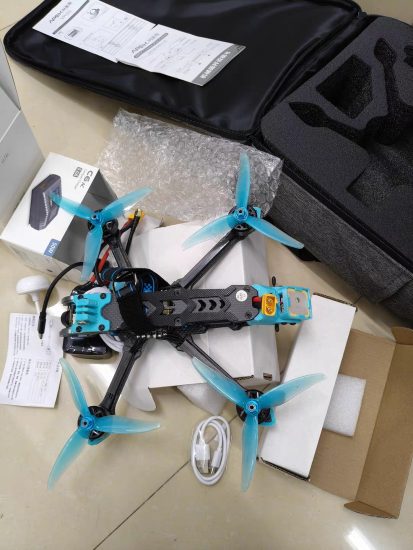
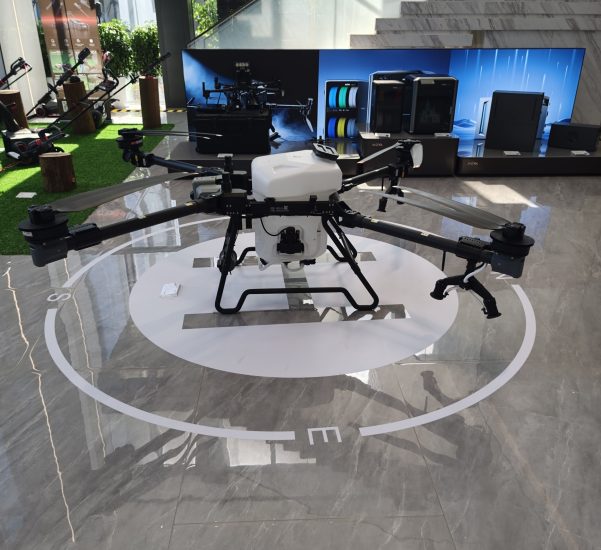
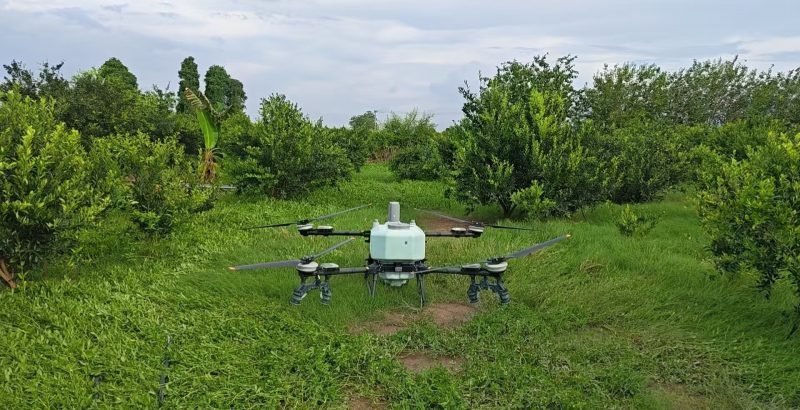
Logistics delivery drones are unmanned aerial vehicles specifically designed to transport goods from one location to another. They are equipped with cargo compartments, navigation systems, sensors, and communication technologies that allow them to operate autonomously or under remote control.
These drones are capable of carrying various types of payloads, including small packages, medical supplies, food items, and essential goods. Their ability to bypass ground traffic and take direct aerial routes makes them highly efficient for time-sensitive deliveries.
How Logistics Delivery Drones Work
The operation of logistics delivery drones involves a structured workflow:
1. Order Processing
The delivery process begins with an order request, which is processed through a logistics system that assigns a drone for delivery.
2. Flight Planning
The drone’s route is planned based on distance, weather conditions, airspace regulations, and delivery location.
3. Autonomous Flight
The drone takes off and follows a pre-programmed route using GNSS navigation systems. Advanced sensors ensure safe flight and obstacle avoidance.
4. Package Delivery
The drone delivers the package by landing or lowering it using a controlled mechanism.
5. Return and Recharge
After completing the delivery, the drone returns to its base for recharging and preparation for the next mission.
Core Technologies Behind Logistics Delivery Drones
GNSS Navigation Systems
Accurate positioning ensures precise route planning and reliable delivery.
Autonomous Flight Control
Advanced algorithms enable drones to operate with minimal human intervention.
Obstacle Avoidance Sensors
Sensors detect and avoid obstacles such as buildings, trees, and power lines.
Payload Management Systems
Specialized compartments secure and protect goods during transport.
Communication Systems
Real-time communication ensures tracking and monitoring of deliveries.
Battery and Energy Systems
Efficient power systems support flight operations and delivery missions.
Advantages of Logistics Delivery Drones
Faster Delivery Times
Drones can bypass traffic and take direct routes, significantly reducing delivery time.
Cost Efficiency
Reduced labor and fuel costs lower overall operational expenses.
Accessibility
Drones can reach remote or difficult locations where traditional vehicles cannot operate.
Reduced Environmental Impact
Electric drones produce fewer emissions compared to conventional transportation methods.
Real-Time Tracking
Customers and operators can track deliveries in real time.
Flexibility
Drones can be deployed quickly and adapt to changing delivery needs.
Applications of Logistics Delivery Drones
E-Commerce Delivery
Drones enable fast delivery of online purchases, especially in urban areas.
Medical Supply Transport
They deliver critical medical supplies such as vaccines, blood samples, and medications.
Food and Retail Delivery
Restaurants and retailers use drones for rapid delivery services.
Disaster Relief Logistics
Drones transport essential goods to disaster-affected areas.
Rural and Remote Delivery
They provide essential services to areas with limited infrastructure.
Industrial Logistics
Drones transport tools, parts, and equipment within large industrial sites.
Comparison with Traditional Logistics Methods
| Feature | Traditional Delivery | Drone Delivery |
|---|---|---|
| Delivery Speed | Moderate | Fast |
| Cost | High | Lower |
| Accessibility | Limited | High |
| Environmental Impact | High | Low |
| Flexibility | Moderate | High |
Challenges and Limitations
Despite their advantages, logistics delivery drones face several challenges:
Regulatory Restrictions
Airspace regulations and safety requirements may limit drone operations.
Payload Limitations
Drones are generally limited in the weight they can carry.
Battery Life
Flight duration is restricted by battery capacity.
Weather Conditions
Wind, rain, and extreme temperatures can affect performance.
Infrastructure Requirements
Drone delivery systems require charging stations and control centers.
Best Practices for Logistics Drone Operations
To ensure efficient and reliable operations, operators should follow these best practices:
- Optimize flight routes for efficiency
- Monitor weather conditions before deployment
- Maintain drones regularly
- Ensure compliance with regulations
- Train operators and support staff
- Use secure communication systems
Future Trends in Logistics Delivery Drones
Autonomous Delivery Networks
Future systems will feature fully automated drone fleets operating without human intervention.
Extended Flight Range
Advances in battery and energy technologies will increase flight distance.
AI-Driven Optimization
Artificial intelligence will optimize routes, scheduling, and delivery efficiency.
Integration with Smart Cities
Drones will integrate with urban infrastructure for seamless delivery operations.
Advanced Payload Systems
Improved cargo systems will allow safer and more versatile deliveries.
Importance of Logistics Delivery Drones
Logistics delivery drones are transforming the way goods are transported, offering faster, more efficient, and more sustainable solutions. Their ability to overcome traditional logistical challenges makes them highly valuable in a wide range of industries.
By adopting drone technology, businesses can improve customer satisfaction, reduce costs, and enhance operational efficiency. These advantages are critical in today’s competitive and fast-paced market.
Conclusion
Logistics delivery drones represent a significant advancement in transportation and supply chain management. Their combination of speed, efficiency, and flexibility makes them a powerful solution for modern logistics challenges.
As technology continues to evolve, these drones will become even more capable, offering greater autonomy, improved performance, and wider adoption. For businesses looking to stay ahead in the logistics industry, integrating drone-based delivery solutions is a strategic and forward-thinking decision.
Logistics delivery drones are not just an innovation—they are shaping the future of fast, efficient, and intelligent delivery systems.


No comments yet