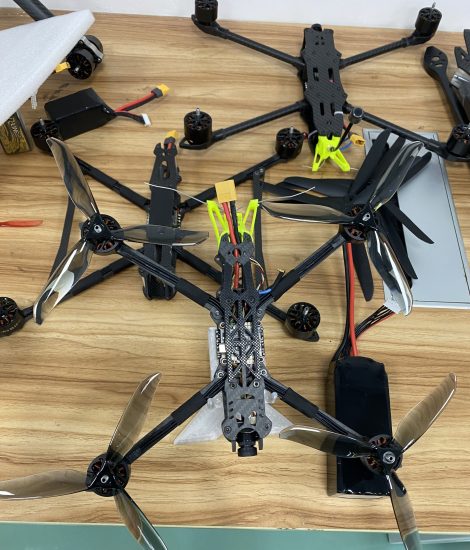




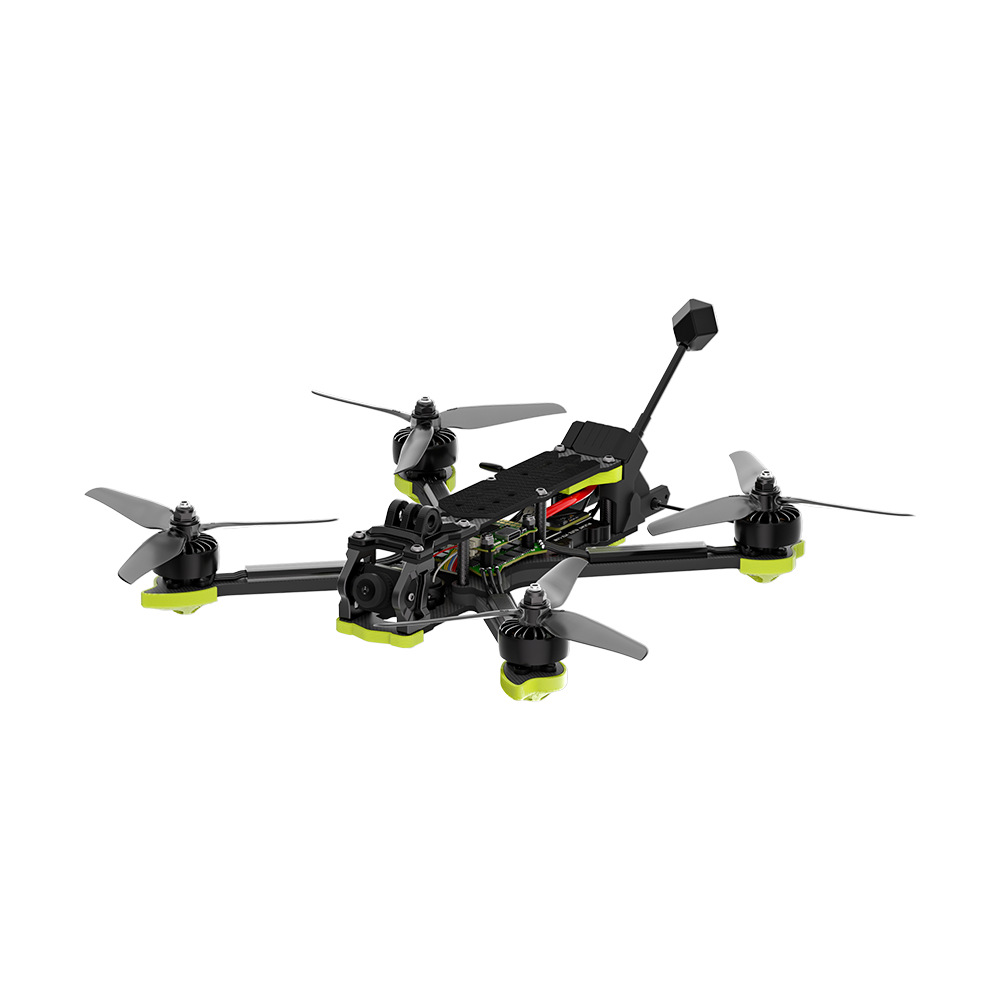

As FPV drone technology continues to evolve, lightweight designs are becoming increasingly popular among both beginners and experienced pilots. A lightweight FPV drone offers a perfect balance between performance, portability, and ease of control, making it an ideal choice for a wide range of applications.
Unlike heavier drones that require more power and skill to operate, lightweight FPV drones are designed to be more user-friendly while still delivering smooth and responsive flight. Whether you are traveling, filming, or practicing your flying skills, a lightweight FPV drone provides flexibility and convenience.
This article explores the advantages, features, and applications of lightweight FPV drones and why they are becoming a preferred option in the FPV market.
What Is a Lightweight FPV Drone?
A lightweight FPV drone is a compact and low-weight unmanned aerial vehicle designed for efficient flight and easy handling.
These drones typically feature:
- Compact frame structure
- Lightweight materials such as carbon fiber or plastic composites
- Efficient motors with lower power consumption
- Smaller battery systems
- Simplified control configurations
The reduced weight improves flight efficiency and makes the drone easier to transport and operate.
Why Choose a Lightweight FPV Drone?
Easy to Control
Lightweight drones are generally easier to handle, especially for beginners. Their lower inertia allows for smoother control and quicker response to pilot input.
This makes them ideal for:
- New FPV pilots
- Training and practice
- Casual flying
High Portability
One of the biggest advantages is portability. Lightweight FPV drones can be easily carried in backpacks or travel cases.
This makes them perfect for:
- Outdoor adventures
- Travel content creation
- On-the-go filming
Improved Flight Efficiency
Lower weight means less power is required to stay airborne. This improves overall energy efficiency and can help extend flight time under certain conditions.
Reduced Risk During Flight
In case of a crash, lightweight drones typically cause less damage to themselves and surroundings, making them safer for beginners and indoor use.
Key Features of Lightweight FPV Drones
Compact Frame Design
Lightweight FPV drones use smaller frames that are optimized for portability and efficiency. These frames maintain structural integrity while minimizing weight.
Efficient Motor System
Motors in lightweight drones are designed to provide sufficient thrust without excessive energy consumption. This balance ensures stable and smooth flight.
Optimized Battery Performance
Although smaller, the batteries used in lightweight FPV drones are designed for efficient power delivery, supporting stable flight performance.
Simplified Setup
Many lightweight FPV drones feature simplified configurations, making them easier to set up and maintain.
Responsive Flight Control
The reduced weight improves responsiveness, allowing pilots to perform smooth maneuvers with minimal effort.
Applications of Lightweight FPV Drones
Beginner Training
Lightweight FPV drones are ideal for learning basic flight skills due to their stability and ease of control.
Travel and Exploration
Their compact size makes them perfect for capturing aerial footage while traveling.
Indoor Flying
Lightweight drones can safely operate in indoor environments where space is limited.
Casual Filming
Content creators can use lightweight FPV drones for simple and quick video shoots without complex setup.
Recreational Use
For hobbyists, lightweight drones offer a fun and accessible way to enjoy FPV flying.
Advantages Over Heavier Drones
Lightweight FPV drones provide several benefits:
- Easier to transport
- Lower energy consumption
- Safer operation
- Simpler learning curve
- More convenient for everyday use
These advantages make them an excellent choice for a wide range of users.
Tips for Flying Lightweight FPV Drones
Choose Calm Weather Conditions
Lightweight drones are more affected by wind, so flying in calm conditions improves stability.
Practice Smooth Movements
Gentle control inputs help maintain balance and extend flight time.
Keep Battery Charged Properly
Efficient battery management ensures consistent performance.
Regular Maintenance
Check propellers, motors, and connections to maintain optimal operation.
Start in Open Spaces
Beginners should practice in open areas before attempting complex environments.
Challenges of Lightweight FPV Drones
Wind Sensitivity
Due to their low weight, these drones can be affected by strong winds.
Limited Payload Capacity
Lightweight drones may not support heavy cameras or additional equipment.
Shorter Range in Some Cases
Smaller systems may have limited transmission range compared to larger drones.
Future Trends in Lightweight FPV Drones
The development of lightweight FPV drones continues to advance with innovations such as:
- More efficient battery technology
- Stronger and lighter materials
- Improved flight controllers
- Enhanced digital FPV systems
These advancements will further improve performance and usability.
Conclusion
Lightweight FPV drones offer a perfect combination of portability, ease of use, and efficient performance. They are ideal for beginners, travelers, and content creators who need a convenient and reliable aerial solution.
With their growing popularity and continuous technological improvements, lightweight FPV drones are becoming an essential part of the FPV ecosystem.
FAQ
Q1: Are lightweight FPV drones good for beginners?
Yes, they are easier to control and safer to operate.
Q2: Can lightweight drones handle outdoor flying?
Yes, but they perform best in calm weather conditions.
Q3: Do lightweight drones have long flight time?
They can be efficient, but flight time depends on battery capacity and usage.
Q4: Are they suitable for professional filming?
They are more suitable for casual and lightweight filming tasks.


No comments yet