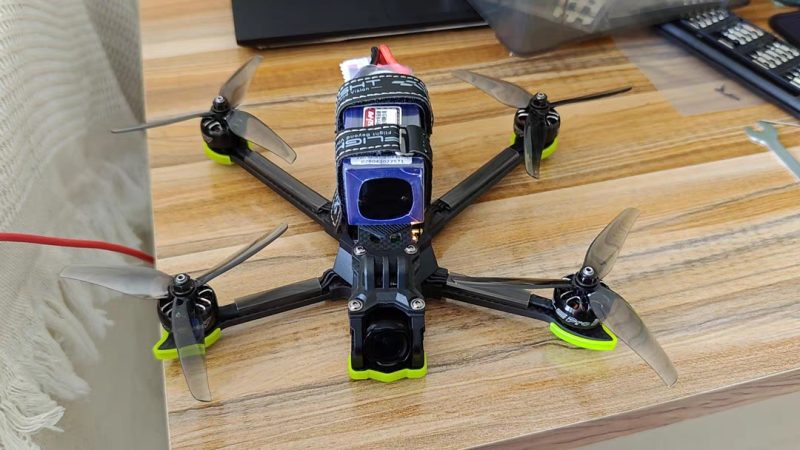


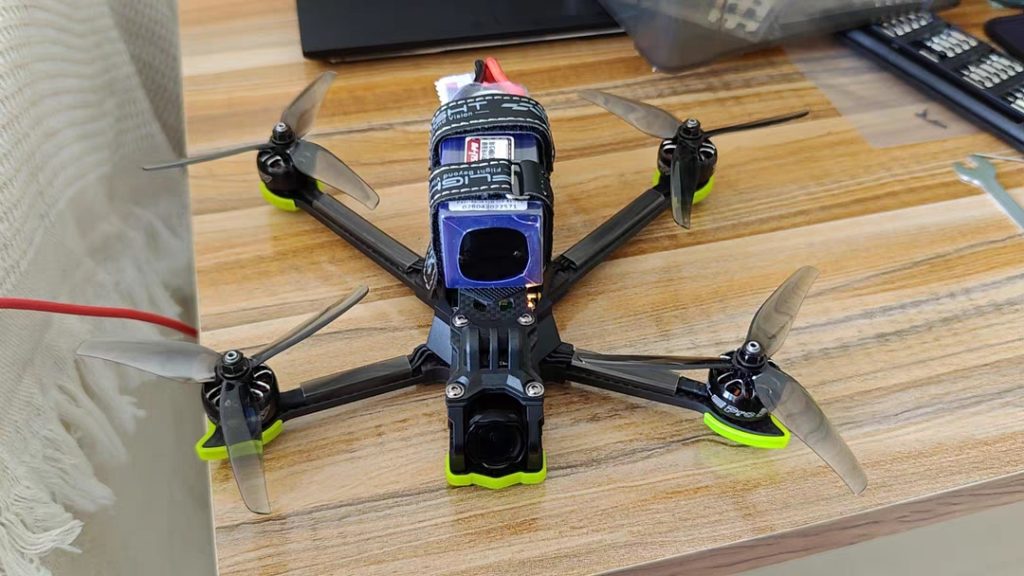


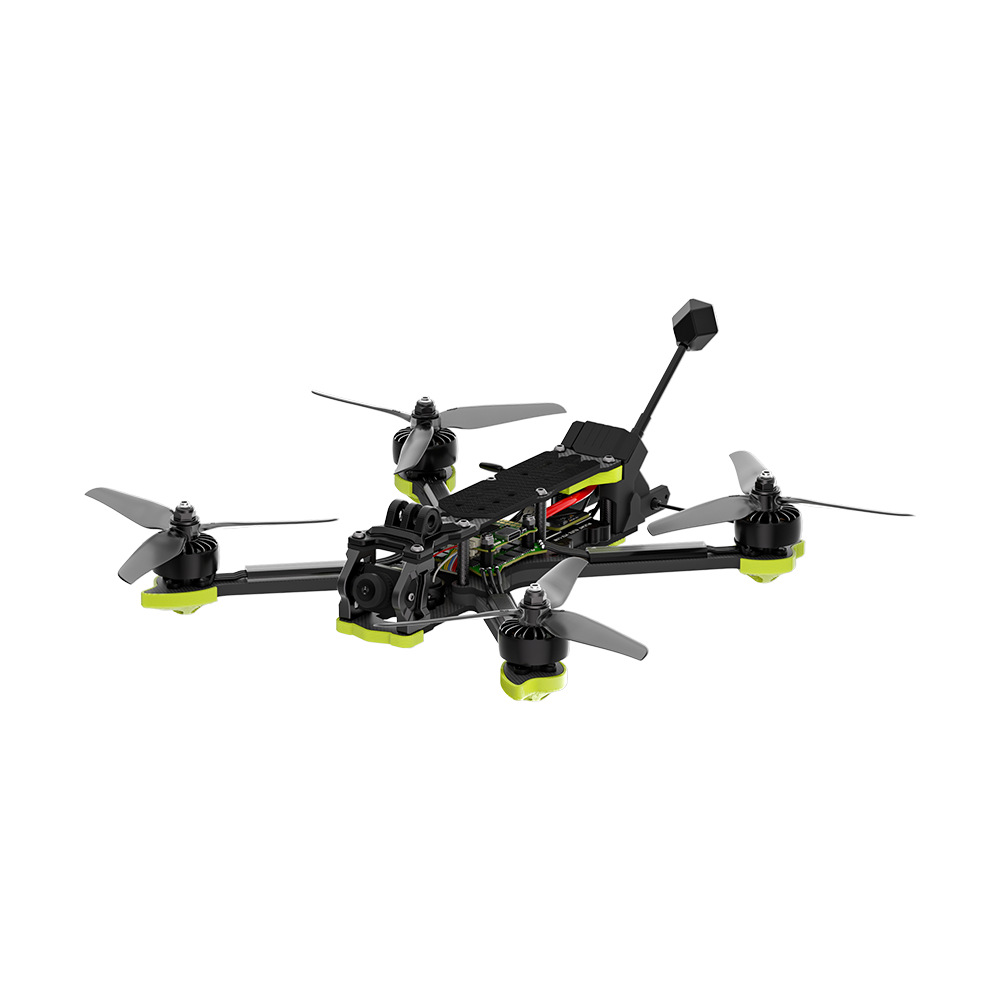


As industries continue to adopt advanced technologies, FPV drones are becoming powerful tools for inspection and infrastructure monitoring. Unlike traditional inspection methods that require manual labor, scaffolding, or heavy equipment, industrial FPV drones provide a safer, faster, and more efficient solution.
With real-time video transmission and precise control, FPV drones allow operators to inspect hard-to-reach areas while maintaining full visibility. This makes them highly valuable in sectors such as energy, construction, transportation, and utilities.
This article explores the features, benefits, and applications of industrial FPV drones for professional inspection tasks.
What Is an Industrial FPV Drone?
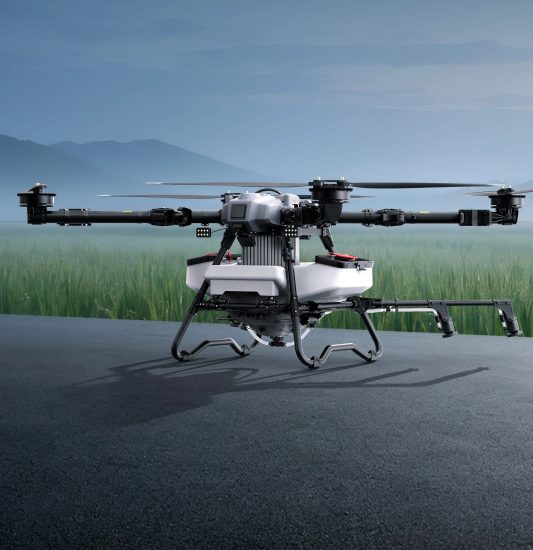
An industrial FPV drone is a high-performance unmanned aerial vehicle designed specifically for professional inspection and monitoring tasks.
These drones typically include:
- High-definition camera systems
- Stable and precise flight control
- Durable and impact-resistant frames
- Advanced transmission systems
- Reliable power and battery performance
They are built to operate in complex and demanding environments.
Why Use FPV Drones for Industrial Inspection?
Access to Difficult Areas
Industrial sites often include structures that are difficult or dangerous to access manually.
FPV drones can easily inspect:
- Tall buildings
- Bridges and towers
- Power lines
- Confined spaces
Improved Safety
Using drones reduces the need for workers to operate in hazardous environments, lowering the risk of accidents.
Real-Time Monitoring
FPV systems provide live video feedback, allowing operators to make immediate decisions during inspection.
Increased Efficiency
Drones can complete inspections much faster than traditional methods, saving both time and cost.
Key Features of Industrial FPV Drones
High-Resolution Camera Systems
Clear and detailed imaging is essential for identifying structural issues and defects.
Stable Flight Performance
Advanced flight controllers ensure stable operation even in complex environments.
Durable Construction
Industrial drones are built with strong materials to withstand harsh conditions and minor impacts.
Reliable Signal Transmission
Stable communication between the drone and operator is critical for safe and effective inspections.
Extended Flight Capability
Efficient power systems allow for longer flight durations, reducing the need for frequent battery changes.
Applications in Industry
Power Line Inspection
FPV drones are used to inspect transmission lines and electrical infrastructure for damage or wear.
Building and Construction Monitoring
They help monitor construction progress and inspect structural integrity.
Bridge and Infrastructure Inspection
Drones can access difficult areas of bridges and large structures for detailed inspection.
Oil and Gas Industry
Used for monitoring pipelines, storage tanks, and industrial facilities.
Warehouse and Facility Inspection
Indoor FPV drones can inspect large warehouses and industrial buildings.
Advantages of Industrial FPV Drones
- Safer than manual inspection
- Faster operation
- Cost-effective solution
- Real-time data collection
- Access to hard-to-reach areas
These benefits make FPV drones an essential tool for modern industrial operations.
Tips for Effective Industrial Drone Use
Plan the Inspection Route
Define the inspection area and objectives before flying.
Ensure Equipment Readiness
Check all systems, including batteries and cameras, before operation.
Maintain Stable Flight
Smooth and controlled flying ensures accurate data collection.
Follow Safety Guidelines
Always comply with safety regulations and operational standards.
Analyze Data After Flight
Review captured footage carefully to identify any issues.
Challenges in Industrial Applications
Environmental Conditions
Wind, dust, and weather can affect performance.
Signal Interference
Industrial environments may have interference that impacts communication.
Operator Skill Requirements
Professional training is often required for effective operation.
Future Trends in Industrial FPV Drones
The industrial drone sector continues to evolve with innovations such as:
- AI-assisted inspection systems
- Automated flight paths
- Enhanced imaging technology
- Improved battery efficiency
These advancements will further increase the effectiveness of FPV drones in industrial use.
Conclusion
Industrial FPV drones are transforming the way inspections and infrastructure monitoring are conducted. By providing safe, efficient, and real-time solutions, they help industries improve productivity and reduce operational risks.
As technology continues to advance, FPV drones will play an increasingly important role in industrial applications, offering even greater capabilities and reliability.
FAQ
Q1: Are FPV drones suitable for industrial use?
Yes, they are widely used for inspection and monitoring tasks.
Q2: What industries benefit from FPV drones?
Energy, construction, transportation, and manufacturing industries all benefit.
Q3: Do industrial drones require special training?
Yes, operators typically need training for safe and effective use.
Q4: Can FPV drones operate indoors?
Yes, they are suitable for indoor inspections such as warehouses and factories.


No comments yet