

![Image [1]-High Speed FPV Racing Drone Setup Guide-msoen](https://www.msoen.com/wp-content/uploads/2026/03/20260312061426777-1000021263-1024x1024.jpg)
![Image [2]-High Speed FPV Racing Drone Setup Guide-msoen](https://www.msoen.com/wp-content/uploads/2026/03/20260312061517543-1000021254-1024x576.jpg)
![Image [3]-High Speed FPV Racing Drone Setup Guide-msoen](https://www.msoen.com/wp-content/uploads/2026/03/20260312061517277-1000021246-576x1024.jpg)
![Image [4]-High Speed FPV Racing Drone Setup Guide-msoen](https://www.msoen.com/wp-content/uploads/2026/03/20260313111526655-1688_image_share_d09362d916e8050b97769b098f22801f.jpg)

![Image [6]-High Speed FPV Racing Drone Setup Guide-msoen](https://www.msoen.com/wp-content/uploads/2026/03/20260312061518363-1000021249-576x1024.jpg)
Complete Introduction to Building and Optimizing a Fast FPV Racing Drone
📦 Quick Overview
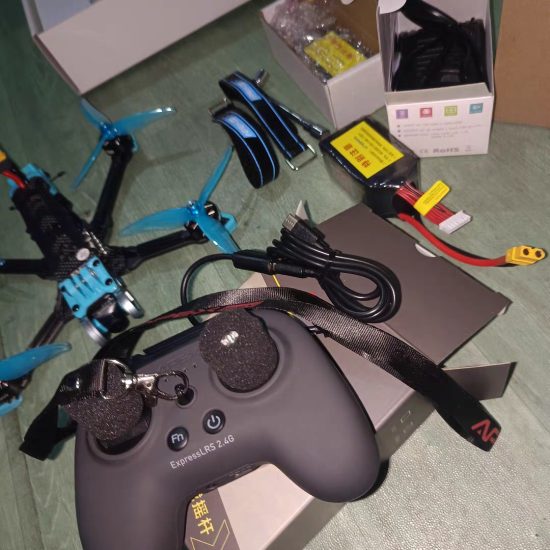
FPV racing drones are among the fastest and most exciting types of unmanned aerial vehicles. Designed for speed, agility, and precise control, these drones are widely used by hobbyists, professional pilots, and drone racing enthusiasts around the world.
Unlike standard camera drones, FPV racing drones focus on high acceleration, rapid maneuverability, and responsive flight performance. Pilots wear FPV goggles or use FPV screens to see the live video feed directly from the drone, creating an immersive flying experience similar to sitting inside the aircraft.
Setting up a high-speed FPV racing drone requires careful selection of components, proper assembly, and accurate tuning. Every part of the drone—from motors to propellers—plays an important role in determining flight performance.
This guide explains the key components of an FPV racing drone and provides practical advice on how to build and optimize a drone capable of achieving extremely high speeds.
What Is an FPV Racing Drone?
An FPV racing drone is a lightweight unmanned aircraft designed specifically for high-speed flight and competitive racing.
These drones are usually flown on racing tracks that include obstacles such as gates, tunnels, and sharp turns. Pilots must navigate the course as quickly as possible while maintaining full control of the drone.
Key characteristics of racing drones include:
- lightweight design
- powerful motors
- fast acceleration
- responsive flight control
- strong frame durability
The goal is to achieve maximum speed while maintaining precise maneuverability.
Essential Components of a Racing FPV Drone
A high-speed racing drone is made up of several important components. Each part contributes to overall flight performance.
Drone Frame
The frame forms the structure of the drone and supports all components.
Racing drone frames are usually made from carbon fiber, which provides excellent strength while remaining lightweight.
A good racing frame should offer:
- durability during crashes
- low weight
- good airflow for cooling
- strong arm structure for motors
Frame size typically ranges between 5 inches and 6 inches, which provides an ideal balance between speed and agility.
High Performance Motors
Motors are responsible for generating thrust and determining the drone’s acceleration.
Racing drones require powerful brushless motors capable of spinning propellers at extremely high speeds.
Key motor characteristics include:
- high RPM capability
- rapid throttle response
- efficient power consumption
Choosing the right motor size ensures the drone can accelerate quickly and maintain high top speeds.
Electronic Speed Controllers (ESC)
Electronic Speed Controllers regulate the power delivered from the battery to the motors.
ESCs play a critical role in ensuring smooth motor performance.
High-quality ESCs provide:
- fast response time
- reliable power delivery
- improved flight stability
For racing drones, fast communication between the flight controller and ESC is essential.
Flight Controller
The flight controller acts as the brain of the drone.
It processes data from sensors and adjusts motor speeds to stabilize the aircraft.
Modern flight controllers include advanced features such as:
- gyroscope stabilization
- flight mode selection
- customizable flight tuning
Accurate tuning of the flight controller allows pilots to achieve precise control during high-speed racing.
FPV Camera and Video Transmission
FPV technology allows pilots to see the drone’s perspective in real time.
The FPV system typically includes:
- an onboard camera
- a video transmitter
- a receiving device or FPV goggles
Low latency video transmission is essential for racing because pilots must react instantly to obstacles.
Propellers
Propellers generate the lift and thrust needed for flight.
Different propeller sizes and blade designs affect performance characteristics.
Racing drones typically use propellers designed for:
- maximum thrust
- fast acceleration
- responsive control
Propeller selection has a significant influence on drone speed.
Battery System
The battery provides energy to power the drone.
High-performance racing drones commonly use high-voltage lithium batteries that deliver strong power output.
Battery performance affects:
- flight duration
- acceleration
- top speed
Choosing the correct battery capacity helps balance power and weight.
Steps to Build a High Speed FPV Racing Drone
Building an FPV racing drone involves several steps.
Step 1: Assemble the Frame
Begin by assembling the drone frame according to its design.
Ensure all screws are tightened properly and the structure is stable.
A solid frame foundation ensures reliable flight performance.
Step 2: Install Motors
Attach the motors to the arms of the frame.
Make sure they are securely mounted and properly aligned.
Correct motor placement ensures balanced thrust.
Step 3: Mount the ESC and Flight Controller
Install the ESCs and connect them to the motors.
The flight controller should be mounted in the center of the frame to maintain balanced weight distribution.
Secure mounting reduces vibration during flight.
Step 4: Install FPV System
Attach the FPV camera and video transmitter to the frame.
Ensure the antenna is positioned correctly to maintain strong signal transmission.
A clear video signal is essential for safe racing.
Step 5: Connect the Battery System
Install the battery connector and ensure proper wiring.
Verify that all electrical connections are secure before powering the drone.
Electrical safety is important to prevent system damage.
Tuning the Drone for Maximum Speed
After building the drone, proper tuning is necessary to achieve the best performance.
Adjust Flight Controller Settings
Flight controller software allows pilots to adjust control parameters.
Fine-tuning these settings improves responsiveness and stability.
Optimize Propeller Selection
Different propeller designs produce different flight characteristics.
Testing various propellers can help determine which setup provides the best speed and control.
Balance Weight Distribution
Proper weight distribution improves flight stability and efficiency.
Components should be arranged to keep the center of gravity balanced.
Safety Tips for FPV Racing
High-speed drone racing requires careful safety considerations.
Fly in Safe Areas
Always fly in open areas or designated racing tracks.
Avoid flying near crowds or buildings.
Inspect Equipment Regularly
Check motors, propellers, and wiring before each flight.
Proper maintenance prevents accidents.
Follow Local Drone Regulations
Different regions have specific rules for drone operations.
Pilots should understand and follow these regulations.
Future Trends in FPV Racing Drone Technology
FPV racing continues to evolve with new technological advancements.
Future improvements may include:
- lighter drone materials
- more efficient motors
- improved video transmission systems
- enhanced flight control software
- intelligent flight assistance systems
These innovations will make FPV racing drones faster and more reliable.
Conclusion
Building a high-speed FPV racing drone requires careful selection of components, proper assembly, and precise tuning. By combining a lightweight frame, powerful motors, responsive electronics, and efficient propellers, pilots can create drones capable of extremely fast and agile flight.
FPV racing drones provide an exciting flying experience and allow pilots to test their skills in high-speed aerial competitions.
With continued advancements in drone technology, FPV racing will remain one of the most dynamic and innovative areas of the UAV industry.
FAQ
How fast can FPV racing drones fly?
Some high-performance FPV racing drones can exceed 150 km/h depending on configuration.
Are FPV racing drones difficult to build?
Building a racing drone requires technical knowledge, but many pilots learn through practice and experimentation.
What frame size is best for racing drones?
Most racing drones use frames between 5 and 6 inches for optimal speed and maneuverability.
How long can racing drones fly?
Flight time is usually between 3 and 6 minutes due to high power consumption.
Do FPV racing drones require special training?
Pilots typically practice in simulators and open areas before participating in competitive racing.


No comments yet