

![Image [1]-Heavy Lift FPV UAV Platform-msoen](https://www.msoen.com/wp-content/uploads/2026/03/20260315020015725-Screenshot_20260314_192152_JDCOM-778x1024.jpg)
![Image [2]-Heavy Lift FPV UAV Platform-msoen](https://www.msoen.com/wp-content/uploads/2026/03/20260312061517543-1000021254-1024x576.jpg)
![Image [3]-Heavy Lift FPV UAV Platform-msoen](https://www.msoen.com/wp-content/uploads/2026/03/20260312061424992-1000021265-1024x768.jpg)
![Image [4]-Heavy Lift FPV UAV Platform-msoen](https://www.msoen.com/wp-content/uploads/2026/03/20260312061426777-1000021263-1024x1024.jpg)
![Image [5]-Heavy Lift FPV UAV Platform-msoen](https://www.msoen.com/wp-content/uploads/2026/03/20260312061518363-1000021249-576x1024.jpg)

Heavy Lift FPV UAV Platform
High Payload FPV Drone System for Professional Applications
📦 Quick Overview
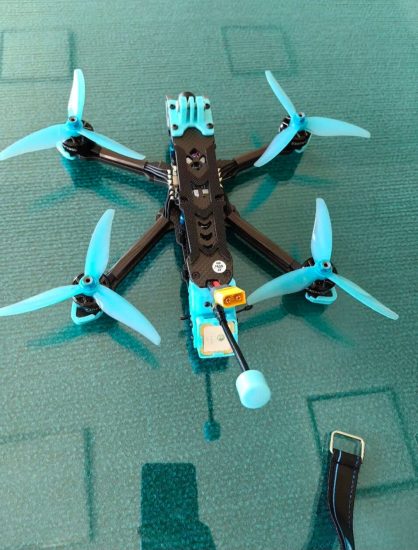
As drone technology continues to advance, the demand for heavy lift FPV UAV platforms is increasing across many industries. Unlike traditional small drones designed mainly for recreation or racing, heavy lift drones are engineered to carry larger payloads while maintaining stable flight and precise control.
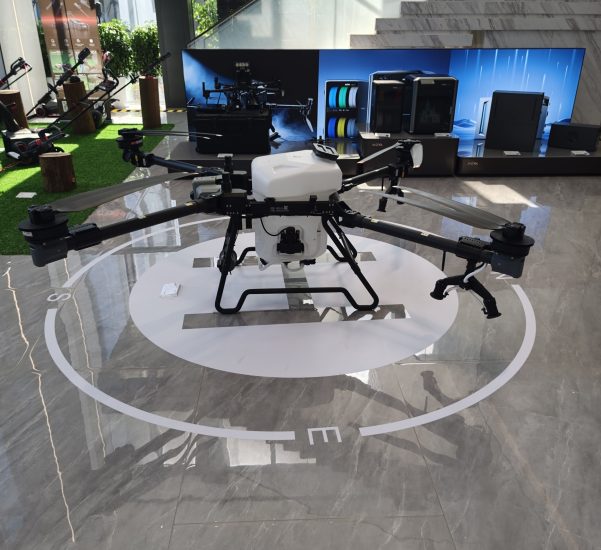
Heavy lift FPV UAV systems allow operators to transport equipment such as high-resolution cameras, sensors, communication devices, and specialized industrial tools. These drones combine powerful propulsion systems, durable frames, and advanced flight controllers to support demanding aerial missions.
With the addition of FPV (First-Person View) technology, operators can control the drone in real time while viewing live video from the onboard camera. This provides greater accuracy during complex operations such as aerial filming, infrastructure inspection, and remote cargo delivery.
This article explores the design, capabilities, and applications of heavy lift FPV UAV platforms and explains why they are becoming essential tools in professional drone operations.
What Is a Heavy Lift FPV UAV Platform?
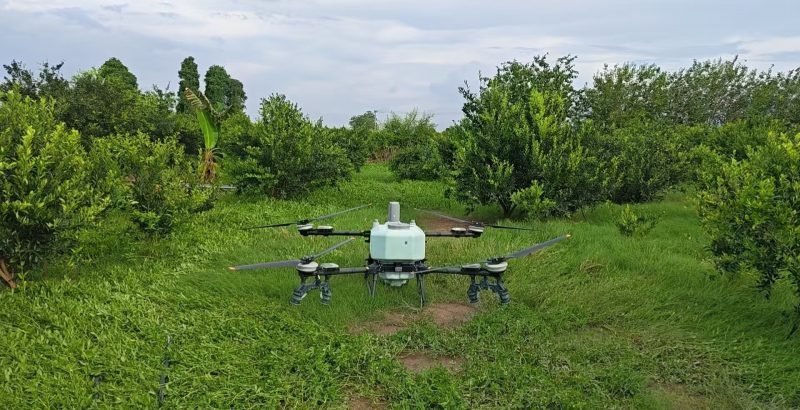
A heavy lift FPV UAV platform is an unmanned aerial system designed to carry significantly heavier payloads compared with standard drones.
Typical recreational drones carry small cameras weighing only a few hundred grams. In contrast, heavy lift UAVs are capable of lifting equipment weighing several kilograms.
These drones are commonly used for missions requiring:
- professional cinematography equipment
- industrial inspection sensors
- LiDAR mapping systems
- communication relay devices
- cargo transport
The integration of FPV control allows operators to maintain precise navigation even when carrying heavy payloads.
Key Features of Heavy Lift FPV Drones
Heavy lift drones require specialized engineering to ensure safe and stable operation.
Powerful Motor Systems
Heavy lift UAVs use high-performance brushless motors designed to generate strong thrust.
These motors allow the drone to:
- lift heavy payloads
- maintain stable altitude
- perform controlled movements during flight
High torque motors ensure the drone remains stable even when carrying additional equipment.
Large Propeller Design
Propellers play a critical role in generating lift.
Heavy lift drones often use large propellers to produce greater airflow and lifting power.
Advantages of larger propellers include:
- improved efficiency
- smoother flight performance
- reduced motor strain
This design allows the drone to lift heavier payloads while maintaining efficient energy use.
Reinforced Frame Structure
A strong frame is essential for supporting heavy loads.
Many heavy lift UAV platforms use reinforced carbon fiber frames because they provide:
- high strength
- low weight
- excellent vibration resistance
A rigid frame ensures stable flight even when carrying professional equipment.
Advanced Flight Control Systems
Heavy lift drones rely on sophisticated flight controllers to maintain stability.
These systems monitor various flight parameters such as:
- orientation
- acceleration
- altitude
- motor performance
The flight controller automatically adjusts motor speeds to keep the drone balanced during flight.
This is particularly important when transporting heavy payloads.
High Capacity Power Systems
Lifting heavy equipment requires significant energy.
Heavy lift drones are equipped with high-capacity battery systems that provide sufficient power for demanding missions.
Efficient energy management ensures the drone can complete operations safely.
Payload Capacity of Heavy Lift UAVs
The payload capacity of a heavy lift drone depends on its design and propulsion system.
Typical payload ranges include:
- Small heavy lift drones: 2–3 kg
- Medium industrial drones: 5–10 kg
- Large professional UAV platforms: 20 kg or more
Higher payload capacity allows the drone to carry specialized equipment required for professional missions.
Applications of Heavy Lift FPV UAV Platforms
Heavy lift FPV drones are widely used in professional industries.
Aerial Cinematography
Film production teams often require large cameras and stabilization systems to capture high-quality footage.
Heavy lift drones can carry professional cinema cameras and provide stable aerial shots for movies and documentaries.
Industrial Inspection
Industrial inspections sometimes require specialized sensors or monitoring equipment.
Heavy lift drones can transport inspection tools to difficult-to-reach areas such as:
- tall towers
- large industrial facilities
- offshore platforms
FPV control allows operators to position the drone accurately near inspection targets.
Mapping and Surveying
Advanced mapping technologies such as LiDAR sensors are often too heavy for small drones.
Heavy lift UAV platforms can carry these sensors to collect accurate geographic data.
These systems are widely used in:
- land surveying
- construction planning
- environmental monitoring
Cargo Delivery
In remote areas where transportation is difficult, drones can deliver essential supplies.
Heavy lift UAVs are capable of transporting items such as:
- medical equipment
- emergency supplies
- industrial tools
This capability makes them valuable for disaster response and remote logistics.
Communication Relay Systems
Heavy lift drones can carry communication equipment to create temporary signal relay stations.
These systems are useful during:
- emergency operations
- large public events
- disaster recovery missions
Advantages of Heavy Lift FPV UAV Platforms
Heavy lift drones offer several advantages over traditional aerial systems.
High Payload Flexibility
Operators can attach different equipment depending on mission requirements.
Precision Control
FPV systems provide real-time visual feedback, allowing accurate drone positioning.
Access to Difficult Locations
Drones can reach locations that are inaccessible to ground vehicles or human workers.
Cost Efficiency
Using drones reduces the need for expensive helicopters or heavy machinery.
Design Considerations for Heavy Lift Drones
Building or selecting a heavy lift drone requires careful planning.
Weight Distribution
Payload placement must be balanced to maintain stable flight.
Uneven weight distribution can cause flight instability.
Cooling and Heat Management
Heavy motors and electronic systems generate heat during operation.
Proper cooling ensures reliable long-term performance.
Safety Redundancy
Professional heavy lift drones often include backup systems such as redundant power circuits or multiple flight sensors.
These safety features reduce the risk of failure during missions.
Future Development of Heavy Lift UAV Technology
Drone technology is evolving rapidly, and heavy lift UAV platforms will continue to improve.
Future developments may include:
- higher efficiency propulsion systems
- longer flight endurance
- autonomous flight capabilities
- intelligent payload management
- improved obstacle detection
These innovations will expand the range of applications for heavy lift drone systems.
Conclusion
The heavy lift FPV UAV platform represents an important advancement in modern drone technology. With powerful motors, reinforced frames, and advanced flight control systems, these drones can carry large payloads while maintaining stable and precise flight.
Heavy lift drones are widely used in industries such as filmmaking, infrastructure inspection, mapping, and logistics. Their ability to transport equipment and perform complex aerial missions makes them valuable tools for professionals around the world.
As technology continues to evolve, heavy lift UAV platforms will become even more capable, opening new possibilities for aerial operations across many industries.
FAQ
What is a heavy lift drone?
A heavy lift drone is an unmanned aerial vehicle designed to carry large payloads such as cameras, sensors, or cargo.
How much weight can heavy lift drones carry?
Depending on the design, heavy lift drones can carry from several kilograms to more than 20 kilograms.
Why use FPV technology for heavy lift drones?
FPV systems provide real-time video that allows operators to control the drone precisely during complex missions.
What industries use heavy lift UAVs?
Industries such as film production, construction, surveying, and logistics commonly use heavy lift drones.
Are heavy lift drones safe to operate?
When designed properly and operated by trained pilots, heavy lift drones can operate safely and efficiently.


No comments yet