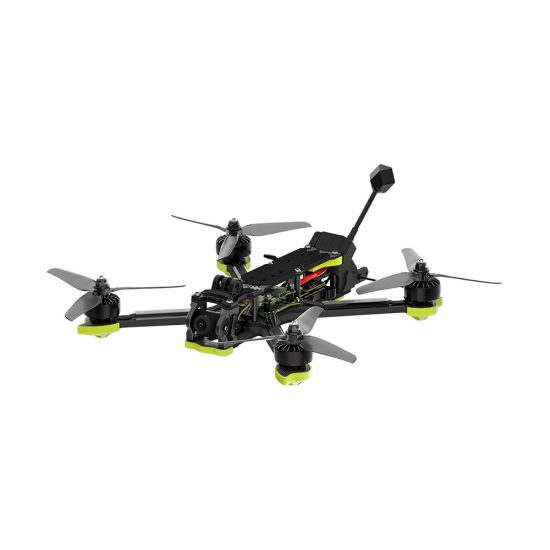


![Image [1]-FPV Drone with Long Battery Life-msoen](https://www.msoen.com/wp-content/uploads/2026/03/20260313111526655-1688_image_share_d09362d916e8050b97769b098f22801f.jpg)
![Image [2]-FPV Drone with Long Battery Life-msoen](https://www.msoen.com/wp-content/uploads/2026/03/20260312061519935-1000021247-768x1024.jpg)
![Image [3]-FPV Drone with Long Battery Life-msoen](https://www.msoen.com/wp-content/uploads/2026/03/20260312061517543-1000021254-1024x576.jpg)
![Image [4]-FPV Drone with Long Battery Life-msoen](https://www.msoen.com/wp-content/uploads/2026/03/20260312061408755-1000021266-768x1024.jpg)
![Image [5]-FPV Drone with Long Battery Life-msoen](https://www.msoen.com/wp-content/uploads/2026/03/20260312061408201-1000021267-1024x768.jpg)
![Image [6]-FPV Drone with Long Battery Life-msoen](https://www.msoen.com/wp-content/uploads/2026/03/20260312061424992-1000021265-1024x768.jpg)
High Endurance FPV UAV for Extended Flight Missions
📦 Quick Overview
Flight time is one of the most important factors when selecting an FPV drone. While traditional FPV drones are designed mainly for speed and agility, many pilots today are looking for an FPV drone with long battery life that can stay in the air for extended periods.
Long endurance FPV UAVs are especially useful for exploration, aerial filming, industrial inspection, and long-distance flight missions. With improved battery technology and efficient drone designs, modern FPV drones can achieve significantly longer flight times than earlier models.
A drone with long battery life allows pilots to cover larger areas, capture more footage, and perform longer missions without frequent battery changes. This article explains how long endurance FPV drones work, what affects battery life, and how to choose the best configuration for extended flight.
What Is an FPV Drone with Long Battery Life?
An FPV drone with long battery life is designed to maximize flight duration while maintaining stable video transmission and precise control.
In standard FPV racing drones, flight time is usually between 4 and 7 minutes because the drone focuses on high-speed performance.
However, long endurance FPV drones are optimized for:
- Energy efficiency
- Stable cruising speed
- Reduced power consumption
- Larger battery capacity
These improvements allow many long endurance FPV drones to achieve 15–30 minutes of flight time, depending on configuration and flying conditions.
Why Long Flight Time Matters
Extended flight time provides several important advantages.
Larger Coverage Area
Long battery life allows drones to explore larger regions without returning frequently for battery replacement.
This is particularly useful for:
- landscape exploration
- mountain flights
- environmental observation
Better Video Production
For aerial filmmakers, longer flight time means more opportunities to capture the perfect shot without rushing.
Extended flights allow smoother cinematic sequences.
Improved Operational Efficiency
For professional drone operations such as inspections or surveying, long flight time reduces downtime and increases productivity.
Operators can complete missions faster when the drone stays airborne longer.
More Enjoyable Flying Experience
Many FPV pilots simply enjoy longer flights because they can explore landscapes and practice flying skills without interruptions.
Key Technologies Behind Long Battery Life FPV Drones
Several design factors influence how long an FPV drone can stay in the air.
Efficient Motors
Motors designed for efficiency consume less power during flight.
Instead of focusing on extreme speed, long endurance drones use motors optimized for:
- smooth cruising
- low power consumption
- stable flight performance
Efficient motors significantly extend flight duration.
Larger Propellers
Propeller size has a direct impact on efficiency.
Larger propellers generate more lift while rotating at lower speeds, which reduces power consumption.
This allows the drone to maintain altitude while using less energy.
High Capacity Batteries
The most obvious factor affecting flight time is battery capacity.
High-capacity lithium batteries store more energy, enabling longer flights.
Many endurance drones use larger battery packs that balance weight and power efficiency.
Proper battery management is essential for safe and reliable operation.
Lightweight Frame Design
Reducing the weight of the drone improves flight efficiency.
Lightweight frames made from materials such as carbon fiber provide strength without unnecessary weight.
Lower weight means motors require less energy to maintain flight.
Aerodynamic Structure
An aerodynamic drone design reduces air resistance.
Smooth airflow around the drone allows it to maintain speed with lower energy consumption.
This design is especially important for long-range FPV drones.
Typical Flight Time of Long Endurance FPV Drones
The actual flight time of an FPV drone depends on several factors, including battery size, motor efficiency, and flying style.
Typical flight durations include:
- Racing FPV drones: 4–6 minutes
- Freestyle FPV drones: 6–10 minutes
- Long range FPV drones: 15–25 minutes
- High endurance drones: up to 30 minutes or more
Flying aggressively with rapid acceleration will reduce flight time, while smooth cruising flight will extend it.
Applications of Long Battery Life FPV Drones
Long endurance FPV drones are useful in many different fields.
Long Distance Exploration
Pilots can travel across large areas such as mountains, forests, or coastal regions.
Longer flight time allows deeper exploration without losing connection with the drone.
Aerial Photography and Cinematic Filming
Professional filmmakers prefer drones that can remain airborne longer.
Extended flight time allows complex aerial shots and smoother cinematic sequences.
Infrastructure Inspection
Long endurance drones are useful for inspecting large infrastructure such as:
- pipelines
- power lines
- bridges
- remote facilities
Extended flight capability reduces the need for multiple takeoffs.
Environmental Monitoring
Researchers and environmental teams can use long endurance drones to observe wildlife habitats, forests, and rivers.
Longer flights improve data collection efficiency.
How to Choose an FPV Drone with Long Battery Life
Selecting the right drone for long endurance flight requires careful consideration of several factors.
Battery Capacity
Look for drones that support high-capacity battery systems while maintaining safe weight balance.
Larger batteries provide longer flight time but must be compatible with the drone’s power system.
Motor Efficiency
Motors should provide enough thrust while remaining energy-efficient.
Efficient motors reduce energy waste and improve flight duration.
Frame Size
Larger frames generally support larger propellers and batteries, which increases efficiency.
Common long-range frame sizes include 6 inch and 7 inch drones.
Video Transmission Stability
Stable video transmission is essential during long flights.
Pilots must maintain clear visual feedback to safely control the drone.
Build Quality
Durable construction ensures reliable performance during long missions.
High-quality components reduce the risk of mid-flight failures.
Tips to Extend FPV Drone Flight Time
Even with a long endurance drone, pilots can further increase flight time by following several best practices.
Fly Smoothly
Aggressive throttle changes and rapid maneuvers consume more energy.
Smooth flying extends battery life.
Optimize Drone Weight
Remove unnecessary accessories that add extra weight.
Lighter drones require less power.
Maintain Batteries Properly
Proper battery charging and storage improve long-term performance.
Damaged or aging batteries may reduce flight time.
Monitor Weather Conditions
Strong wind increases power consumption.
Flying in calm conditions improves efficiency.
Future Developments in Long Endurance FPV Drones
Drone technology continues to improve, and long battery life will become even more achievable.
Future advancements may include:
- higher energy density batteries
- improved motor efficiency
- lighter structural materials
- advanced energy management systems
- smarter flight control software
These innovations will allow drones to remain airborne longer while maintaining reliable performance.
Conclusion
An FPV drone with long battery life provides significant advantages for exploration, filming, and professional aerial missions. By combining efficient motors, large propellers, lightweight frames, and high-capacity batteries, modern drones can achieve impressive flight durations.
Long endurance drones allow pilots to travel farther, capture more footage, and complete complex aerial missions with fewer interruptions.
As drone technology continues to advance, long battery life will remain one of the most important factors in the development of high-performance FPV UAV systems.
FAQ
How long can an FPV drone fly?
Flight time depends on the drone design and battery capacity. Racing drones typically fly for 4–6 minutes, while long endurance drones can fly 15–30 minutes.
What affects FPV drone battery life?
Battery capacity, motor efficiency, propeller size, drone weight, and flying style all affect flight time.
Can FPV drones be upgraded for longer flight time?
Yes. Pilots can upgrade batteries, propellers, and motors to improve efficiency and extend flight duration.
Are long battery life FPV drones slower?
Not necessarily. They are optimized for efficiency rather than extreme speed, but many still provide strong performance.
Are long endurance drones good for filming?
Yes. Longer flight time allows filmmakers to capture extended aerial sequences and cinematic shots.


No comments yet