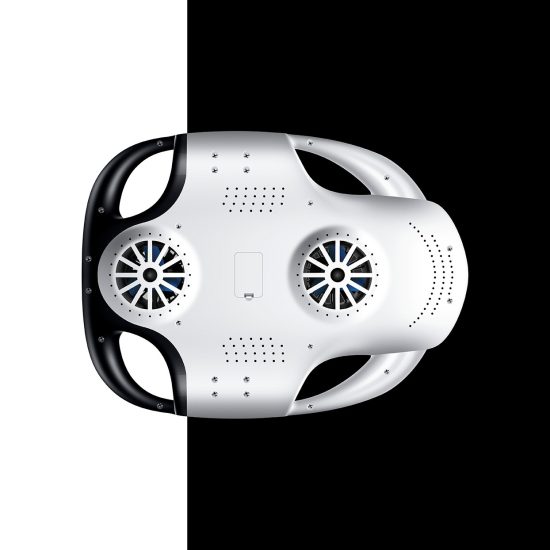



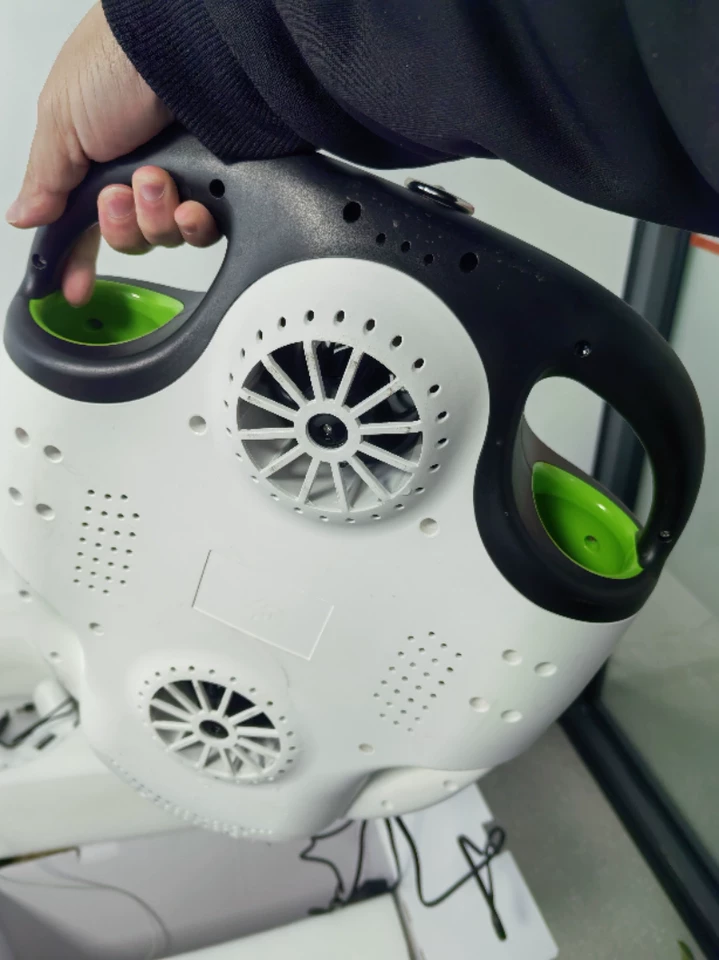
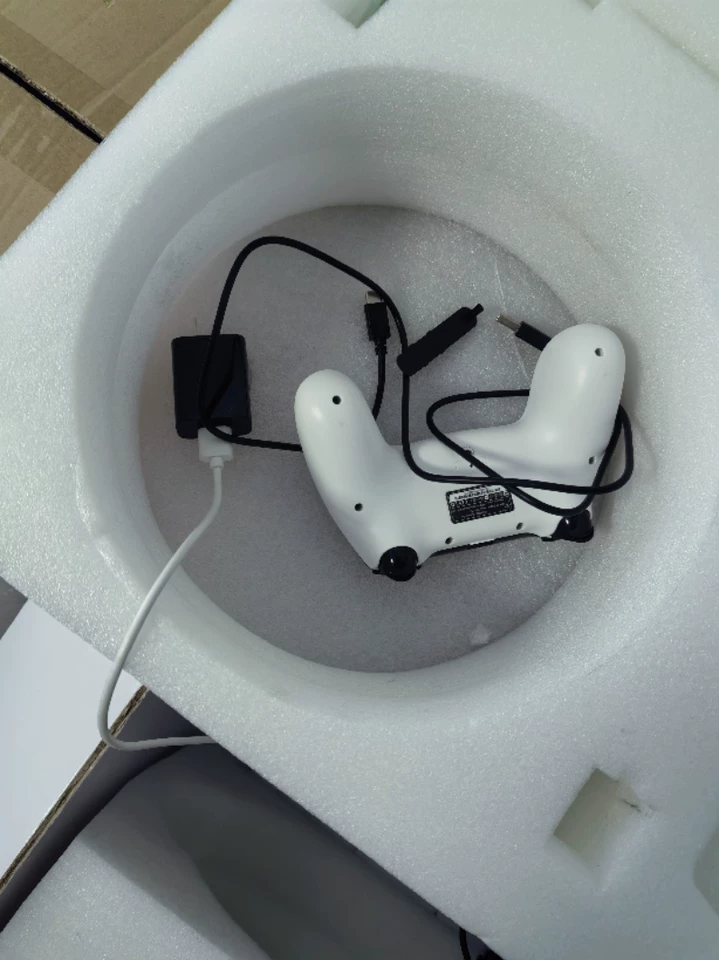
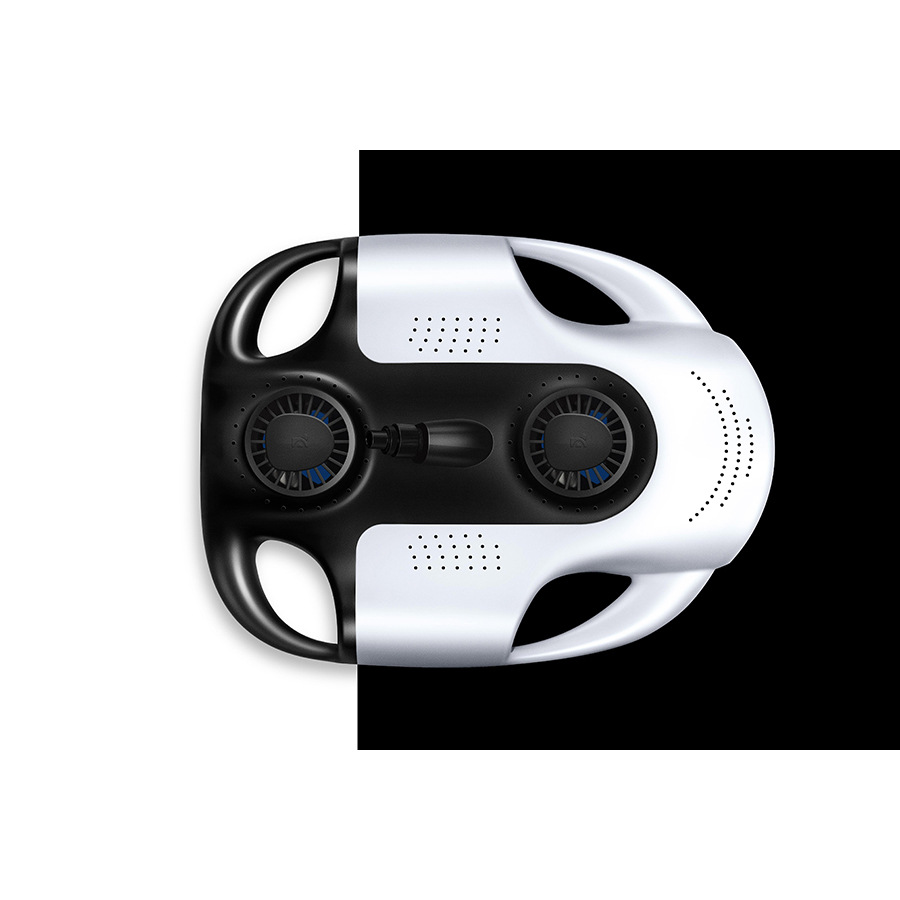

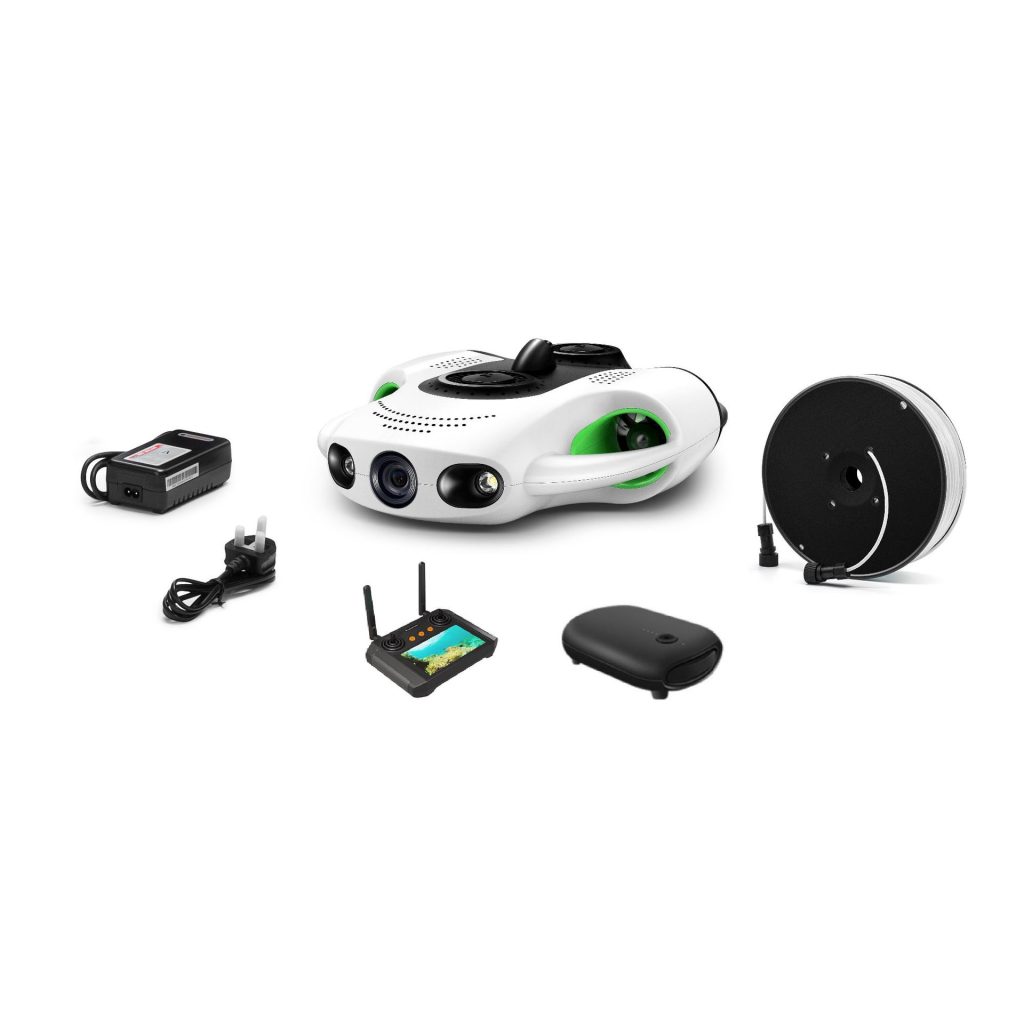
In recent years, China has emerged as a global leader in underwater drone (UUV/ROV) manufacturing, driven by advancements in marine exploration, defense, and commercial applications. These devices—equipped with cutting-edge sensors, AI-driven navigation, and robust propulsion systems—are transforming industries ranging from offshore oil exploration to marine conservation. This article delves into the technological prowess, production workflows, and market dynamics of China’s underwater drone factories, offering exclusive insights into their engineering marvels and operational excellence.
Section 1: Core Technologies Behind Underwater Drones
Modern underwater drones are marvels of engineering, combining robotics, hydrodynamics, and artificial intelligence. Below are the key technical specifications and innovations powering these devices:
1.1 Propulsion Systems
- Multi-axis Thruster Configuration: Advanced models feature 6–8 independently controlled thrusters (e.g., 4 horizontal + 4 vertical) for 360-degree maneuverability and stable hovering.
- Closed-Loop Control Algorithms: Precision depth control (±0.5m accuracy) and anti-current capabilities enable operations in turbulent environments.
- Battery Technology: Lithium-polymer (LiPo) batteries provide 6–12 hours of operational time, with fast-charging support (30-minute recharge for 80% capacity).
1.2 Imaging and Sensing
- 4K/8K Underwater Cameras: Equipped with low-light CMOS sensors (1/2.5-inch) and 160° wide-angle lenses for high-resolution imaging.
- Sonar Systems: Multibeam and side-scan sonars map underwater terrain with 0.1° angular resolution, detecting objects as small as 5cm at 100m depths.
- Environmental Sensors: Integrated CTD (Conductivity-Temperature-Depth) probes and dissolved oxygen meters support ecological monitoring.
1.3 Structural Design
- Material Selection: Aerospace-grade aluminum alloys and carbon fiber composites ensure corrosion resistance and lightweight durability (weight: 4–8kg).
- Modular Architecture: Swappable payloads (e.g., robotic arms, sample collectors) enable mission customization.
Section 2: Behind the Scenes – A Day at a Leading Manufacturing Facility
To understand China’s dominance in this sector, we examine the production lifecycle of a hypothetical factory (anonymized for confidentiality):
2.1 Design and Prototyping
- CAD Modeling: Engineers use SolidWorks and ANSYS for hydrodynamic simulations, optimizing hull shapes to minimize drag.
- Rapid Prototyping: 3D-printed prototypes undergo wind tunnel and wave tank testing to validate performance.
2.2 Component Procurement
- Critical Suppliers: High-performance magnets for thrusters, military-grade connectors, and optical-grade glass domes.
- Quality Control: Incoming materials undergo X-ray fluorescence (XRF) testing for impurities and stress testing for mechanical reliability.
2.3 Assembly Line Workflow
- Frame Assembly: Robotic arms weld titanium frames with ±0.01mm precision.
- Electronics Integration: PCB boards are programmed for real-time data transmission (via 2.4GHz/5.8GHz RF modules).
- Waterproofing: Pressure chambers simulate 500m depths to test seals and hatches.
2.4 Testing and Certification
- Functional Tests: Depth trials, obstacle avoidance drills, and thermal cycling (-20°C to 60°C).
- Certifications: Compliance with ISO 13628-7 (ROV standards) and CE/EMC certifications.
Section 3: Market Applications and Case Studies
Underwater drones are reshaping industries with their versatility. Below are real-world applications:
3.1 Offshore Energy
- Pipeline Inspection: Autonomous drones map subsea pipelines, detecting corrosion or leaks with LiDAR mapping.
- Wind Farm Maintenance: Visual inspections of offshore turbine foundations reduce human diving risks.
3.2 Marine Research
- Biodiversity Mapping: Multi-sensor payloads document coral reefs and marine life in high-definition.
- Hydrothermal Vent Exploration: Deep-sea drones collect temperature and chemical data in extreme environments.
3.3 Defense and Security
- Coastal Surveillance: AI-powered drones detect underwater intrusions or unexploded ordnance.
- Mine Countermeasures: Mine-hunting drones use synthetic aperture radar (SAR) to identify threats.
FAQ: Everything You Need to Know
Q1: How deep can underwater drones operate?
A: Consumer-grade models reach 100–150m, while industrial units exceed 3,000m (e.g., hydrothermal vent explorers).
Q2: What is the average lifespan of an underwater drone?
A: With proper maintenance, commercial drones last 5–8 years, though battery degradation may require replacement after 3 years.
Q3: Can drones operate in extreme conditions?
A: Yes—Arctic-grade drones withstand -30°C temperatures, while tropical models resist biofouling via UV-coated hulls.
Q4: How are drones serviced?
A: Modular design allows field replacements of thrusters or cameras. Manufacturers offer 24/7 remote diagnostics.
Technical Specifications Comparison Table
| Parameter | Model A (Consumer) | Model B (Industrial) |
|---|---|---|
| Max Depth | 150m | 3,000m |
| Battery Life | 6 hours | 18 hours |
| Thruster Configuration | 6x 450W | 8x 1,200W |
| Camera Resolution | 4K/30fps | 8K/60fps + SONAR |
| Payload Capacity | 5kg | 20kg |
| Price Range | $15,000–$25,000 | $150,000–$300,000 |
Section 4: Competitive Landscape and Innovations
China’s underwater drone market thrives on rapid innovation. Below are trends shaping the industry:
4.1 AI Integration
- Autonomous Navigation: Machine learning algorithms enable obstacle avoidance and mission planning without human intervention.
- Swarm Technology: Multiple drones collaborate for large-area surveys, such as mapping entire coral reefs in a single mission.
4.2 Sustainability
- Solar Hybrid Models: Solar panels extend deployment time in shallow waters.
- Biodegradable Materials: Eco-friendly casings reduce marine pollution.
4.3 Global Expansion
- Export Focus: 60% of production targets overseas markets (e.g., Middle East, Southeast Asia).
- Localization: Regional service centers in Dubai and Singapore ensure rapid after-sales support.
Future Outlook
By 2030, China’s underwater drone market is projected to exceed $5 billion, fueled by advancements in AI, renewable energy integration, and deep-sea exploration. As industries prioritize efficiency and safety, these devices will remain indispensable tools for unlocking the ocean’s secrets.
Conclusion
China’s underwater drone factories exemplify the nation’s technological ambition, combining precision engineering with scalable production. As the sector evolves, expect breakthroughs that redefine marine exploration and industrial applications. For businesses and researchers alike, partnering with these innovators offers a gateway to harnessing the ocean’s untapped potentia


No comments yet