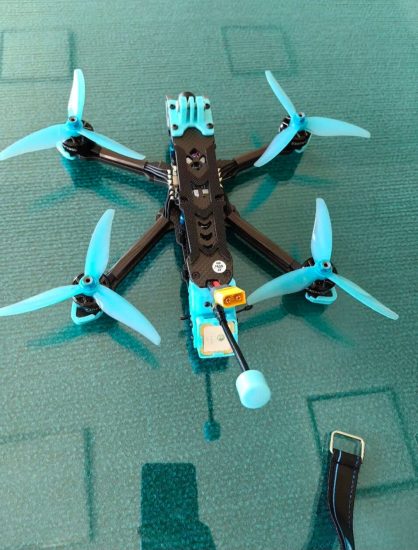


![Image [1]-Emergency Monitoring Drones-msoen](https://www.msoen.com/wp-content/uploads/2026/03/20260315020015725-Screenshot_20260314_192152_JDCOM-778x1024.jpg)
![Image [2]-Emergency Monitoring Drones-msoen](https://www.msoen.com/wp-content/uploads/2026/03/20260313111526655-1688_image_share_d09362d916e8050b97769b098f22801f.jpg)

![Image [4]-Emergency Monitoring Drones-msoen](https://www.msoen.com/wp-content/uploads/2026/03/20260313111522166-1688_image_share_c9b2514d2a9d7d17200461d88cea0a8f.jpg)
![Image [5]-Emergency Monitoring Drones-msoen](https://www.msoen.com/wp-content/uploads/2026/03/20260312061519935-1000021247-768x1024.jpg)
![Image [6]-Emergency Monitoring Drones-msoen](https://www.msoen.com/wp-content/uploads/2026/03/20260312061518363-1000021249-576x1024.jpg)
In an increasingly unpredictable world, emergencies such as natural disasters, industrial accidents, public safety incidents, and environmental crises require rapid response and accurate situational awareness. Traditional emergency monitoring methods often face limitations in speed, accessibility, and real-time data acquisition. Emergency monitoring drones have emerged as a powerful solution, transforming how emergency situations are assessed, managed, and resolved.
These unmanned aerial systems provide real-time aerial intelligence, enhance coordination among response teams, and significantly improve decision-making during critical events. Their ability to operate in dangerous and inaccessible environments makes them an indispensable tool in modern emergency management.
What Are Emergency Monitoring Drones?
Emergency monitoring drones are unmanned aerial vehicles specifically designed to support emergency response operations. They are equipped with advanced sensors, cameras, communication systems, and navigation technologies that allow them to gather and transmit real-time information.
These drones are used to monitor disaster zones, assess damage, locate individuals, and provide critical data to emergency teams. They can operate autonomously or under remote control, depending on the situation.
How Emergency Monitoring Drones Work
The operation of emergency monitoring drones involves a structured and efficient workflow:
1. Rapid Deployment
When an emergency occurs, drones can be quickly deployed to the affected area. Their fast launch capability is crucial for time-sensitive situations.
2. Flight and Data Collection
The drone flies over the disaster zone, capturing high-resolution images, video, thermal data, and environmental information.
3. Real-Time Transmission
Collected data is transmitted instantly to command centers, allowing emergency teams to monitor conditions in real time.
4. Situation Analysis
Operators and analysts interpret the data to understand the scope and severity of the emergency.
5. Coordinated Response
Based on the information provided by the drone, response teams can plan and execute effective actions.
Core Technologies Behind Emergency Monitoring Drones
High-Definition Cameras
These cameras provide clear visuals for assessing damage and monitoring conditions.
Thermal Imaging Sensors
Thermal sensors detect heat signatures, helping locate individuals and identify fire hotspots.
GNSS Navigation Systems
Accurate positioning ensures reliable operation in complex environments.
AI-Based Analytics
Artificial intelligence assists in identifying patterns, detecting anomalies, and prioritizing response actions.
Obstacle Avoidance Systems
Sensors allow drones to navigate safely through debris, buildings, and other obstacles.
Communication Systems
Reliable and secure communication ensures continuous data transmission.
Advantages of Emergency Monitoring Drones
Rapid Response
Drones can be deployed quickly, reducing the time needed to assess emergency situations.
Real-Time Awareness
Live data provides immediate insights, enabling faster decision-making.
Enhanced Safety
Drones reduce the need for personnel to enter hazardous environments.
Wide Area Coverage
They can monitor large disaster zones efficiently.
Cost Efficiency
Drones are more cost-effective than manned aircraft and large-scale ground operations.
Versatility
They can be used in a wide range of emergency scenarios.
Applications in Emergency Situations
Natural Disaster Response
Drones assess damage from earthquakes, floods, hurricanes, and wildfires.
Search and Rescue Operations
They help locate missing persons using visual and thermal imaging.
Fire Monitoring
Drones identify fire hotspots and track fire spread.
Industrial Accident Assessment
They monitor hazardous sites such as chemical plants and oil facilities.
Traffic and Accident Monitoring
Drones provide real-time data for managing road incidents.
Environmental Emergencies
They track pollution, oil spills, and ecological damage.
Comparison with Traditional Emergency Monitoring Methods
| Feature | Traditional Methods | Drone-Based Monitoring |
|---|---|---|
| Response Speed | Slow | Fast |
| Coverage Area | Limited | Extensive |
| Safety | Risky | Safer |
| Cost | High | Lower |
| Data Availability | Delayed | Real-Time |
Challenges and Limitations
Despite their many advantages, emergency monitoring drones face several challenges:
Weather Conditions
Extreme weather can affect flight stability and data quality.
Battery Limitations
Limited flight time requires efficient mission planning.
Regulatory Restrictions
Drone operations must comply with aviation laws and emergency protocols.
Communication Issues
Maintaining stable communication in disaster zones can be challenging.
Data Processing Requirements
Large amounts of data require rapid processing for effective use.
Best Practices for Emergency Drone Deployment
To maximize effectiveness, operators should follow these best practices:
- Establish clear deployment protocols
- Use thermal imaging for search operations
- Ensure reliable communication systems
- Maintain equipment readiness
- Train operators for emergency scenarios
- Integrate drones with emergency response systems
Future Trends in Emergency Monitoring Drones
Autonomous Emergency Systems
Future drones will operate independently, enabling faster response.
AI-Driven Decision Support
Artificial intelligence will enhance analysis and improve response strategies.
Extended Flight Time
Advances in battery technology will allow longer missions.
Real-Time Data Integration
Drones will integrate with emergency networks for seamless information sharing.
Advanced Sensor Development
New sensors will provide more detailed and accurate data.
Importance of Emergency Monitoring Drones
Emergency monitoring drones play a critical role in modern disaster management. Their ability to provide real-time, accurate, and wide-area data significantly improves the effectiveness of emergency response efforts.
By integrating drones into emergency systems, organizations can reduce risks, enhance coordination, and save lives. These benefits make them an essential tool in handling complex and time-sensitive situations.
Conclusion
Emergency monitoring drones have revolutionized the way emergencies are managed and monitored. Their combination of speed, intelligence, and flexibility makes them a powerful solution for modern crisis response.
As technology continues to advance, these drones will become even more capable, offering greater autonomy, improved detection, and enhanced integration with other systems. For organizations involved in emergency management, adopting drone-based monitoring solutions is a strategic and necessary step.
Emergency monitoring drones are not just a technological advancement—they represent the future of efficient, intelligent, and life-saving emergency response systems.






No comments yet