



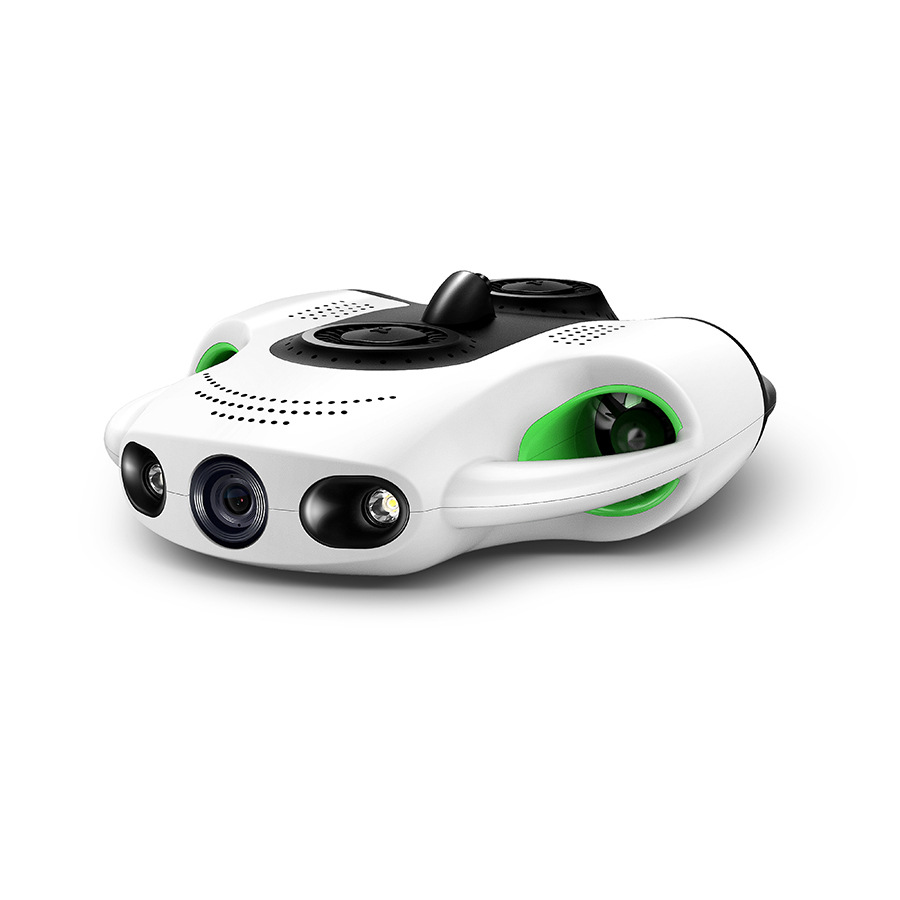
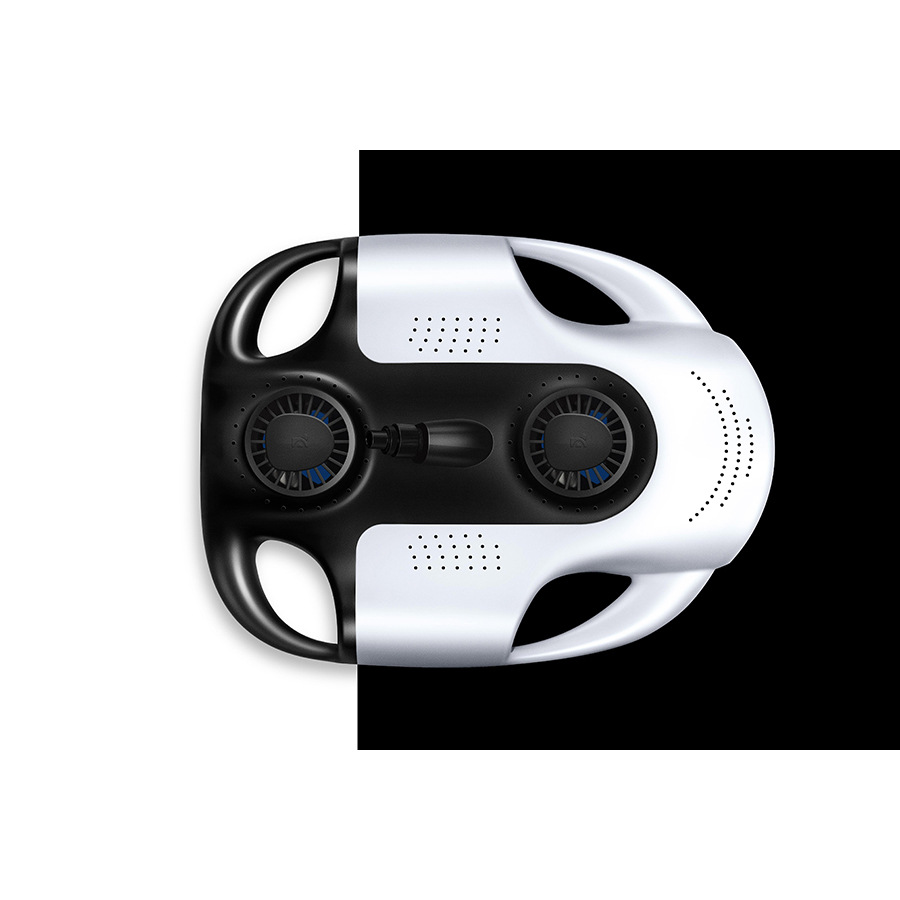

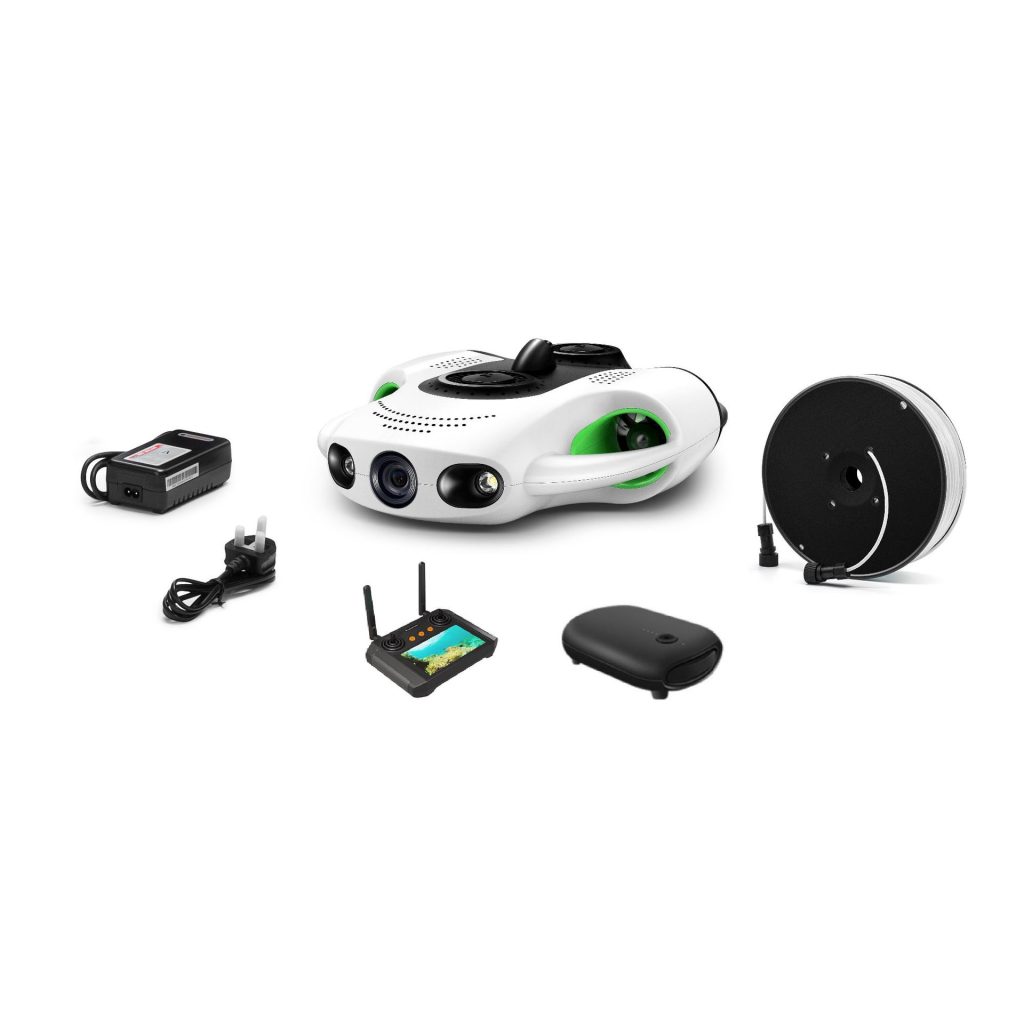

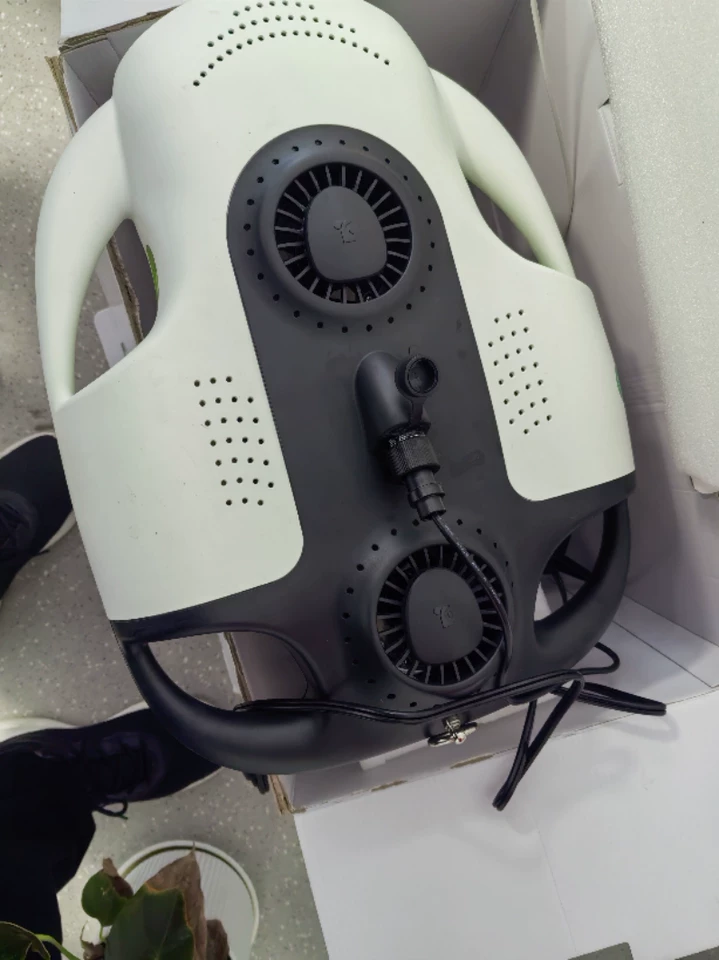
The global transition to renewable energy is accelerating, driven by the urgent need to achieve carbon peaking and carbon neutrality (“dual carbon goals”). Among renewable sources, offshore wind has emerged as a cornerstone, with global installed capacity surging from 34 GW in 2015 to 64 GW in 2023, according to the Global Wind Energy Council (GWEC). However, the harsh marine environment—characterized by strong currents, high salinity, and limited accessibility—poses significant challenges to the operation and maintenance (O&M) of offshore wind turbines. Traditional O&M methods, reliant on human divers and crewed vessels, are not only costly and time-consuming but also pose safety risks. Against this backdrop, underwater drones (also known as Autonomous Underwater Vehicles, AUVs) are revolutionizing offshore wind O&M, enabling cost reduction, efficiency enhancement, and supporting the dual carbon goals.
The Imperative of Offshore Wind O&M in the Dual Carbon Era
Offshore wind power is critical to achieving the dual carbon goals. It generates electricity with zero direct carbon emissions, and its scalability makes it a key component of national decarbonization strategies. For instance, China aims to reach 100 GW of offshore wind capacity by 2025, while the European Union targets 60 GW by 2030. However, the reliability of offshore wind turbines is paramount: any downtime translates to lost clean energy generation, undermining carbon reduction efforts.
Traditional O&M approaches face three major bottlenecks:
-
High Costs: Crewed vessels and divers account for 20–30% of total offshore wind project costs, with daily vessel rental fees exceeding $50,000.
-
Low Efficiency: Human divers can only work for 2–4 hours per dive due to safety limits, and adverse weather often delays operations.
-
Safety Risks: Divers face hazards such as decompression sickness, entanglement, and equipment failure, with accident rates 5–10 times higher than land-based jobs.
Underwater Drones: Technological Advantages Reshaping O&M
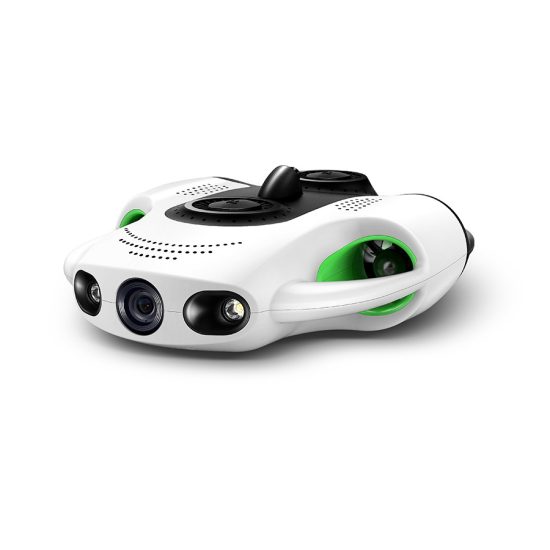
Underwater drones are autonomous or remotely operated submersibles equipped with advanced sensors, cameras, and propulsion systems. They address the limitations of traditional methods through several key innovations:
1. All-Weather, Long-Duration Operations
Unlike human divers, drones can operate continuously for 8–72 hours (depending on battery capacity) and withstand extreme conditions (waves up to 3 meters, winds up to 15 m/s). Solar-powered drones, such as the “SolarGlider,” extend endurance to weeks, enabling round-the-clock monitoring.
2. Precision Inspection with Multimodal Sensors
Modern drones integrate:
-
High-Resolution Cameras: Capture detailed images of turbine foundations, cables, and blades (resolution up to 4K).
-
Sonar Systems: Map seabed topography and detect buried cables or scouring (sediment erosion around foundations).
-
Corrosion Sensors: Measure metal thickness and corrosion rates using ultrasonic or eddy current technology.
-
Thermal Imagers: Identify overheating components (e.g., gearboxes, generators) indicative of mechanical faults.
3. AI-Driven Predictive Maintenance
By collecting vast amounts of data (e.g., vibration, temperature, corrosion rates), drones enable predictive analytics. Machine learning algorithms analyze historical data to forecast failures—such as blade cracks or bearing wear—allowing proactive repairs before catastrophic breakdowns occur. This reduces unplanned downtime by 30–50%.
Applications in Offshore Wind O&M
Underwater drones are transforming five critical aspects of offshore wind O&M:
1. Foundation Inspection
Turbine foundations (monopiles or jackets) are prone to corrosion and biofouling (accumulation of marine organisms). Drones perform regular inspections to assess coating integrity and structural stability. For example, Equinor, a Norwegian energy giant, uses drones to inspect its Hywind floating wind farm. In 2023, drones detected a 2-mm crack in a monopile foundation that was invisible to the naked eye, enabling timely welding repairs and avoiding potential collapse.
2. Subsea Cable Maintenance
Subsea power cables transmit electricity from turbines to onshore grids but are vulnerable to damage from anchors, fishing gear, or natural disasters. Drones equipped with sonar and magnetic anomaly detectors locate cable breaches or insulation degradation. In the UK’s Hornsea Project One (the world’s largest offshore wind farm), drones reduced cable inspection time from 7 days (using crewed vessels) to 24 hours, cutting costs by £200,000 per inspection.
3. Blade and Hub Assessment
Wind turbine blades endure cyclic loading and saltwater exposure, leading to erosion and delamination. Drones fitted with 3D scanners capture blade geometry changes with millimeter precision. Ørsted, a Danish developer, uses drones to inspect blades at its Borssele wind farm. In 2023, drones identified erosion patterns on 15 blades, guiding targeted repairs that extended blade lifespan by 3 years.
4. Environmental Monitoring
Drones collect data on marine ecosystems (e.g., coral growth, fish populations) to ensure compliance with environmental regulations. For instance, China’s State Power Investment Corporation (SPIC) uses drones to monitor the impact of its offshore wind farms on local fisheries, balancing clean energy generation with ecological protection.
5. Emergency Response
In case of accidents (e.g., turbine collapse or oil leaks), drones quickly survey the scene, assess damage, and guide rescue teams. During a 2022 typhoon in Taiwan, drones located a damaged turbine within 2 hours, enabling crews to secure the site and prevent further pollution.
Case Studies: Real-World Impact
Case 1: Equinor’s Hywind Floating Wind Farm (Norway)
Equinor deployed underwater drones to inspect its 11-turbine Hywind farm, the world’s first commercial floating wind project. Drones performed quarterly inspections of foundations and mooring lines, reducing inspection costs by 40% compared to crewed vessels. In 2023, drones detected a loose mooring chain on one turbine, preventing it from drifting into shipping lanes.
Case 2: Hornsea Project One (UK)
Owned by Ørsted, Hornsea Project One (1.2 GW capacity) uses drones for cable and foundation inspections. In 2023, drones completed a full-site survey in 5 days—half the time required by traditional methods—enabling faster fault detection and repair. This contributed to a 99.8% operational availability rate, maximizing clean energy output.
Case 3: SPIC’s Rudong Offshore Wind Farm (China)
SPIC’s Rudong farm (800 MW capacity) employs drones for blade erosion monitoring. By analyzing 3D scan data, engineers identified high-erosion zones and applied protective coatings, extending blade replacement cycles from 20 to 25 years. This reduced lifecycle costs by $1.2 million per turbine.
Challenges and Solutions
Despite their advantages, underwater drones face technical and regulatory hurdles:
Technical Challenges
-
Battery Life: Most drones operate for <12 hours, limiting survey range. Solution: Develop hydrogen fuel cell-powered drones (e.g., “Hydronaut”) with 72-hour endurance.
-
Communication: Underwater acoustic signals are slow and prone to interference. Solution: Use laser-based optical communication for real-time data transmission.
-
Navigation: Strong currents disrupt flight paths. Solution: Integrate advanced inertial navigation systems (INS) with Doppler velocity logs (DVL) for centimeter-level positioning.
Regulatory Barriers
Many countries lack clear guidelines for drone operations in offshore wind farms. The International Maritime Organization (IMO) is developing standards for unmanned marine systems, but implementation remains fragmented. Industry associations (e.g., Global Wind Organisation) are advocating for unified regulations to accelerate adoption.
Future Trends: AI, Swarm Robotics, and Digital Twins
The next decade will see underwater drones evolve toward greater autonomy and intelligence:
1. AI-Powered Decision-Making
Drones will integrate edge computing and AI chips to make real-time decisions (e.g., adjusting inspection routes based on current conditions). For example, a drone detecting a sudden increase in corrosion rates could automatically trigger a detailed scan of the affected area.
2. Swarm Robotics
Multiple drones will collaborate in swarms to cover large areas efficiently. MIT’s “RoboBee” project demonstrated a swarm of 100 drones surveying 1,000 km² of seabed in one week—equivalent to 200 human divers working for a month.
3. Digital Twins
Drones will feed data into digital twin models of wind farms—virtual replicas that simulate turbine performance under various conditions. This enables predictive maintenance and optimization of O&M schedules. For instance, a digital twin could predict that a turbine will require blade repairs in 6 months, allowing crews to plan resources in advance.
Conclusion
Underwater drones are pivotal to achieving the dual carbon goals by making offshore wind O&M safer, cheaper, and more efficient. By replacing risky human dives with autonomous inspections, drones reduce costs by 30–50%, minimize downtime, and enhance safety. As technology advances—through AI, swarm robotics, and digital twins—their role will expand, enabling larger-scale offshore wind deployment and accelerating the transition to a carbon-neutral future.
However, realizing this potential requires collaboration between industry, governments, and researchers. Standardized regulations, public-private partnerships, and continued investment in R&D are essential to overcome current challenges. With the right support, underwater drones will not only safeguard offshore wind assets but also help build a resilient, low-carbon energy system for generations to come.
THE END


No comments yet