


The global drone market is undeniably dominated by Chinese manufacturers. From consumer-friendly quadcopters to heavy-duty agricultural and industrial heavy-lifters, Chinese drones offer unmatched technology, robust supply chains, and competitive pricing.
However, for international buyers, wholesalers, and enthusiasts, navigating the massive sea of options can be overwhelming. Buying the wrong drone means wasting capital on features you don’t need—or worse, getting a machine that fails your operational requirements.
To help you avoid common pitfalls (“stepping on landmines”), here is a comprehensive breakdown and selection framework to help you choose the perfect drone based on your exact needs.
The 4 Tiers of Chinese Drones: Which One Fit Your Needs?
1. The Entry-Level / Consumer Tier
- Target User: Hobbyists, content creators, and retail tech shops.
- Key Focus: Portability, ease of use, high-quality camera (4K), and intelligent obstacle avoidance.
- What to Look For: Look for brands that offer robust app support, 3-axis mechanical gimbals, and sub-249g weights (to bypass strict registration laws in many Western countries).
2. The Advanced / Prosumer Tier
- Target User: Professional photographers, real estate videographers, and semi-pro pilots.
- Key Focus: Extended flight time, superior low-light camera sensors (1-inch or Micro Four Thirds), and longer transmission ranges.
- What to Look For: Advanced tracking algorithms, dual-frequency transmission to fight urban signal interference, and modular payload options (like interchangeable lenses).
3. The Enterprise / Industrial Tier (Inspections & Mapping)
- Target User: Surveying engineers, power grid inspectors, and search & rescue teams.
- Key Focus: Centimeter-level accuracy (RTK), thermal imaging, and IP-rated weatherproofing (rain/dust resistance).
- What to Look For: High-accuracy LiDAR payloads, long-range encrypted data transmission, and software compatibility with mapping tools like Pix4D.
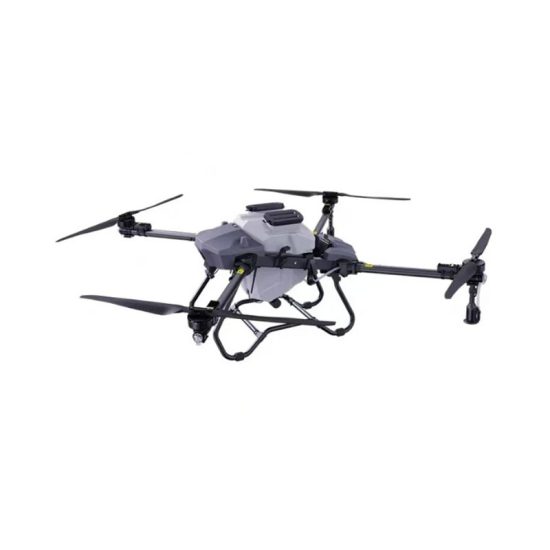
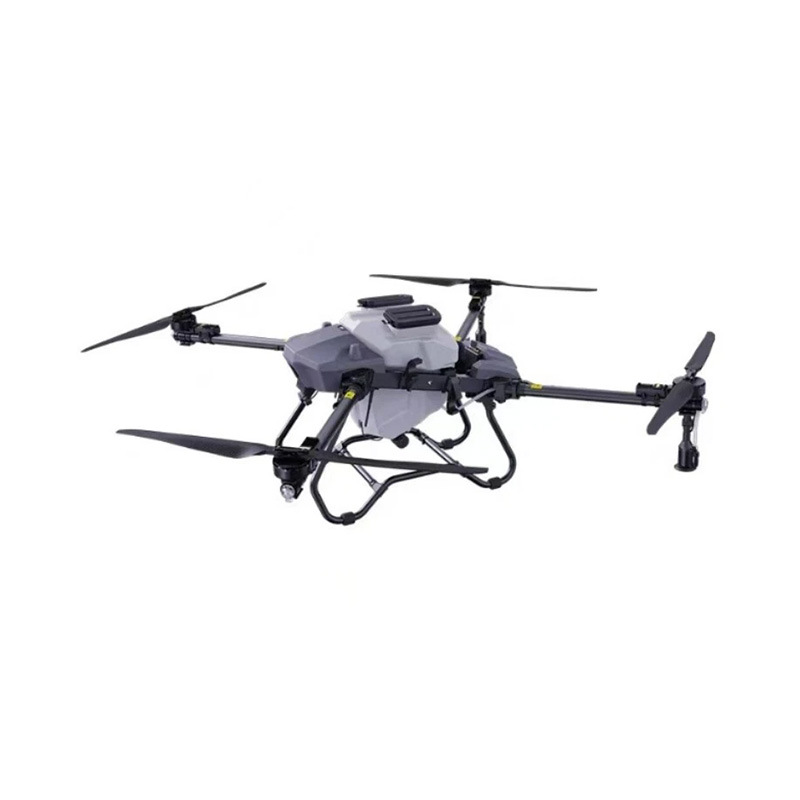
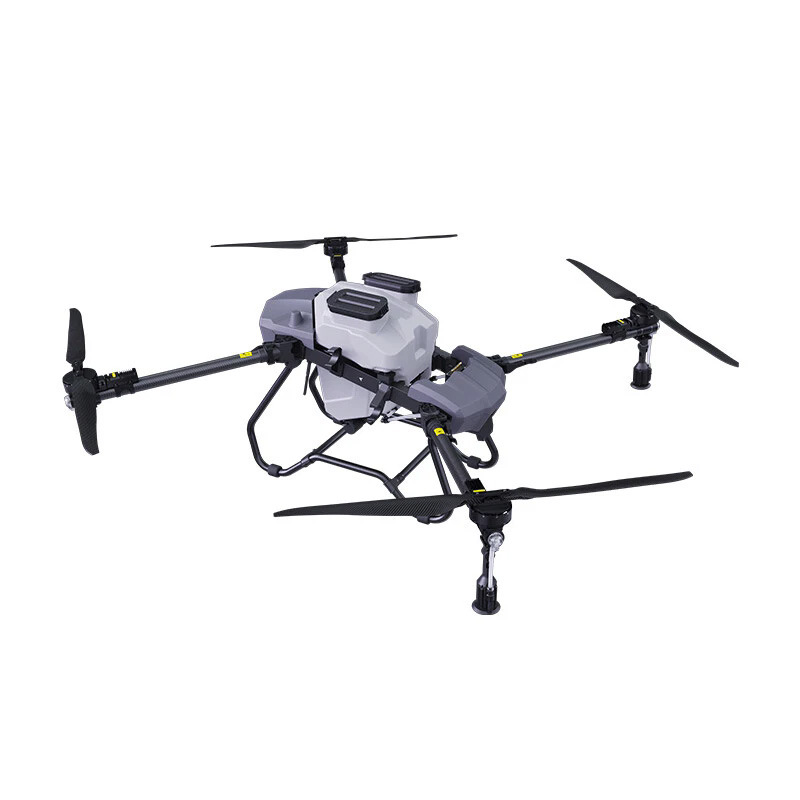
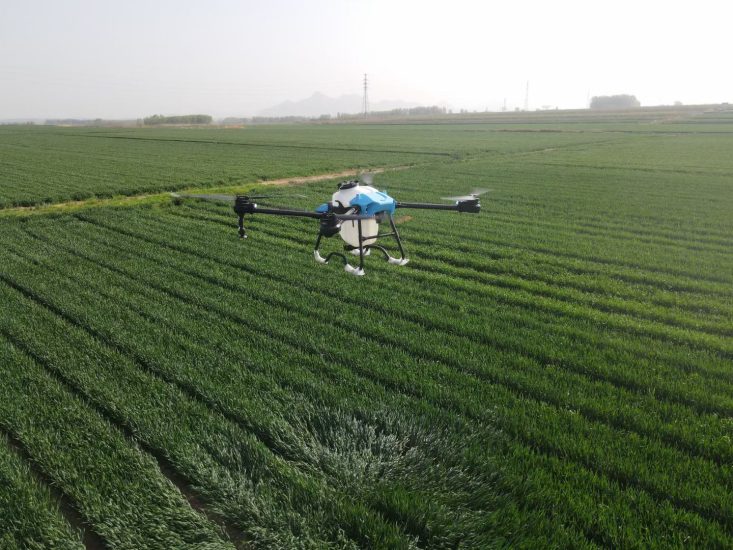
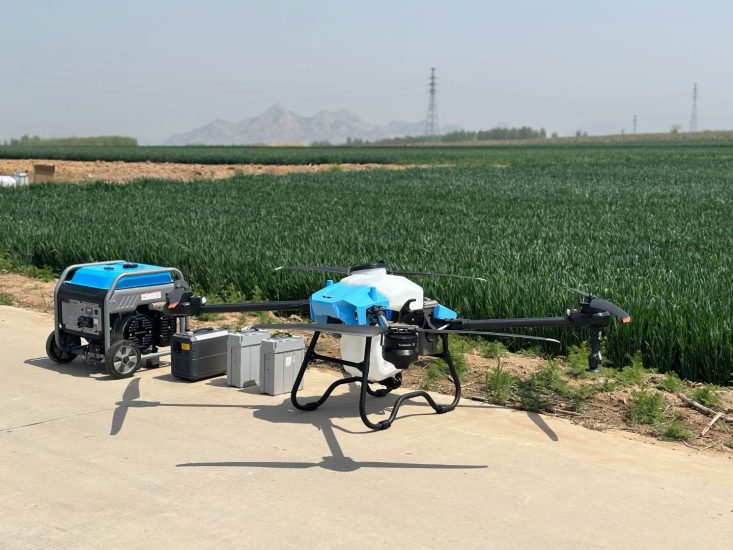
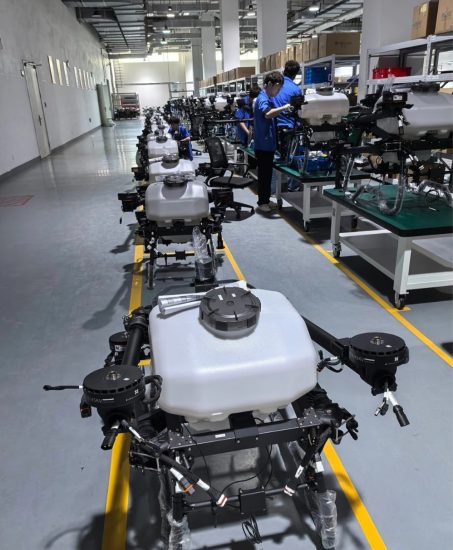
4. The Heavy-Duty Agricultural Tier
- Target User: Large-scale farmers, agricultural cooperatives, and B2B agro-tech distributors.
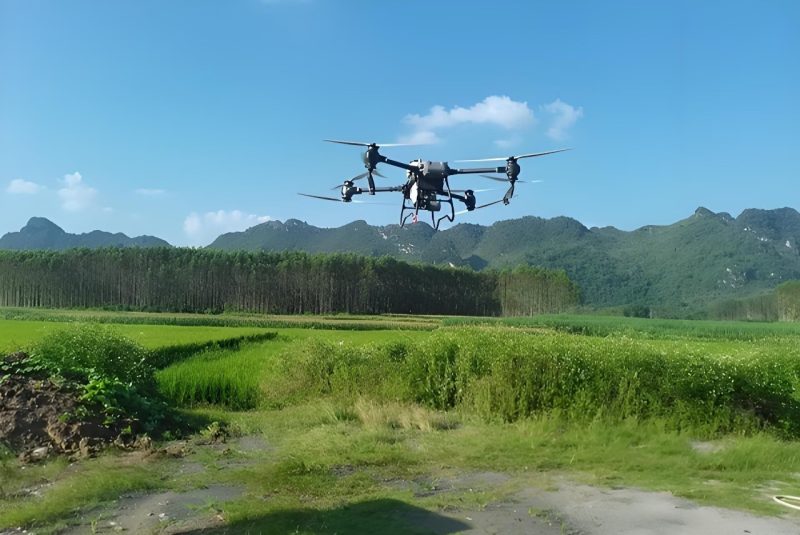
- Key Focus: Payload capacity (liter/kilogram capacity for spraying), durability against chemical corrosion, and autonomous swath operation.
- What to Look For: Radar-based terrain following, high-flow atomizing nozzles, and fast-charging battery ecosystems to maximize daily field coverage.
The Ultimate Drone Selection Matrix
|
Drone Grade |
Core Application |
Key Specs to Prioritize |
Common Traps to Avoid |
|---|---|---|---|
|
Consumer |
Travel vlogging, casual aerial photography |
Weight (<249g), Gimbal stability, App UX |
Choosing cheap “toy” drones with digital stabilization instead of mechanical gimbals. |
|
Prosumer |
Commercial video, weddings, real estate |
Sensor size (1″ or larger), Battery life (40+ mins) |
Ignoring local airspace laws regarding heavier drones. |
|
Enterprise |
Mapping, solar panel/powerline inspection |
RTK positioning, Thermal/Zoom dual cameras |
Buying a drone with closed software that doesn’t allow third-party data processing. |
|
Agricultural |
Crop spraying, liquid/granule spreading |
3 Golden Rules to Avoid Sourcing Pitfalls
To ensure a smooth purchasing or importing experience, keep these three strategic factors in mind:
- Verify Certification Early: If you are importing drones into regions like North America or Europe, ensure the manufacturer provides valid CE, FCC, or UKCA certifications. Operating or selling uncertified wireless transmission equipment can lead to customs seizures.
- Evaluate the Battery Ecosystem: A drone is only as good as its operational uptime. For professional and industrial use, look at the “charge-to-fly” ratio. Choose systems that offer smart, fast-charging stations so you can maintain continuous cycles with 3-4 batteries.
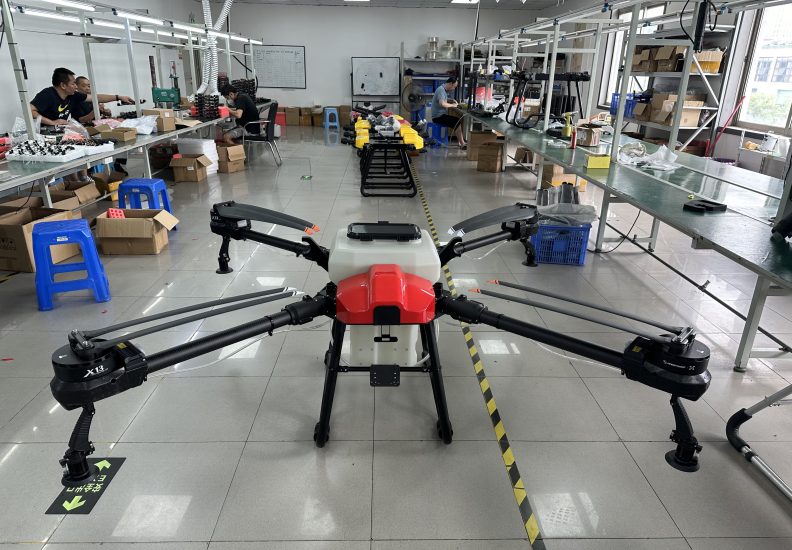
- Prioritize After-Sales and Parts Availability: Drones operate in harsh environments; components will wear out or break. Before committing to a supplier, confirm their lead times for critical spares like propellers, landing gears, and motor arms.


No comments yet