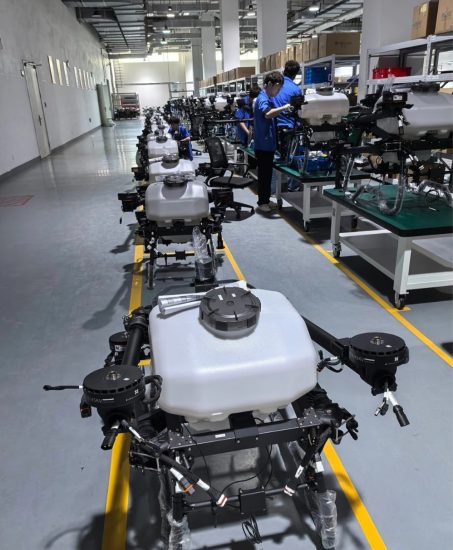


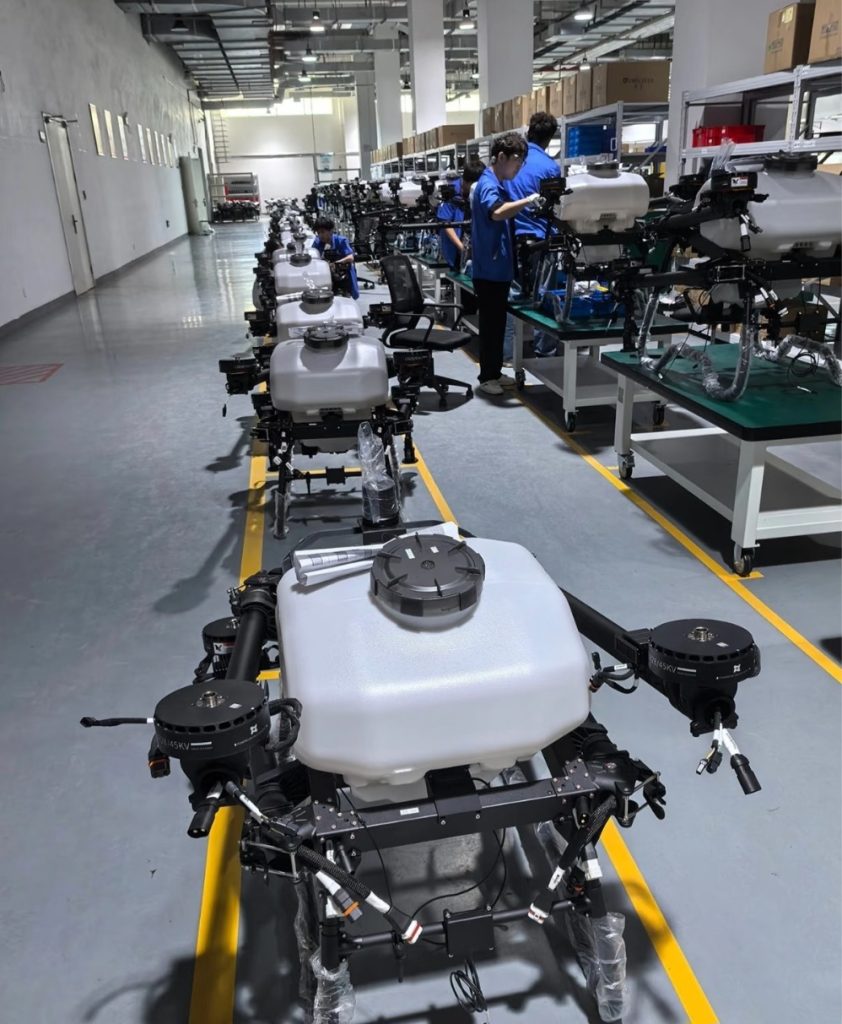
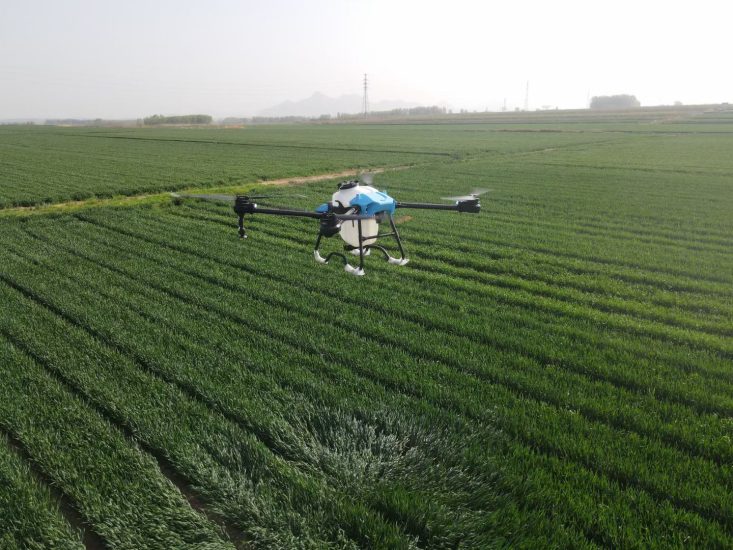
Agricultural spraying drones have become an increasingly popular solution for crop protection, fertilizer application, and precision agriculture. For farmers, agricultural service companies, importers, and distributors, one of the first questions is usually simple:
How much does an agricultural spraying drone cost?
The answer depends on much more than the drone itself. Payload capacity, battery configuration, spraying system, flight-control technology, accessories, spare parts, customization, order quantity, and destination country can all affect the final cost.
This guide explains the major factors that determine agricultural spraying drone prices and what buyers should consider when comparing quotations from manufacturers and suppliers.
1. Agricultural Spraying Drone Price Depends on the Configuration
There is no universal price for an agricultural drone because different models are designed for different applications.
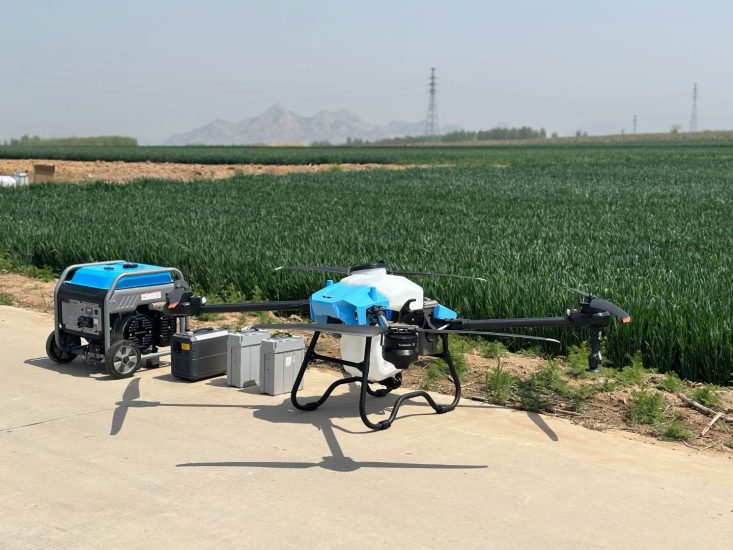
A basic agricultural spraying drone may include only the aircraft, while a complete commercial package may include:
-
Agricultural spraying drone
-
Intelligent batteries
-
Battery charger
-
Remote controller
-
Spraying system
-
Nozzles
-
Pumps
-
Spare parts
-
Flight-control accessories
-
Transport case
-
User manuals
-
Training or technical support
Therefore, two drones with similar-looking specifications may have significantly different prices.
When comparing suppliers, always confirm exactly what is included in the quotation.
2. Payload Capacity Is a Major Price Factor
Payload capacity is one of the most important factors affecting the price of agricultural spraying drones.
Common capacities include:
-
10L
-
16L
-
20L
-
30L
-
40L
-
Larger commercial configurations
Generally, higher-capacity drones require larger frames, stronger motors, larger batteries, and more powerful spraying systems.
However, the largest model is not always the best choice.
For smaller farms or specialized applications, a compact drone may be easier to transport and operate.
For large agricultural operations, a higher-capacity model may reduce refill frequency and improve productivity.
The right capacity should be selected according to the size of your operation rather than simply choosing the largest available model.
3. Battery Cost Can Significantly Affect the Total Investment
One of the most overlooked costs when buying an agricultural drone is the battery system.
Agricultural drones typically require high-capacity batteries capable of supporting heavy payloads and repeated flight operations.
The battery package may include:
-
Intelligent lithium battery
-
Battery management system
-
Charger
-
Charging cables
-
Protective equipment
Commercial operators may need multiple batteries.
For example, purchasing one drone with only one battery may not provide sufficient operating time for a full working day.
A better approach is to calculate the complete operating package.
Instead of asking:
How much does the drone cost?
Ask:
How much does a complete operating system cost?
This provides a much more useful comparison.
4. Charger Configuration Also Matters
Different agricultural drone systems may use different charging solutions.
A standard charger may be suitable for occasional use, while commercial operators may require a high-speed or multi-battery charging system.
When requesting a quotation, ask:
-
Charging time
-
Number of batteries supported
-
Input power requirements
-
Charging temperature requirements
-
Safety functions
-
Compatibility with local electrical standards
If you are importing the drone, make sure the charging equipment is compatible with the electrical system in your destination market.
5. Spraying System Affects the Price
The spraying system is another important part of the total cost.
A complete system may include:
-
Pump
-
Spray pipes
-
Nozzles
-
Filters
-
Flow meters
-
Pressure-control components
-
Electronic flow control
Different spraying configurations may be designed for different crops and applications.
For example, applications involving rice, vegetables, orchards, or other crops may require different spraying strategies.
A buyer should not compare agricultural drones only by tank capacity. The quality and configuration of the spraying system are equally important.
6. Flight-Control Technology Can Change the Cost
Agricultural drones with advanced navigation and automation systems may cost more than basic models.
Potential technologies include:
-
GNSS positioning
-
RTK positioning
-
Automatic route planning
-
Terrain following
-
Obstacle detection
-
Automatic return-to-home
-
Intelligent flight control
-
Automatic spraying control
-
Low-battery protection
For professional operations, these features can reduce operator workload and improve repeatability.
However, buyers should determine whether each technology is actually useful for their operating environment.
There is no need to pay for features that do not provide practical value for your specific application.
7. Agricultural Drone Motor and Propeller Configuration
The propulsion system affects both performance and cost.
A professional agricultural spraying drone may require high-performance:
-
Motors
-
Electronic speed controllers
-
Propellers
-
Power distribution systems
A larger payload requires greater lifting capacity.
When comparing products, ask the manufacturer about motor specifications, recommended payload, maintenance requirements, and replacement-part availability.
This is particularly important for commercial agricultural operators who expect frequent daily operation.
8. Spare Parts Should Be Included in Your Budget
Agricultural drones operate in demanding environments.
Over time, certain components may need replacement.
Common spare parts include:
-
Propellers
-
Motors
-
Pumps
-
Nozzles
-
Filters
-
Landing gear
-
Batteries
-
Chargers
-
Spray pipes
-
Electronic components
A buyer should estimate spare-parts costs before making a purchasing decision.
For distributors, it is often useful to order commonly required spare parts together with the first shipment.
This can reduce downtime and improve customer service.
9. OEM and ODM Customization Can Increase the Price
If you are buying agricultural drones for your own brand, OEM and ODM services may affect the total cost.
Customization may include:
-
Logo printing
-
Product labeling
-
Packaging
-
User manuals
-
Color customization
-
Accessories
-
Software interface
-
Product appearance
The cost depends on the level of customization and order quantity.
For small orders, customization costs may be relatively high because development and setup expenses are distributed across fewer units.
For larger orders, the average customization cost per unit may become lower.
Therefore, distributors should discuss MOQ and customization requirements with the manufacturer before requesting a final quotation.
10. MOQ Can Affect the Unit Price
Manufacturers usually offer different prices depending on order quantity.
For example, the price for:
-
One sample
-
Five units
-
Ten units
-
Fifty units
-
Larger distributor orders
may be different.
A manufacturer may provide a sample at a higher unit price and offer a lower price for bulk orders.
When negotiating, don’t focus only on the first quotation.
Ask the supplier for quantity-based pricing so you can understand how the unit cost changes as your order volume increases.
11. Shipping Costs Are Part of the Real Purchase Cost
An agricultural drone quotation from a Chinese manufacturer may not include international shipping.
The total landed cost can include:
Product Price + Packaging + Domestic Transportation + International Freight + Customs Duties + Taxes + Destination Charges
The final cost depends on:
-
Destination country
-
Shipping method
-
Shipment quantity
-
Package dimensions
-
Battery configuration
-
Incoterms
-
Customs requirements
Lithium batteries can also be subject to special transportation requirements, so buyers should confirm shipping arrangements with the supplier and freight provider before placing an order.
12. Incoterms Can Change the Final Price
When comparing quotations, check the Incoterm.
Common terms include:
-
EXW
-
FOB
-
CIF
-
DAP
-
DDP
An EXW price may look cheaper because it may exclude transportation and export-related costs after the goods leave the factory.
A DDP quotation may look higher because more costs are included.
Therefore, comparing EXW from one supplier with DDP from another supplier can lead to an inaccurate conclusion.
Always compare quotations under the same delivery conditions.
13. Factory Direct Pricing vs Trading Company Pricing
Buyers may receive quotations from:
-
Manufacturers
-
Trading companies
-
Export companies
-
Distributors
A direct manufacturer may offer more direct communication regarding:
-
Product customization
-
Production
-
Technical specifications
-
Spare parts
-
OEM/ODM
-
Quality control
However, a trading company may also provide useful sourcing and logistics services.
The important point is to verify what the supplier can actually provide instead of choosing purely based on the lowest price.
14. Certification and Compliance Costs
Agricultural drones are aviation-related equipment, and requirements vary by destination market.
Depending on the country, buyers may need to consider:
-
Drone registration
-
Radio equipment requirements
-
Import regulations
-
Product certifications
-
Battery transportation requirements
-
Agricultural chemical application regulations
-
Pilot requirements
-
Local operating permissions
The manufacturer should provide available technical documents and certifications where applicable.
However, buyers should independently confirm the regulations applicable in their destination market.
15. Training and After-Sales Service Have Real Value
The purchase price should not be the only consideration.
A supplier offering:
-
Operator training
-
Technical documentation
-
Remote support
-
Troubleshooting
-
Spare parts
-
Warranty
-
Software updates
may provide greater long-term value than a supplier offering a slightly lower initial price.
This is particularly important for first-time agricultural drone buyers.
A drone that cannot be operated correctly will not generate the expected productivity, regardless of its purchase price.
16. Commercial Operators Should Calculate Cost Per Hectare
For professional agricultural service providers, a more useful metric is often the operating cost per hectare rather than the purchase price alone.
Consider:
-
Drone depreciation
-
Battery replacement
-
Electricity
-
Maintenance
-
Spare parts
-
Labor
-
Transportation
-
Chemical or fertilizer costs
-
Downtime
A drone with a higher initial purchase price may still be economically attractive if it provides higher productivity and lower operating costs.
This is why buyers should evaluate the complete business model rather than focusing only on the unit price.
17. How to Compare Two Agricultural Drone Quotations
Suppose two suppliers provide different quotations.
Supplier A offers a lower price.
Supplier B offers a higher price.
Instead of immediately choosing Supplier A, compare:
Item |
Supplier A |
Supplier B |
|---|---|---|
Payload |
Check |
Check |
Flight time |
Check |
Check |
Battery quantity |
Check |
Check |
Charger |
Check |
Check |
Spraying system |
Check |
Check |
Navigation |
Check |
Check |
Spare parts |
Check |
Check |
Warranty |
Check |
Check |
Training |
Check |
Check |
OEM service |
Check |
Check |
Shipping terms |
Check |
Check |
After-sales support |
Check |
Check |
Only after comparing the complete package should you determine which supplier offers better value.
18. Questions to Ask Before Requesting a Price
To obtain an accurate quotation, provide the manufacturer with:
-
Destination country
-
Required drone capacity
-
Crop type
-
Estimated farming area
-
Number of drones
-
Required batteries
-
Charging requirements
-
Spare-parts requirements
-
OEM requirements
-
Desired delivery time
-
Shipping destination
The more information you provide, the more accurate the quotation is likely to be.
19. Sample Order vs Bulk Order
If you are a new buyer, ordering a sample can be useful before committing to a large quantity.
A sample allows you to evaluate:
-
Build quality
-
Flight performance
-
Spraying performance
-
Battery performance
-
Software
-
Operator experience
-
Technical support
After successful testing, you can negotiate a larger order.
For distributors, sample testing can also provide valuable information before introducing the product to local customers.
20. What Is a Reasonable Agricultural Drone Price?
There is no single “correct” price for an agricultural spraying drone.
The appropriate price depends on the complete specification and purchasing package.
For example, a smaller basic agricultural drone and a commercial high-capacity system are not directly comparable.
Instead of asking for the lowest price, buyers should ask:
What configuration do I need for my application, and what is the total cost to operate it?
This approach makes supplier comparisons much more accurate.
FAQ
How much does an agricultural spraying drone cost?
The price varies according to payload capacity, battery configuration, spraying system, navigation technology, accessories, order quantity, customization, and shipping requirements. Buyers should request a configuration-specific quotation rather than relying on a general market price.
Is a larger agricultural drone always better?
No. A larger drone can carry more liquid, but it may also require more expensive batteries, chargers, transportation, and maintenance. The ideal capacity depends on your farming operation.
Why are agricultural drone batteries expensive?
Agricultural drones typically require high-capacity batteries designed to support heavy loads and repeated flight operations. Battery specifications and intelligent management systems can significantly affect the overall cost.
Should I buy extra batteries?
For commercial operations, additional batteries can help reduce downtime and improve daily productivity. The ideal quantity depends on flight time, charging speed, working area, and operating schedule.
Is the cheapest agricultural drone the best choice?
Not necessarily. Buyers should consider reliability, battery life, spraying performance, spare parts, warranty, technical support, and total operating costs.
Can I get a lower price for bulk orders?
Many manufacturers provide quantity-based pricing. Ask for sample, small-batch, and bulk-order quotations to understand the supplier’s pricing structure.
Can I customize an agricultural drone with my own brand?
Depending on the manufacturer, OEM and ODM options may include logos, packaging, manuals, accessories, and other product elements. MOQ and customization fees should be confirmed before ordering.
What should I include in an agricultural drone quotation request?
Provide the destination country, required capacity, crop type, estimated operating area, quantity, battery requirements, OEM needs, spare-parts requirements, and preferred shipping terms.
Final Buying Advice
The cost of an agricultural spraying drone should never be evaluated by the aircraft price alone.
The real investment includes the drone, batteries, charger, spraying system, spare parts, transportation, training, maintenance, and after-sales support.
For farmers, the priority should be productivity and operating efficiency.
For agricultural service providers, the key factors are coverage, reliability, battery management, and operating cost per hectare.
For importers and distributors, OEM capability, spare-parts availability, technical support, warranty, and long-term supplier cooperation may be even more important.
Before placing an order, request a detailed configuration and compare suppliers based on the complete solution and total cost of ownership, not simply the lowest unit price.
THE END


No comments yet