



🟦 Introduction
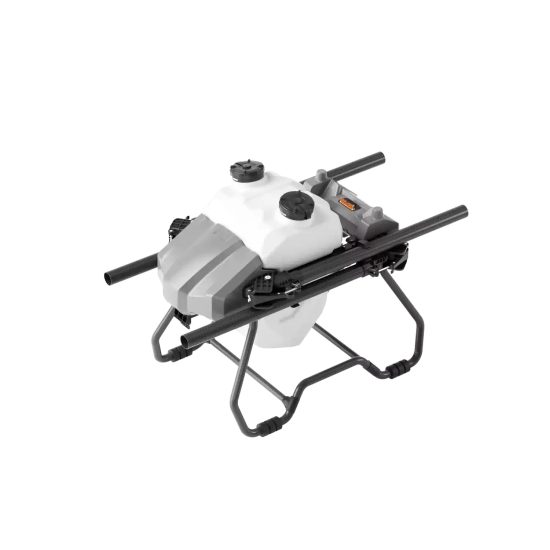
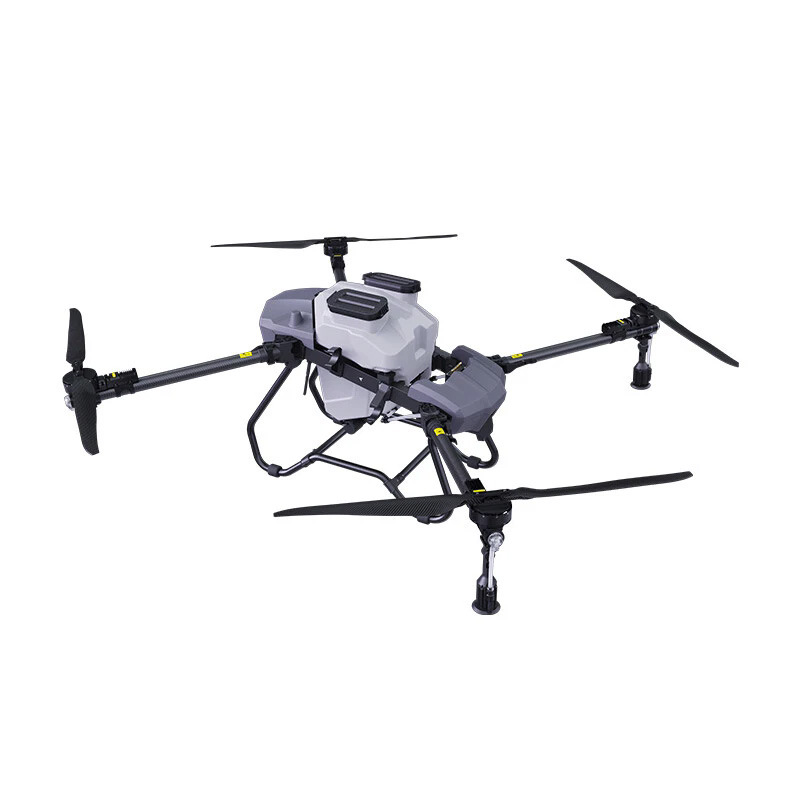
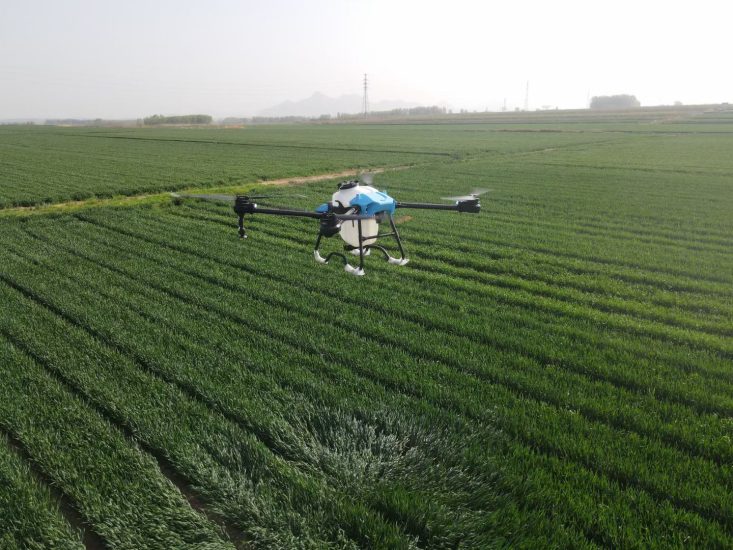
Are you searching for an efficient solution to manage your crops while reducing labor and chemical waste? Agricultural drones for pesticide spraying are revolutionizing modern farming. These drones offer precise, automated spraying that ensures every plant receives the exact amount of pesticide or fertilizer it needs. They save time, improve yields, and protect both workers and the environment.
Whether you operate a small farm or oversee a large agricultural enterprise, investing in these drones can dramatically improve productivity, efficiency, and crop health. In this article, we will explore why these drones are a game-changer for farmers and how they can transform your farm operations.
Why Choose Agricultural Drones for Pesticide Spraying?
1. Precision and Accuracy
Agricultural drones are equipped with GPS-guided spraying systems and intelligent flight control. This allows them to apply pesticides and fertilizers with pinpoint accuracy, reducing chemical waste and preventing over-application. Precision spraying also ensures uniform coverage, which is essential for healthy crop growth.
2. Time-Saving Technology
Manual pesticide spraying can take hours or even days, depending on farm size. A single drone can cover the same area in a fraction of the time, making farm management much more efficient. Automated routes and intelligent flight planning allow drones to spray large fields without constant supervision, freeing up valuable time for farmers.
3. Cost-Effective Farming
Reducing labor costs and minimizing chemical waste are significant advantages. Agricultural drones allow farmers to allocate resources more effectively. One drone can often replace multiple workers, providing a rapid return on investment while improving operational efficiency.
4. Environmental Protection
These drones are designed to minimize chemical runoff and environmental impact. Precise spraying ensures chemicals are applied only where needed. Additionally, most drones are battery-powered, reducing fuel consumption and carbon emissions compared to traditional machinery.
5. Versatility Beyond Spraying
Many agricultural drones are multi-functional. In addition to pesticide spraying, they can perform crop monitoring, fertilizer distribution, seed sowing, and aerial mapping. This versatility makes them a valuable tool for modern farmers looking to optimize operations.
Features to Consider When Buying Agricultural Drones
When selecting a pesticide spraying drone, consider the following key features:
- Payload Capacity: Drones typically carry 10–30 liters of liquid for spraying. Larger payloads reduce refill frequency and increase coverage.
- Spray Width & Flow Rate: Wider spray coverage and adjustable flow rates allow more efficient application.
- Battery Life: Longer flight times reduce downtime. Swappable batteries allow continuous operation.
- GPS and Auto-Pilot Systems: Automated flight paths ensure accurate spraying and minimal human intervention.
- Obstacle Avoidance: Sensors prevent collisions, protecting the drone and farm equipment.
- Weather Resistance: Drones that can operate in wind and light rain provide more operational flexibility.
How Agricultural Drones Enhance Farm Productivity
1. Improved Crop Health
Precise pesticide application reduces the risk of disease and pest damage. Drones can also distribute nutrients evenly, ensuring optimal growth.
2. Early Problem Detection
Drones equipped with cameras and sensors can identify pest infestations or crop stress early. This allows timely intervention before problems spread.
3. Reduced Human Error
Manual spraying often leads to uneven application, missed spots, or overuse of chemicals. Drones automate the process, ensuring consistent results every time.
4. Cost and Resource Efficiency
By reducing chemical waste, labor, and equipment usage, drones help farmers save money while improving output.
Step-by-Step Guide to Using Agricultural Drones for Pesticide Spraying
- Field Mapping: Use GPS or drone software to map the farm and plan spraying routes.
- Load Pesticides: Fill the drone’s tank with the recommended amount of pesticide or fertilizer.
- Program Flight Paths: Set up automated routes to ensure full coverage with minimal overlap.
- Monitor Operations: Use the drone’s app or onboard sensors to track spraying progress in real-time.
- Analyze Results: Review the data after spraying to adjust future operations for maximum efficiency.
Maintenance and Safety Tips
- Pre-Flight Inspection: Check propellers, nozzles, and battery levels before every flight.
- Chemical Handling: Wear protective gear and follow local safety guidelines when filling the tank.
- Battery Management: Charge and store batteries properly to maintain performance and safety.
- Software Updates: Regularly update the drone’s software to improve performance and safety features.
- Flight Precautions: Avoid flying in high winds, near people, or in restricted areas.
FAQ (Frequently Asked Questions)
Q1: How much area can one drone spray per day?
A: Coverage depends on the model and field conditions, but most drones can spray 50–200 acres per day efficiently.
Q2: Are agricultural drones difficult to operate?
A: Modern drones are designed for ease of use with intuitive apps and automated flight modes. Minimal training is required for beginners.
Q3: Can drones handle all types of pesticides?
A: Most drones are compatible with liquid pesticides, herbicides, and fertilizers. Always follow manufacturer guidelines and local regulations.
Q4: Do drones work in different weather conditions?
A: Yes, high-quality drones can operate in moderate wind and light rain, but heavy storms should be avoided for safety.
Q5: How often should drones be maintained?
A: Regular maintenance includes checking nozzles, propellers, battery health, and software updates. Following the maintenance schedule ensures optimal performance.
Icons/Visual Suggestions for the Page
- 🌾 Spraying crops
- 🛰️ GPS navigation and flight planning
- 🔋 Battery efficiency and swappable batteries
- 📷 Crop monitoring and aerial analysis
- 👨🌾 Labor reduction and productivity
Call to Action (CTA)
Ready to make your farm smarter and more efficient? Request pricing now for agricultural drones designed for pesticide spraying and take the first step toward modern, cost-effective farming.
✅ Fill out the inquiry form or contact us via email/WhatsApp. Our experts will recommend the best drone model for your farm size, crops, and spraying requirements.
Sample User Review:
“Our farm’s spraying operations have been transformed with this drone. It’s fast, precise, and cost-efficient. We couldn’t manage the same acreage manually without it!” – Emily, Farm Owner 🇨🇦
Order Reference: #MSOEN-AGD-2026


No comments yet