




Introduction
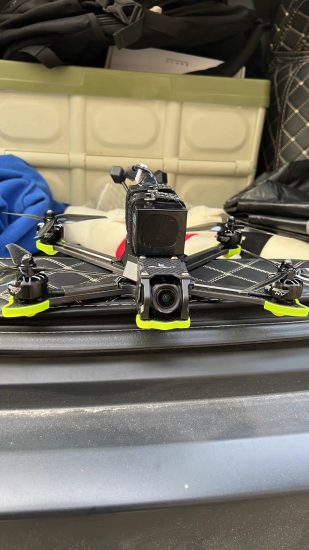
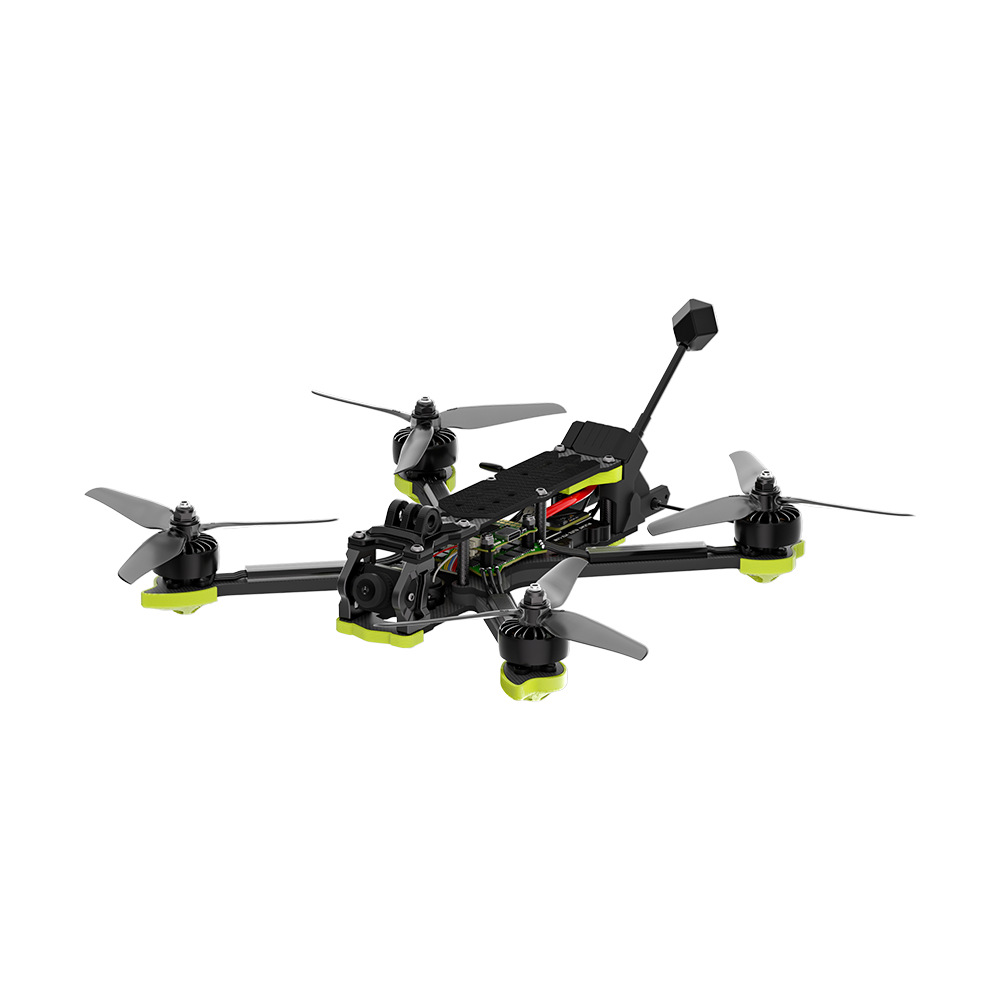
Starting your journey with FPV drones can be both exciting and challenging. For first-time pilots, choosing the right beginner-friendly FPV drone is essential to ensure a smooth learning experience and avoid unnecessary frustration.
Unlike advanced racing or freestyle drones, beginner FPV drones are designed to be easier to control, more stable in flight, and safer to operate. They allow new users to build confidence step by step while learning the fundamentals of FPV flying.
This guide will help beginners understand what to look for in an FPV drone and how to get started successfully.
What Is a Beginner Friendly FPV Drone?
A beginner-friendly FPV drone is designed with features that simplify control and enhance stability, making it easier for new users to learn.
Typical features include:
- Stable flight modes
- Lower speed settings
- Durable frame structure
- Easy setup and operation
- Basic safety functions
These features reduce the learning curve and make FPV flying more accessible.
Why Beginners Should Choose the Right Drone
Easier Learning Curve
Starting with a user-friendly drone allows beginners to focus on learning basic controls without being overwhelmed.
Reduced Risk of Damage
Beginner drones are often more durable and forgiving, reducing the chances of damage during crashes.
Improved Confidence
A stable and easy-to-control drone helps build confidence, encouraging users to practice more.
Key Features to Look For
Stable Flight Modes
Beginner drones often include assisted flight modes that help maintain stability and control.
Adjustable Speed Settings
Lower speed options allow beginners to practice safely before progressing to higher speeds.
Durable Build Quality
Strong frames and protective designs help withstand minor crashes during training.
Simple Setup
Easy assembly and configuration save time and reduce technical complexity.
Reliable FPV System
A clear and stable video feed is essential for learning FPV flying.
Basic FPV Flying Skills
Understanding Controls
Learn how throttle, pitch, roll, and yaw affect the drone’s movement.
Hovering Practice
Start by practicing stable hovering to build control and balance.
Slow Movement
Practice slow forward and backward movement before attempting complex maneuvers.
Turning and Navigation
Gradually learn how to turn smoothly and navigate around obstacles.
Common Beginner Mistakes
Flying Too Fast Too Soon
Beginners often try high-speed flying before mastering basic control.
Ignoring Battery Levels
Always monitor battery levels to avoid sudden power loss.
Skipping Practice
Consistent practice is key to improving skills.
Flying in Difficult Conditions
Avoid strong winds or crowded areas when learning.
Best Environments for Learning
Open Fields
Wide, open spaces are ideal for practicing basic flight skills.
Indoor Areas
Large indoor spaces provide a controlled environment for beginners.
Low-Obstacle Locations
Choose areas with minimal obstacles to reduce the risk of crashes.
Safety Tips for Beginners
- Always check your drone before flying
- Keep a safe distance from people and objects
- Follow local regulations
- Use protective gear if necessary
- Practice regularly
Advantages of Beginner FPV Drones
- Easy to learn and operate
- Safer for practice
- Lower cost compared to advanced models
- Durable and reliable
- Builds strong foundation for future skills
Progressing to Advanced Flying
Once you gain confidence, you can gradually move to more advanced drones and techniques.
This may include:
- Higher speeds
- Freestyle maneuvers
- Racing practice
- Cinematic flying
Conclusion
A beginner-friendly FPV drone is the perfect starting point for anyone new to FPV flying. By choosing the right drone and practicing regularly, new pilots can quickly develop their skills and enjoy the exciting world of FPV.
With patience and dedication, beginners can progress from basic control to advanced flying techniques, opening up endless possibilities in aerial exploration and creativity.
FAQ
Q1: Is FPV flying difficult for beginners?
It can be challenging at first, but with practice, it becomes easier.
Q2: How long does it take to learn FPV flying?
It depends on practice frequency, but basic skills can be learned relatively quickly.
Q3: What is the most important skill to learn first?
Stable hovering and basic control are the foundation of FPV flying.
Q4: Can beginners use high-speed FPV drones?
It is better to start with slower, beginner-friendly models.


No comments yet