

![Image [1]-Autonomous Delivery Drones-msoen](https://www.msoen.com/wp-content/uploads/2026/03/20260315114543757-1000021471-819x1024.jpg)
![Image [2]-Autonomous Delivery Drones-msoen](https://www.msoen.com/wp-content/uploads/2026/03/20260315114823683-1000021472-1024x898.jpg)
![Image [3]-Autonomous Delivery Drones-msoen](https://www.msoen.com/wp-content/uploads/2026/03/20260315114516570-1000021466.jpg)
![Image [4]-Autonomous Delivery Drones-msoen](https://www.msoen.com/wp-content/uploads/2026/03/20260315114542188-1000021468-732x1024.jpg)
![Image [5]-Autonomous Delivery Drones-msoen](https://www.msoen.com/wp-content/uploads/2026/03/20260315114536605-1000021469-1024x947.jpg)
![Image [6]-Autonomous Delivery Drones-msoen](https://www.msoen.com/wp-content/uploads/2026/03/20260315020015725-Screenshot_20260314_192152_JDCOM-778x1024.jpg)
Diary Entry – A Day Operating Autonomous Delivery Drones
6:00 AM – Preparing for the Day
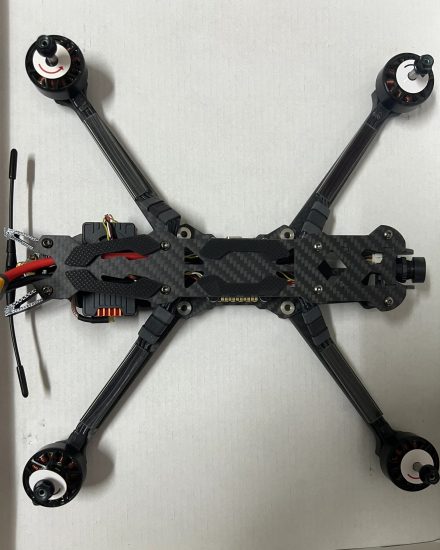
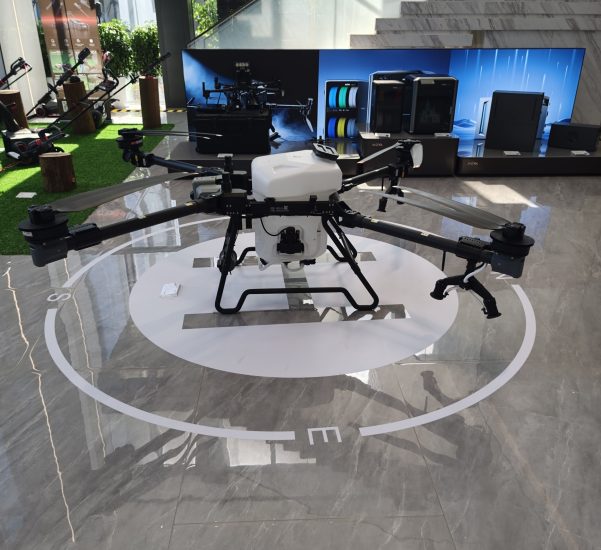
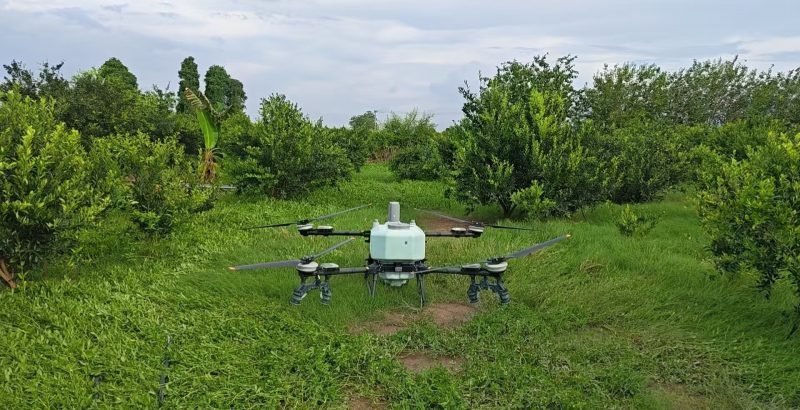
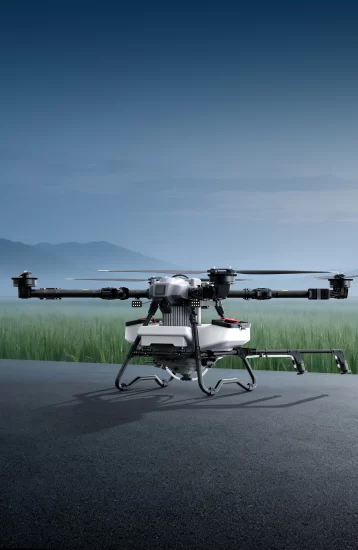
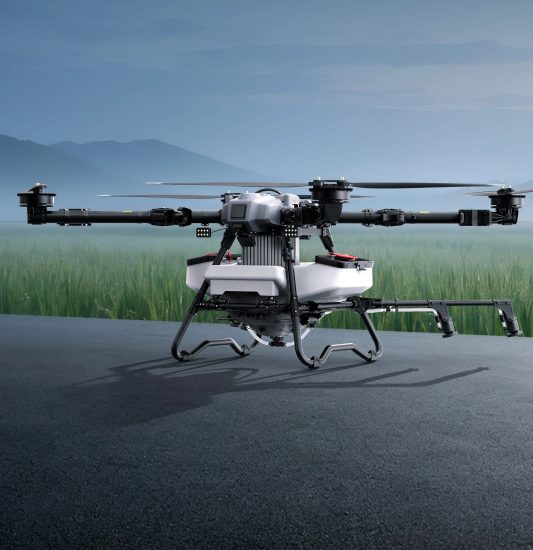
The day began at the autonomous delivery drone operations hub. Today was going to be busy, with multiple high-priority deliveries scheduled across urban, suburban, and industrial areas. Autonomous delivery drones have transformed logistics by allowing packages to be delivered without manual control, using advanced AI, real-time tracking, and obstacle avoidance systems.
Before the first flight, I reviewed the daily schedule, noting each delivery’s priority, distance, and payload requirements. Some packages included urgent medical supplies, perishable food items, and critical office materials. Weather conditions were carefully monitored, as wind, rain, or sudden changes could affect drone performance.
6:30 AM – Pre-Flight Inspections
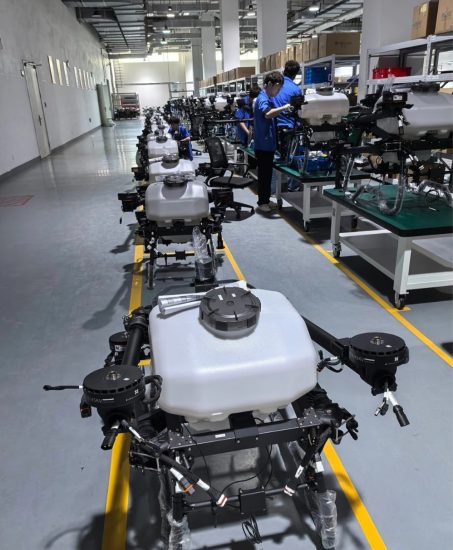
Even though the drones are autonomous, pre-flight inspections are essential. Batteries were fully charged, rotors and motors inspected, sensors calibrated, and communication links tested. Packages were loaded into secure compartments designed to keep items stable and protected during flight. Temperature-sensitive packages, such as food or medical items, were loaded into specialized compartments with precise climate control.
One drone was assigned to deliver urgent vaccines to a suburban clinic. Its route was pre-programmed to avoid restricted airspace and congested areas, using AI to select the fastest and safest path.
7:00 AM – Morning Launches
The first wave of drones took off smoothly. The autonomous system manages navigation, altitude, and obstacle avoidance independently, while I monitored their progress from the control room. Drones flew over roads, buildings, and green spaces, adjusting dynamically to changing conditions.
Within 20 minutes, the first package—urgent medical supplies—was delivered. Simultaneously, other drones launched with food deliveries and e-commerce parcels. Autonomous flight ensures that multiple deliveries can happen simultaneously without human intervention, increasing efficiency and reducing delays.
8:30 AM – Managing Multiple Flights
During the busy morning, several drones were operating in overlapping airspaces. The autonomous logistics system coordinates their routes to prevent collisions and optimize flight efficiency. Real-time monitoring ensures safety, and I stay ready to intervene if unexpected issues arise.
One drone faced a sudden wind gust near a high-rise building. Its AI system recalculated the flight path instantly, adjusting altitude and speed. I observed the adjustment to ensure the package remained secure and the delivery stayed on schedule.
10:00 AM – Emergency Delivery Requests
A hospital requested urgent delivery of surgical tools to a downtown clinic. The autonomous system immediately prioritized the package, assigning the nearest available drone. The drone flew directly over congested roads, bypassing traffic entirely. Its sensors and AI navigation allowed it to safely maneuver between buildings and deliver the package within record time.
11:30 AM – Midday Data Monitoring
During mid-morning downtime, I reviewed system logs and flight data. Battery usage, flight efficiency, delivery times, and obstacle encounters were analyzed to improve future performance. The AI system learns from historical data to optimize routes, minimize energy consumption, and adapt to urban environments.
12:30 PM – Maintenance and Recharging
Drones returned to the hub for maintenance and battery swaps. Rotors, sensors, and cargo compartments were inspected for wear and tear. Proper maintenance is critical, especially when drones are transporting sensitive or high-value items. Batteries were recharged to ensure readiness for the afternoon delivery wave.
1:30 PM – Afternoon Deliveries
The afternoon involved long-distance deliveries and complex urban routes. Some drones carried perishable food items to residential areas, while others transported office supplies and critical industrial components. Autonomous systems handled navigation, avoiding restricted zones, tall buildings, and temporary obstacles like cranes or road construction.
One drone delivered refrigerated food packages to a dense city district. Its AI-controlled flight maintained stable temperature conditions while navigating a crowded environment. Another drone carried urgent documents to a corporate office, following the fastest path while avoiding congested streets below.
3:00 PM – Dynamic Adjustments and Problem Solving
Sudden weather changes in the afternoon required adjustments. The system detected strong crosswinds in one sector and recalculated flight paths for all affected drones. Autonomous drones adjusted altitude, speed, and route in real-time. I monitored the process and intervened when necessary, though most adjustments were handled seamlessly by the AI system.
4:30 PM – High-Volume Coordination
As the day progressed, multiple deliveries overlapped in urban zones. The autonomous system sequenced deliveries based on priority, battery life, and proximity, ensuring maximum efficiency. High-priority packages, like medical supplies, were delivered first, while other items followed optimized schedules.
5:30 PM – Evening Deliveries
Evening operations required drones to navigate low-light conditions. Infrared sensors and high-definition cameras allowed safe night flights. Packages included dinner orders, late-night pharmacy deliveries, and urgent office materials. Autonomous drones adapted to limited visibility while maintaining accuracy and safety.
6:30 PM – End-of-Day Reporting
After all drones returned, I compiled data on delivery times, battery consumption, flight efficiency, and obstacle encounters. This information is crucial for continuous improvement and refining the AI system’s algorithms. Daily reporting ensures high levels of reliability, safety, and customer satisfaction.
7:00 PM – Preparing for Tomorrow
Before leaving, I prepared drones for the next day’s operations. Batteries were fully charged, sensors calibrated, and cargo compartments pre-loaded. Emergency drones were kept on standby for unexpected high-priority deliveries.
Reflection on the Day
Today emphasized the transformative power of autonomous delivery drones. They bypass traffic, reduce delivery times, and operate efficiently without constant human input. Emergency deliveries, temperature-sensitive shipments, and urban logistics all benefit from this technology.
Conclusion
Operating autonomous delivery drones is both challenging and rewarding. Every successful delivery demonstrates the efficiency, safety, and reliability of AI-powered logistics systems. As autonomous drone technology continues to evolve, delivery operations will become faster, smarter, and more flexible, shaping the future of logistics in urban, suburban, and remote areas.
Autonomous delivery drones are not just a technological innovation—they represent the future of rapid, precise, and reliable logistics.


No comments yet